
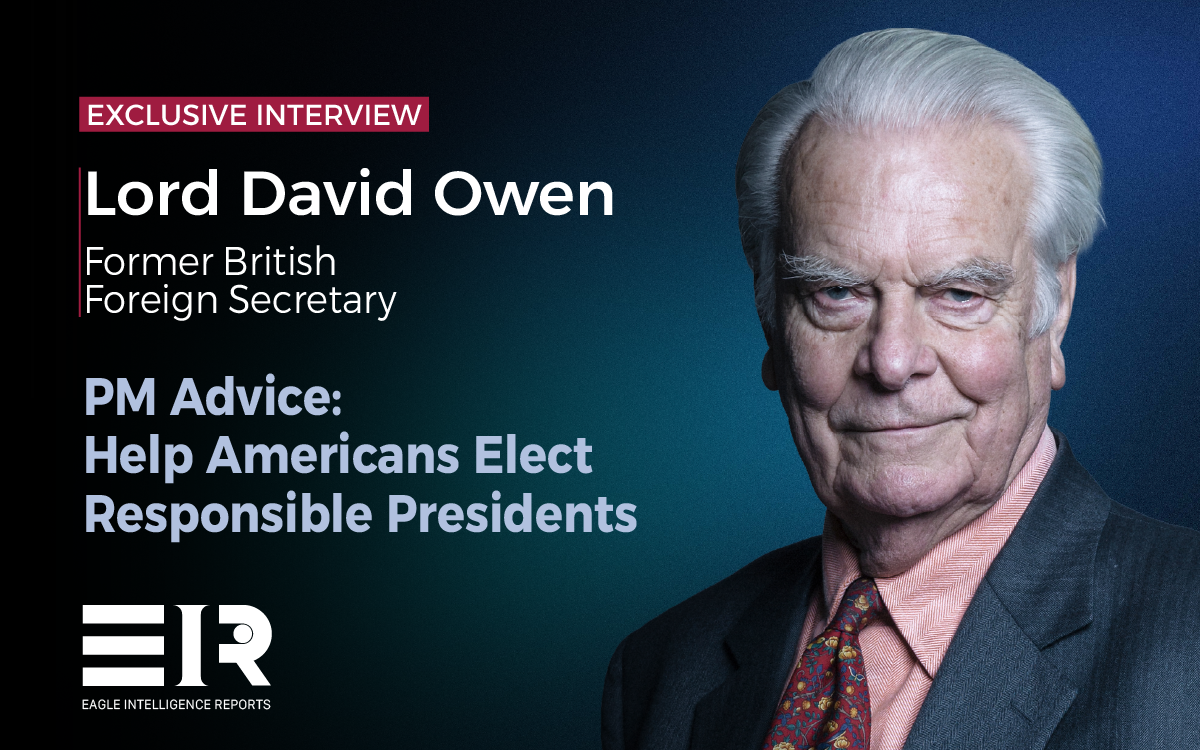
Former British Foreign Secretary Lord David Owen urges Prime Minister Andy Burnham to help Americans elect responsible presidents. He warns that Europe cannot rely on Trump and calls for a European Defense Organization and wider nuclear deterrent in an exclusive interview with Eagle Intelligence Reports.
Asked what advice he would give Prime Minister Andy Burnham on Britain’s foreign and defense policy, former Foreign Secretary Lord David Owen turned to an unexpected priority: helping Americans recognize the responsibilities of their country’s leadership.
In an exclusive interview with Eagle Intelligence Reports, Owen delivered a sharp criticism of President Donald Trump and warned that Europe could no longer take American military protection for granted, raising fundamental questions about the future of the transatlantic alliance.
“Help Americans to see their own country needs to act as a responsible superpower and to elect presidents who will behave like one!”
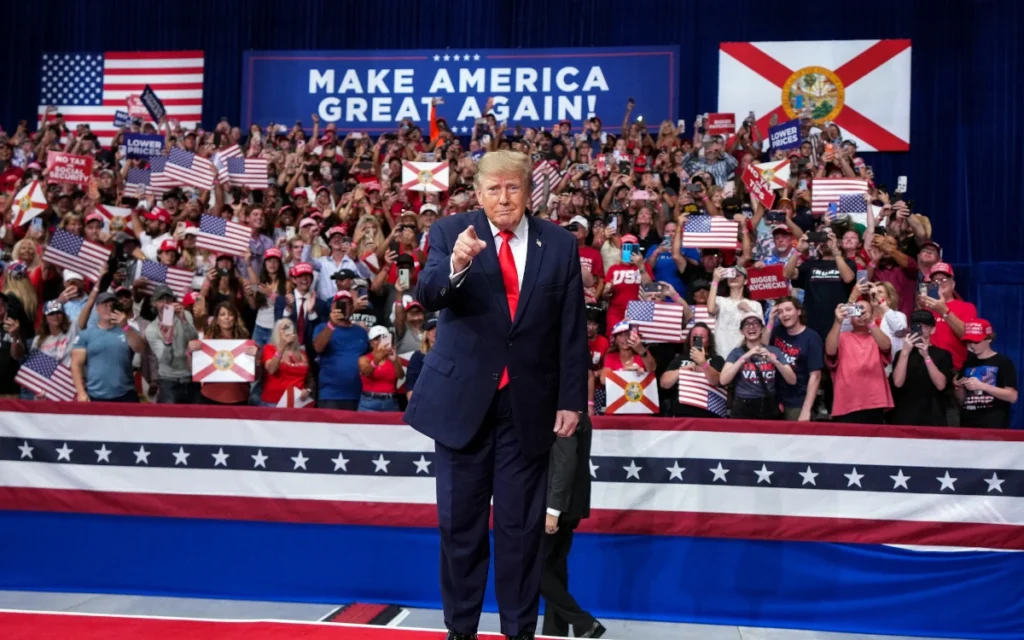
Owen’s answer reflects his growing concern about American foreign policy under Trump and its consequences for European security. He describes Trump as a “disastrous U.S. president,” comparing his conduct more closely to that of an aggressive autocratic ruler than to the democratic leaders who shaped America’s post-war alliances.
But his concern extends beyond Trump’s leadership to the future of the Western security alliance and Europe’s longstanding dependence on American military power. “Nevertheless, while living under President Trump, we cannot currently rely on the United States helping to defend Europe, even if needed,” he warned.
Owen, who served as Britain’s foreign secretary from 1977 to 1979, believes Europe cannot afford to wait for Trump’s presidency to end in January 2029. He expects further reductions in American troops stationed in Europe and argues that European governments must prepare to establish a European Defense Organization (EDO) that would inherit most of NATO’s proven structures.
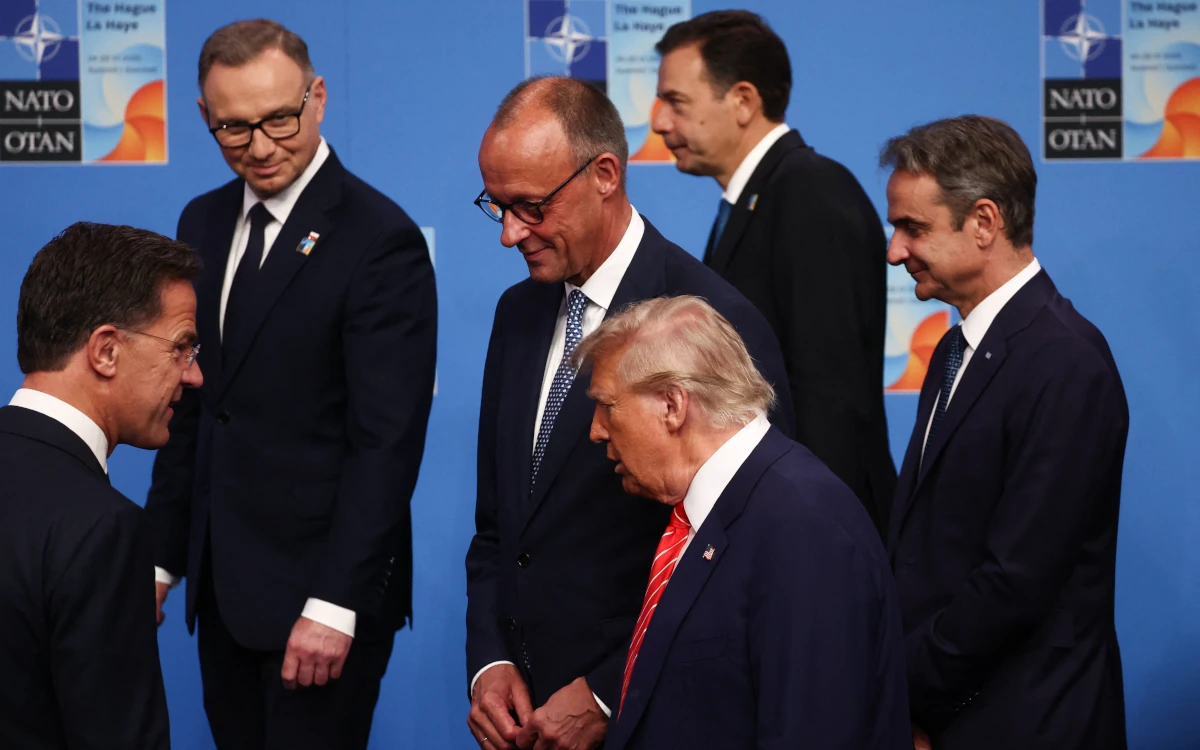
His proposal includes appointing a European to serve as Supreme Allied Commander Europe (SACEUR), initially from France, with the position subsequently rotating between Britain, France, and Germany, and potentially involving Poland. He also wants Canada to become a full member of the proposed organization, reflecting its growing ties with Europe.
Owen also calls for a wider European nuclear deterrent involving France, Britain, Germany, and Poland, including the sharing of French nuclear technology. He considers France particularly important because its nuclear deterrent, unlike Britain’s, does not depend on American design and equipment.
Owen also calls for a wider European nuclear deterrent involving France, Britain, Germany, and Poland, including the sharing of French nuclear technology
“France, Britain, Germany, and Poland hold the key,” he said, arguing that their determination to strengthen Europe’s defense would matter more than political declarations about strategic autonomy.
Owen believes credible European nuclear cooperation could also persuade Washington to maintain its military and nuclear presence on the continent rather than accelerate its withdrawal. Despite his criticism of Trump, he does not advocate abandoning the transatlantic alliance. Military and intelligence cooperation between London and Washington remains strong, Owen said, although the political relationship is coming under increasing strain.
“But under Trump, the ‘special relationship’ is being sorely tested,” he said.
His criticism extends to Britain’s own government. Owen accuses the administration of delaying essential defense decisions, describing the postponement of detailed spending commitments until the 2027 Spending Review as a “serious dereliction of duty.” He calls for the immediate introduction of a UK Defense Readiness Bill and points to Poland’s military expansion as an example other European democracies should follow.
On Ukraine, Owen sees little prospect of an imminent settlement with Moscow and sharply criticizes Trump’s approach toward Russia. He questions Washington’s commitment to Kyiv, urging European governments to increase their economic, political, and military support, reach swift agreement on using frozen Russian assets, and make the expansion of Ukrainian missile defense systems an urgent priority.
On Ukraine, Owen sees little prospect of an imminent settlement with Moscow and sharply criticizes Trump’s approach toward Russia
He also warns that Russian “hybrid and cyber warfare” could continue against Ukraine and other European countries even after the fighting ends, raising further questions about Europe’s readiness to protect its strategic infrastructure.
Beyond Russia, Owen sees a fundamental shift in the international balance of power. He describes China and the United States as the world’s two superpowers, while characterizing Russia as a “fading regional power.” Britain, he argues, has been slow to recognize China’s economic, military, and technological rise and must pursue greater self-sufficiency while strengthening its defenses against industrial espionage, artificial intelligence-related threats, and hostile-state cyberattacks.
On the Middle East, Owen calls for faster reconstruction in Gaza, criticizes Israeli restrictions on construction contracts, and urges Britain to maintain an independent diplomatic role, including through its permanent membership of the United Nations Security Council.
For Owen, Europe’s challenge is not simply to spend more on defense, but to develop the military leadership, nuclear deterrence, and political determination needed to withstand Russian aggression without assuming American support will always be available. Yet he also believes that a stronger Europe that is capable of meeting more of its own security needs could give Washington greater reason to remain committed to NATO.
Owen also believes that a stronger Europe that is capable of meeting more of its own security needs could give Washington greater reason to remain committed to NATO
“Europe’s objective must be to become strong enough, along with Ukraine, to jointly withstand any Russian aggression,” he said.
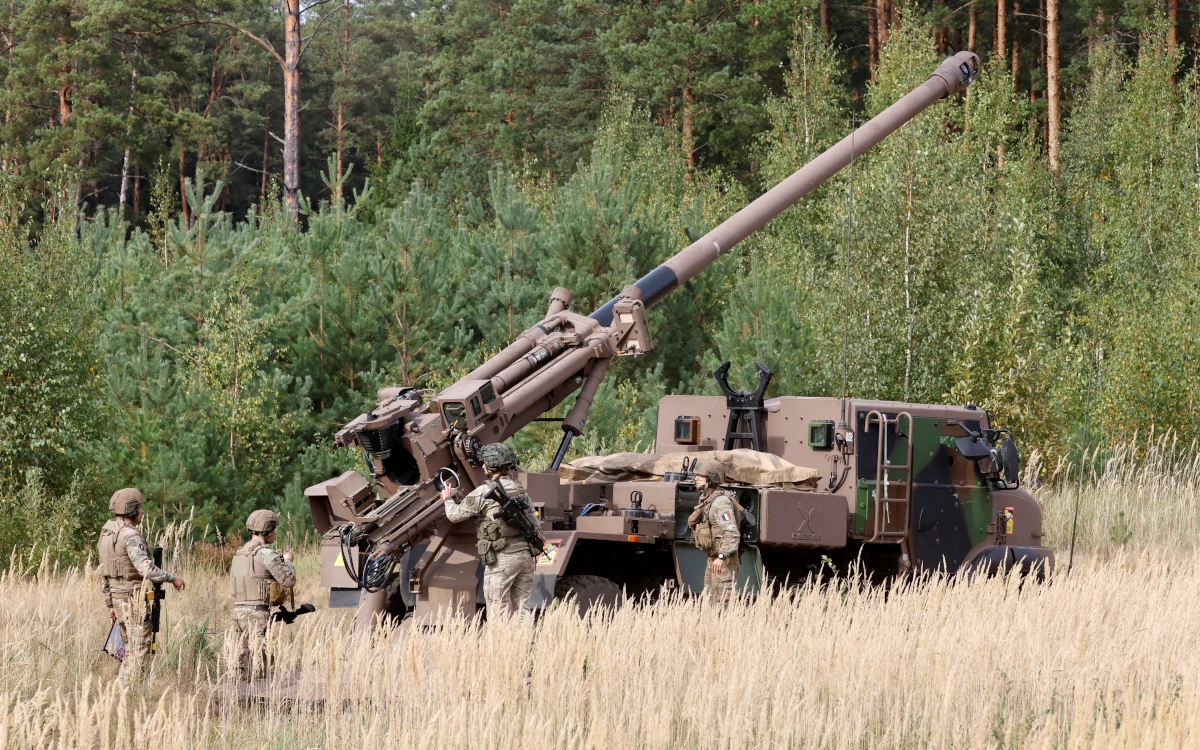
In the following full interview with Eagle Intelligence Reports, Owen discusses his proposals for European defense, Britain’s relationship with Washington and the European Union, the future of NATO, the war in Ukraine, China’s growing influence, and Britain’s diplomatic responsibilities in the Middle East.
Interview
- PM Andy Burnham has committed Britain to higher defense spending and continued investment in the nuclear deterrent. After the Chancellor’s Budget, do you believe the government is spending enough—and spending it on the right capabilities—to meet the threats Britain now faces?
The short, blunt answer is no, we are not spending enough on defense. In his Budget, the UK Chancellor of the Exchequer announced a UK-led new Multilateral Defense Mechanism. This new financing initiative is intended to bolster procurement and stockpiling, but it is a long way short of all that is needed. And its main purpose is to provide a structure that stays outside domestic and international fiscal rules with its off-balance-sheet accounting. The Netherlands, Finland, and Poland will participate in this institution, but Canada’s separate initiative of a Defense, Security, and Resilience Bank announced at the NATO summit in July already has the wider support of Albania, Belgium, Greece, Latvia, Luxembourg, Romania, Turkey, and Ukraine. The two bodies have different roles, but they have agreed to develop a formal framework of cooperation, and their shared priority is strengthening defense financing, particularly on emerging industrial priorities.
Yet the Chancellor of the Exchequer, while maintaining support in his Budget for the Defense Investment Plan, has side-stepped the actual urgent implementation and detailed allocation for the 3 percent and 3.5 percent targets for defense spending. That will not be set out until the 2027 Spending Review. Pushing decisions into next year is a serious dereliction of duty. It must be brought forward, the need to increase the defense budget is immediate. The UK Defense Readiness Bill should be tabled now.
At present Poland spends 4.5 percent of GDP on defense and its armed forces have grown to 216,000 active personnel. That is far in excess of most other European countries, apart from the Baltic States. Where Poland has led the rest of the European democracies others must follow. The Russian invasion of Ukraine changed the character of the conflict facing NATO and Europe and the UK has to adapt fast. As Wes Streeting, the UK Defense Minister, said in Washington on 15 October, “Modernization is about getting affordable, adaptable, accessible weaponry into the hands of our military as quickly as possible.” That requires the UK Ministry of Defense to urgently improve its financial controls and procurement processes and the Army, Navy, and Air Force sectors working together rather than trying to protect their own departmental budgets. It also means focusing much more on the need to secure our strategic infrastructure against expected hybrid and cyber warfare.
- Britain and France are preparing a multinational force that could deploy to Ukraine after a cessation of hostilities. What should Britain be prepared to commit to guarantee Ukraine’s security, and where do you see the greatest risk of miscalculation or direct confrontation with Russia?
If a settlement in Ukraine is reached, then the involvement of the “coalition of the willing” will be necessary to help Ukraine during the period it will need to re-establish its own national defense force to secure its borders. The UK has done much to train Ukrainian soldiers over the last four years, and I am sure that will continue. But I suspect Russian hybrid and cyber warfare will continue not just against Ukraine but other European countries too, and we need to be prepared for this. The recent foiled bomb attack at Leipzig airport shows that Russia is prepared to undertake such activity beyond Ukraine itself.
Unfortunately, I fear there is little sign of a peace settlement involving Russia anytime soon. At the time of Russia’s full-scale invasion in 2022, NATO said we would support Ukraine but not fight alongside them. I doubt leaders or its peoples have got the nerve, the courage, or the sheer bloody-mindedness to decide that position should be changed even though the enemy—Russia—is in plain sight.
President Trump having lost the midterm elections will likely make it ever clearer day by day that this is Europe’s problem, not America’s. America sees its biggest military issue, outside its own direct sphere of influence, as being Iran.
It is clear President Trump is more engaged in trying to coincide American and Russian interests. Why else did he hold an early meeting with President Putin after his first disastrous meeting with President Zelensky, since when he has been equivocal about helping Ukraine? His latest action in ceasing to share intelligence and missile defense with Ukraine and lifting sanctions to agree a diesel deal with Russia, indicated a quite threatening shift of position which undermines the West’s collective position and support for President Zelensky. But Ukraine has many friends in America, and there is a chance, now that the midterm elections have given such a resounding snub to Trump, Congress will exert more support for Ukraine to maintain its independence. That could mean America working more closely with Britain and France.
What will stop Russia is Britain, France, and Germany making it clear that it is not prepared for Russia to defeat Ukraine and is ready to prevent it by increasing support economically, politically, and militarily. We need swift agreement in Europe to start using Russia’s frozen assets. What Ukraine desperately needs most is greater missile defense systems, and urgent international cooperation should be focused on achieving this.
- You warned earlier this year of an “imminent danger” that the United States might withdraw from NATO. If Washington is unwilling to carry its traditional security burden while Russia’s confrontation with Europe intensifies, is Europe ready for greater strategic autonomy—and what role should Britain play in it?
The history of NATO shows that the more America sees Europe facing up to its own responsibilities in defense and foreign policy and supporting necessary policies with their own resources of money, men, and military equipment, the more likely America will retain its membership and keep a military presence, even if less. Nevertheless, while living under President Trump, we cannot currently rely on the United States helping to defend Europe, even if needed.
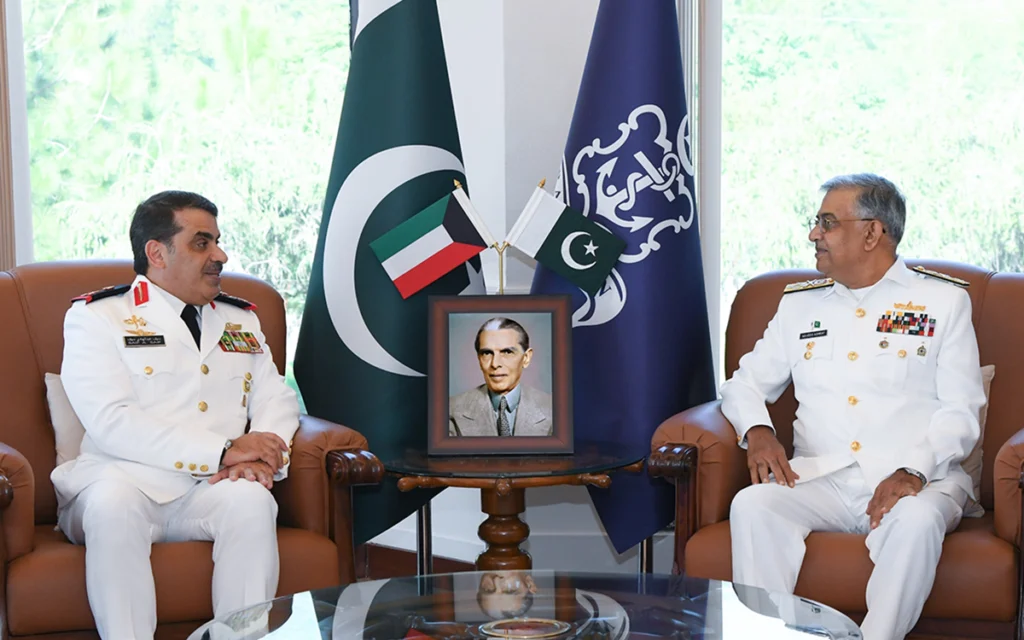
There is already an acceptance and a wish in America, amongst both their military and politicians, that the time is now for a European SACEUR, and the obvious candidate for that in the first instance is France given its present nuclear deterrent, which is not dependent, as is the UK deterrent, on U.S. design and equipment. Thereafter, a common European nuclear deterrent country would rotate the SACEUR position between the UK, France, and Germany in that order with perhaps Poland also being involved. In normal circumstances, an evolutionary approach could be embarked on, but circumstances are not normal. Trump is President until January 2029. That is too long to wait in the hope circumstances might eventually change under a new American president. The U.S. policy of making Europe pay more for its defense will not change, and it is highly likely that more and more U.S. troops will be recalled from Europe. Europeans need to be able to trust their own defense organization now and prepare for quite simply a European Defense Organisation (EDO) inheriting most of NATO’s proven structures. Canada should be a full member of EDO and is increasingly appropriate as they seek closer ties with the European Union. Europe’s objective must be to become strong enough, along with Ukraine, to jointly withstand any Russian aggression.
- Britain remains one of Europe’s leading military powers through NATO despite leaving the European Union. Does the changing security environment require a closer UK–EU defense relationship, and what should the EU contribute to European security that NATO cannot?
I have always highlighted defense as the vital area to maintain a close UK-EU relationship even after Brexit, which I supported. A European Defense Organisation can establish its own relationship with the EU but effective defense organizations involving military power needs separate decision-making structures. The European Defense Fund is the EU’s flagship financial instrument to support collaborative cross-border defense research and capability development. I would hope that in any future negotiations Andy Burnham aims to improve the UK relationship with the EU. Fair enough, but that does not necessarily involve rejoining the EU. The UK should be a participant in the European Defense Fund, so important for our own defense industries. The European Defense Fund can be linked with advantage to both the Multilateral Defense Mechanism and the Defense, Security and Resilience Bank.
- As Europe takes greater responsibility for its own security, should Britain and France be prepared to extend their nuclear deterrents more explicitly to European allies?
Yes. There are very important political and military issues for the French deterrent to be widened out through the sharing of their technology to involve the UK, Germany, and Poland. We already know that Germany is in talks to invest in a European nuclear deterrent with a view to widening Europe’s nuclear umbrella. I believe Poland too should be included in this wider cooperation. How this is done is largely for those four countries to resolve, but if the Americans sense that they are serious and determined to do this in a matter of a few years, then they will not rapidly reduce their military numbers or nuclear weapons. In that sense the issue is a clear cut one. France, Britain, Germany, and Poland hold the key. How quickly and determinedly they commit to the defense of Europe will do more than any amount of speeches and political declarations as to their readiness for greater political autonomy.
- You have written extensively about hubris in political leadership, including Donald Trump. Has the way Trump is treating Britain changed U.S.–UK ties? Does the “special relationship” remain genuinely reciprocal, or does Washington now expect Britain to adapt more to American priorities?
Trump has been a disastrous U.S. president, not comparable in any major respect to Truman, Eisenhower or Kennedy or even, despite Vietnam, Lyndon Johnson. He is unpredictable, vindictive, and a narcissist, more akin to an autocratic aggressive ruler than the democratic leader of the free world. It is a period which leaders around the world have to “ride” out, and Mark Carney sets a good example of how to behave. Thankfully, close cooperation remains between our two countries at other levels, particularly the military and intelligence, and I have no doubt this will continue. But under Trump, the “special relationship” is being sorely tested.
- When you served as Foreign Secretary, Britain operated in a predominantly Cold War international system. Today, China is a major power, and Western dominance is increasingly contested. Why has Britain been slow to understand this transformation in the global balance of power?
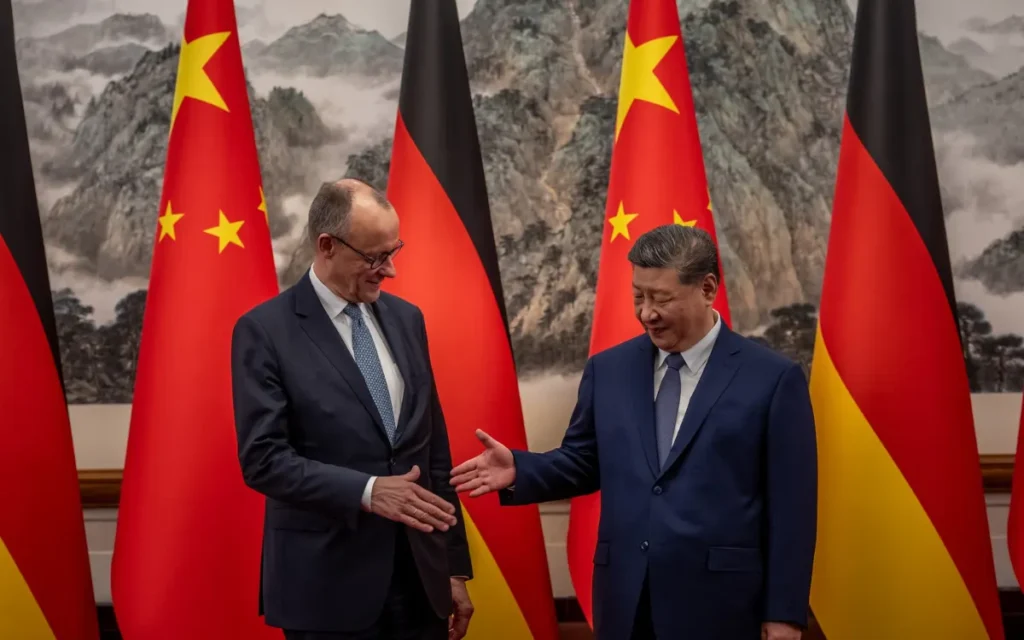
There has absolutely been a major shift. There are now two superpowers—China and the United States. Russia, once the USSR, is a fading regional power, both militarily and economically. Trump is not a collaborator; he wants to be the sole winner. President Xi, a far more deliberate and considered leader than Russian leaders, is on record as saying, “When we cooperate we both win.” But for Trump, supremacy matters far more than cooperation. For a stable world, however, Xi is right that it is better for the two superpowers to work as partners, not rivals.
The UK has adapted slowly to the growing emergence of China as a superpower, both economically and militarily. In the past the UK has not been willing to undermine, in particular, our trade relations and have been too naïve about China’s ability to conduct industrial and technological espionage. We need a far more active policy of self-sufficiency in the UK in so many areas, political, economic, and military. A far stronger, less erratic, America than under Trump will be beneficial to Europe as a whole.
China is now unrivalled in its capability in the digital world which brings additional risks and governments need to be advising individuals and businesses about the defensive actions we should all be taking to ward against not just the dangers of AI but individual and/or hostile state hackers that can do great harm to national infrastructure. And this applies particularly to defense.
- If you were advising Prime Minister Burnham today, what is the single most important change you would make to Britain’s defense and foreign policy over the next five years?
Help Americans to see their own country needs to act as a responsible superpower and to elect presidents who will behave like one!
- Britain’s relationship with Israel has become increasingly difficult amid the war in Gaza and growing disagreement over the conduct of the conflict. How should Britain balance its historic relationship with Israel with its obligations under international law and its wider interests in the Middle East?
Much more progress needs to be made in the rebuilding of Gaza. Although the UK, for valid reasons, has not signed up to the Board of Peace, it should still support its recovery plan for Gaza and reject Israeli interference. Israel’s blocking of construction contracts cannot be allowed to continue. I hope much more progress can be made now after the U.S. midterm elections and the Israeli elections, particularly in moving forward with the International Stabilization Force, although many question marks remain with it being completely separate from the normal UN structures of peacekeeping missions.
The UK still has influence when we adhere to basic principles, and we must continue to contribute powerfully as a permanent member of the Security Council. That is why I supported the measures announced by Ed Miliband against those involved in the illegal settlement expansion in the West Bank.