
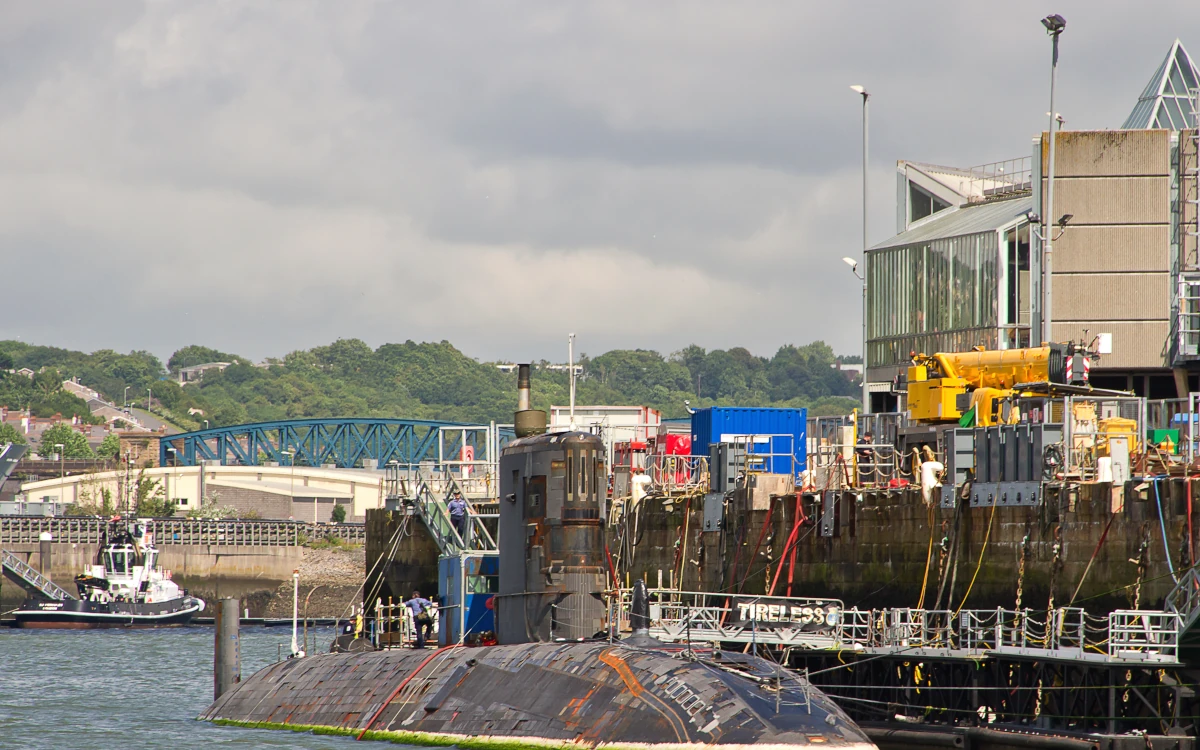
Britain announced £8.4 billion ($11.2 billion) investment for the next phase of its Dreadnought Class nuclear submarine program, which the government claims will support 22,000 apprenticeships over the next decade.
“A major £8.4bn investment in the UK’s nuclear deterrent, delivering jobs and opportunity for young people for years to come,” was set to be announced by Prime Minister Andy Burnham, his Downing Street office said in a press release.
UK defense contractor BAE Systems has been tasked with delivering four Dreadnought Class nuclear-powered submarines as part of Britain’s nuclear deterrent.
Of the £8.4 billion, BAE was set to receive £5.9 billion, with the remaining going to the wider supply chain.
The investment was set to help the first of four submarines, the HMS Dreadnought, complete its sea trials and “be ready to enter service with the Royal Navy in the early 2030s”, Downing Street said.
It will also see the second vessel in the program, HMS Valiant, reach the sea trial phase, and the third and fourth boats progress through the construction stage.
The program will support 47,000 jobs and apprenticeships according to Burnham, who has made tackling growing youth unemployment a priority of his nascent administration.
The submarines “will protect Britain for decades to come, and the 47,000 jobs and apprenticeships will change lives both in this town and in dozens of places like it,” Burnham was set to say on a visit to the BAE shipyard in Barrow, northwestern England on Thursday.
Defense Secretary Wes Streeting said the investment “secures our commitment to deliver Dreadnought Class submarines by backing British industry”.
The UK government has earmarked more than £63 billion over the next four years to fund its nuclear deterrent as part of its Defense Investment Plan.
That includes the Dreadnought submarines and new attack submarines part of its AUKUS military alliance with Australia and the United States.
Burnham faces an uphill battle to increase military spending under pressure from the US and NATO allies, while finding ways to fill a £4.7 billion funding gap in its defense plan over the next four years. (AFP)