The reported dismissal of a senior U.S. general has raised questions about Pentagon leadership as President Donald Trump weighs renewed strikes against Iran. The removal comes amid wider changes to the military’s senior ranks and uncertainty over Washington’s next steps in the regional conflict.
Army Lieutenant General Brett Sylvia was removed this week as director of strategy, plans, and policy on the Joint Chiefs of Staff, according to American media, which cited unidentified Defense Department officials. The position oversees a central element of U.S. military planning. No reason for Sylvia’s departure was disclosed, and no replacement had been named.
“We may do another little Epic Fury,” Trump said last week, referring to the U.S.–Israeli strikes against Iran in February that triggered the current war. He did not specify when further operations might begin. Separately, U.S. envoy Tom Barrack said on October 23 that an American strike could occur that weekend, although he has no direct responsibility for Iran policy. His remarks did not establish a timetable for military action.
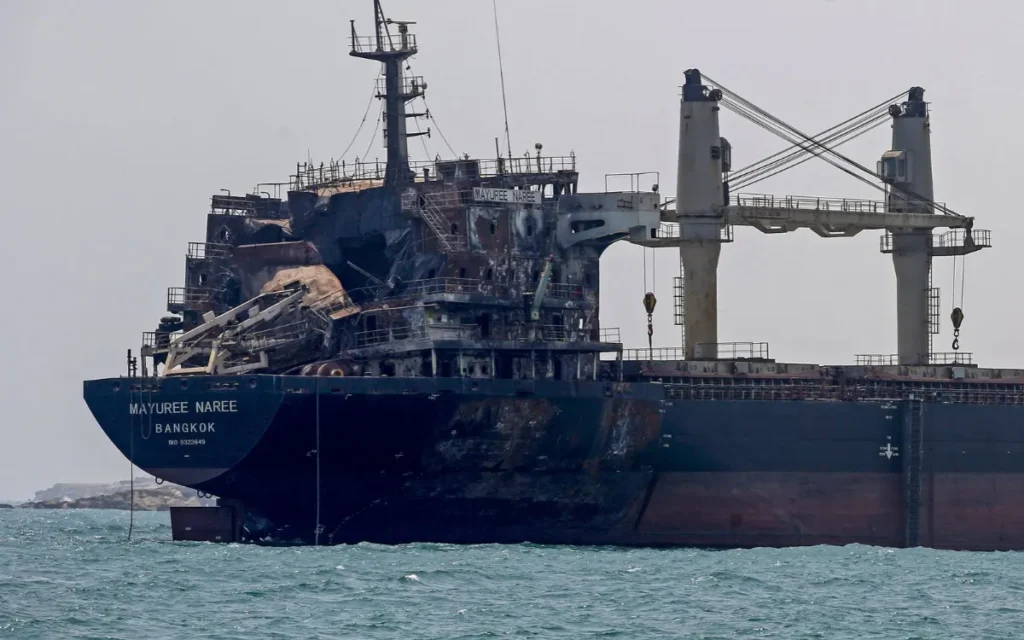
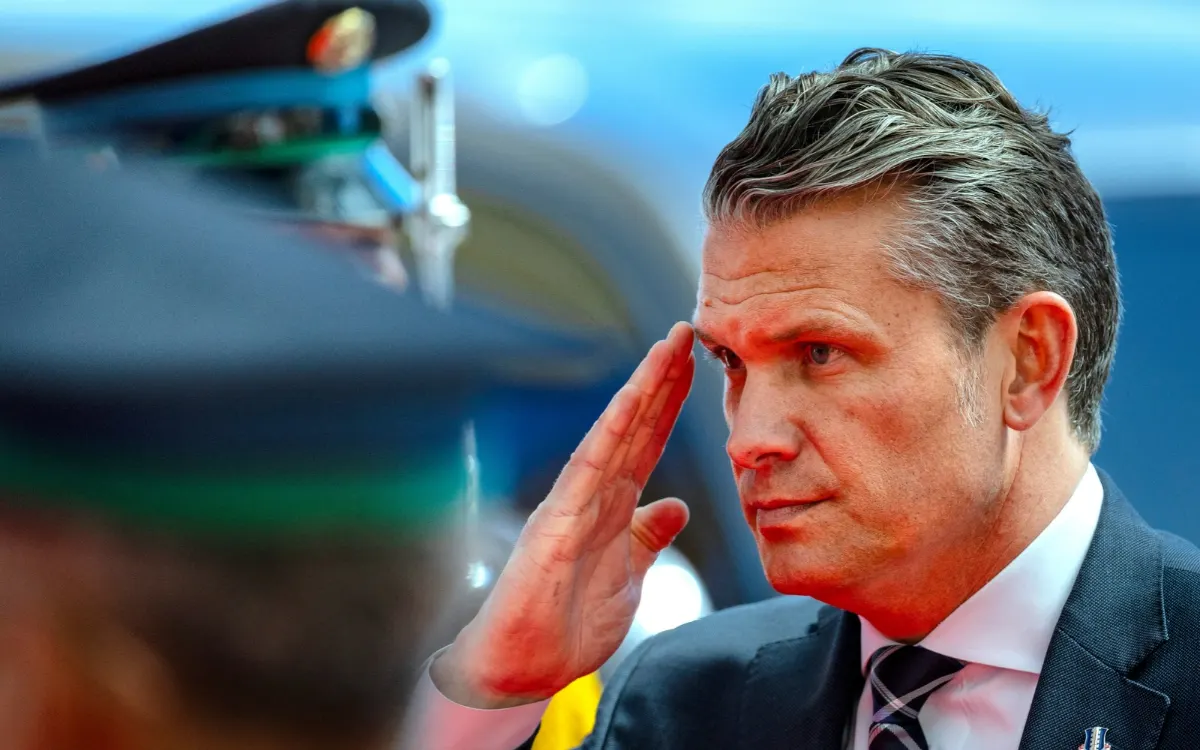
Sylvia’s removal follows a series of senior military departures since Trump’s return to the White House. Defense Secretary Pete Hegseth said in September that the administration had reduced the number of generals and admirals by 20 percent, presenting the changes as an effort to strengthen accountability and prioritize combat readiness. Sylvia previously commanded the 101st Airborne Division and led a military unit in Iraq. Meanwhile, major U.S. and Iranian attacks against land-based targets have largely subsided since early September, although attacks on commercial shipping have continued.
The timing of the dismissal places renewed attention on the Pentagon’s planning structure during a sensitive period for U.S.–Iran relations. American media reported on October 29 that U.S. officials had warned regional allies to prepare for possible strikes after the November 3 midterm elections and potential Iranian retaliation. Diplomats cited in the reports stressed that Trump had not made a final decision. While Sylvia’s departure does not establish a connection to operational plans, further escalation could have significant consequences for Gulf security, regional infrastructure, and international energy markets. (Agencies+EIR)