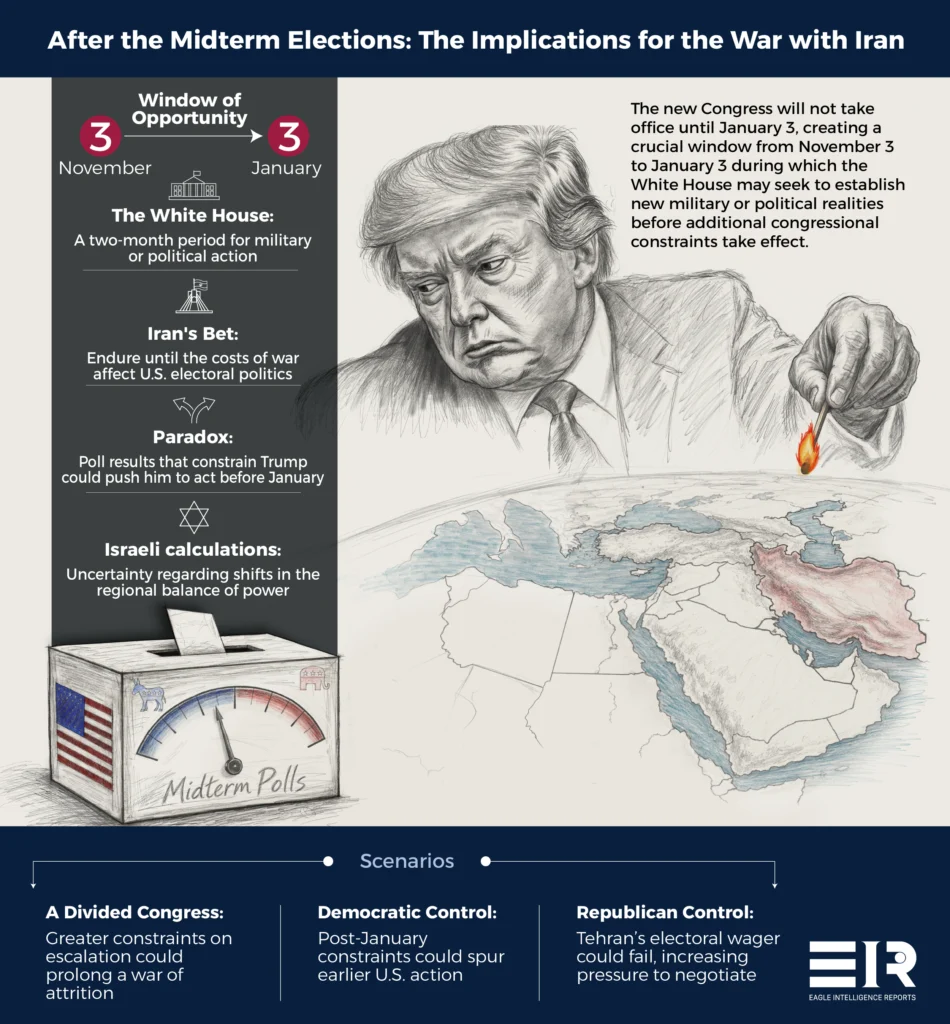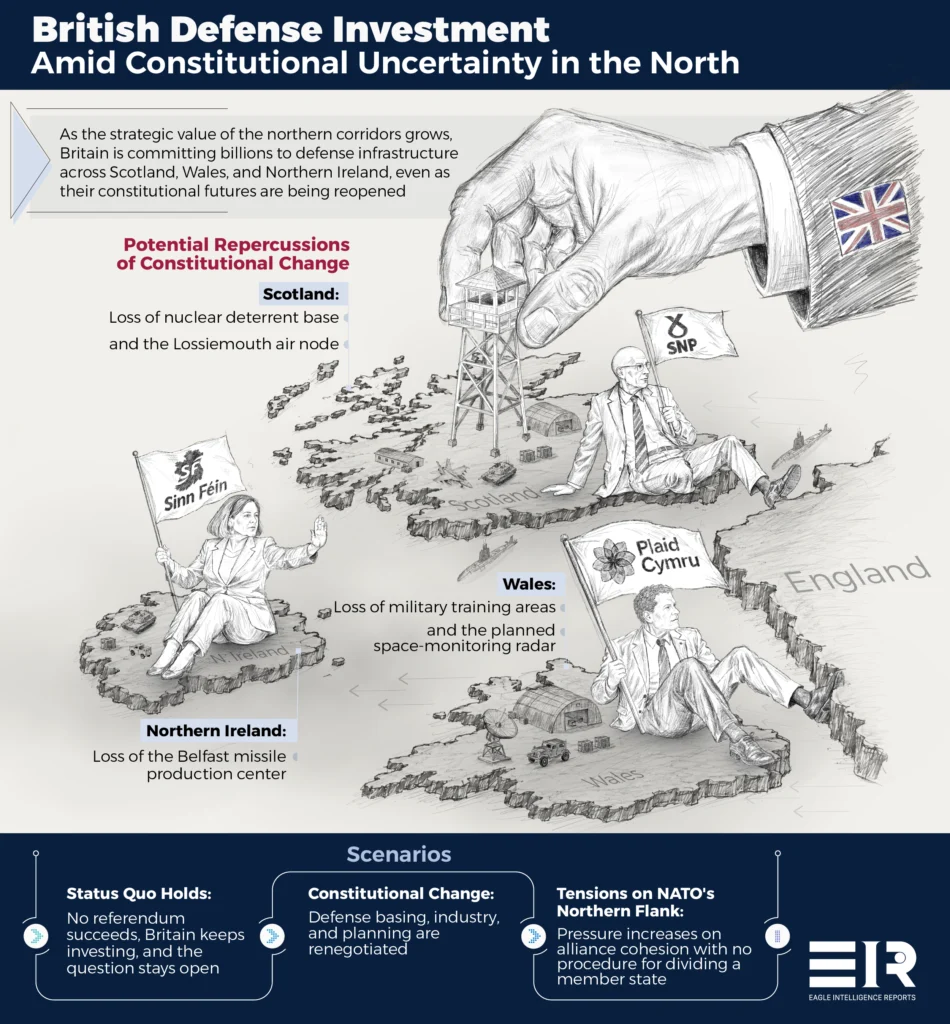

Former British Defence Secretary Grant Shapps has warned that Europe is already at war with Russia and has failed to recognize the true threat it poses. He accuses Western governments of providing Ukraine with just enough military assistance to survive rather than the support needed to defeat Moscow’s invasion.
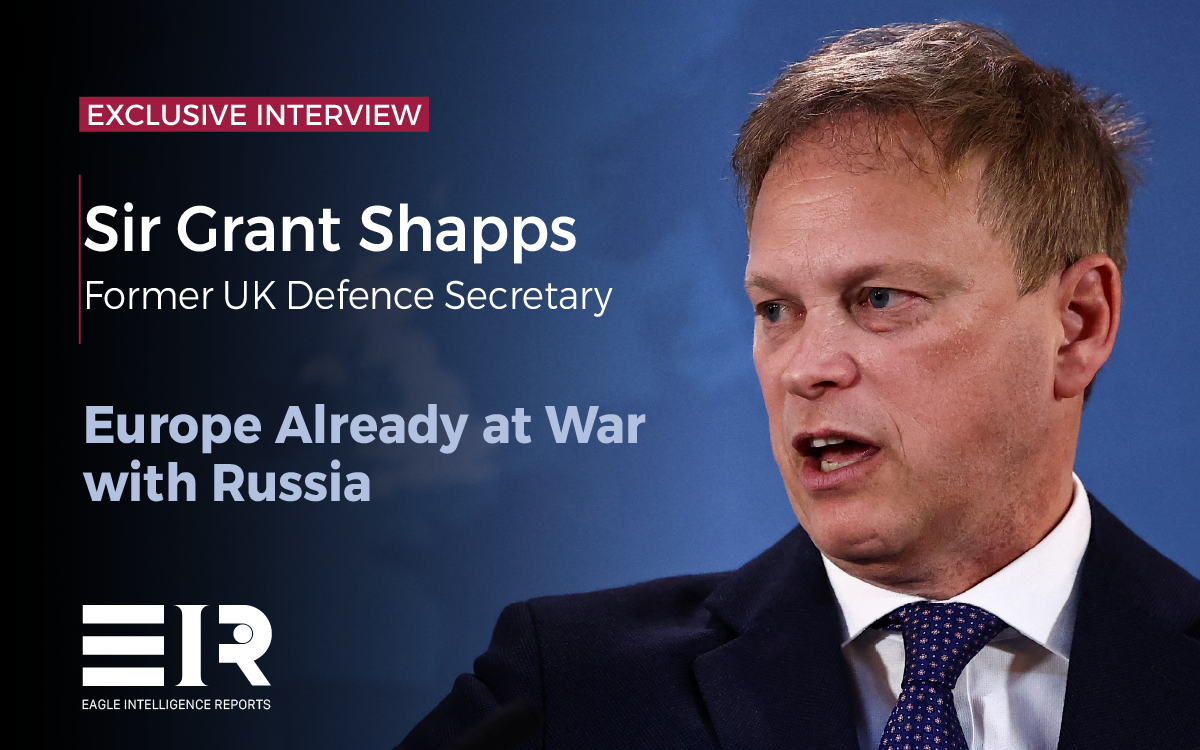








Former UK Defence Secretary Grant Shapps reveals that British, Israeli, and possibly U.S. intelligence was shared with Gulf partners, helping to prevent atrocities in Saudi Arabia. In an exclusive interview with Eagle Intelligence Reports, Shapps described the intelligence cooperation as a critical factor in regional security.
Former British Defence Secretary Grant Shapps has warned that Iran is expanding its destabilizing activities beyond the Middle East, threatening international shipping, energy security, and European countries, while acknowledging that Western military operations against the Houthis have failed to establish effective deterrence.
Bill Gates warned that AI will usher in “one of the most turbulent times in human history.” In his view, “AI will either be the greatest equalizer ever invented or the worst source of injustice.” But a second question arises: if AI makes a country dramatically richer, does it also make it militarily stronger?

America needs welders as much as warriors to rebuild an Arsenal of Democracy that has atrophied under decades of strategic malpractice. Bipartisan neglect has hollowed out the skilled workforce, leaving a deficit that money alone cannot fix.

Chinese authorities have intensified measures related to drone exports in recent months, with the actions extending to the detention of a number of officials and executives at major companies operating in the defense and drone sectors, according to a source close to one of the companies affected by the measures.

Japan faces a strategic nightmare. China, Russia, and North Korea are increasing pressure on Tokyo while expanding cooperation with one another. They aim to weaken and isolate Japan. Until now, Japan has relied on U.S. security guarantees to balance that threat. Today, it is moving to strengthen its own capabilities.

Aleksandar Vucic’s recent resignation was widely read as an attempt to carry personal rule past the constitutional limit. The Serbian strongman is angling for the premiership after running out of presidential terms. The switch follows the logic of Vladimir Putin’s move into the premiership in 2008 but reverses its institutional direction.

Ukrainian lawmakers have been instructed to leave Kyiv and relocate to areas near the Romanian and Hungarian borders through October 17, amid intelligence that Russia plans to expand its attacks on the capital in early October, a reliable source told EIR.

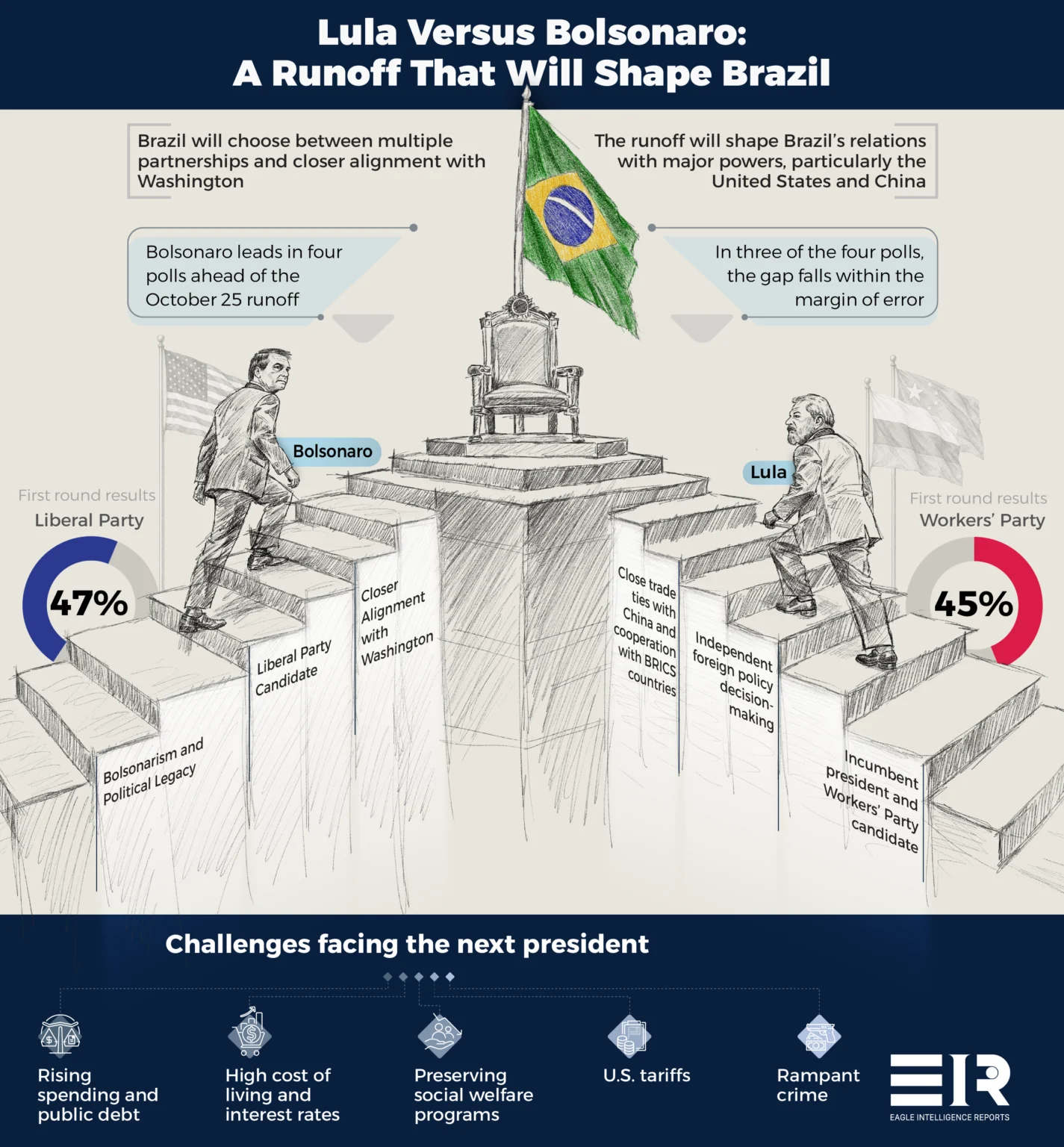
Opinion polls show Brazilian presidential candidate Flávio Bolsonaro ahead of President Luiz Inácio Lula da Silva before the October 25 runoff. His lead in valid votes ranged from 1.1 to six percentage points.
October 22, 2026,
5:25 PM
By EIR