
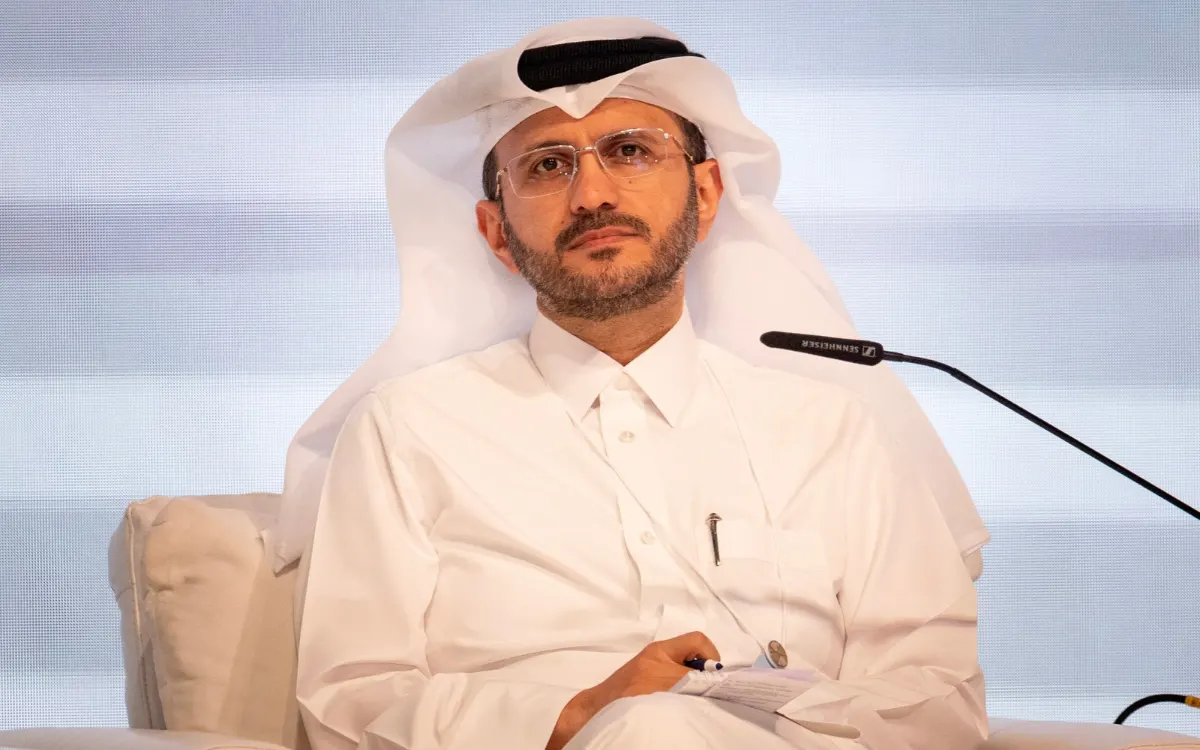
Qatar has rejected allegations that it financed interference in Israel’s parliamentary election, calling the accusations dangerous as Prime Minister Benjamin Netanyahu’s allies intensify pressure on Arab parties whose electoral gains could determine the country’s next government.
Qatari foreign ministry spokesman Majed Al Ansari issued the denial Thursday after Israeli officials raised allegations that the Arab party Ra’am had received funding from Qatar. Supreme Court Justice Noam Sohlberg, who heads Israel’s Central Election Commission, requested an investigation by the Shin Bet security service. Netanyahu’s Likud party described the allegations as evidence of a stolen election, although Israeli government officials had not publicly presented supporting evidence.
“We categorically deny allegations that Qatar has interfered in Israeli elections or funded any activities intended to influence their outcome,” Al Ansari said. Referring to accusations involving Netanyahu, the Israeli left, and Arab voters, he added: “These accusations are ridiculous and dangerous in equal measure.”
The dispute comes as Israel struggles to form a government following Tuesday’s inconclusive election. According to French media, with nearly 93 percent of ballots counted, Netanyahu’s right-wing bloc held 53 seats, while opposition parties led by former military chief Gadi Eisenkot had 48. Neither reached the 61 seats required for a parliamentary majority. Two major Arab political formations were projected to secure 19 seats, potentially giving their lawmakers a decisive role in coalition negotiations. National Security Minister Itamar Ben Gvir called for Arab party leaders to be arrested, while Eisenkot urged vigilance against foreign interference but warned against exploiting the investigation for political purposes.
The allegations introduce another source of uncertainty into Israel’s political transition, with possible consequences for its relations with Qatar and the participation of Arab lawmakers in government formation. The coalition deadlock also coincides with renewed threats of military action against Iran, raising questions about how Israel would manage a regional escalation without a settled government. President Isaac Herzog is expected to choose a candidate to attempt forming a coalition after official election results are published. (AFP+EIR)