
Israeli Prime Minister Benjamin Netanyahu is seeking another military confrontation with Iran or Hamas ahead of Israel’s October 27 elections, potentially delaying the vote, former Israeli intelligence official Dr. Avner Barnea alleged.
In an exclusive interview with Eagle Intelligence Reports, Barnea, who served in Israeli intelligence for 30 years, claimed Netanyahu feared losing the election and would welcome another security crisis. He suggested that renewed hostilities involving Iran or Hamas could create circumstances in which the parliamentary vote might be postponed.
“Netanyahu is working very hard in order that this kind of event will happen,” Barnea said. “He doesn’t want the election. He’s very afraid. He’s afraid that he’s going to lose the election.”
Barnea added that Netanyahu “would love to have another round with Iran, or a new round with Hamas.”
The allegations come as Israel prepares for its October 27 parliamentary elections, the first since the October 7, 2023, Hamas attacks and the subsequent conflicts involving Gaza, Lebanon, and Iran. The vote will determine the composition of the 120-seat Knesset, where a governing coalition requires at least 61 seats. Netanyahu’s Likud party is seeking to retain power alongside its right-wing and religious allies, including parties led by Bezalel Smotrich and Itamar Ben-Gvir. Recent polling averages cited by Israeli media suggest Netanyahu’s political bloc remains short of a parliamentary majority, although projections vary considerably between polling organizations.
Recent polling averages cited by Israeli media suggest Netanyahu’s political bloc remains short of a parliamentary majority, although projections vary considerably between polling organizations.
Barnea linked his concerns about Netanyahu’s electoral calculations to Israel’s continuing confrontation with Hezbollah in Lebanon. He argued that Netanyahu was reluctant to pursue engagement with the Lebanese government partly because continued conflict served his domestic political interests. “He wants a constant war , because it’s good for him for the elections, and it’s good for him to stay in his position,” Barnea said. He also identified a separate security consideration, arguing that Israeli leaders doubted the Lebanese government’s ability to confront Hezbollah effectively.
Barnea did not specify what actions he believed Netanyahu was taking to bring about another confrontation or provide evidence of a concrete plan to engineer a security crisis. However, the possibility of renewed fighting has emerged in recent security reporting. Israeli media reported on October 9 that military chief Eyal Zamir had been briefed on U.S. preparations for potential renewed strikes against Iran, warning that Iranian retaliation could disrupt the October 27 election. Meanwhile, Israeli operations against Hamas have continued in Gaza despite the existing ceasefire, with disputes over disarmament and Israeli withdrawal remaining unresolved. Netanyahu also warned on October 6 that Hamas might attempt an attack ahead of the election and threatened an overwhelming military response. These developments illustrate how escalation could arise on either front, although they do not establish that Netanyahu is deliberately seeking to provoke renewed hostilities.
Meanwhile, Israeli operations against Hamas have continued in Gaza despite the existing ceasefire, with disputes over disarmament and Israeli withdrawal remaining unresolved.
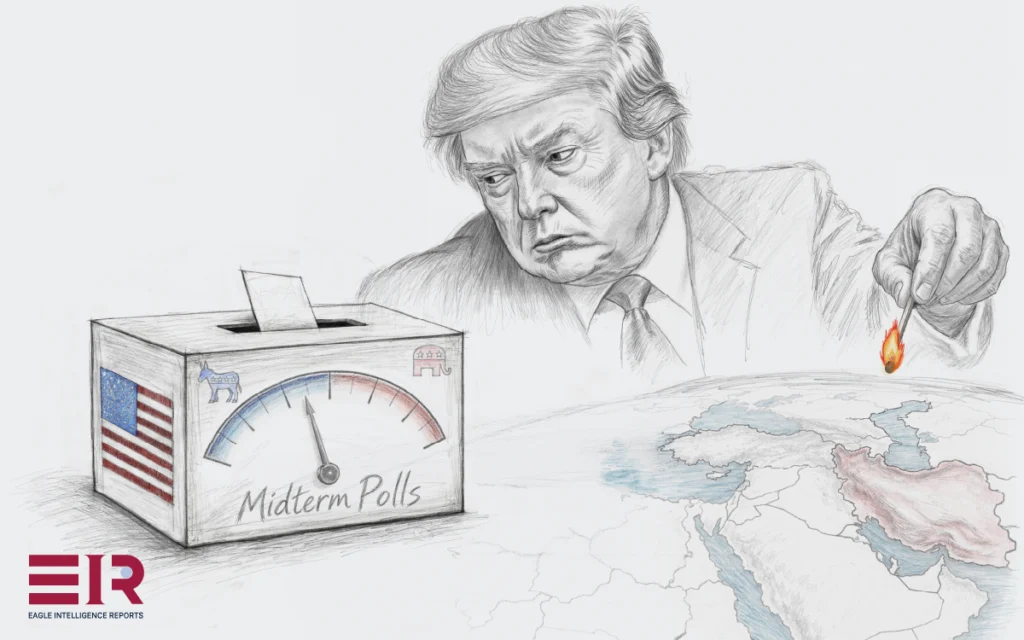
The political significance of Barnea’s allegations lies in the potential interaction between Israel’s security decisions and the approaching parliamentary election. A major military confrontation could alter the political environment by shifting public attention toward national security, complicating campaigning, or raising questions about whether voting could proceed as scheduled. However, military escalation would not automatically postpone the election, and Barnea did not identify a specific legal mechanism through which Netanyahu could secure such a delay. His comments on Lebanon suggest that he sees the possible electoral advantages of continued conflict as extending beyond any single military front. With Israel already facing unresolved security challenges, Barnea’s assessment raises questions about the factors shaping decisions over further escalation. The issue is whether those decisions will be driven primarily by security requirements or influenced by domestic political considerations.