
Nicoletta Kouroushi

HomeNicoletta Kouroushi
Nicoletta Kouroushi
Nicoletta Kouroushi
Nicoletta Kouroushi is a journalist and political analyst from Cyprus. She has worked with several research centers, including the Middle East Forum, and has published articles in international media outlets. Her work focuses on developments in the Eastern Mediterranean region.
Nicoletta_Kouroushi_author-eagle intelligence reports - politics - International Relations
Nicoletta Kouroushi

Nicoletta Kouroushi is a journalist and political analyst from Cyprus. She has worked with several research centers, including the Middle East Forum, and has published articles in international media outlets. Her work focuses on developments in the Eastern Mediterranean region.

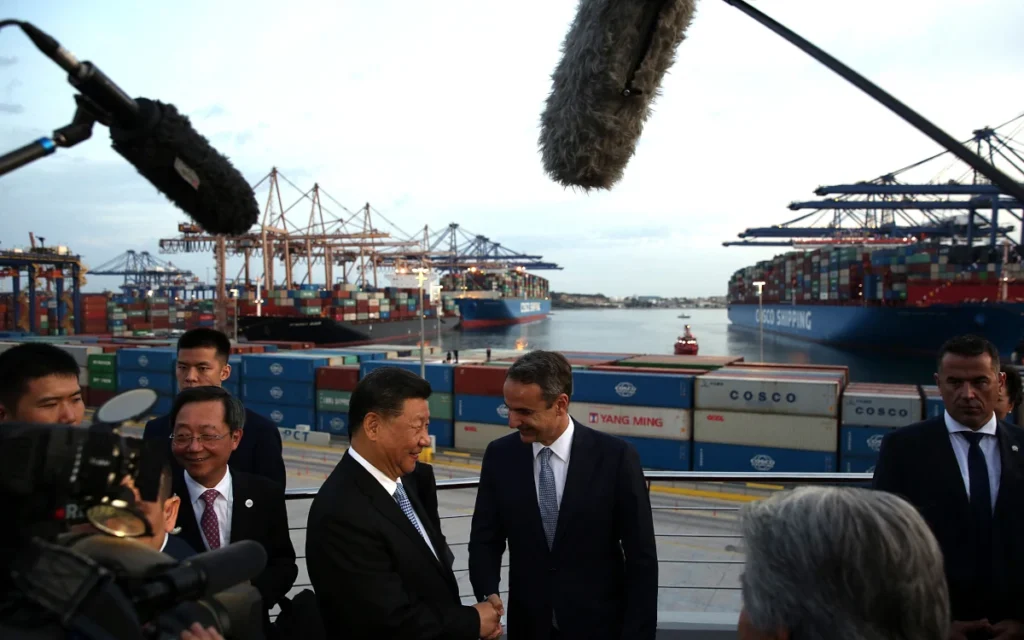
Over the past decade, China played the long game in Europe, and for years it drew little response. Piece by piece, Chinese firms bought into the continent’s ports, railways, and logistics networks, each deal looking like ordinary commerce. But together they formed something else: a strategic map drawn in concrete and steel.

By

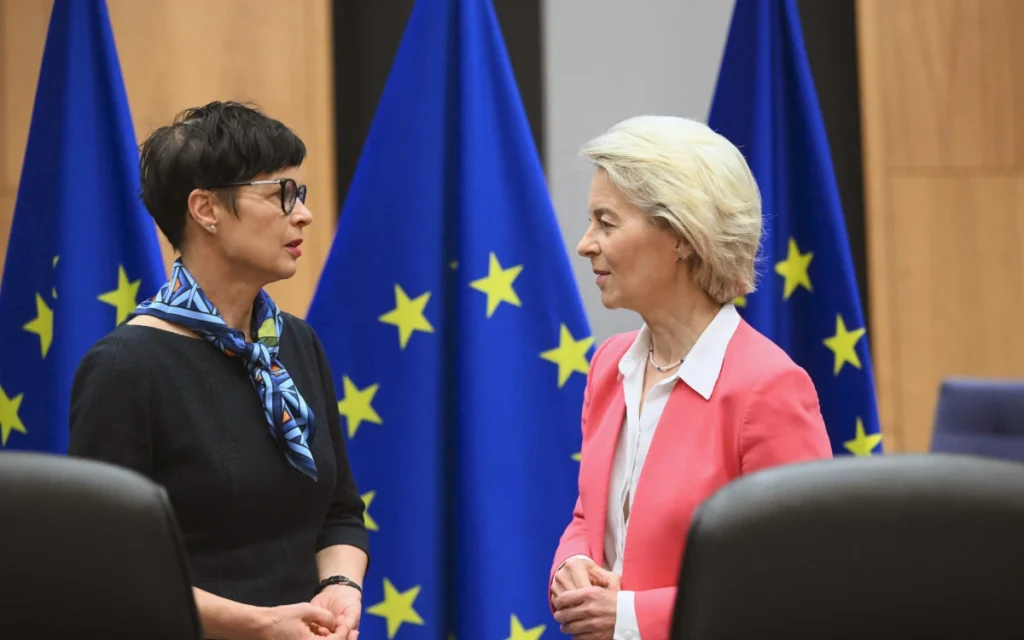
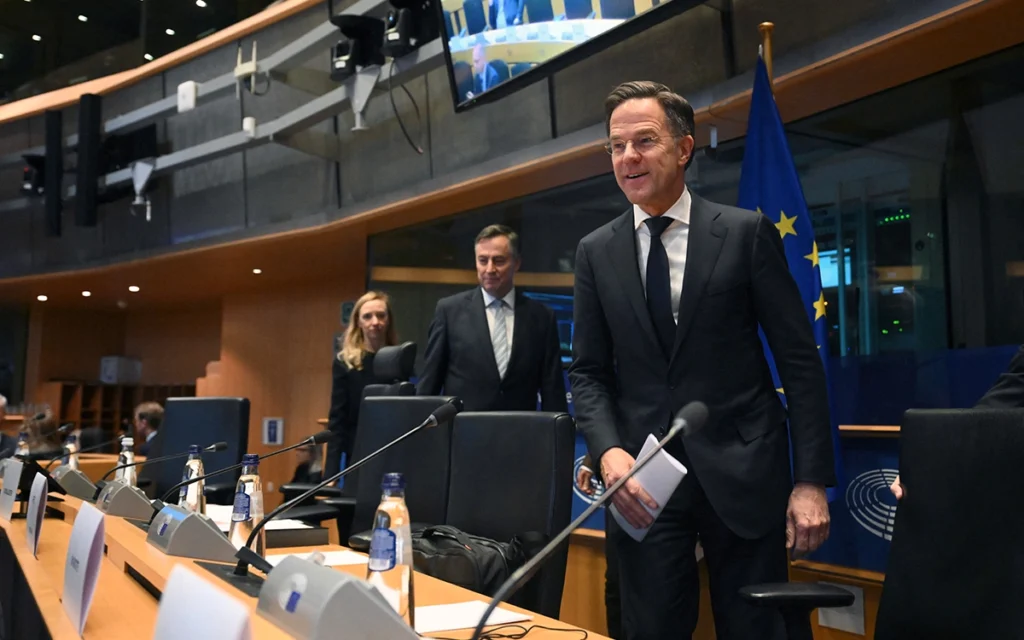
The decisive question in Europe’s next security crisis may not be whether NATO can deter an external adversary, but whether the EU can defend a member state when the crisis itself involves a NATO ally. Amid Russia’s war in Ukraine, the Middle East war, and uncertainty surrounding long-term U.S. commitments, a quiet crisis is deepening.

By

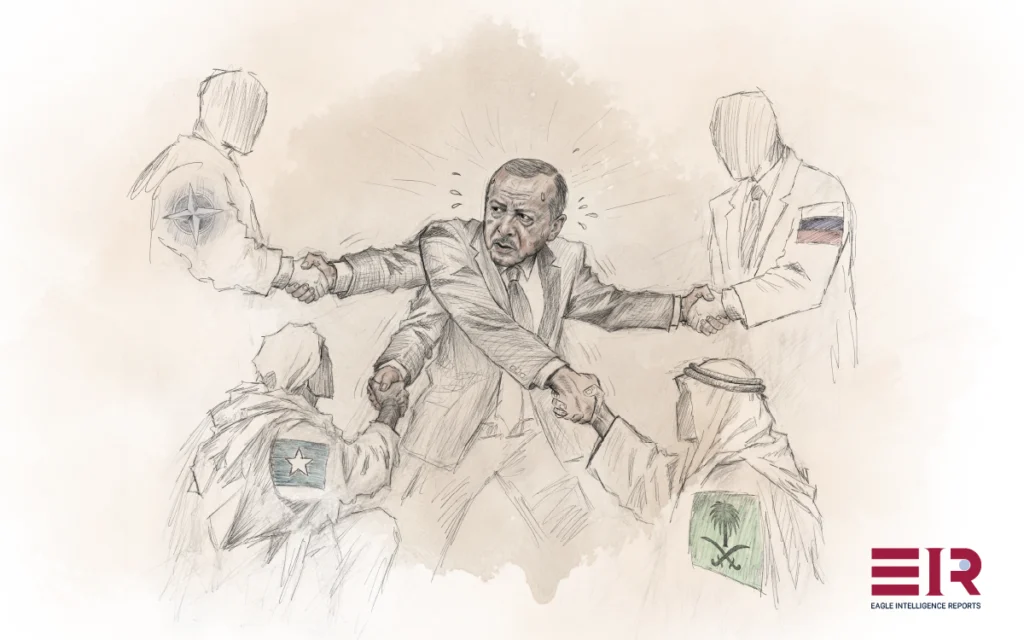
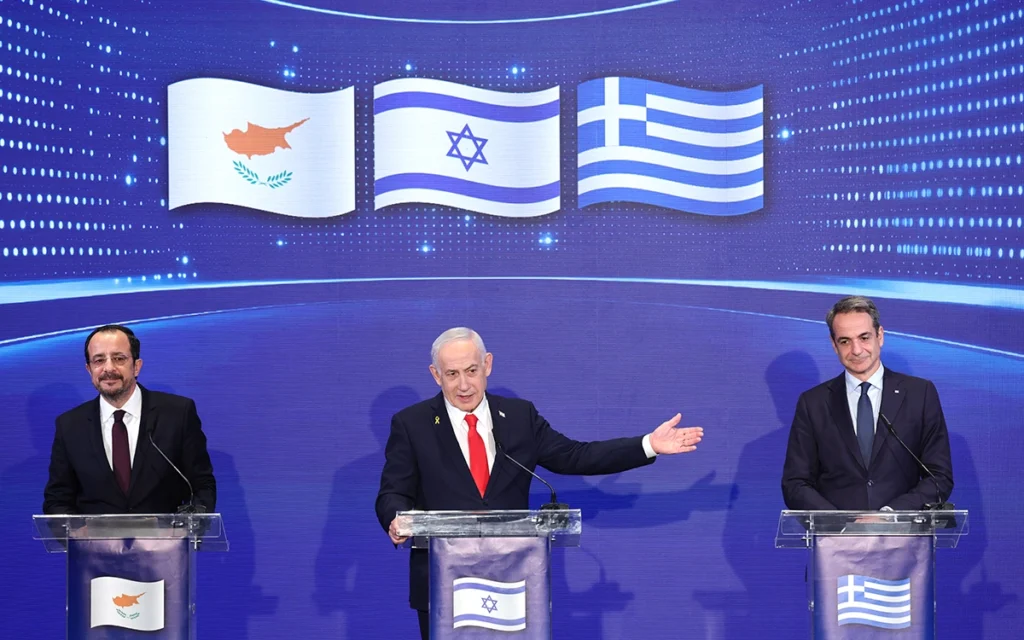
Turkey is not seeking to block Greece–Cyprus–Israel cooperation outright; it is working to ensure that this cooperation does not become the organizing framework defining Eastern Mediterranean power. Its success depends on Ankara’s ability to sustain political and operational contestation that delays trilateral consolidation as much as possible.

By

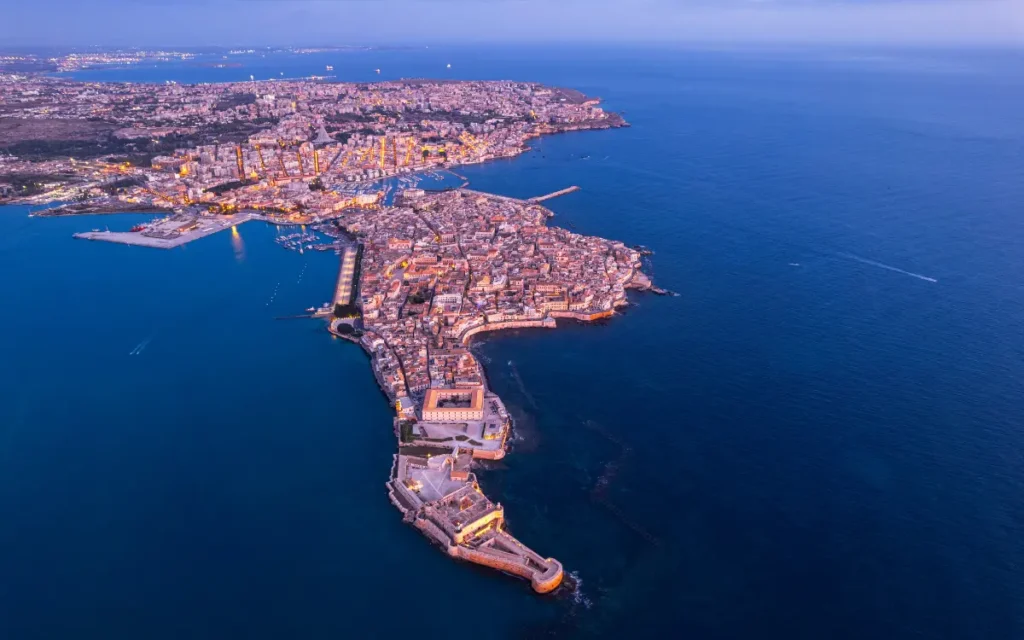
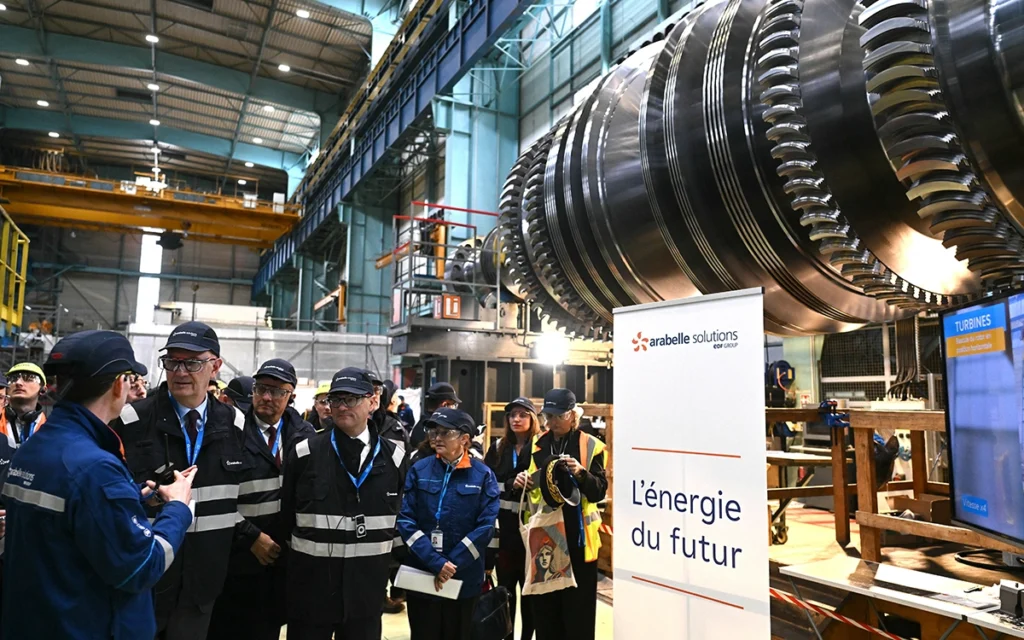
French efforts to extend nuclear deterrence into a broader European architecture introduce additional strategic capability into the Eastern Mediterranean, but they do not stabilize regional security. They redistribute risk across a theater defined by dense military activity, overlapping jurisdictions, and weak escalation controls.

By

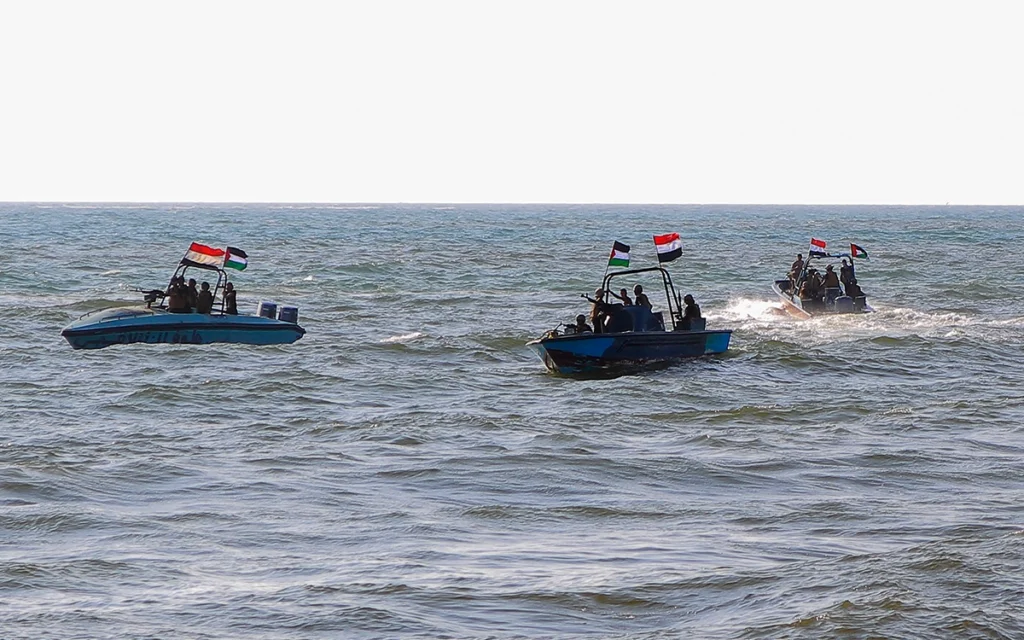
The Red Sea is emerging as a second front in a dual-chokepoint crisis driven by the Iran war. The Hormuz Strait is operating under sustained disruption, placing pressure on a primary corridor of global trade, energy flows. Instability in the Red Sea extends pressure into a second maritime corridor, linking both into one operational system.

By

Regional crises function as strategic signaling events within the global system characterized by intensifying multipolar competition. When major powers become directly involved in regional conflicts, their military actions and escalation decisions generate signals that are closely observed by other states assessing the broader balance of power.

By

Israel’s strike on Iranian territory marks a structural rupture in the Israel–Iran deterrence framework. For over a decade, confrontation was geographically displaced and institutionally buffered through proxy networks, covert operations, and calibrated signaling, preserving escalation ceilings. Direct state-level exposure narrows the margin for controlled retaliation.

By

Assad’s departure has altered Syria’s leadership landscape, but it has not translated into coherent state reconstitution. Political fragmentation has become structurally embedded in the post-Assad political order. Syria is not undergoing a conventional political transition. Rather, it is consolidating into a post-regime, pre-state environment.

By

The ongoing dynamics in Tehran, from sustained domestic social tension and deepening economic crisis to evolving deterrence messaging amid continued diplomatic stagnation, should not be viewed as isolated episodes. Rather, they indicate a convergence of drivers that is reshaping both Iran’s internal resilience as well as its external posture shaped by international pressure.

By

Israel’s recognition of Somaliland constitutes a significant step in its engagement with the Horn of Africa and the broader Red Sea security environment. While the move does not immediately alter the regional balance of power, it formalizes ties with a relatively stable political entity in one of the world’s most strategically sensitive maritime corridors.

By
  • 1
  • 2

SIGN UP FOR FREE TO EAGLE INTELLIGENCE REPORTS

Exclusive Insights & Reports

Get access to in-depth analysis, exclusive intelligence, and expert reports designed to keep you informed and ahead of the curve on the most important global developments.

By signing up, you agree to our Privacy Policy.

Eagle Intelligence Reports
Privacy Overview

This website uses cookies so that we can provide you with the best user experience possible. Cookie information is stored in your browser and performs functions such as recognising you when you return to our website and helping our team to understand which sections of the website you find most interesting and useful.