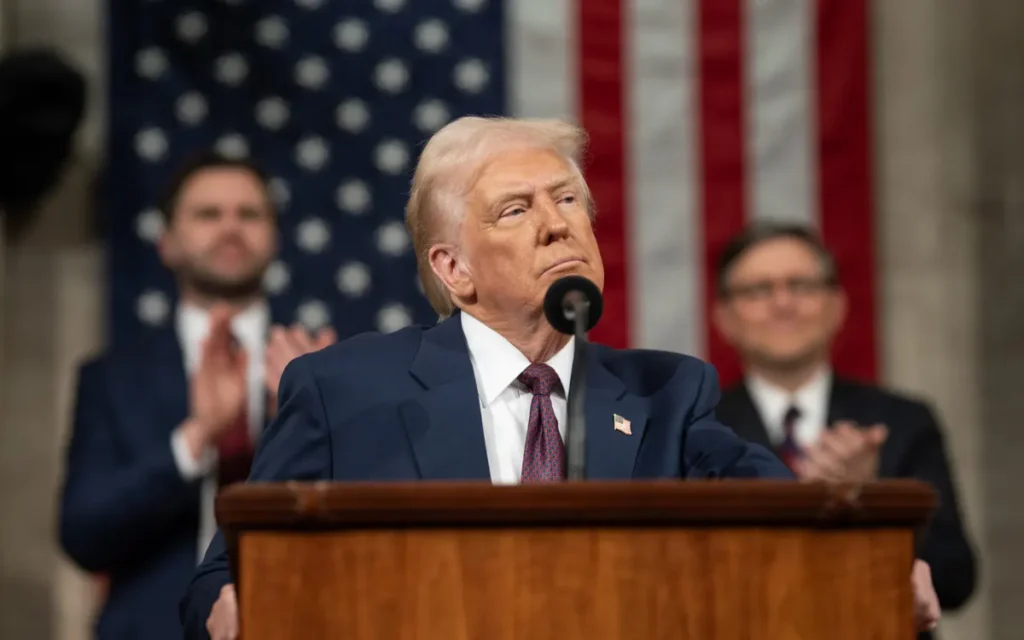

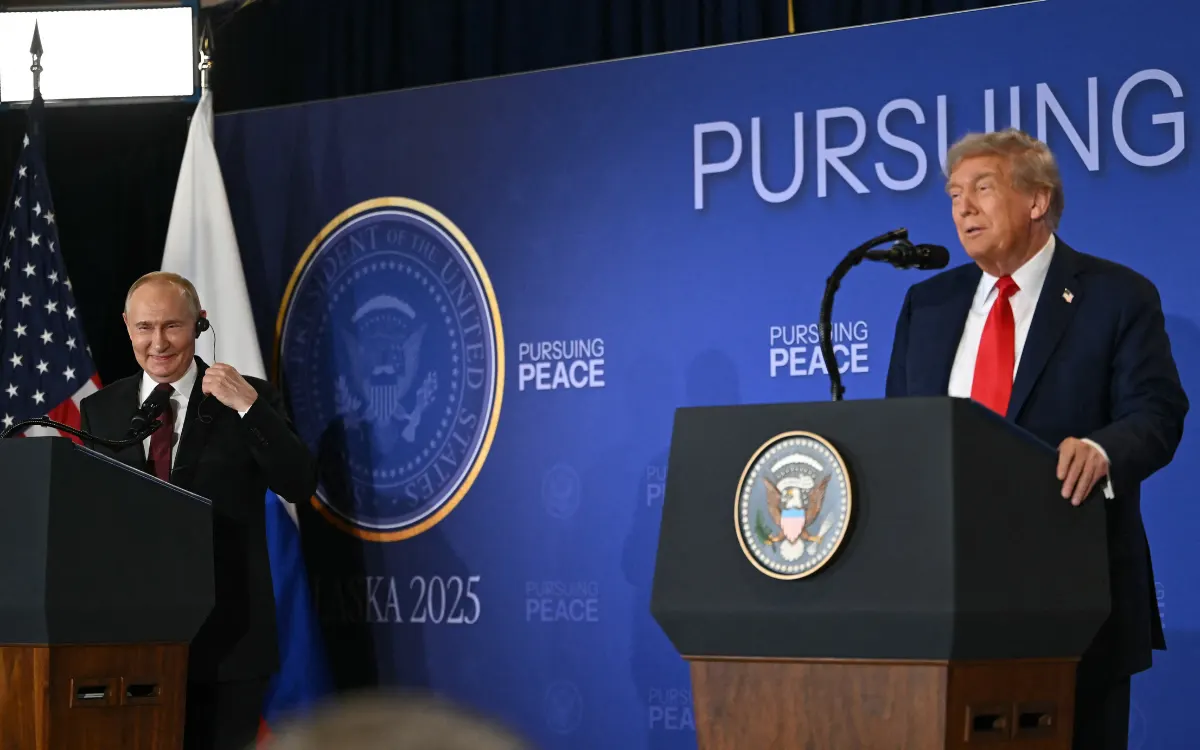
U.S. President Donald Trump announced an immediate Russia–Ukraine energy ceasefire, but continued Russian strikes, Moscow’s silence, and U.S. sanctions relief on Russian diesel are testing the agreement and straining allied cohesion.
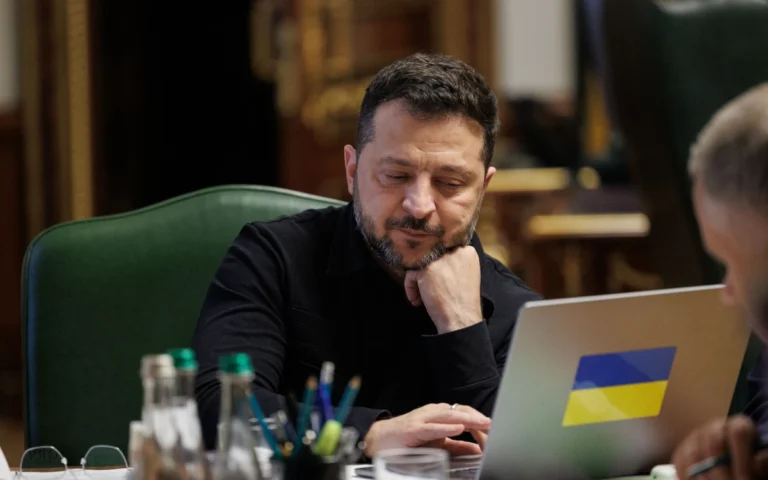
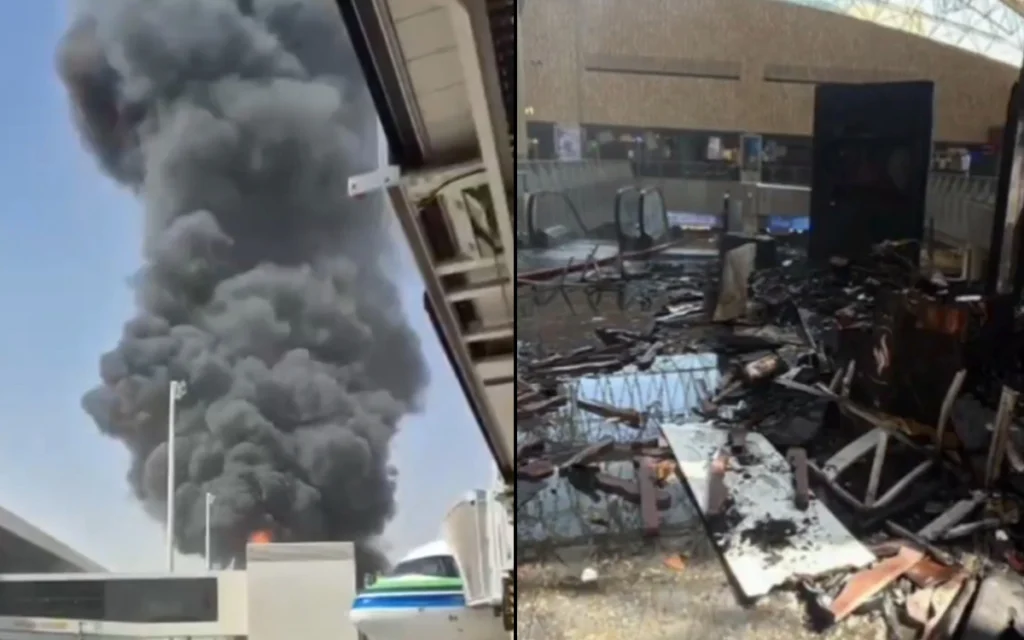
Trump said Sunday that both parties had agreed to halt attacks on energy infrastructure, while Ukrainian President Volodymyr Zelensky backed the ceasefire but said Kyiv was seeking further details. Russia had yet to confirm the agreement publicly, as Zelensky reported strikes on Ukrainian power facilities in Kyiv and Kharkiv and extensive Russian drone activity.
“Effective immediately, there is an ENERGY CEASEFIRE in the War between Russia and Ukraine,” Trump said. “Both parties have agreed. Do not break it!”
EU foreign policy chief Kaja Kallas cautiously welcomed the ceasefire, saying she would do so “when it holds,” while Australia, the UK, France, Canada, and the European Commission backed efforts to halt attacks on energy infrastructure. The announcement came two days after Washington temporarily eased sanctions on Russian diesel through a special license, prompting criticism from Kyiv, European allies, and seven U.S. senators, including four Republicans. Zelensky called the diesel decision “weak,” while Canadian Prime Minister Mark Carney said it contradicted allied efforts to achieve peace and stability in Europe. Tensions between Washington and Kyiv have also increased following Trump’s call for Zelensky to be replaced.
The ceasefire and diesel exemption send potentially conflicting signals: Washington is seeking Russian restraint while simultaneously providing Moscow limited energy sanctions relief. With oil shortages and higher prices from the Iran war creating domestic pressure ahead of U.S. midterm elections, Trump’s Ukraine diplomacy is increasingly intersecting with U.S. energy and electoral considerations. Western backing for the ceasefire therefore does not necessarily indicate broader support for Washington’s approach toward Russia or Ukraine. Moscow’s failure to confirm the agreement, alongside reported attacks on Ukrainian energy infrastructure, makes Russian compliance the immediate test of Trump’s initiative. Failure to secure it could deepen tensions with Kyiv and raise further questions among allies over Washington’s ability to translate negotiations with Moscow into changes on the battlefield. (AFP+EIR)