
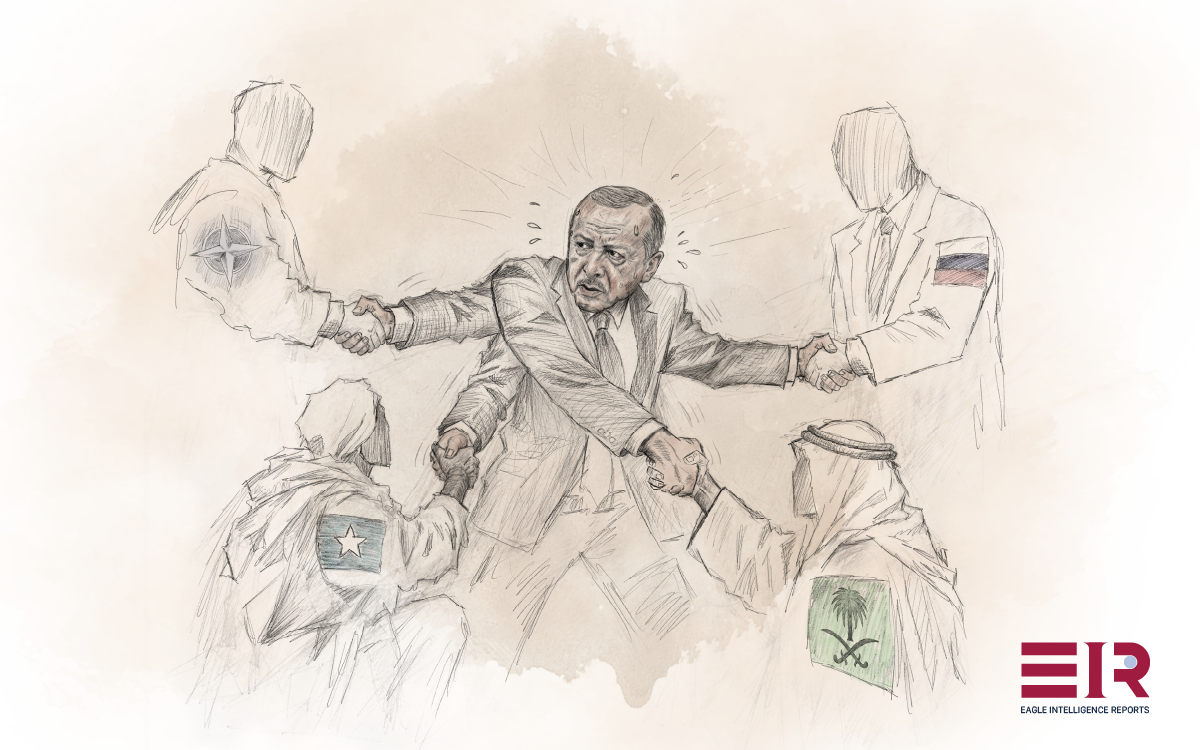
Turkey aspires to be a “Third Pole,” an autonomous center of power that pursues its interests across competing alignments without tying itself exclusively to any one of them. That ambition is pushing its security network well beyond NATO. The new Mecca Pact with Saudi Arabia and Pakistan adds a collective-defense commitment outside the Alliance, and with it more reach and more responsibility. Yet every tie that widens Ankara’s freedom of action also exposes it to regional disputes and to fresh claims on its armed forces.
For more than seven decades, NATO has anchored Turkey’s security and remains the hub of Ankara’s alliances. The country has nevertheless expanded its presence across the Middle East, Africa, and Asia through defense cooperation, overseas deployments, and new arrangements. These partnerships let it pursue its own agenda where it parts ways with Western allies, while keeping the military and industrial benefits of membership. In a crisis involving an outside partner, Turkey may need the very forces the Alliance counts on, and the autonomy it seeks could itself become a constraint.
In a crisis involving an outside partner, Turkey may need the very forces the Alliance counts on, and the autonomy it seeks could itself become a constraint
Strategic Autonomy and the Third Pole
Scholars Zenonas Tziarras and Nikos Moudouros describe Turkey’s quest for a more autonomous role in the international system through the concept of a “Third Pole.” Ankara has maintained extensive economic and energy ties with Russia while remaining in NATO and supporting Ukraine militarily. It has also sought closer engagement with institutions outside the Western alliance system. In early September, President Recep Tayyip Erdoğan said Turkey could consider full membership in the Shanghai Cooperation Organization, where it holds dialogue-partner status. He presented deeper involvement in the organization as compatible with Turkey’s Western alliances.
The country has followed a similar approach in regional crises, maintaining relationships with competing powers while pursuing its own security interests. In Ukraine, the government has kept communication open with Moscow, participated in negotiations over grain exports, and supplied Kyiv with military equipment. In Gaza, Turkish officials have maintained relations with Hamas while seeking a role in crisis diplomacy. In Syria, military involvement has developed alongside negotiations and periodic cooperation with Russia, Iran, and the United States. These cases show the diplomatic flexibility Ankara seeks to preserve. Turkey’s expanding military partnerships add another dimension, creating more durable security ties and, in some cases, formal obligations.
Turkey’s defense industry offers another way to expand its regional influence. Defense and aerospace exports reached $10.9 billion in the 12 months to the end of May 2026, a 47 percent increase over the preceding year. NATO members accounted for 57 percent of those exports. Arms sales increasingly come with military training, technology transfers, maintenance arrangements, and longer-term cooperation, extending Turkish influence beyond individual transactions.
Drones, naval platforms, and other systems produced in Anatolia have entered markets across Europe, the Middle East, Africa, and Asia. Joint production and technology cooperation can deepen these relationships by linking Turkish manufacturers to partner governments’ defense planning and military requirements.
Nevertheless, the country’s military modernization still relies on Western technology for certain advanced platforms and critical components, and NATO members remain important export markets. Leaders in Ankara are therefore developing security partnerships beyond the Alliance through an industry that remains closely connected to Western suppliers and markets. Turkey’s ability to meet external partners’ demands while honoring its obligations as a NATO ally could become an important test of the autonomy it seeks.
Turkey’s military modernization still relies on Western technology for certain advanced platforms and critical components, and NATO members remain important export markets
Security Relationships Beyond NATO
Turkey’s relationships with Azerbaijan and Somalia illustrate two different forms of security cooperation beyond NATO. The Shusha Declaration establishes a framework for military assistance in the Caucasus. Turkey’s presence in Somalia combines military deployments, maritime security responsibilities, and investments in strategic infrastructure. Both extend Ankara’s regional influence, but each could generate different demands on its military resources.
Under the declaration, Ankara and Baku agreed to hold joint consultations if a third state threatens or attacks either country. They would then determine the form and extent of assistance and coordinate their armed forces where necessary. The declaration also covers joint military exercises, personnel training, defense production, and technological cooperation.
These provisions give the Anatolian state an established mechanism for responding to a crisis in the Caucasus. A renewed military confrontation involving Azerbaijan could trigger consultations and requests for Turkish assistance. However, the declaration leaves the scale and form of that assistance for the two governments to determine. Ankara would then need to balance its response against its commitments elsewhere.
Somalia presents a different set of obligations. The Turkish government has operated the TURKSOM military training facility in Mogadishu since 2017. A ten-year defense and economic cooperation agreement signed in February 2024 extended Turkey’s involvement to maritime security. The agreement covers developing Somalia’s naval capabilities and protecting its coastline against piracy, illegal fishing, and external threats.
Turkey further expanded its military presence in 2026. Three Turkish F-16s flew over Mogadishu in April during celebrations marking the anniversary of the Somali armed forces. Ankara has also deployed T129 attack helicopters, AS-532 Cougar transport helicopters, and rotating naval task groups of frigates, corvettes, a landing ship, and a support ship. These deployments add combat aircraft and naval capabilities to Turkey’s established training mission.
Alongside this military presence, the Turkish government has developed energy projects. The seismic research vessel Oruç Reis surveyed Somali waters in 2024 and 2025, and in April 2026 the drillship Çağrı Bey began Turkey’s first deep-sea drilling operation abroad. Ankara is also developing a spaceport on Somalia’s Indian Ocean coast. These projects extend Turkey’s interests beyond military training and defense cooperation into offshore energy and strategic infrastructure.
Somalia’s location near the Gulf of Aden places Turkey’s activities close to the shipping routes connecting the Indian Ocean with the Red Sea and the Suez Canal. Turkey’s naval presence supports its role in Somali maritime security, while offshore energy operations and the planned spaceport give Ankara further stakes along the coastline.
These activities create different potential security demands. An escalation of al-Shabaab attacks against Somali military facilities could threaten Turkish personnel involved in training and other operations. Threats to offshore drilling or Turkish vessels could require additional naval protection. As the spaceport develops, securing its personnel and facilities could create further demands. If several such threats emerged simultaneously, Ankara might need to reinforce its deployments with additional troops, aircraft, or naval assets. Its ability to do so would depend partly on the forces required elsewhere. A wider security presence could thus constrain the freedom of action it was meant to provide.
Ankara’s ability to reinforce its deployments would depend partly on the forces required elsewhere. A wider security presence could thus constrain the freedom of action it was meant to provide
From Partnership to Collective Defense
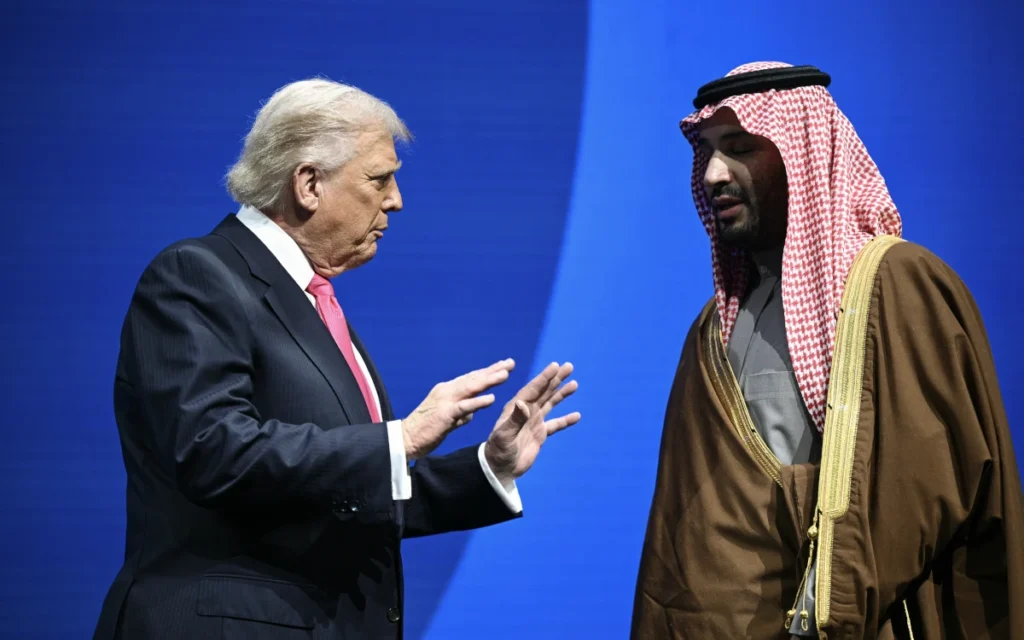
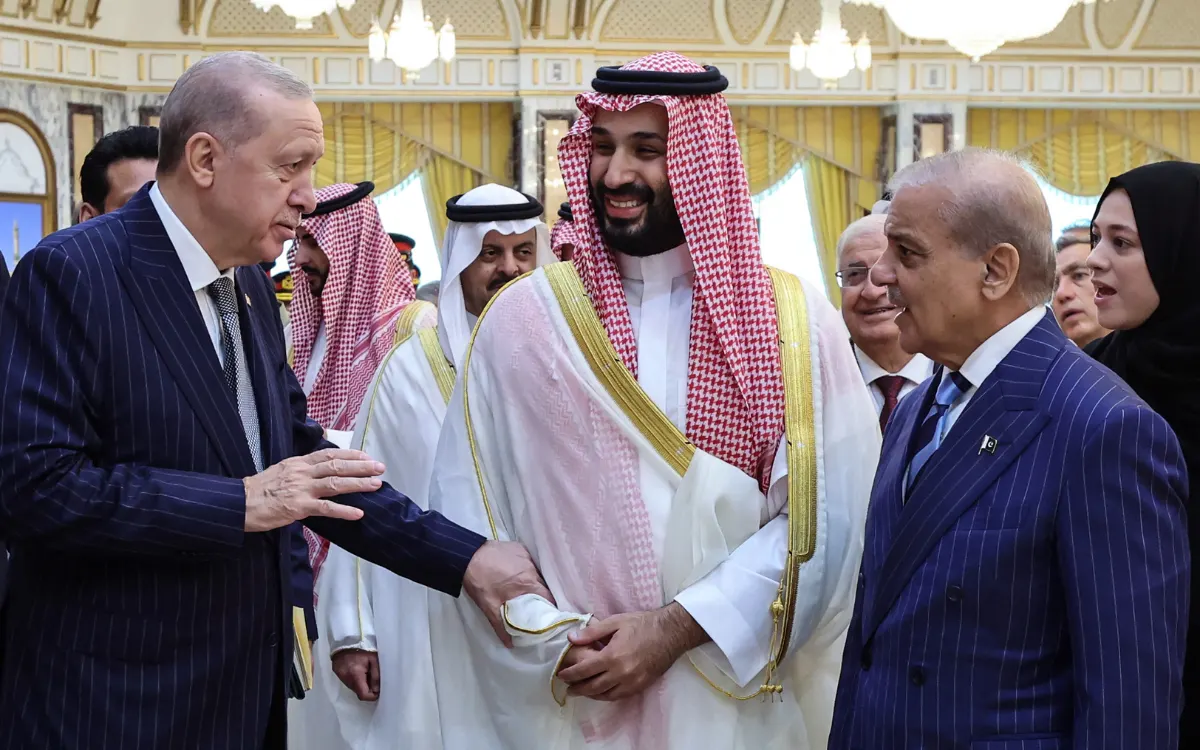
The Mecca Joint Defense Agreement, signed with Saudi Arabia and Pakistan on August 7, 2026, extends Turkey’s security network beyond bilateral partnerships into a formal collective-defense framework. On August 31, the three countries’ foreign and defense ministers and military chiefs met in Istanbul for the first session of the Strategic Political and Defense Committee. They agreed to set up a secretariat in Riyadh, strengthen collective deterrence and defense, and expand cooperation in defense technology and joint production.
For Ankara, the agreement offers another way to pursue its ambition to become a more autonomous center of power. Through a collective-defense arrangement outside NATO, Turkey gains another channel of influence in the Gulf, the Red Sea, and South Asia, where its partners face different security challenges. The agreement also creates a deeper framework for military and industrial cooperation. Unlike commercial partnerships or less formal military arrangements, however, the pact treats an armed attack on any member as an attack on all three. That commitment could require Ankara to consider requests for assistance during a regional crisis.
Developments in Saudi Arabia have already brought these expectations into focus. Following intensified Houthi missile and drone attacks on the kingdom in September, Pakistan’s foreign ministry initially said no military response under the agreement was being discussed. On September 19, Turkish Foreign Minister Hakan Fidan said Ankara was ready to help meet Saudi military needs, particularly in technical areas. He stressed that the pact was meant to coexist with Turkey’s established alliances.
These statements indicate a willingness to assist, but the agreement’s practical military implications remain untested. Neither the Turkish nor the Pakistani parliament has yet ratified the pact. The three countries have established mechanisms for cooperation, yet the extent of their obligations in a larger conflict and the resources each would commit remain uncertain.
A prolonged crisis in the Gulf could prompt requests for Turkish air-defense systems, intelligence support, naval assets, or other military capabilities. That would force Ankara to weigh its partners’ needs against its existing deployments and NATO responsibilities.
A prolonged crisis in the Gulf could prompt requests for Turkish air-defense systems, intelligence support, naval assets, or other military capabilities. That would force Ankara to weigh its partners’ needs against its existing deployments and NATO responsibilities
Strategic Autonomy and NATO’s Changing Security Dynamics
For NATO, the immediate effect is an expansion of Ankara’s security relationships outside the Alliance, with competition for military resources remaining a potential consequence. If several regional crises developed simultaneously, Turkish aircraft, naval vessels, or air-defense systems committed to one operation might be unavailable for another. NATO planners may consequently need to account for commitments Ankara makes through arrangements over which the Alliance has no institutional authority.
Political differences may also become more difficult to manage. Turkey’s negotiations over Sweden’s accession showed how Ankara could link an Alliance decision to national priorities, including counterterrorism cooperation and defense trade. As its external security relationships expand, disputes involving those partners may introduce additional interests into future NATO deliberations.
For Washington and other allies, Turkey’s alternative security relationships may reduce the effectiveness of pressure exercised through NATO alone. Military cooperation with Azerbaijan, access in Somalia, and defense partnerships across the Middle East give Ankara other channels to pursue its interests. The extent to which these relationships alter allied influence depends on the issue involved.
The Mecca Pact complicates matters further because it establishes a collective-defense commitment that other NATO members do not share. A conflict involving Saudi Arabia or Pakistan would not itself trigger Article 5, but Ankara may face demands for support under its separate agreement. Turkey’s involvement could still affect Alliance discussions or military planning.
The Mecca Pact complicates matters further because it establishes a collective-defense commitment that other NATO members do not share
Alongside questions about military resources and political coordination, Ankara’s external partnerships could raise concerns about protecting allied technology and information. Turkey’s purchase of Russia’s S-400 system set a precedent. Washington judged the system incompatible with the F-35 program and removed Turkey from it in 2019 over risks to U.S. military technology. The circumstances of the Mecca agreement are different, and no public evidence shows that Turkey has shared NATO information with its partners. As cooperation deepens, however, allies may seek clarity on what intelligence and technology Ankara can share through its external arrangements.
The Limits of Strategic Autonomy
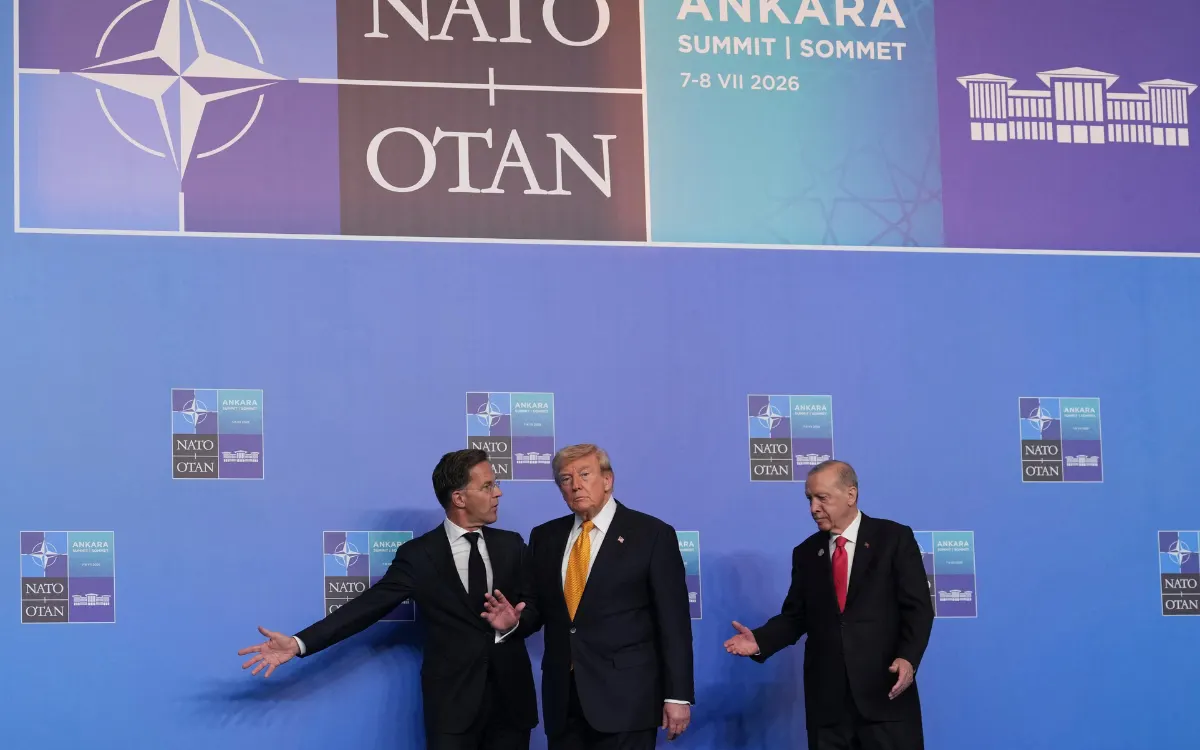
These concerns coexist with substantial military and industrial cooperation between Turkey and its allies. At the NATO Summit Defense Industry Forum in Ankara in July, Turkey joined multinational projects covering interoperable 155mm ammunition and ground-based precision-strike capabilities. Allied markets, technology, and joint projects remain important to its defense sector.
Until now, Ankara has widened its options beyond the Alliance without paying a visible price inside it. That balance would face its hardest test if an emergency in the Gulf, the Caucasus, or Somalia coincided with one on NATO’s agenda. Turkey would then have to decide how much help to offer, which capabilities to spare, and how to handle allies bound by none of its new obligations.
Until now, Ankara has widened its options beyond the Alliance without paying a visible price inside it
Ankara may also be setting a pattern for other NATO members: keep the Alliance’s guarantee and add separate defense pacts on the side. If more follow, those pacts would draw on the same troops, ships, and aircraft that Brussels counts on. Reaching agreement among allies would also get harder, with governments bringing their outside partners’ interests to the table. Collective defense would remain NATO’s core promise, but fewer members may commit to it fully.