
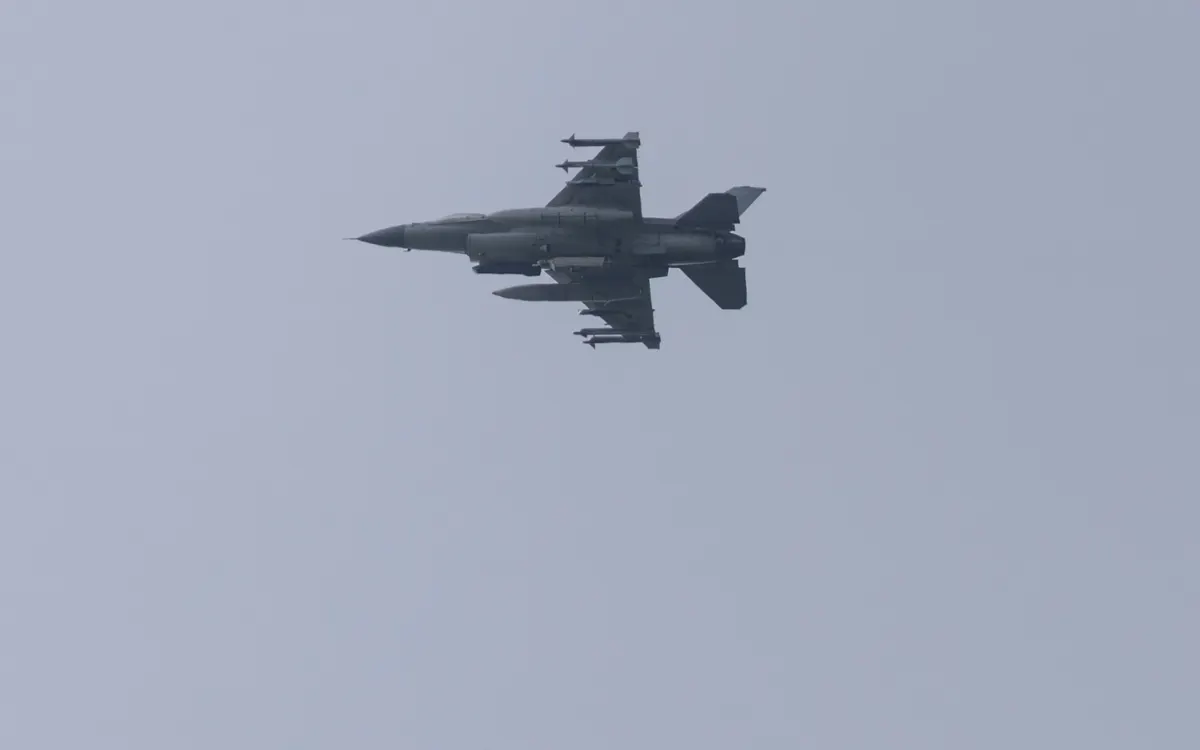
Ukraine has pushed back against reports of a serious readiness problem affecting its F-16 fleet, arguing that maintenance is improving even as the aircraft are being heavily used to defend against Russian aerial attacks.
Reports that maintenance delays and parts shortages had left more than half of Ukraine’s F-16s grounded and could affect the entire fleet by year-end were published this week by American media. Kyiv disputes that assessment but acknowledges that sustaining the older fighter variant is difficult, particularly because some components are no longer manufactured. Ukrainian officials say aircraft undergoing overhaul with foreign partners are now returning to service more quickly, while Belgium is expected to provide three additional F-16s before the end of the year.
“Recent reports alleging catastrophically low aircraft availability rates and excessively long maintenance turnaround times are simply false,” foreign ministry spokesman Georgiy Tykhy said. He nevertheless acknowledged that the jets are operating “intensively and under demanding conditions” and that maintenance remains challenging.
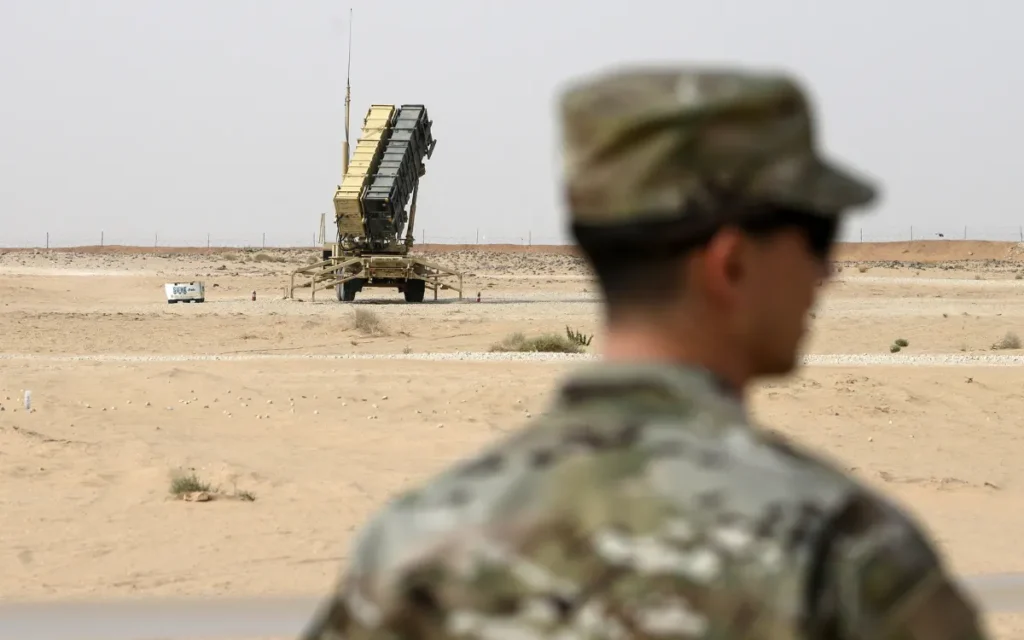
The debate over readiness comes as Ukraine increasingly relies on F-16s to intercept Russian aerial threats, including fast-moving jet-powered drones that are harder to shoot down. Sabena Engineering, the Belgian company servicing Ukrainian F-16s, also rejected reports of significant maintenance delays and said it was working with government and industry partners to maximize the number of operational aircraft. Kyiv is simultaneously seeking more U.S.-made Patriot interceptors as Russia continues drone and missile attacks across the country.
The dispute highlights a broader challenge for Ukraine as the war places sustained pressure not only on weapons supplies but also on the infrastructure needed to keep Western systems operational. Additional aircraft can expand Kyiv’s capabilities, but the effectiveness of its F-16 fleet will increasingly depend on access to spare parts, maintenance capacity, and the speed of repairs. Those pressures could become particularly important during winter, when Kyiv expects its air-defense capabilities to be needed most. (AFP+EIR)