
Estonia’s accusation that Russian security services ordered an arson attack on a Tallinn defense company intensified tensions between NATO and Moscow on Tuesday.
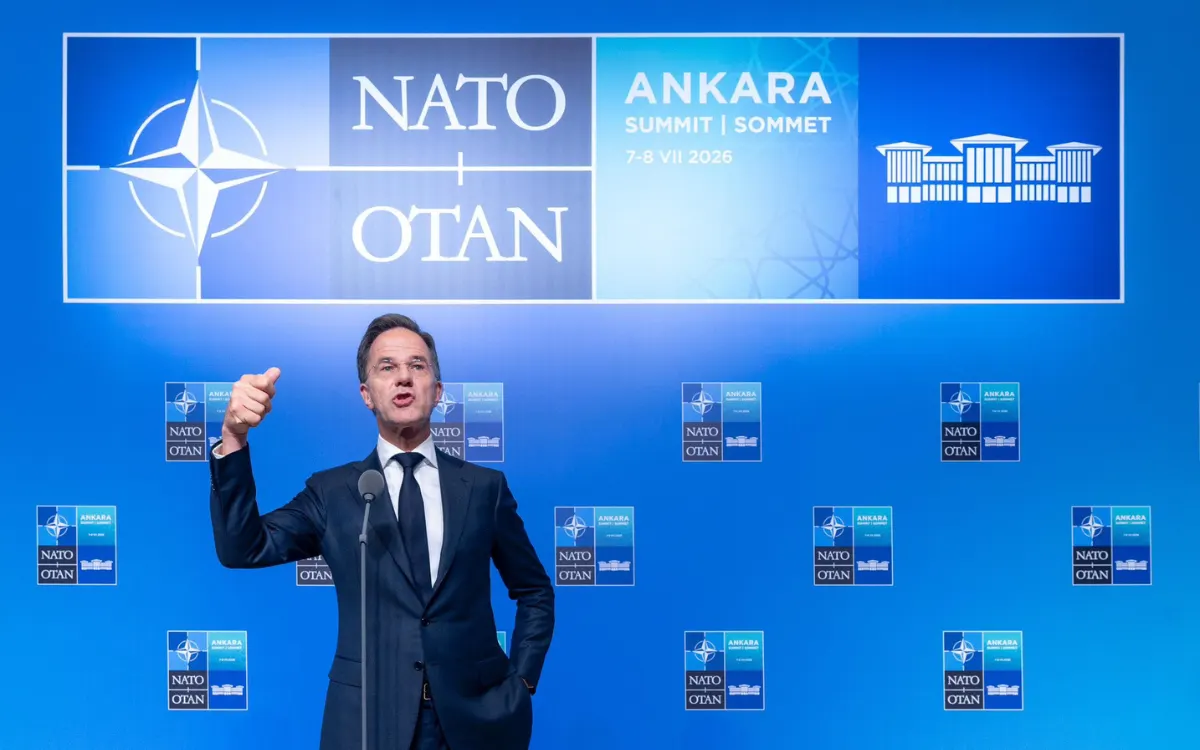
The Kremlin rejected the allegation as “baseless,” while NATO Secretary-General Mark Rutte accused Russia of waging a sabotage and interference campaign aimed at weakening Western support for Ukraine.
“Russia continues its reckless campaign of hostile actions against NATO allies. It is trying to weaken our resolve and stop our support for Ukraine. But Russia is failing. It is failing on the battlefield in Ukraine, and it is failing to undermine our unity and support for Ukraine,” Rutte said.
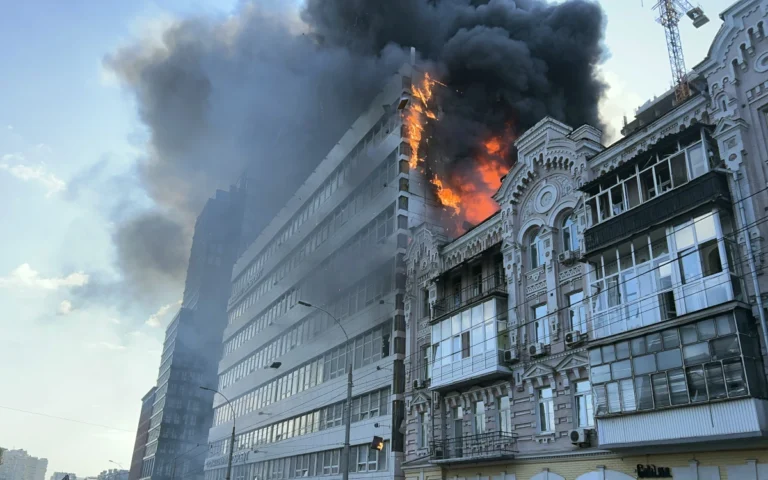
Rutte’s statements came as Estonian Foreign Minister Margus Tsahkna accused Russia of “sabotage” after an arson attack on the premises of defense company Milrem Robotics in August. Estonian authorities said they had concluded “with certainty” that the attack was an act of sabotage ordered by Russian special services. The criminal investigation remains ongoing. Milrem develops military robotic and autonomous systems, including unmanned ground vehicles used in Ukraine.
Based on the information collected by the Estonian Internal Security Service @kaitsepolitsei we can conclude with certainty that the arson attack on Milrem Robotics premises that took place on the night of 14–15 august in Tallinn was an act of sabotage ordered by the special…
— Margus Tsahkna (@Tsahkna) September 29, 2026
The accusation raises the incident from a criminal arson case to an alleged Russian covert operation against Estonia’s defense sector, adding to Baltic concerns over hybrid threats linked to the Russia–Ukraine war. It also illustrates the challenge NATO faces from hostile activity designed to remain below the threshold of conventional military confrontation. The attack fits a broader pattern of incidents that European governments have attributed to Russia, including attempted drone attacks, arson, cyber operations, and sabotage targeting infrastructure linked to NATO and support for Ukraine.
For the alliance, the strategic question is increasingly how to deter alleged sabotage and interference without allowing individual incidents to trigger uncontrolled escalation with Moscow. Stronger intelligence sharing, protection of defense infrastructure, and coordinated attribution could make such operations more costly and difficult while keeping NATO’s response below the level of direct military confrontation. Rutte’s emphasis on Ukraine also signals that the alliance wants alleged Russian hybrid activity to reinforce rather than weaken Western cohesion. The broader test is whether NATO begins treating Russian sabotage against individual allies as a collective security challenge rather than a series of national law-enforcement cases. (AFP+EIR)