
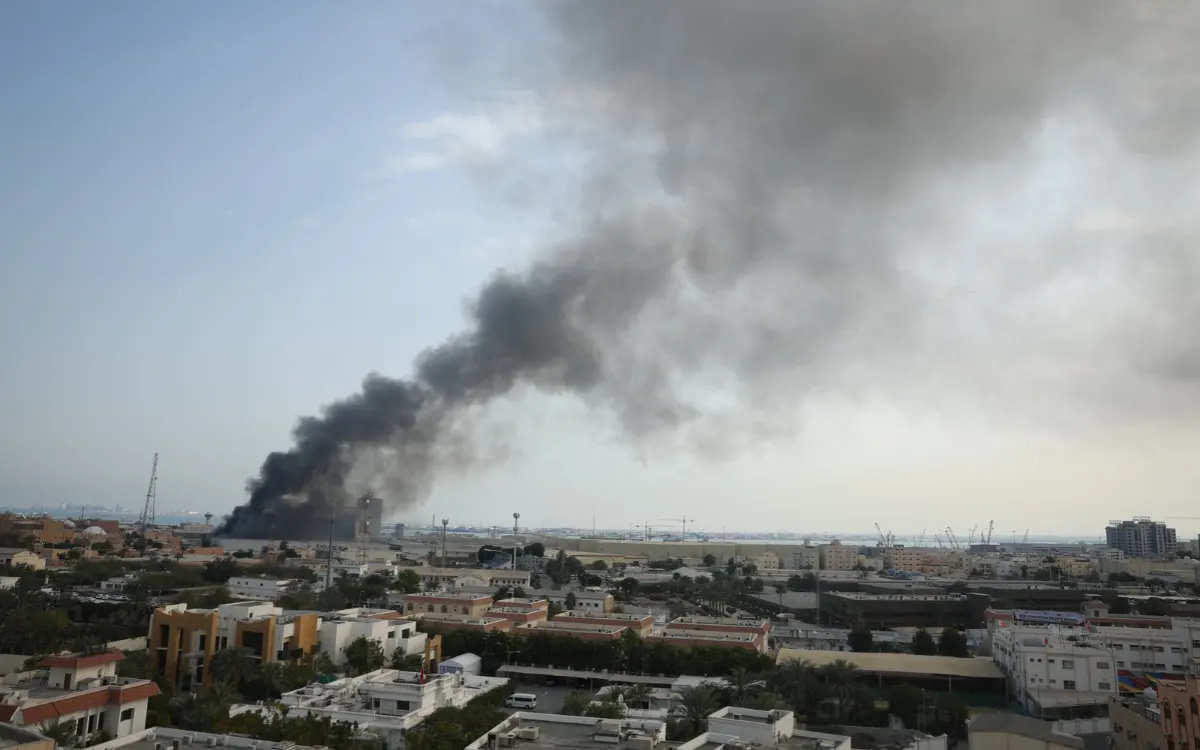
Iran’s Revolutionary Guards claimed Friday to have struck a U.S. military radar installation in Bahrain, raising the prospect of renewed regional escalation as President Donald Trump said Gulf allies had urged him to postpone further attacks on Tehran. The developments expose growing tensions between Washington’s military pressure campaign and Gulf governments’ efforts to avoid another major confrontation.
Iranian state media reported that the Guards targeted an early-warning radar in retaliation for an alleged airstrike on a telecommunications facility in Sirik, southern Iran, although neither Washington nor Manama had confirmed the attack. Separately, Iranian authorities reported another vessel striking a mine in the Strait of Hormuz on Friday, following Houthi media reports Thursday that two oil tankers had caught fire after entering restricted waters despite warnings.
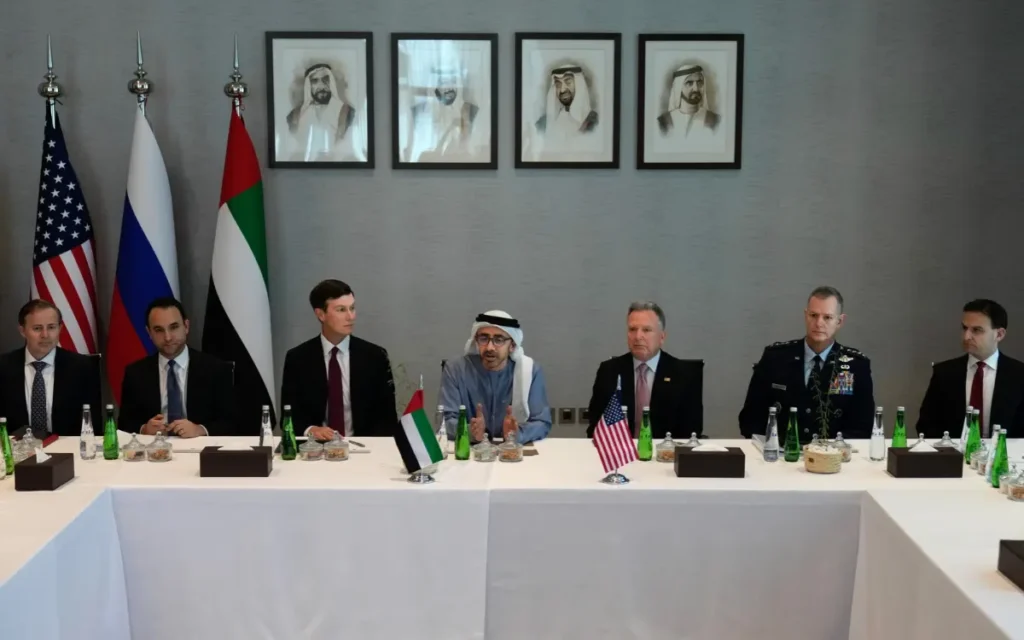
“Saudi Arabia has asked me to please just let it be the way it is now for a while,” Trump said on Thursday, identifying Qatar, Kuwait, the United Arab Emirates, and Bahrain as favoring restraint. Asked whether he would have authorized further strikes without their requests, Trump replied, “Yes, I would,” while maintaining that Washington retained the capability to intensify military operations.
The confrontation follows the U.S.–Israeli strikes on Iran on February 28, which triggered an extended conflict involving attacks on American military facilities, Gulf infrastructure, and commercial shipping. Bahrain hosts the U.S. Navy’s Fifth Fleet, making the alleged radar strike particularly sensitive for regional security. Tehran has restricted maritime traffic through Hormuz, while Washington has maintained a naval blockade of Iranian ports and intensified economic pressure. Gulf governments have faced threats to energy infrastructure and shipping routes, strengthening incentives to pursue de-escalation despite their security partnerships with Washington. Recent Houthi attacks on Saudi infrastructure have further complicated the regional security environment, while diplomatic efforts involving Qatar have yet to produce a durable settlement.
Further attacks on U.S. military facilities or commercial shipping could weaken Gulf states’ efforts to prevent another round of American retaliation, narrowing the space for diplomatic engagement. The trajectory of the confrontation will depend on whether the reported strike in Bahrain is independently confirmed, whether maritime disruptions in Hormuz intensify, and how far Saudi Arabia and Qatar can influence Washington’s military calculations while maintaining their own regional security interests. (Agencies+EIR)