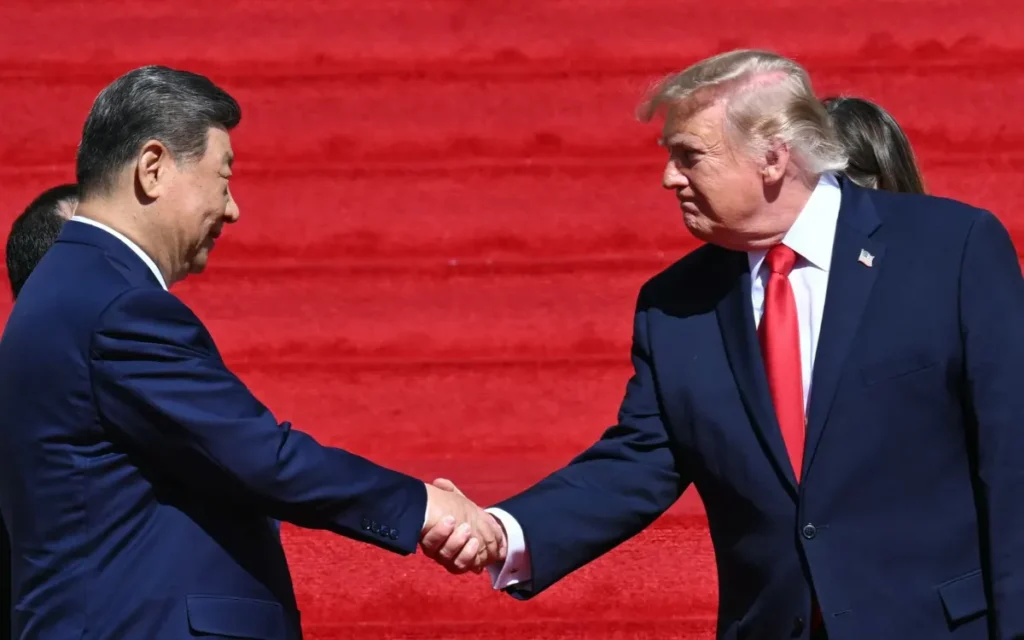

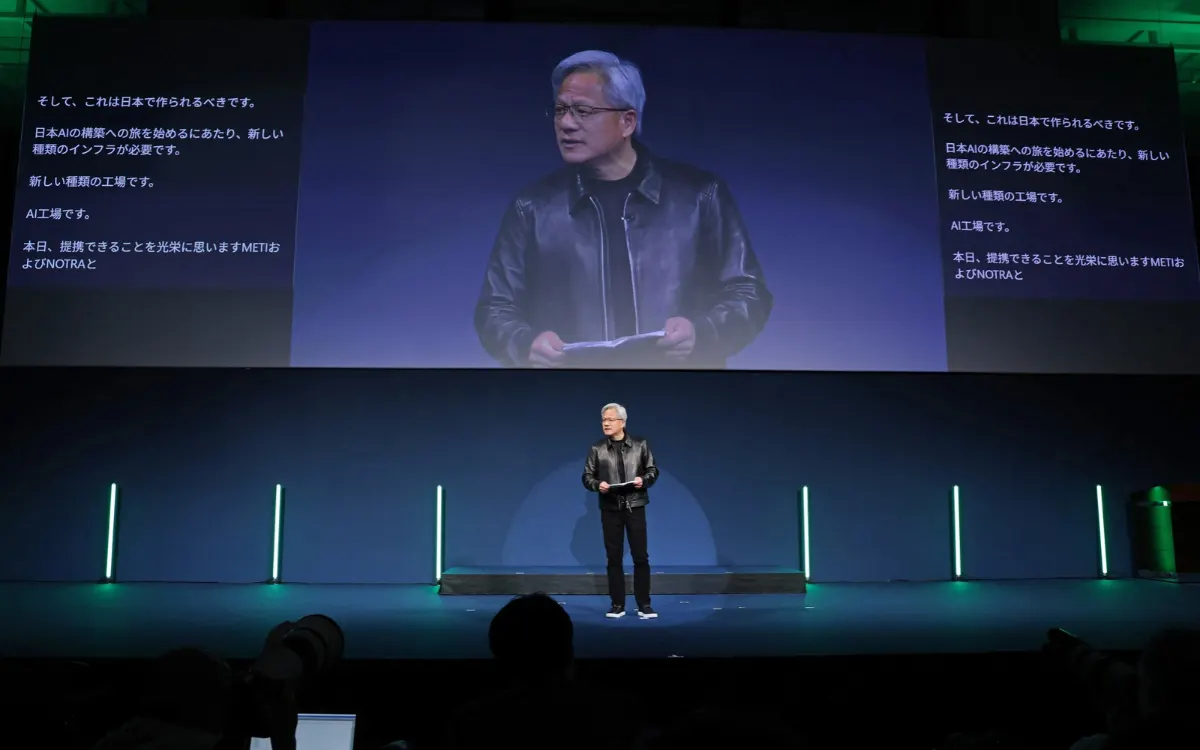
China accused the United States on Thursday of using espionage allegations involving Nvidia chief executive Jensen Huang to justify a technological “blockade” against Beijing. The dispute has added a new intelligence and corporate governance dimension to U.S.–China tensions ahead of next week’s meeting between Presidents Donald Trump and Xi Jinping.
The accusation follows reports that U.S. intelligence officials suspected Alice Huang, a former executive at Singapore-based data center company Megaspeed, of involvement in a Chinese intelligence effort targeting the Nvidia founder during a personal relationship. The allegations have not been publicly substantiated, and Nvidia’s board has launched an independent investigation. U.S. media reported Wednesday that directors were also considering Huang’s future following separate allegations concerning another relationship.
“China’s technological progress is driven by independent innovation and open cooperation,” Chinese Foreign Ministry spokeswoman Mao Ning said Thursday. “The U.S. side should stop fabricating such ‘spy’ narratives as a pretext for imposing a technological blockade,” she added.
Jensen Huang acknowledged an extramarital affair in a message to Nvidia employees Sunday, but the espionage allegations remain unproven publicly, and Beijing has dismissed them as groundless. According to French media, Taiwan’s authorities are investigating Alice Huang’s visits to the island, where she entered eight times during 2024 and 2025 using a Hong Kong passport. Taiwanese officials said she had not been flagged as a security concern at the time, while the island has since revoked her entry permit. Megaspeed has also faced scrutiny over suspected transfers of restricted AI chips to China. Huang has long advocated easing restrictions on Nvidia’s sales to the Chinese market, a position increasingly contested by U.S. lawmakers concerned about national security.
The controversy could strengthen calls in Washington for tighter scrutiny of Nvidia’s leadership and its commercial relationships with China, potentially complicating technology discussions at the November 18–19 APEC summit in Shenzhen. The immediate tests will be the outcome of Nvidia’s board investigation and whether the allegations translate into changes in U.S. semiconductor policy. (AFP+EIR)