A wave of hoax bomb threats targeting schools, flights, and media organizations across Europe has prompted evacuations and heightened security concerns, with Italian schools receiving fresh threats Thursday. French President Emmanuel Macron cautioned against attributing the incidents to foreign interference as authorities investigate their origins.
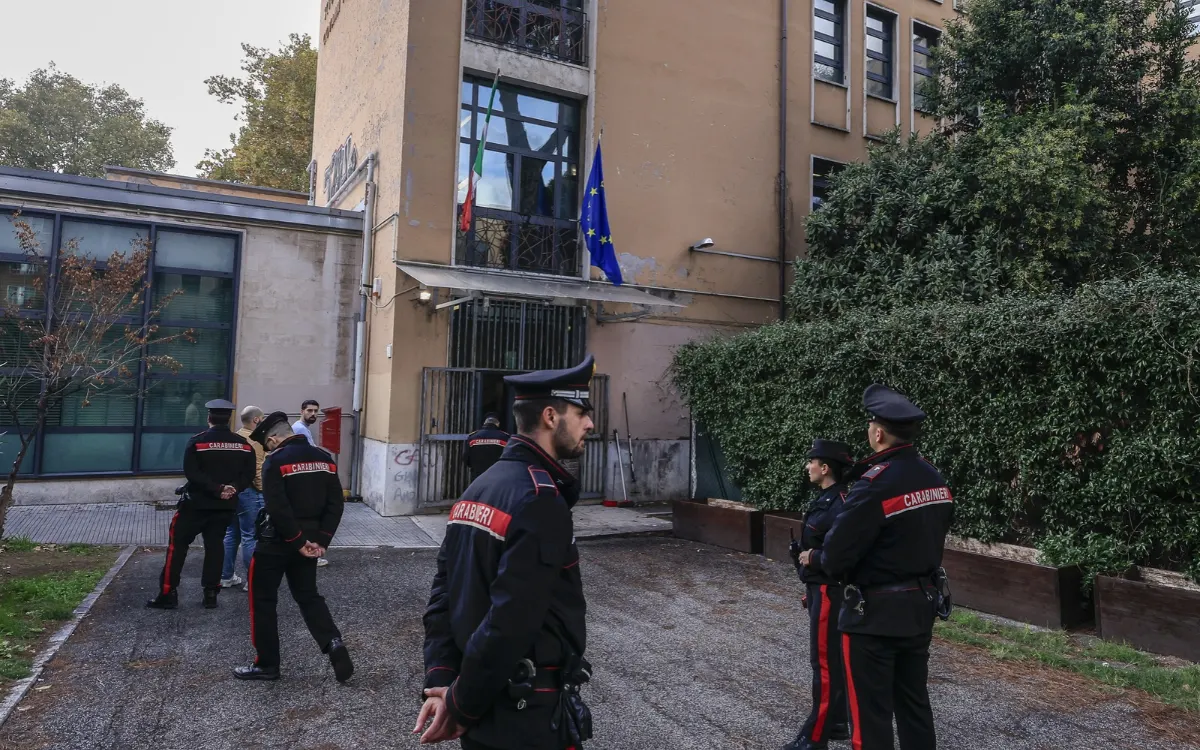
Several Italian schools were evacuated for a second consecutive day after receiving threatening emails, despite government advice that evacuations were unnecessary without evidence of an actual danger. Thousands of Italian schools were targeted Wednesday, while more than 300 schools in Northern Ireland and numerous institutions in Scotland and the Republic of Ireland received similar messages.
“As I speak, we do not have sufficient elements to be able to make an attribution,” Macron told reporters at a European leaders’ gathering in Dublin on Thursday. “We cannot say if foreign powers are behind these calls,” he added, while Italian Prime Minister Giorgia Meloni said the threats were intended to “instill fear.”
Wednesday’s threats in Italy reportedly originated from a Taiwanese email account, while Thursday’s messages were linked to an account in the Philippines, according to Italian media. Northern Irish police said their threatening emails originated outside the United Kingdom, but authorities across the affected countries have described the messages as hoaxes or not credible. Similar threats targeted British and Irish media organizations last week, alongside dozens of European flights. Some messages referenced a Russian misogynist group, although French media has not established any connection between the group and the threats. The incidents coincide with Ireland’s largest-ever security operation for a gathering of European leaders in Dublin.
The widespread disruption raises questions about Europe’s preparedness for coordinated intimidation campaigns, particularly amid concerns over hybrid warfare. However, the origin, coordination, and possible motives behind the threats remain unconfirmed, making the findings of ongoing investigations crucial to determining whether the incidents represent a broader security threat or unrelated hoaxes. (AFP+EIR)