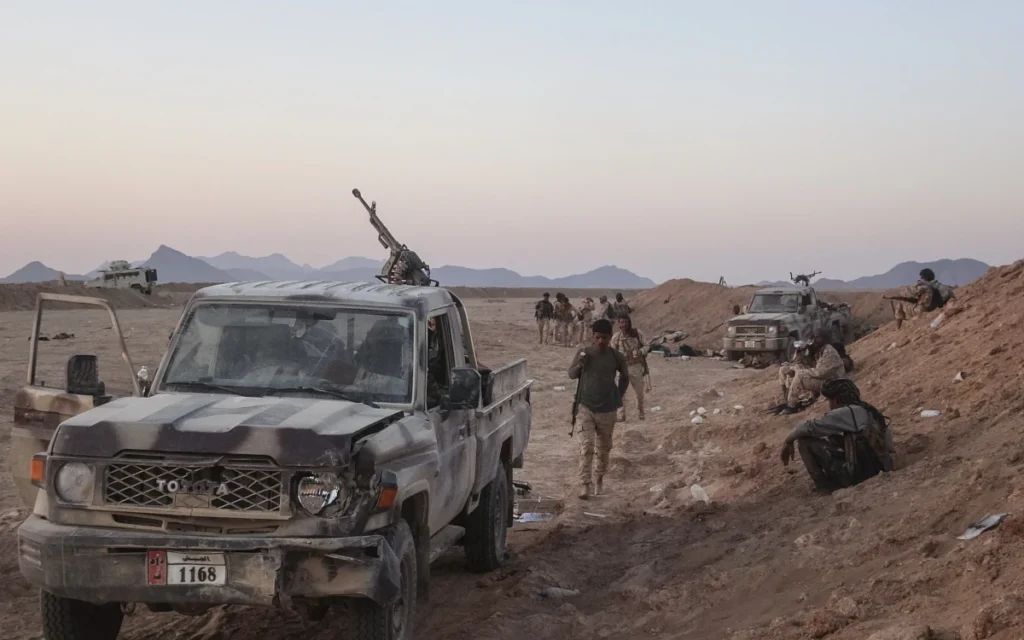

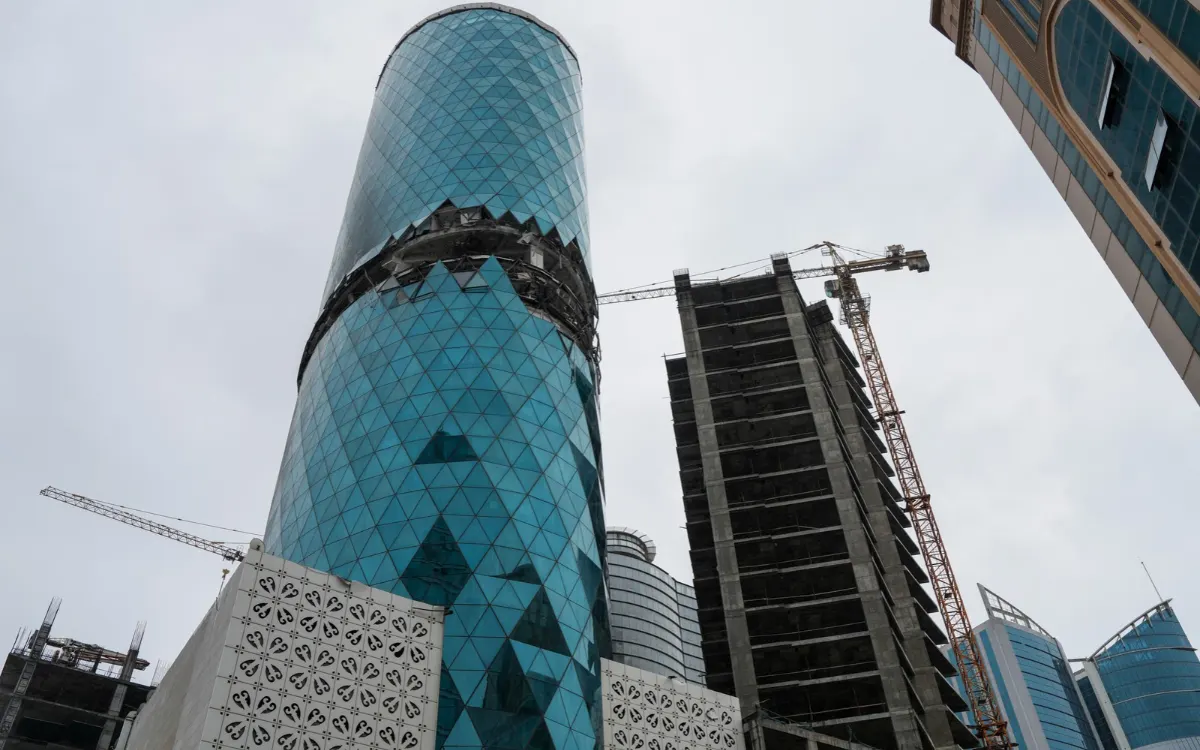
The U.S.–Iran war has caused more than $200 billion in physical damage across Gulf countries, with cumulative economic losses projected to reach $790 billion by 2030, according to a report released Wednesday by insurer Allianz Trade. The findings highlight the scale of infrastructure destruction and the longer-term pressure on regional investment, economic growth, and financial stability.
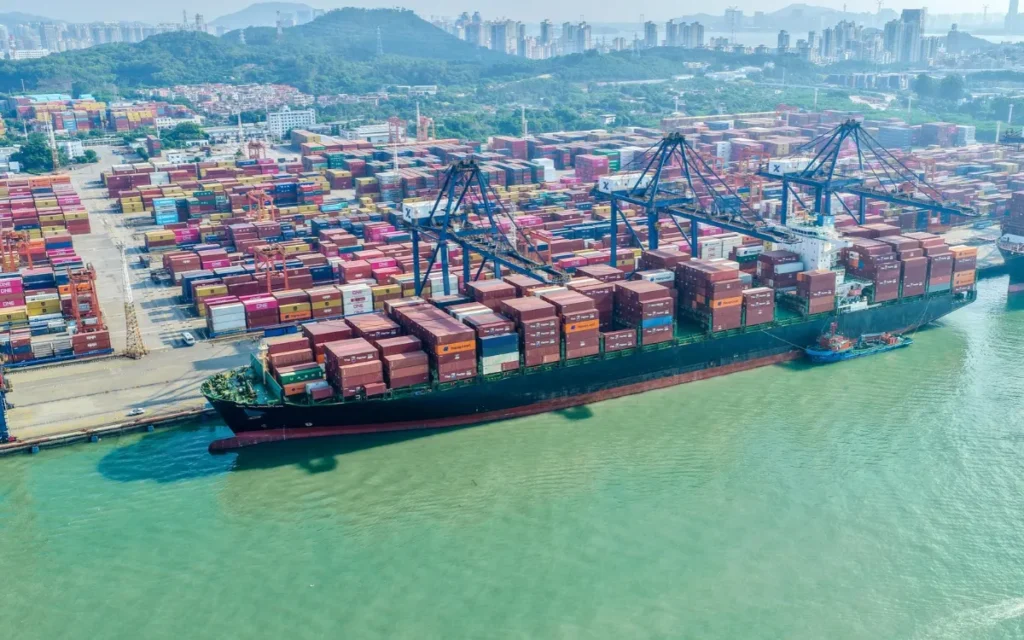
Gulf states have faced Iranian retaliatory strikes since the United States and Israel launched attacks on Iran on February 28, with airports, seaports, energy facilities, and other civilian infrastructure targeted alongside restrictions on shipping through the Strait of Hormuz. More than 80 energy facilities were hit, primarily in Kuwait, Qatar, and Bahrain, with approximately one-third severely damaged, according to the report.
“Physical damage across the region is assessed just above $200bn, mostly concentrated in Hormuz-locked economies, especially in energy infrastructure,” Allianz Trade said. The report projected that “the total cost of the war for the GCC is set to reach $790bn, a cumulative gap of 5.9 percent of GDP relative to the pre-war trend through 2030.”
The projected $790 billion represents lost economic output between 2026 and 2030 compared with prewar forecasts, rather than additional physical destruction. Beyond damaged energy infrastructure, tourism and real estate are expected to experience slower growth, while disrupted maritime access adds pressure to regional trade and shipping operations. Gulf governments are expected to redirect sovereign wealth fund capital toward domestic resilience and security projects, including approximately $120 billion in additional domestic investment at the expense of international investments. The report also forecasts $380 billion to $400 billion in domestic infrastructure and defense spending through 2030, creating an estimated $160 billion in opportunities for private and foreign investors.
The projections underscore a shift in Gulf economic priorities from international expansion and megaprojects toward infrastructure recovery and security. The pace of reconstruction, restoration of shipping access, and redirection of investment will be critical indicators of the region’s longer-term economic stability. (AFP+EIR)