
The United States is expanding its campaign to restrict Iran’s supply routes with a new military task force targeting land borders and the Caspian Sea, even as European allies seek to prevent renewed fighting between Washington and Tehran.
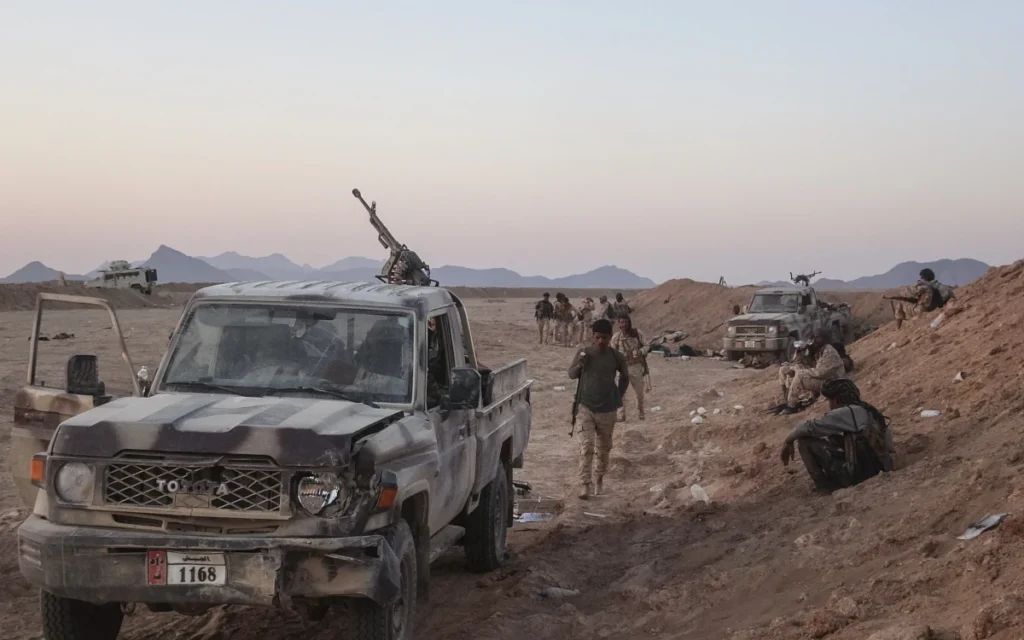
U.S. Central Command announced the establishment of Task Force Iron Gate, a 20-member civilian and military team based in Florida that will coordinate efforts to disrupt shipments of advanced weapons, dual-use technologies, sanctioned materials, and illicit revenue. The initiative extends Washington’s existing naval blockade of Iranian ports, imposed during the eight-month conflict. According to U.S. Central Command, the existing naval blockade has prevented Iran from exporting more than $25 billion in crude oil. President Donald Trump said Sunday that the task force was already operational, while Iran’s Islamic Revolutionary Guard Corps dismissed the initiative, insisting that Washington would fail to isolate the country’s economy.
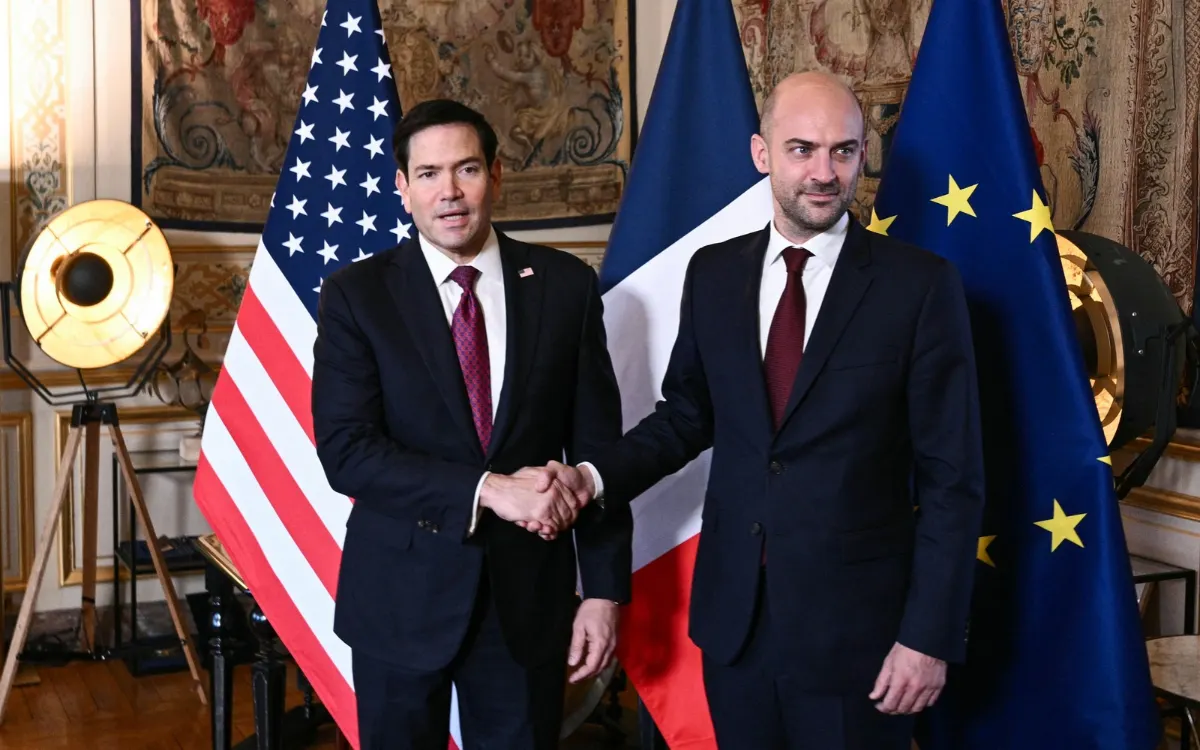
U.S. Central Command chief Admiral Brad Cooper said the operation “will further constrain Iran’s ability to finance terrorism, rebuild weapons factories, and replenish their military.” Meanwhile, German Foreign Minister Johann Wadephul warned ahead of the G7 foreign ministers’ meeting in Paris that “We certainly cannot afford any military escalation at this point.” The two-day gathering, which began Monday, has provided European governments with an opportunity to press U.S. Secretary of State Marco Rubio for a diplomatic resolution.
The confrontation has disrupted shipping through the Strait of Hormuz, a critical global energy corridor, as Tehran has restricted maritime passage and Washington has maintained its blockade. Although Trump recently described renewed fighting as “highly unlikely,” he has not ruled out additional strikes against Iranian targets, including a suspected nuclear facility that Tehran denies is used for nuclear activities. Rubio reported “no progress” in negotiations with Iran, criticizing Tehran’s demands as unrealistic. The G7 discussions are also addressing Ukraine, ahead of U.S.-mediated peace talks scheduled between November 10 and 11 in Abu Dhabi.
The simultaneous expansion of U.S. restrictions and European diplomatic efforts underscores a difficult balancing act for Western governments. Washington is seeking to limit Iran’s access to military supplies and financial resources, while European allies prioritize preventing further conflict and restoring commercial navigation through the Strait of Hormuz. With negotiations stalled and the new task force’s operational impact still uncertain, the central question is whether intensified pressure will encourage a diplomatic settlement or deepen an already prolonged regional confrontation. (AFP+EIR)