A wave of bomb threats disrupted European air travel Thursday, forcing flight diversions and military escorts as authorities confronted a third day of widespread aviation security alerts. At least 12 flights were targeted, adding to concerns about Europe’s ability to protect essential infrastructure amid mounting security pressures.
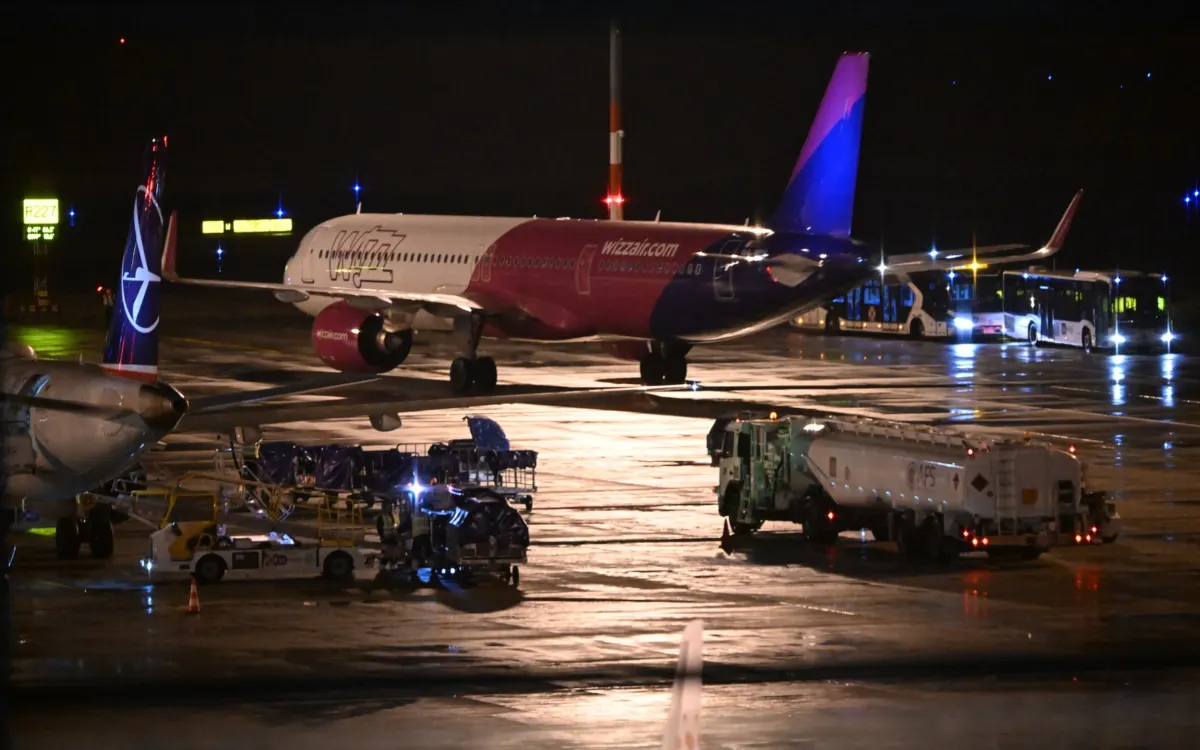
A Wizz Air flight from Milan to Warsaw was diverted to Vienna, while an aircraft traveling from Dublin to Rome was redirected to France under military escort. A Finnair flight from Helsinki to Rome also received fighter jet protection before bomb disposal specialists inspected the aircraft, with low-cost carriers particularly affected.
France’s air force said it dispatched aircraft “as soon as the threat was reported”, while Wizz Air explained that “the diversion was carried out in accordance with established safety protocols and procedures”.
The incidents followed approximately 10 bomb threats earlier this week, which briefly closed a Warsaw airport and prompted Italian fighter jet deployments. Monday also saw a Wizz Air flight from London to Sofia diverted to Budapest. Earlier alerts proved to be hoaxes, but Thursday’s threats nevertheless required substantial security responses. European countries have also faced drone incursions in recent weeks, including the first days of November, particularly in Romania, Latvia, and Moldova, while the European Commission recently issued guidance encouraging households to maintain essential supplies for the first 72 hours of emergencies.
Taken together, the incidents contribute to a growing sense of insecurity across Europe, where aviation disruptions and military tensions are testing public confidence and institutional resilience. Cost-of-living pressures have also prompted activist groups in seven European countries to organize coordinated demonstrations later this month, adding a separate source of political strain. Although no evidence establishes that these developments form a single campaign, their convergence illustrates how different disruptions can amplify perceptions of instability. The central challenge for European governments is to strengthen infrastructure protection, investigate potential security threats, and maintain public confidence without allowing uncertainty to become a source of further disruption. (AFP+EIR)