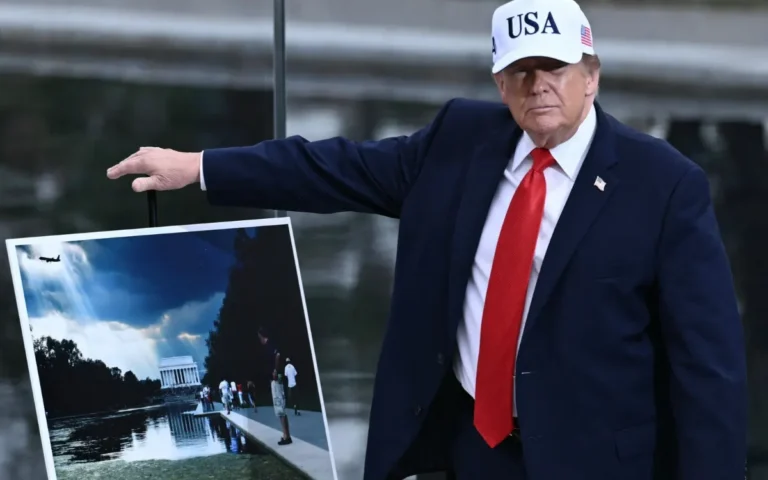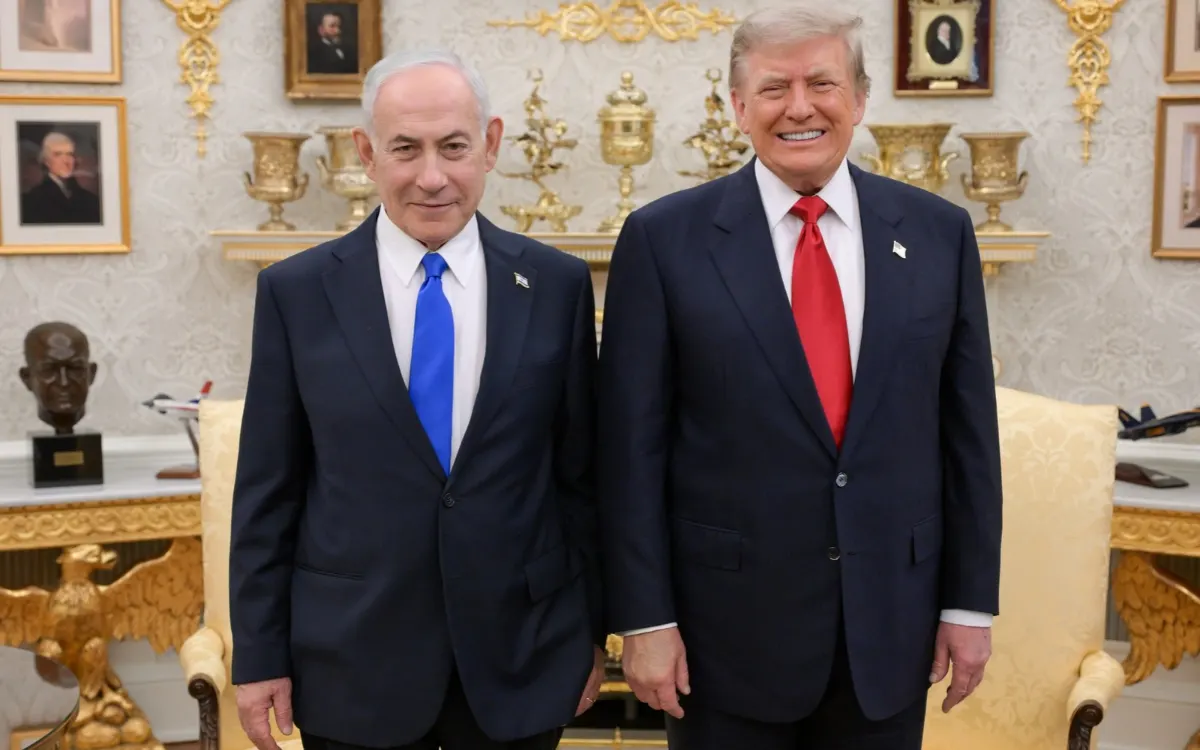
U.S. President Donald Trump said Tuesday that Washington would end its annual $3.8 billion military assistance arrangement with Israel by the end of 2026, potentially reshaping one of America’s most consequential security partnerships. The announcement comes amid the Middle East conflict and growing domestic scrutiny of U.S. military spending abroad.
Speaking to American media, Trump said he had reached an agreement with Israeli Prime Minister Benjamin Netanyahu months earlier to discontinue the payments, arguing that Israel no longer needed American financial assistance. The existing 10-year agreement, negotiated in 2016, provides $38 billion through 2028, raising questions about how the administration intends to terminate funding before the arrangement expires.
“We’ve already agreed that by the end of this year we won’t be paying Israel,” Trump said, while emphasizing that Washington would continue helping Israel if necessary. His remarks suggest a shift from direct military grants toward arms purchases and continued strategic cooperation, rather than a complete withdrawal of American security support.
The announcement follows Netanyahu’s earlier calls to reduce Israel’s dependence on U.S. military assistance and establish a relationship based more heavily on defense cooperation and commercial transactions. In January, Netanyahu said he wanted to phase out American military aid within a decade, while subsequent discussions explored replacing financial grants with joint weapons development and military technology partnerships. The existing assistance package includes approximately $3.3 billion annually in foreign military financing and $500 million for missile defense cooperation. Trump’s announcement also coincides with U.S. midterm elections, as American military support for Israel faces increasing political scrutiny following the Gaza war and amid the broader regional confrontation involving Iran. Although Trump described the decision as agreed upon, the Israeli government had not immediately confirmed its terms, and the implications for existing congressional funding commitments remained unclear.
The proposed change could redefine how Washington finances its alliance with Israel without necessarily diminishing bilateral military coordination. Whether the administration can implement the cutoff before 2028, preserve joint defense programs, and secure congressional cooperation will determine the practical significance of Trump’s announcement for U.S. influence and regional security. (AFP+EIR)