
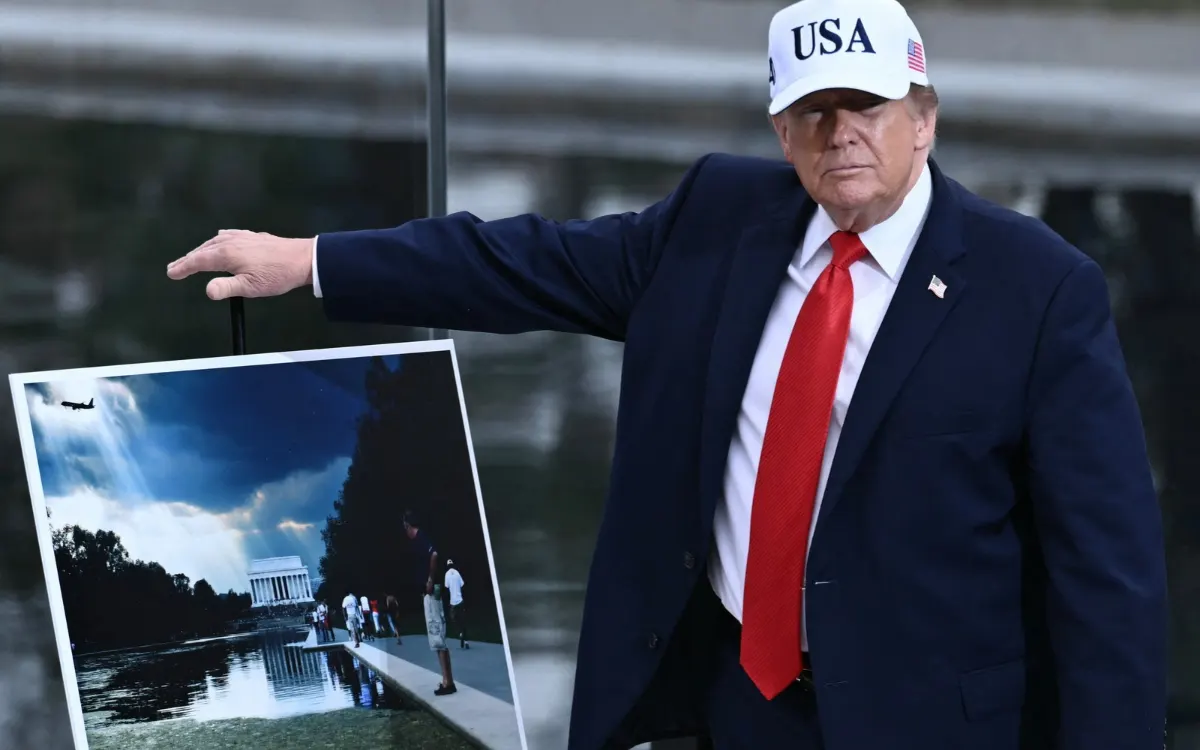
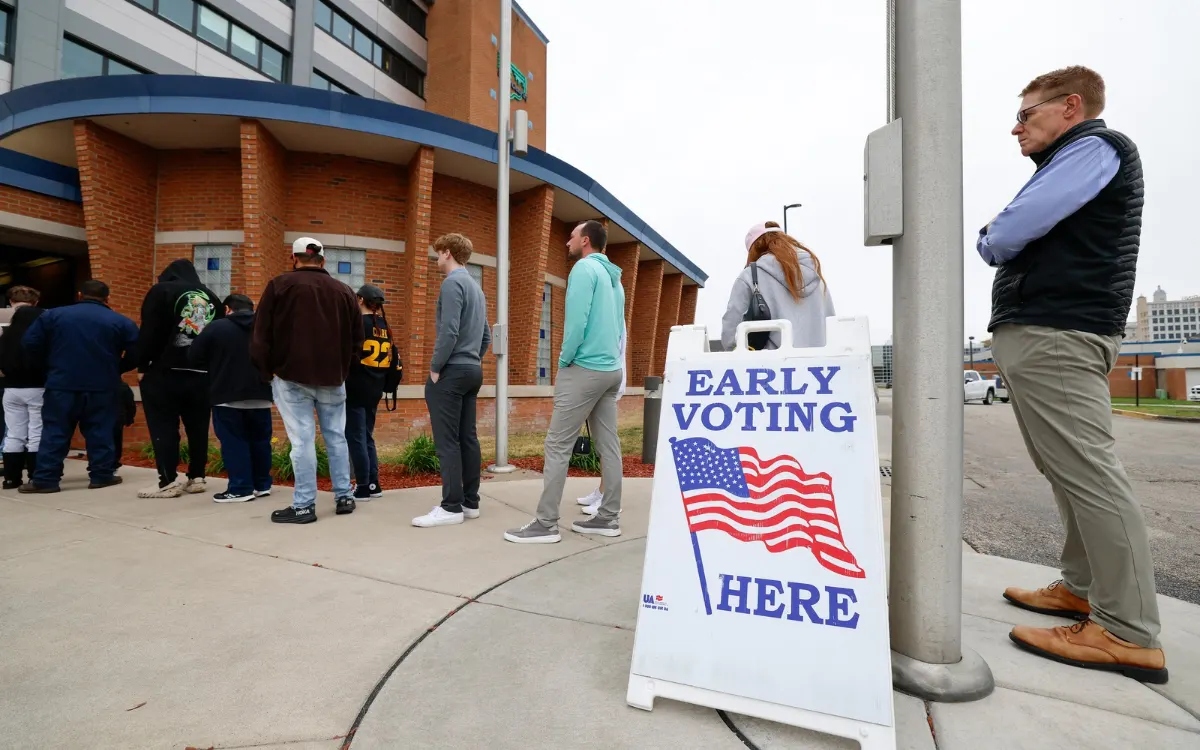
When Americans head to the polls today, most will be thinking about fuel and grocery prices. Foreign governments will be watching for something else: whether President Donald Trump will be able to sustain his foreign-policy agenda over the next two years, and to what extent it will survive after he leaves office. The war with Iran and the tariffs connect the two concerns, since both have raised prices at home and reshaped U.S. relations abroad.
President Trump will keep control of foreign policy until January 2029, whatever the result. But the vote will decide how freely he can use it. Republicans hold narrow majorities in both chambers, and polls favor Democrats in the House, while the Senate races remain close. Democrats have said they would use a House majority to open investigations into Trump’s administration, forcing officials to defend their decisions in public.
Executive Power and Its Limits
Since January 2025, the president has conducted foreign policy by executive action, from sweeping tariffs to the war with Iran that Congress never authorized. The White House is reportedly preparing more executive measures in case Democrats win, including new tariffs on critical minerals and wind turbines, two sectors that China dominates. A Democratic Congress could try to constrain Trump by passing its own legislation. But the president could veto it, and Democrats are unlikely to garner the two-thirds majorities needed to override him.
A Democratic Congress could try to constrain Trump by passing its own legislation. But the president could veto it, and Democrats are unlikely to garner the two-thirds majorities needed to override him
That is why the vote matters to governments that rely on the United States for security or trade. Executive orders can be reversed by the next president, while laws passed by Congress are much harder to undo. The more Washington governs by executive action, the more its partners will treat American commitments as temporary and hedge against future reversals.
Trade, Defense, and Ukraine
Trade is where the vote will likely confirm the current direction. Washington has imposed tariffs on rivals and close partners alike, from China and the European Union to Canada. Trade powers Congress ceded to the presidency decades ago allow the White House to keep them in place without new legislation, effectively avoiding opposition. Canada is planning on that basis: Prime Minister Mark Carney has said Ottawa can hold out for a new administration if no acceptable deal emerges. Others will likely follow that lead.
Defense spending is where the vote could bring the clearest change because Congress writes the budget. The Pentagon has already requested another $67.1 billion, citing the costs of the Iran war. A Democratic majority could cut the president’s military spending or attach conditions to it.
Ukraine would test the leverage of a Democratic Congress. Washington has eased sanctions on Russian diesel, and Trump has urged Ukrainians to replace President Volodymyr Zelensky. A Democratic Congress could vote new aid for Kyiv, but it would face the same veto power. Because Democratic voters back Ukraine more than Republican voters, U.S. support for Kyiv is likely to rise or fall with a shift in power in Washington.
Because Democratic voters back Ukraine more than Republican voters, U.S. support for Kyiv is likely to rise or fall with a shift in power in Washington
Conflicts in the Middle East
The Iran war is where congressional pressure would be most visible. A Democratic Congress could cut funding for the conflict and impeach Secretary of War Pete Hegseth over alleged war powers violations. Criticism would not come only from Democrats, since several Republican Senate candidates have urged an early end to the war. Trump has suggested that strikes on Iran could resume after the election, while indicating that a negotiated settlement remained possible. The 2006 precedent points to the limits of congressional opposition. Democrats won Congress amid public anger over the Iraq War. Yet President George W. Bush authorized a troop surge within months.
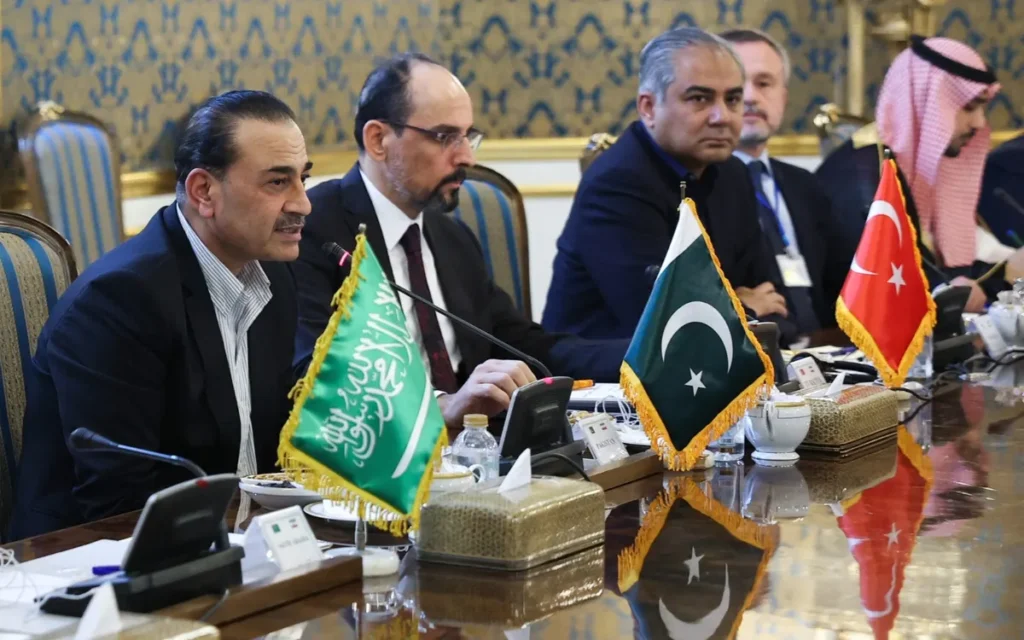
Gulf states will watch closely for any indication of escalation, particularly attacks that could further disrupt energy exports through the Strait of Hormuz or draw the region into a wider conflict. Saudi Arabia, the UAE, Qatar, and other Gulf governments will also be assessing whether political divisions in Washington make further escalation more or less likely, and what that uncertainty means for their own security.
On U.S. policy toward Israel, Gaza, and the West Bank, polls show that younger Democrats are more likely than older ones to say Washington has backed Israel too strongly. Progressive voters are also pressing for conditions on U.S. military aid to Israel and a more critical stance on Israeli policy in both areas. The shift is unlikely to change policy before 2029, but it could shape how a future administration defines U.S. interests in the Middle East.
How Allies and Rivals Will Read the Vote
U.S. allies in Europe and North America will likely conclude that American commitments now depend on who controls Washington. Denmark and Canada, pressed by the administration over Greenland and trade, have already experienced this directly. European governments, asked to take on more of their own defense, will note that the legal floor of 76,000 U.S. troops in Europe allows the president to go lower after consulting allies and reporting to Congress.
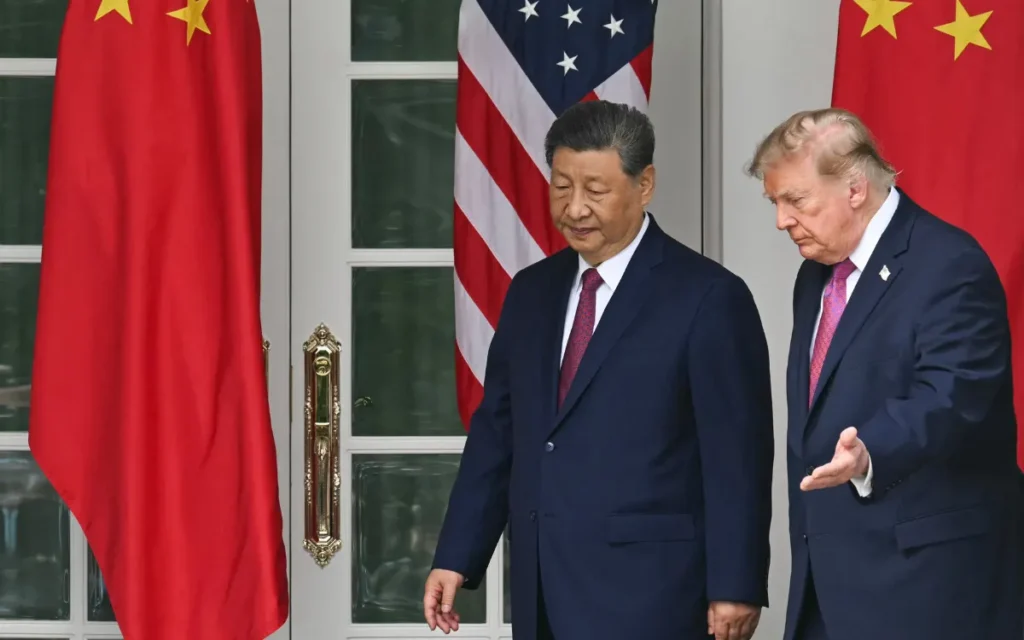
Rivals face a different calculation, because a president constrained at home retains wide freedom of action abroad. Moscow may see a chance for a quick settlement in Ukraine, calculating that a quick deal is more likely while Trump remains in office. Tehran must weigh whether pressure from Congress makes new U.S. strikes less likely or more urgent. Beijing will likely continue to count on an informal detente that depends on the president personally and needs no congressional approval.
Rivals face a different calculation, because a president constrained at home retains wide freedom of action abroad
Each government will read the result through its own interests and its own image of the United States, and those readings will shape its behavior regardless of what a new Congress does. If allies decide that Washington is entering a waiting period, they will hedge and delay commitments, and U.S. influence would likely shrink as a result.
The vote will also show which policies can last. Surveys find that most Americans judge the war with Iran to be one not worth fighting, and most blame Trump’s tariffs for the higher cost of living. These attitudes will undoubtedly influence both congressional opposition to Trump and the policies adopted by his successor.
Indeed the question extends beyond Trump’s remaining two years. Policies resting primarily on presidential decisions, from the intervention in Venezuela and pressure on Cuba to the opening toward Moscow, may prove vulnerable to reversal after January 2029. For foreign governments, the challenge is therefore twofold: determining how much freedom Trump will retain to act now, and how much of his foreign-policy agenda the United States will sustain after he leaves office.