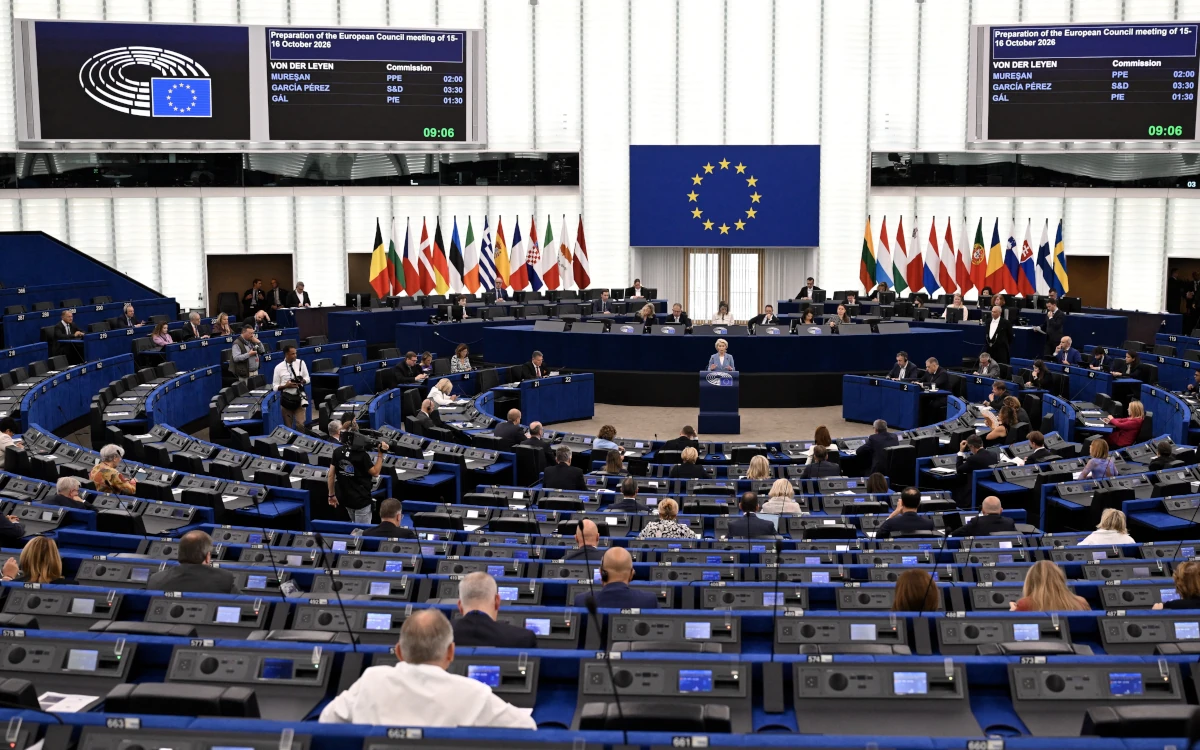
For years, the EU’s debate about the Muslim Brotherhood turned on one question: whether the movement supports terrorism. On October 8, 2026, the European Parliament shifted the focus to a broader concern. In its view, groups linked to the Brotherhood may use their access to EU institutions to advance an ideological agenda, while EU recognition lends them legitimacy.
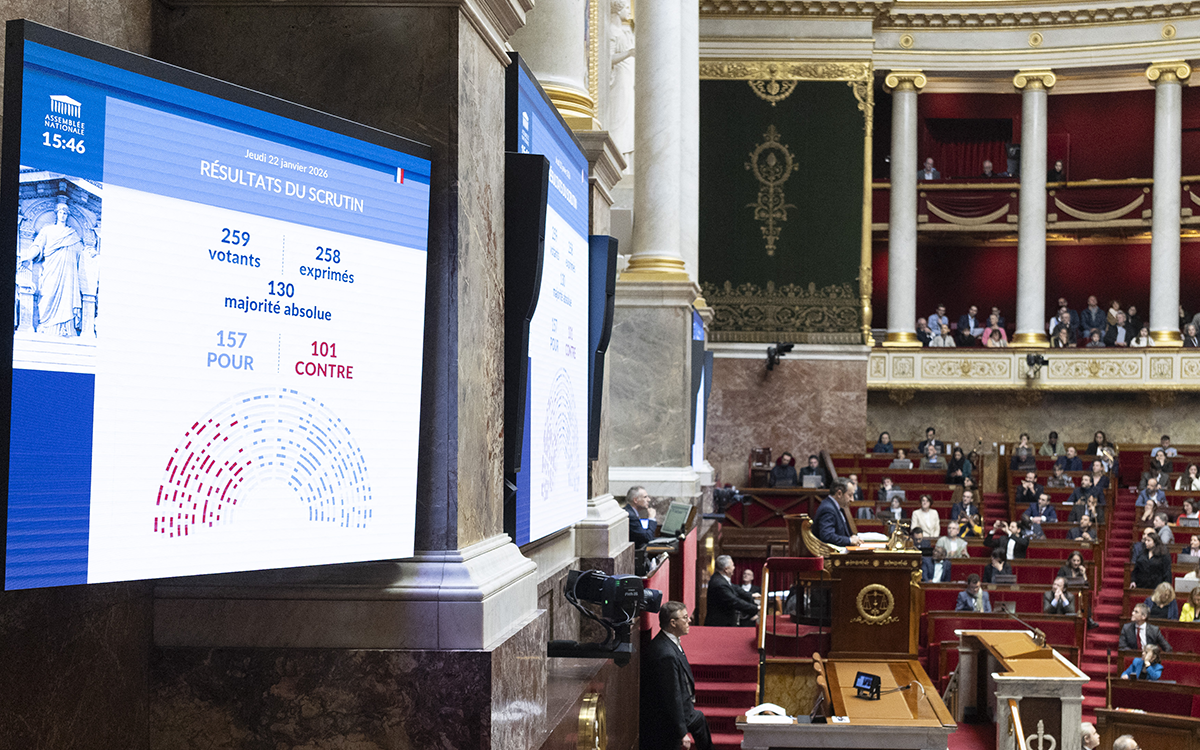
That shift is the real significance of the resolution, which passed with 381 votes in favor, 167 against, and 15 abstentions. It points to a potential change in how the EU understands the threat. The concern would widen from violence and terrorist financing to influence, access, and the legitimacy that EU engagement can confer.
Lawmakers call the threat “Islamist entryism,” which they describe as “covert and malicious interference” aimed at weakening democratic institutions. Put simply, the worry is that some organizations use public institutions from within to advance a conflicting political project.
The resolution is not law. Parliament’s resolutions bind no one, and only EU governments can add names to the EU terrorist list, which freezes the assets of those listed. The Brotherhood has never been on it. The text asks governments to consider listing Brotherhood-linked entities and individuals, but that demand is unlikely to go far.
The change is larger than it looks. The terrorism question looks at what a group does, and courts can verify it. The new concern looks at whom a group is connected to and what access gives it. That moves decisions from judges to the officials who manage EU grants and EU buildings, where the bar for action is lower and discretion is wider.
The terrorism question looks at what a group does, and courts can verify it. The new concern looks at whom a group is connected to and what access gives it
Why the Shift Is Happening Now
Two European debates explain the timing. The first started in France, where a May 2025 interior ministry report warned that the Brotherhood endangered national cohesion. Both houses of the French parliament have since pressed for action, and the Dutch lower house has backed a motion to ban the movement.
The second concerns the EU’s own institutions. Since the 2022 corruption scandal in Parliament, lawmakers have pressed for tighter control of outside influence and of NGOs funded by the EU budget. In 2025, the European Court of Auditors found that the Commission relies mainly on self-declarations to check whether funded organizations respect EU values.
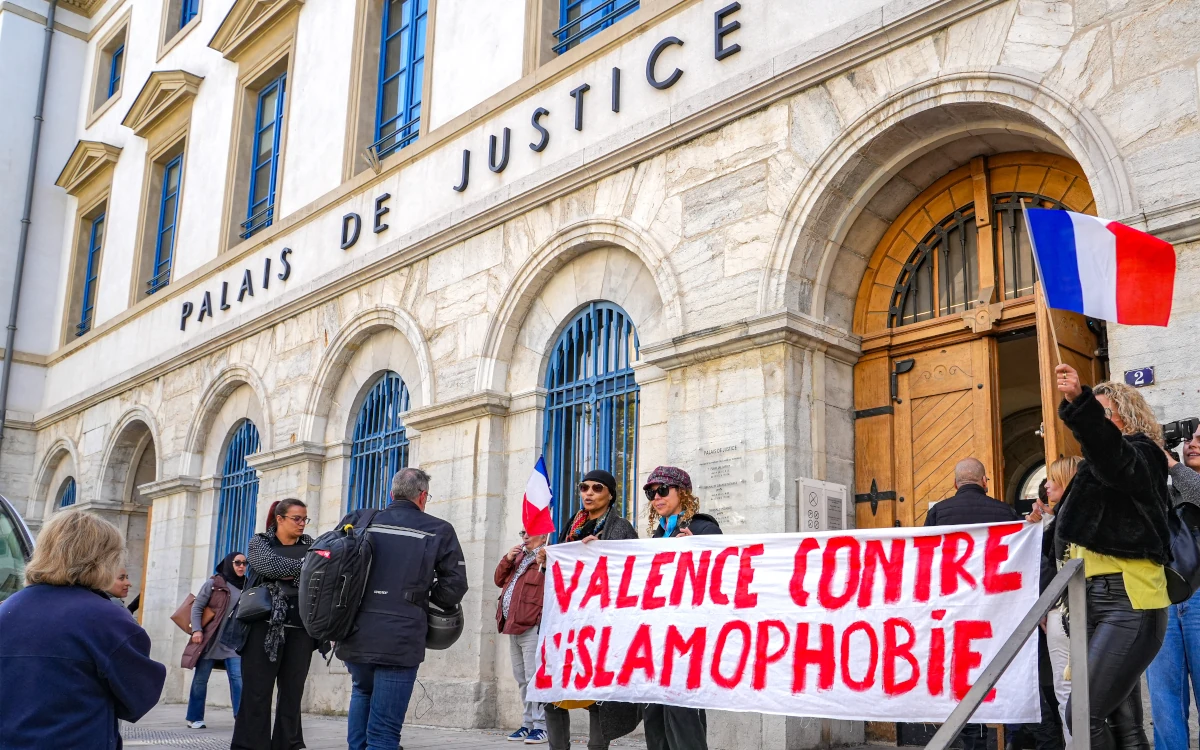
The meeting of the two debates changes who owns the issue. The Brotherhood used to be a matter for interior ministries and intelligence services. It is now also a matter for auditors, budget controllers, and parliamentary administrators, whose question is simpler: whether public money and access are properly controlled. A concrete case gave that question a target. On September 21, 2026, the Forum of European Muslim Youth and Student Organisations, or FEMYSO, held its annual event against Islamophobia inside the European Parliament. The resolution calls for the group to be barred from EU institutions, and FEMYSO denies any Brotherhood link.
The Brotherhood used to be a matter for interior ministries and intelligence services. It is now also a matter for auditors, budget controllers, and parliamentary administrators
Party politics supplied the votes. The center-right European People’s Party, Parliament’s largest group, adopted the agenda in June, and its French lawmaker Céline Imart drafted the resolution. The groups further to the right backed it almost unanimously, despite having sought a listing of the entire movement. The liberals of Renew Europe widened the majority, with 62 of the 67 who voted in favor. The Socialists, the second-largest group, voted against almost as a bloc, with the Greens and The Left.
The liberals set the terms of their support. Their language made the text condemn “religious and, in particular, Islamist entryism” and state that Islam as a religion is not inherently political or hostile. The center thus joined by framing the target as a political method, not a faith.
The European establishment has therefore moved, but only partly. The concern now reaches the political center, while the center-left remains opposed. Whether EU governments agree will become clear only in the Council of the EU, where ministers from the 27 member states decide.
Recognizing a Less Visible Risk
European governments and EU institutions are increasingly treating the possibility of gradual, less visible institutional penetration as a security and governance concern, though the extent of the threat and the identification of specific networks remain contested. National authorities saw it first: Belgium’s state security service titled its 2025 chapter on the movement “behind the mask of moderation.” Parliament has now carried that assessment into an EU institution.
In the resolution’s account, the Brotherhood is less an organization with members than a “broad and fragmented ecosystem” of associations, foundations, and educational, charitable, youth, and anti-discrimination bodies. Their potential influence comes from access. The text argues that an invitation to an EU institution, a seat at a consultation, or a place in an EU program works as a “political label.” That label lets a group present itself as a voice of European Muslims.
This is what is actually changing. Beyond the wider definition of the threat, the focus moves from single organizations to networks of associated, front, and reconstituted bodies. The issue thus becomes one of representation: whom the EU accepts as a voice of Muslim communities.
The focus moves from single organizations to networks, and the issue becomes one of representation: whom the EU accepts as a voice of Muslim communities
Recognition has not yet turned into action. According to the resolution, the European Parliament’s governing Bureau discussed FEMYSO’s role at the Parliament’s youth events several times over recent years. The group still held its September event on the premises. Awareness was not the missing element. Agreed criteria were, which is why the resolution’s call for a common European method may prove its most significant demand.
What Can Change in Practice
Restrictions on access and funding are likely. Terrorist listings are not. Access is the quickest lever, because Parliament controls its own premises. The resolution asks that groups linked to the Council of European Muslims be barred from EU institutions and removed from the EU lobby register. French officials call that umbrella body the “cornerstone” of the Brotherhood’s European structure.
Money will take longer. Parliament has asked the European Commission, the EU’s executive, for a full account of EU funds paid to entities suspected of links to the Brotherhood or political Islam. Existing rules already let the Commission exclude recipients for terrorist offenses or incitement to hatred. Its reply, expected by early January 2027, will show whether it intends to use them more widely.
Listings face legal as well as political obstacles. They require unanimity among EU governments and a prior decision by a judicial or equivalent authority, such as a terrorism investigation. The one narrow route runs through Hamas, which grew out of the Brotherhood in the late 1980s. Rules adopted in February 2026 allow sanctions on entities associated with listed groups, which could reach organizations tied to Hamas financing but not the wider network.
Where the Line Falls
All of this depends on telling networks of concern apart from legitimate Muslim civil society. The resolution targets public money and official recognition, not religious practice.
The resolution calls for a common European method to spot warning signs, such as “institutional doublespeak,” financial opacity, and dissolved groups reappearing under new names.
Yet warning signs justify scrutiny, not sanctions, and the text does not say what level of proof would justify cutting funds or access.
The EU Charter of Fundamental Rights protects freedom of association but does not guarantee organizations access to EU grants.
That gives EU institutions more room to restrict funding and access than to actually prohibit organizations.
The credibility of the emerging approach will depend on whether institutions can establish consistent, transparent, and defensible criteria for distinguishing legitimate civic participation from covert political interference.
The credibility of the EU’s emerging approach will depend on whether institutions can establish consistent, transparent, and defensible criteria for distinguishing legitimate civic participation from covert political interference
What to Watch
The first tests will be the Commission’s reply, the Bureau’s next decision on FEMYSO, and any court challenge by an affected organization.
For European organizations linked to the Brotherhood, the likely consequence is structural. They may keep their legal right to operate, but their access to EU money and recognition can no longer be taken for granted.
The test for the EU is whether it can define those risks precisely enough to take the necessary action.
The decisive question is no longer simply whether the Brotherhood can be placed on a terrorist list, but whether European institutions can translate their emerging concerns into clear, legally defensible rules.