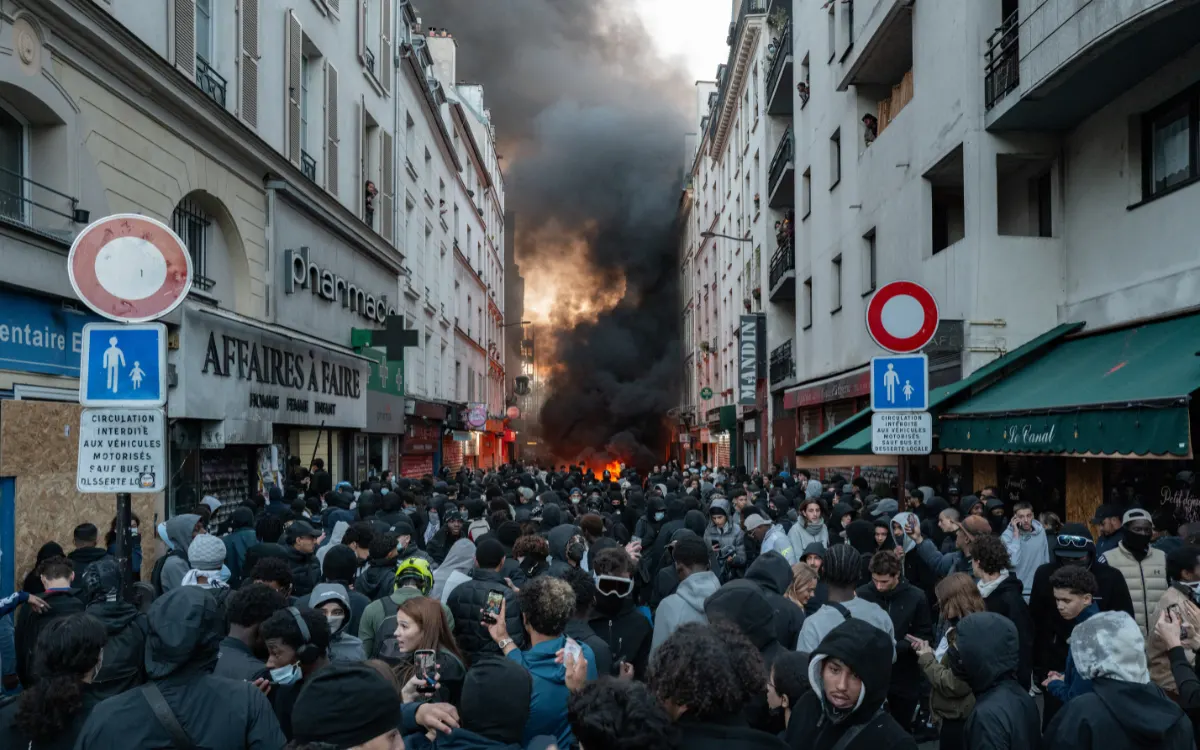
French President Emmanuel Macron has acknowledged failures in intelligence and planning after cost-of-living protests erupted into nationwide violence, exposing the government’s difficulty in anticipating and containing a major domestic security crisis.
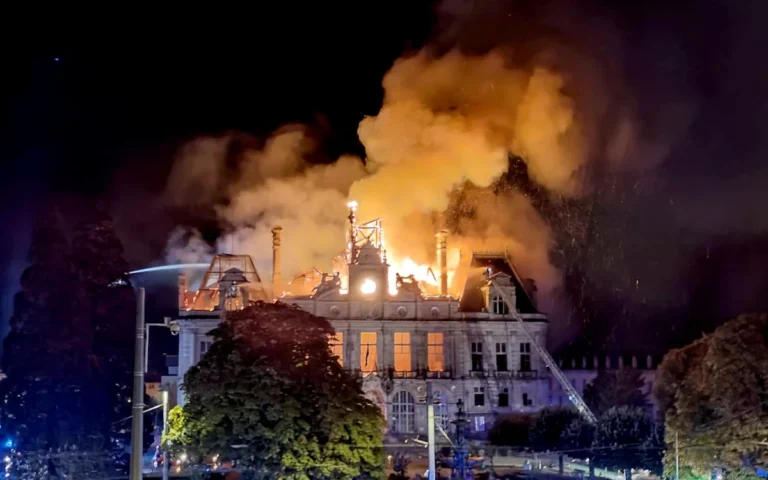
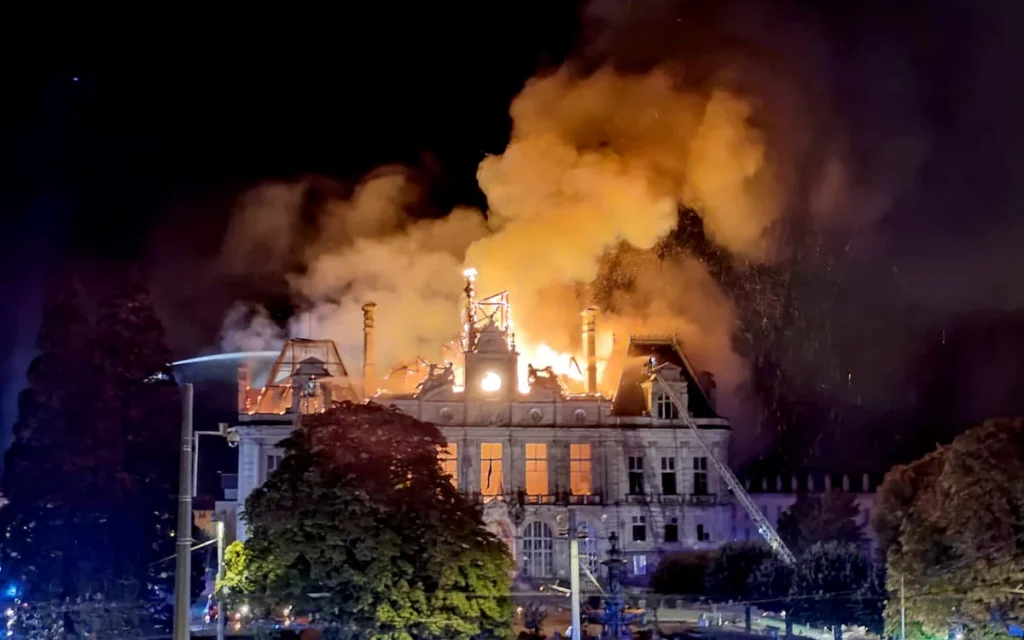
Nearly 2,400 people were arrested on Saturday, and almost 1,000 police officers and gendarmes were injured, according to France’s Interior Ministry, as clashes, looting, and fires spread across the country. Macron refused Interior Minister Laurent Nunez’s resignation and ordered greater transparency over the security failures, alongside new police operating procedures.
Nunez admitted that police had “lost control” in some cities and acknowledged a “lack of anticipation” in preparations for the unrest. The Élysée Palace said Macron rejected his resignation because of the “necessity for continued leadership of law enforcement at this time.” Protesters also blocked entrances to the Louvre museum in Paris on Monday in support of a nationwide high school student protest movement and to denounce “police repression”, the museum’s management and unions said.
Across Europe, separate demonstrations have exposed similar pressures. In Italy, cost-of-living protests reportedly turned violent in Milan and Bologna, while Prime Minister Giorgia Meloni condemned the unrest. In Belgium, demonstrations over education costs and public spending reportedly led to clashes with police in Brussels and Liège. In Portugal, protesters have mobilized over low wages and unaffordable housing, while Albania has experienced demonstrations against Prime Minister Edi Rama amid broader political and economic grievances.
France’s immediate challenge is twofold—restoring public order and addressing the economic grievances that brought demonstrators into the streets. Macron’s decision to retain Nunez preserves continuity but leaves the government responsible for explaining why intelligence and operational planning failed. Across Europe, these protests are not necessarily coordinated, but their overlapping grievances highlight the political consequences of strained household budgets, housing shortages, and dissatisfaction with public services. The strategic significance lies in whether governments can address these pressures without deepening public distrust or triggering further confrontation. The developments to monitor are France’s promised review of security failures, potential cost-of-living measures, and whether further demonstrations develop into sustained political challenges. (AFP+EIR)