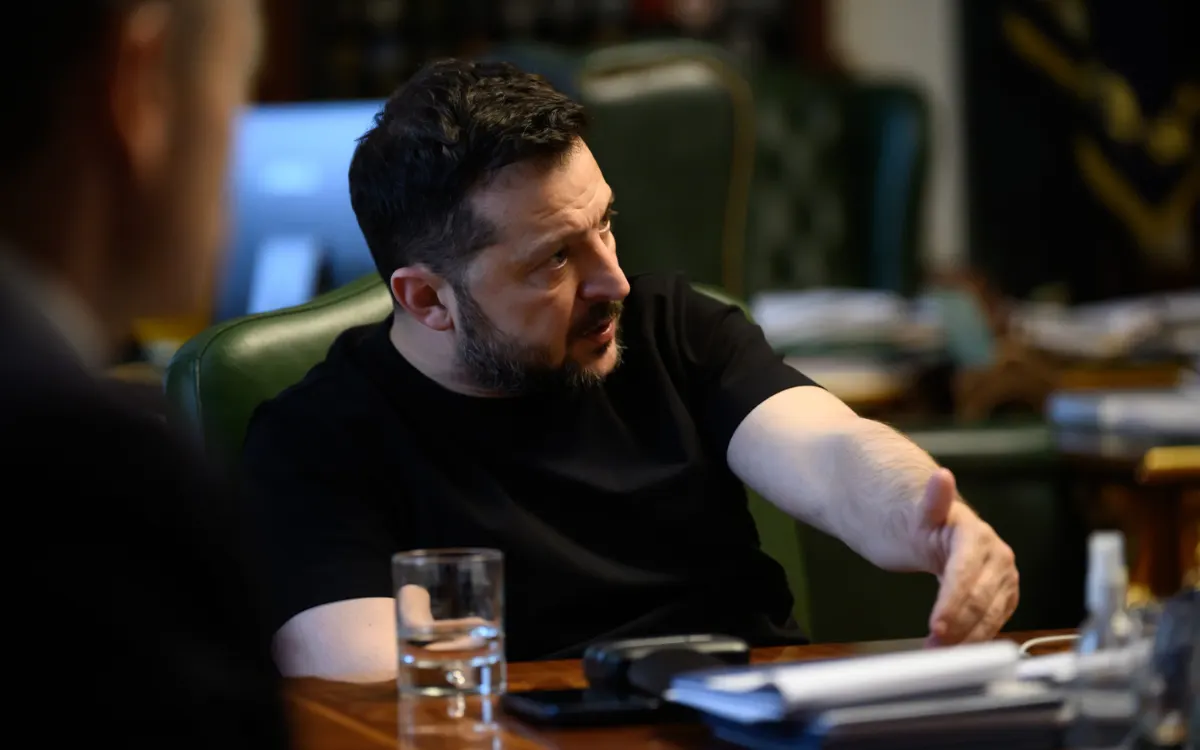
Ukrainian President Volodymyr Zelensky said Monday that Kyiv received no advance warning from its allies of Russian ballistic missile strikes, exposing a growing dispute with Washington over intelligence cooperation and the direction of peace negotiations.
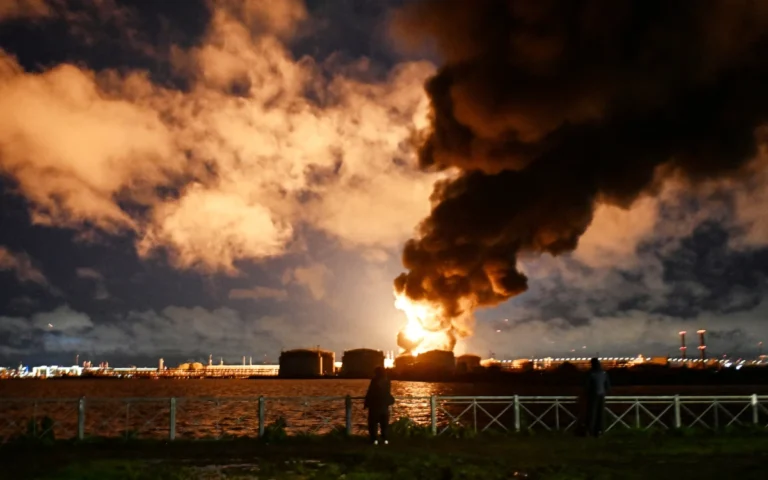
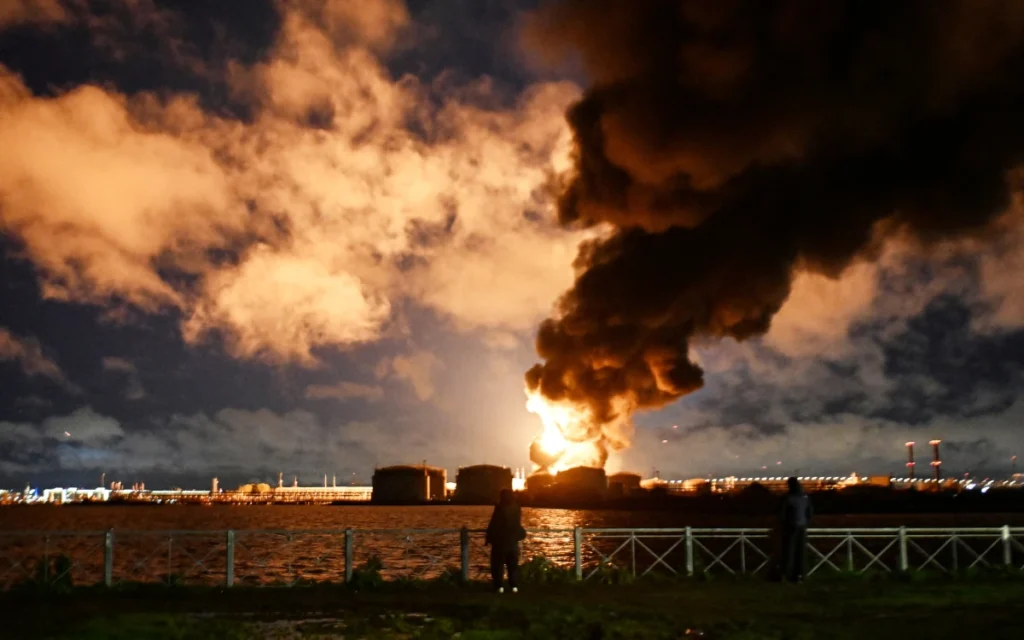
Russia launched 16 ballistic missiles toward the Kyiv region and more than 200 drones across Ukraine, targeting energy facilities, according to Zelensky. The latest strikes followed similar attacks last week, for which Kyiv said it received no advance warning from the United States, leaving civilians virtually no time to seek shelter.
“Another Russian ballistic missile attack came in several waves overnight, and once again, there was no early warning from our partners,” Zelensky wrote on social media.
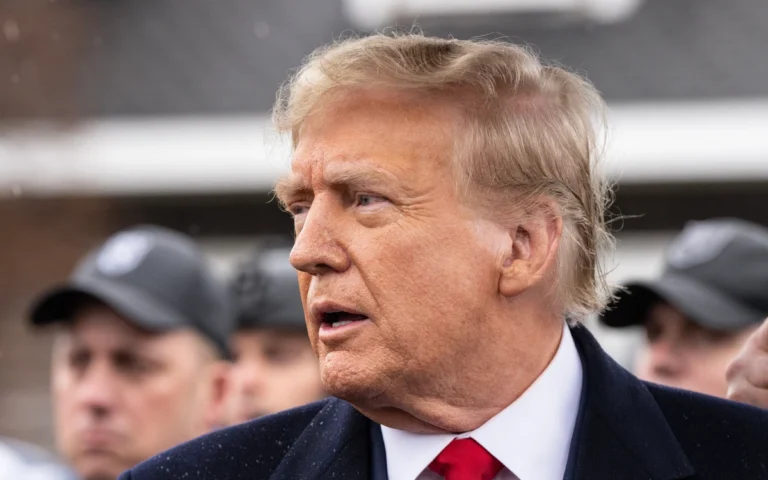
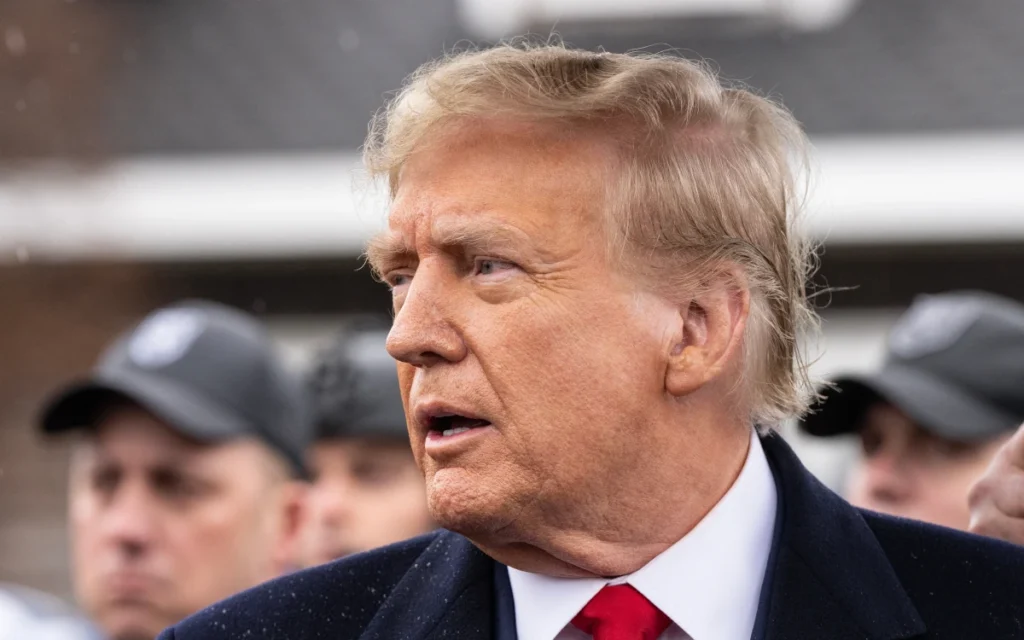
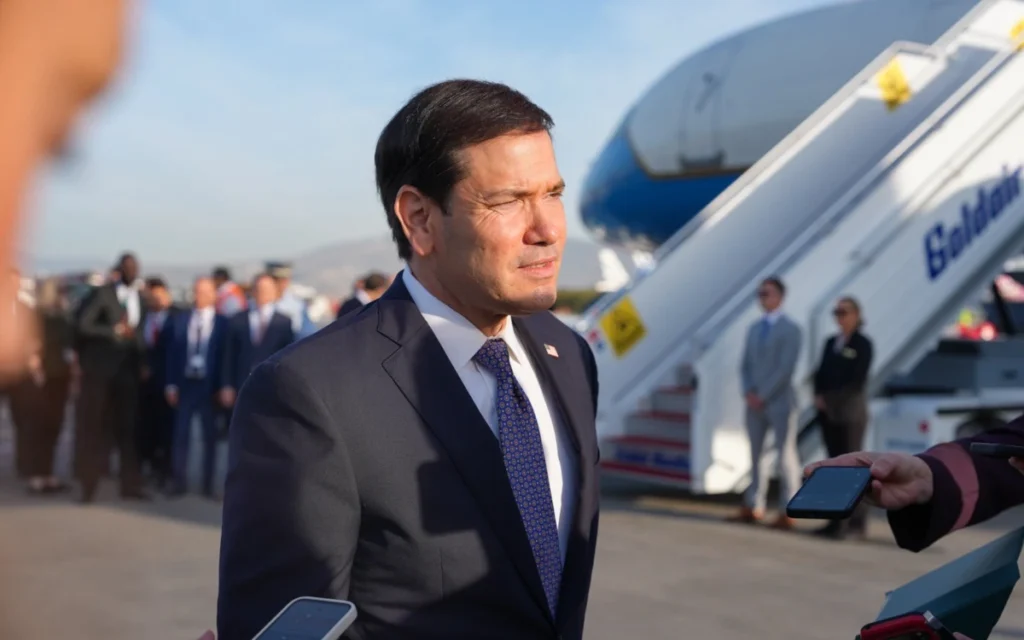
The claims place renewed scrutiny on a critical distinction in Western military support: whether intelligence-sharing arrangements remain formally operational and whether Ukraine receives actionable warnings in time to respond. U.S. Secretary of State Marco Rubio rejected suggestions that intelligence cooperation had been suspended, telling reporters in Uzbekistan, “There has been no pause.” His denial leaves unresolved why Kyiv says warnings failed to arrive during successive attacks. The disagreement comes as President Donald Trump claims progress toward ending the war while accusing Zelensky of resisting a settlement. Trump has also said he reached an agreement with Russia involving fuel exports and sanctions relief, adding another point of contention over Washington’s approach to Moscow.
Zelensky rejected Trump’s characterization of Ukraine’s position, insisting Kyiv had welcomed efforts to secure a dignified end to the war. He argued that restrictions on air defense missile deliveries, combined with sanctions relief or delays for Russia, undermined the response to continued Russian attacks. The immediate question is whether Washington and Kyiv can clarify the reported warning failures before another missile barrage. Beyond the technical issue lies a broader diplomatic test: whether the two governments can maintain operational trust while disagreeing publicly over the terms and urgency of peace. If Kyiv cannot rely on timely intelligence and predictable air defense supplies, its vulnerability could increase even without a formal reduction in Western military commitments. Meanwhile, any perception that Moscow is receiving economic concessions while Ukraine faces uncertainty over defensive support risks weakening Kyiv’s negotiating position and complicating efforts to secure a durable settlement. (AFP+EIR)