
Britain and France are deepening their support for Saudi Arabia as Houthi advances in Yemen increase pressure on Riyadh and threaten shipping through the Red Sea. G7 countries called on Yemen’s Houthis on Tuesday to cease attacks on Saudi Arabia, as the Iran-backed rebels have amplified tensions in the Middle East.
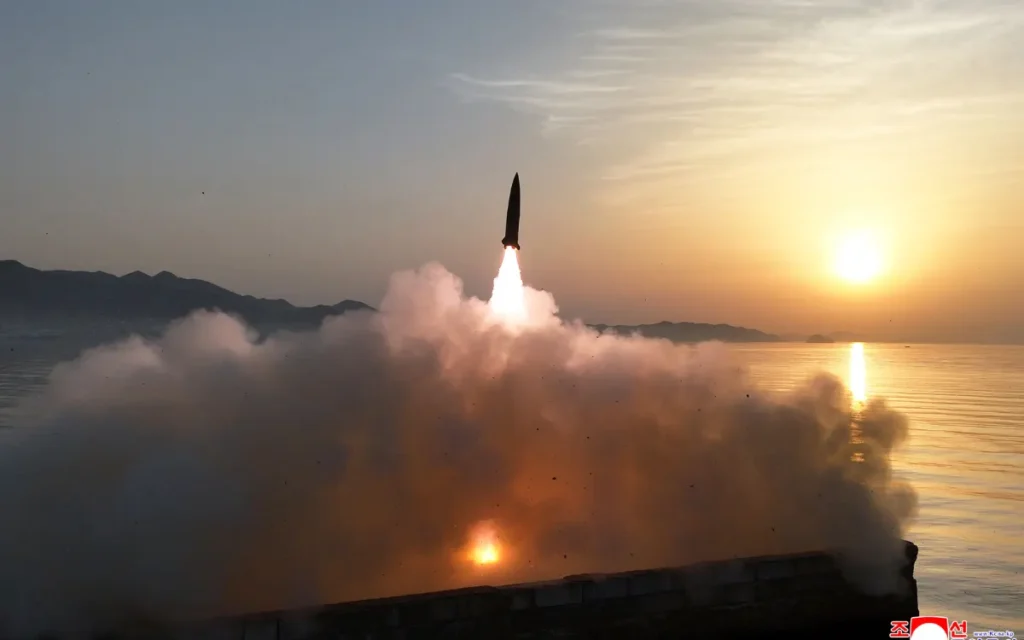
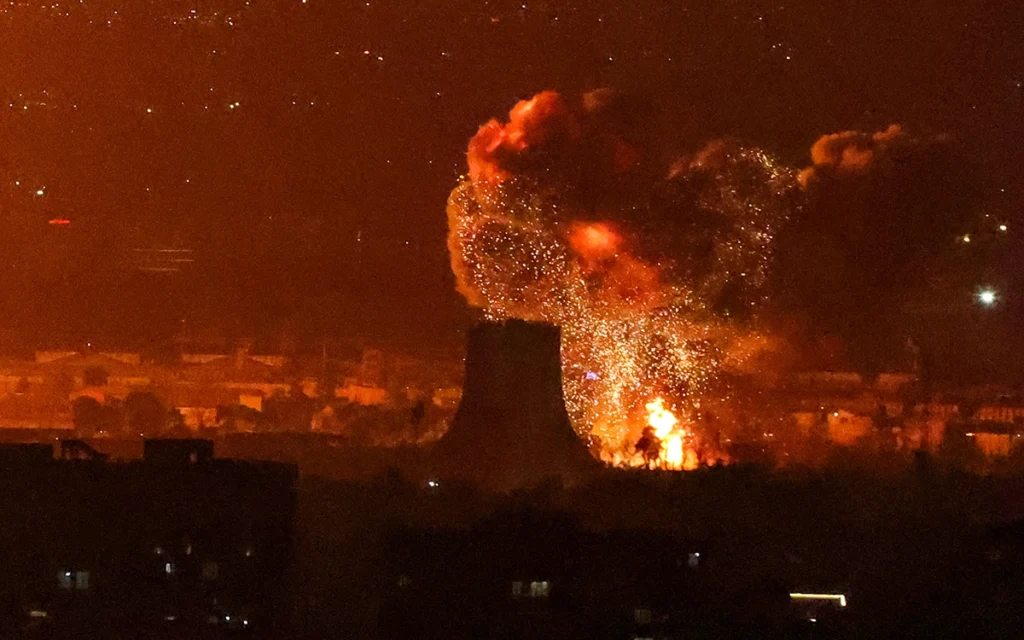
The call comes after the group escalated its offensive in recent weeks to gain control over Yemen’s Red Sea coast, including Mokha, affecting trade and energy prices. The Houthi advance has heightened concerns over shipping through the Bab al-Mandab Strait, adding pressure to global trade routes already strained by disruptions in the Strait of Hormuz. Saudi strikes on Yemen’s strategic Red Sea port of Mokha killed at least six people and wounded eight others, Houthi media reported.
“We call on the Houthis to immediately cease all military actions, all threats and attacks against civilian shipping, and to return to the political process in good faith,” said G7 foreign ministers representing the United Kingdom, France, Germany, Italy, Canada, Japan, and the United States.
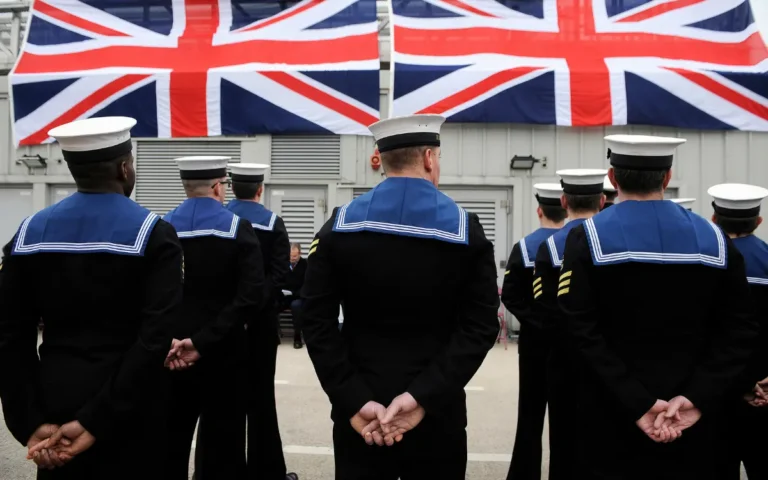
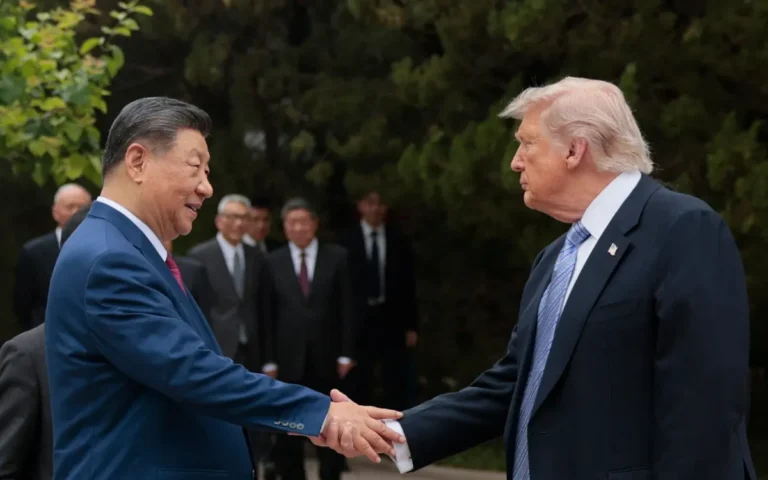
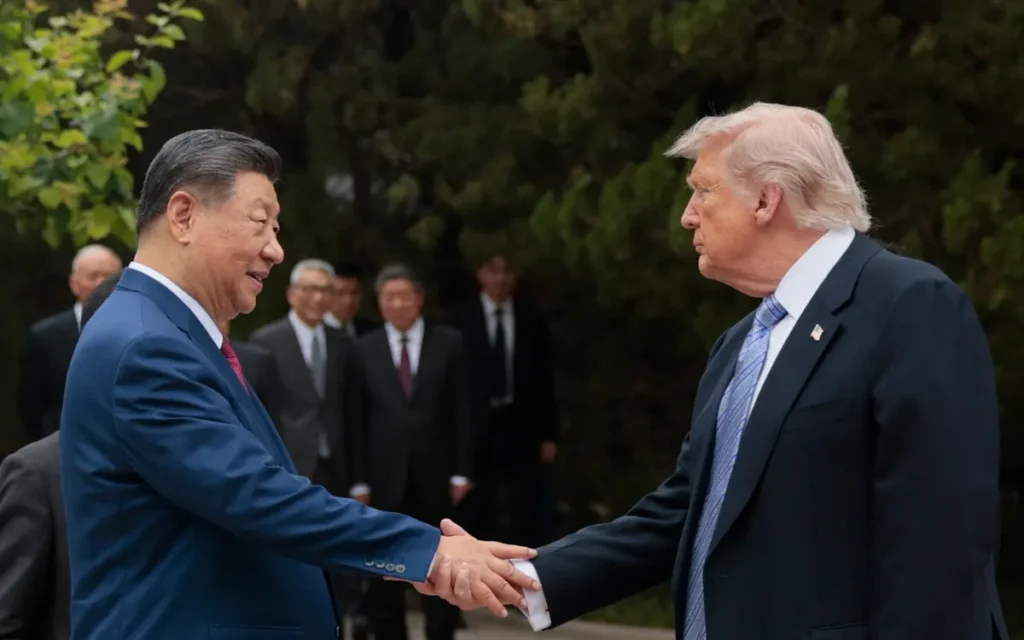
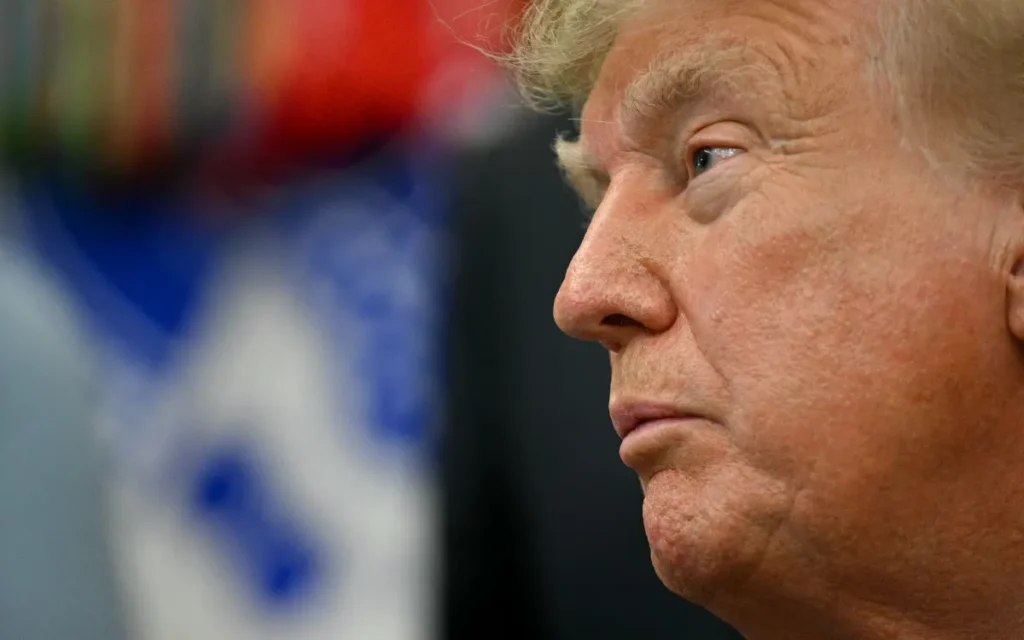
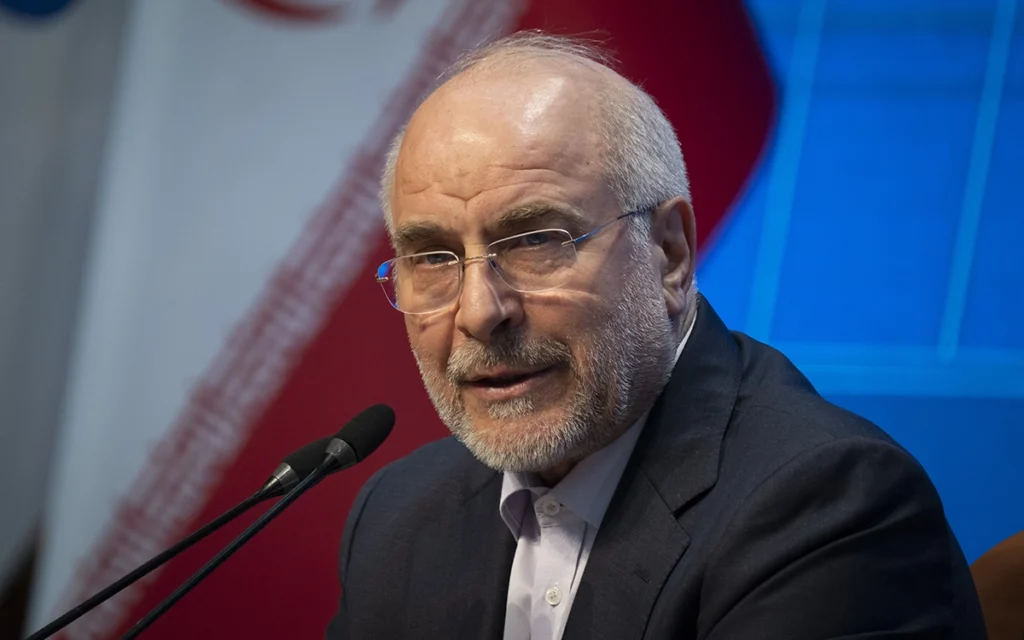
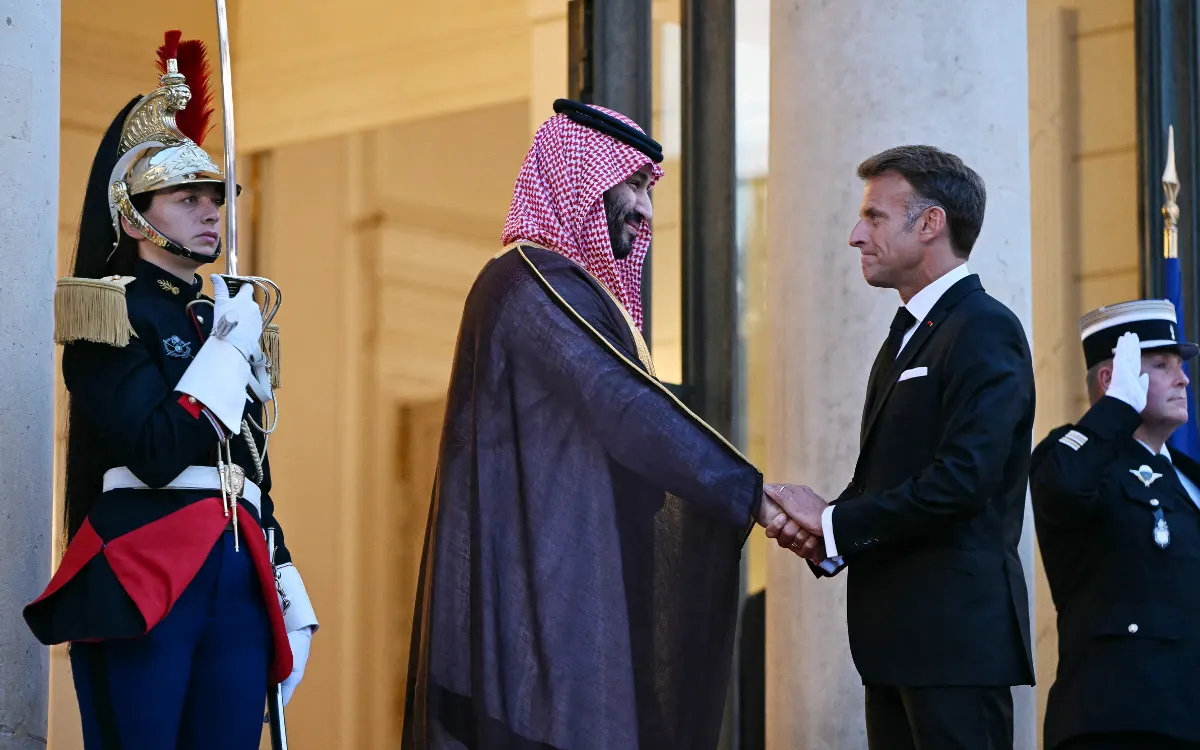
They also called on Iran “to end its arming of and support for the Houthis,” alleging that Tehran is violating U.N. Security Council resolutions. Britain agreed to help Saudi Arabia with “defensive” air-to-air refueling for jets. France announced that it was ready to secure Saudi energy infrastructure targeted by the Houthis, adopting a “strictly defensive approach,” according to French media reports on Monday. Yemen’s governing body and Saudi Crown Prince Mohammed bin Salman have sought direct U.S. support, although Trump has so far stopped short of committing American forces. Trump says the Houthis have agreed not to target the United States, potentially limiting Washington’s incentive for direct military intervention.
The British and French commitments mark a widening dimension to the Yemen conflict, moving European involvement beyond diplomatic support toward limited operational assistance. Britain’s refueling support could help sustain Saudi defensive air operations, while France’s offer to protect energy infrastructure reflects concern that Houthi advances could threaten Saudi Arabia’s ability to export oil through routes that reduce its dependence on the Strait of Hormuz. With the Houthis strengthening their position around Bab al-Mandab while disruption continues around Hormuz, the conflict increasingly connects two of the Middle East’s maritime chokepoints. The United States joined Britain and France in the G7 condemnation but has so far stopped short of comparable operational support, despite requests for assistance from Riyadh and Yemen’s government. This divergence suggests that while Western powers agree on the threat posed by the Houthi advance, they have so far differed over how directly they are prepared to become involved in the conflict. (AFP+EIR)