
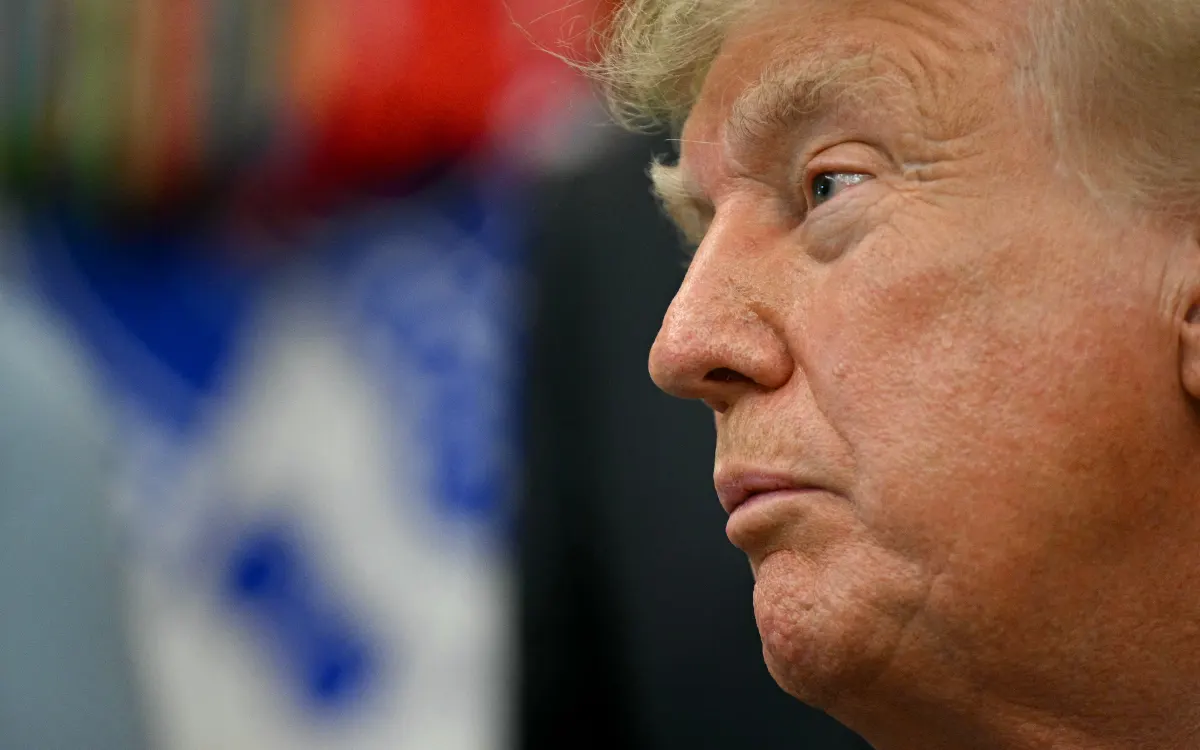
President Donald Trump said on Sunday that Yemen’s Houthis have agreed not to attack the United States, despite the Iran-backed rebels escalating the war against American ally Saudi Arabia, according to U.S. media.
Trump said he is constantly communicating with the Houthis. He has made the claim before that the Houthis would not attack U.S. troops in the region.
“The Houthis called us and they don’t want to fight with us. They don’t want us to go after them,” Trump said on September 12.
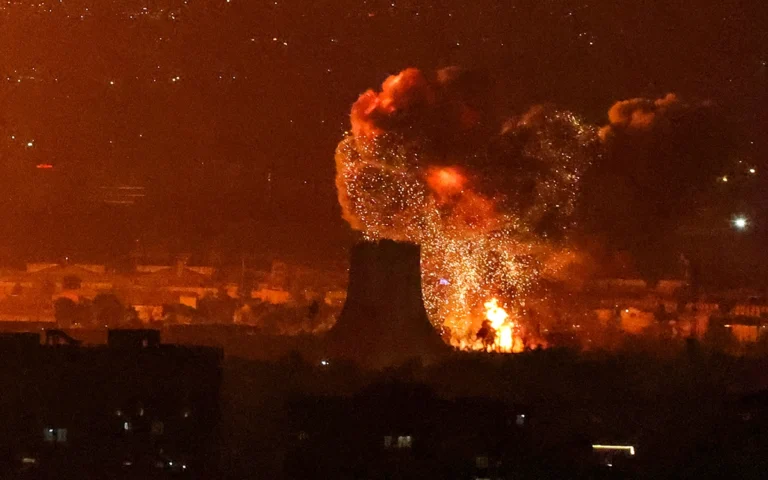
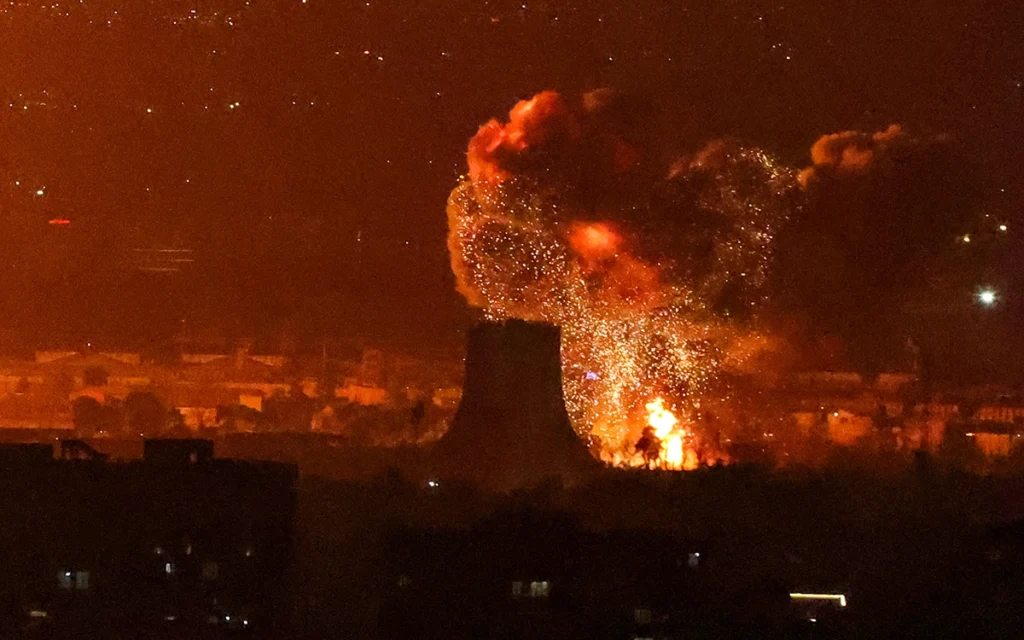
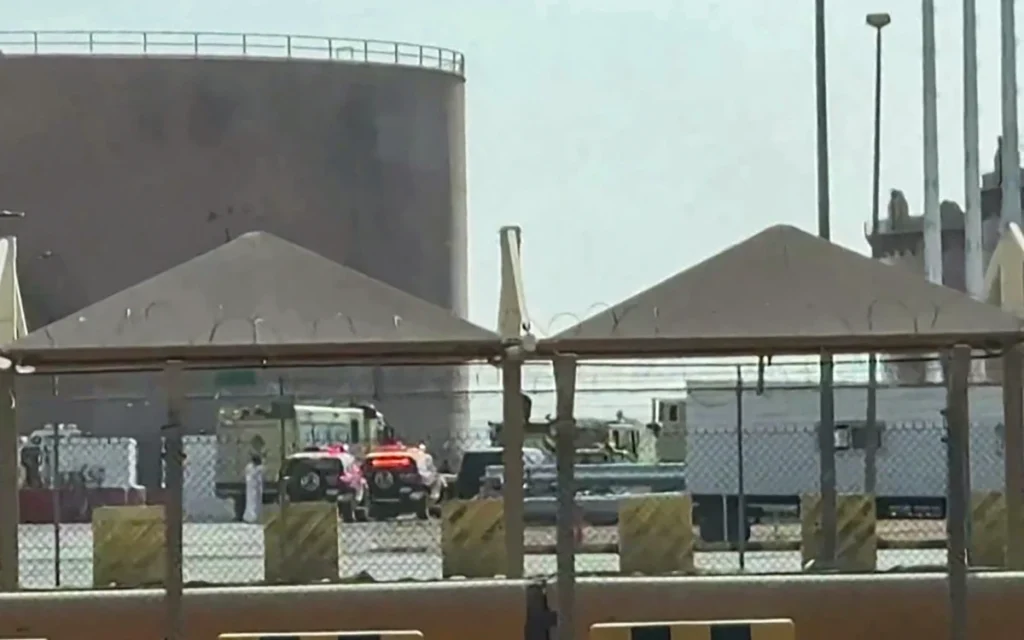
Trump reportedly ordered the Pentagon to prepare strikes against Yemen’s Houthis after initially resisting Saudi requests for direct U.S. intervention, but reversed course at the last minute. Target lists had reportedly been approved, and bombs were being loaded onto U.S. aircraft before the operation was halted, according to reporting today citing U.S. media. The U.S. president’s latest comments come as Saudi Arabia, a close U.S. ally, faces increasing pressure, with a missile targeting the capital Riyadh on Saturday.
Trump’s decision to halt planned strikes raises broader questions about Washington’s strategy as the conflict spreads across the region. One is whether Trump’s reluctance to intervene directly in Yemen reflects an effort to avoid opening another active front while the war with Iran remains unresolved and carries the risk of renewed escalation. U.S. forces are already heavily committed to the Iran conflict, while the existing U.S.–Houthi ceasefire has largely kept American forces and vessels outside the renewed fighting in Yemen.
A second question is whether Washington’s position could give the Trump administration additional leverage in its broader negotiations with Saudi Arabia. Trump has already sought to connect major elements of the bilateral relationship, publicly saying that the U.S.–Saudi civil nuclear agreement is contingent on Riyadh joining the Abraham Accords, although that condition is not included in the agreement itself. Whether military support against the Houthis could become part of that wider bargaining dynamic remains unclear, but Riyadh’s requests for direct U.S. assistance give Washington another potentially significant point of leverage as the kingdom faces increasing pressure from Yemen. (AFP+EIR)