
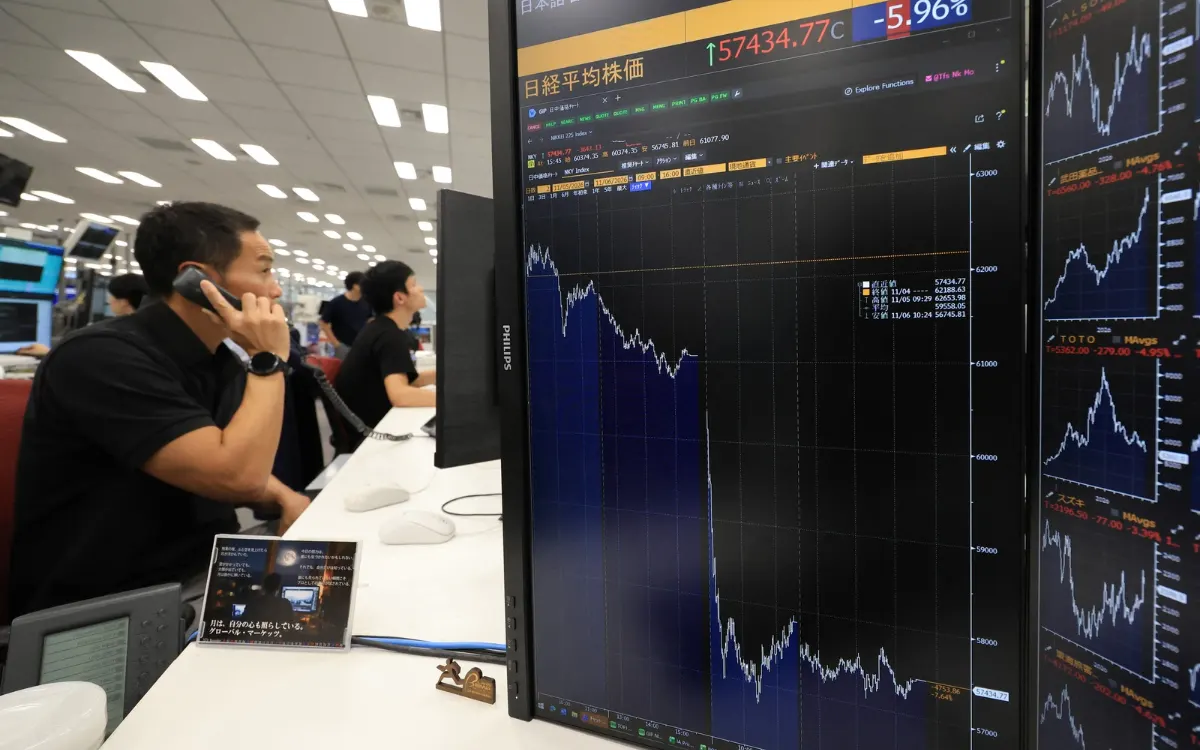
U.S. President Donald Trump blamed the Democrats’ midterm election victory for Thursday’s Wall Street plunge, as fears of tighter artificial intelligence regulation rattled technology stocks. The selloff spread across Asian markets Friday, exposing uncertainty over the investment boom underpinning America’s technological competition with China.
The Nasdaq fell 5.5 percent, its worst session since April 2025, while South Korea’s SK hynix and Samsung, Japan’s SoftBank, and Taiwan’s TSMC suffered sharp losses. Investors fear that newly elected Democrats could restrict data center construction, compounding existing concerns about the profitability of enormous AI investments.
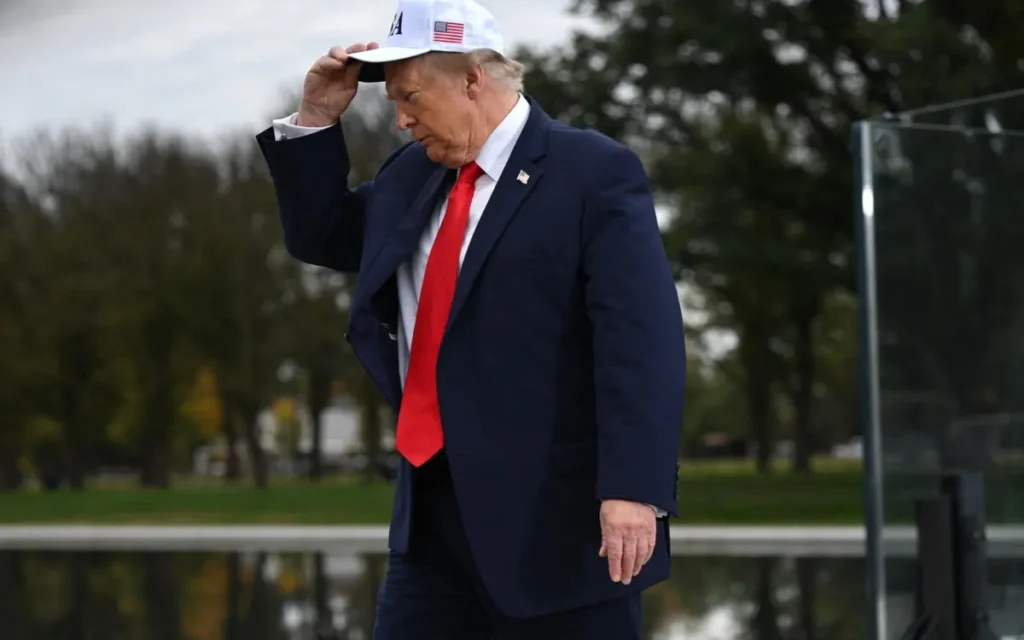
Trump wrote on Truth Social after U.S. markets closed Thursday that the stock market “crashed today” because Democrats “had a big Tuesday.” “So sad to see, you only have yourselves to blame!” he added.
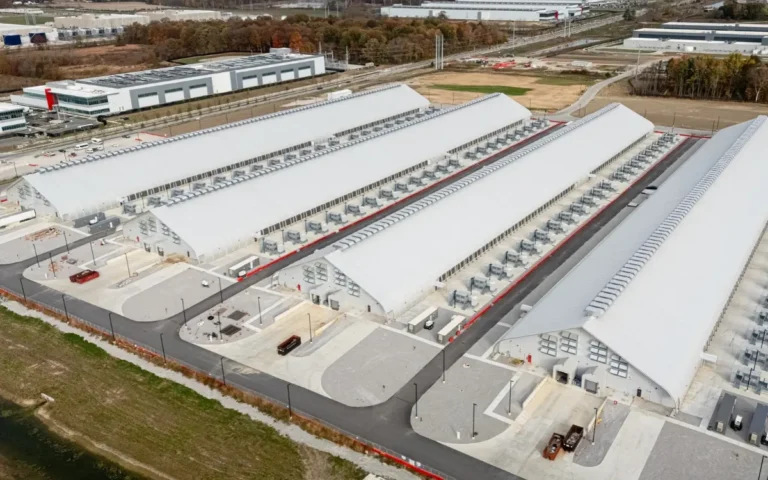
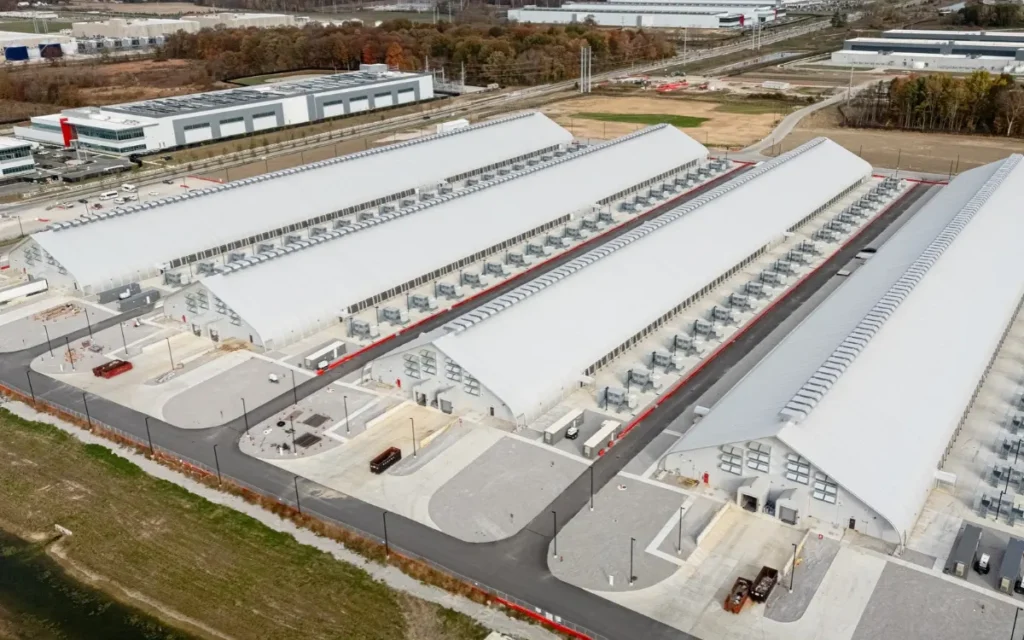
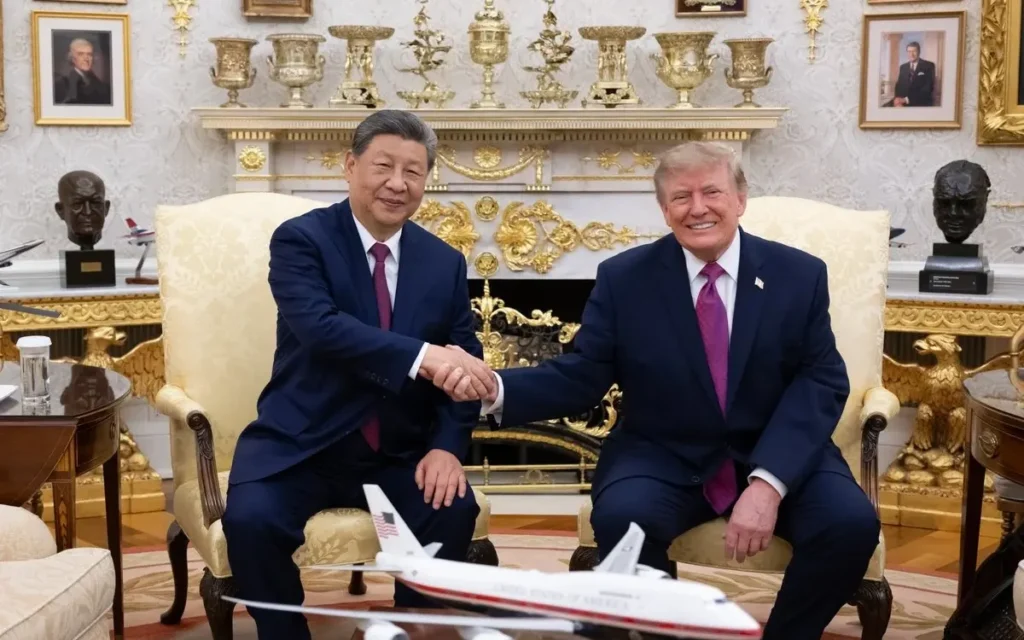
The election has complicated Trump’s strategy of accelerating AI development through private investment and limited regulation. More than 40 local measures restricting data centers passed during the midterms, according to Redbud Consulting, with opposition crossing party lines. In Piqua, Ohio, voters approved a ban that could affect a planned Meta data center tied to a $1 billion investment pledge. In Texas, Democratic Governor-elect Gina Hinojosa has pledged a moratorium on data center construction and tighter rules on water and power use. Trump has defended the facilities, saying communities that reject them will end up “backwards and poor” and that China “could not be happier” with the backlash. Meanwhile, Nvidia has reportedly told cloud partners to direct at least 51 percent of their services toward non-Chinese customers, reflecting the strategic competition surrounding AI computing capacity. The selloff’s impact on Asian semiconductor companies illustrates how uncertainty over American AI investment can reverberate through international technology supply chains.
The market reaction exposes a divide between Washington’s technological ambitions and public resistance to the infrastructure supporting them. Trump’s attribution of the decline to Democrats overlooks preexisting investor concerns about spending, borrowing costs, and whether AI projects can generate sufficient returns. China’s efforts to develop domestic computing capacity heighten the strategic stakes, but the market downturn alone does not establish that Beijing stands to benefit. For the United States, the challenge is to reconcile public scrutiny and investment risks with its ambition to remain competitive in the global AI industry. (AFP+EIR)