

Britain faces the prospect of an unprecedented surge in cyber incidents over the coming months, with artificial intelligence threatening to expose longstanding weaknesses in critical infrastructure. The warning comes as cyberattacks on supermarket refrigeration systems across Europe demonstrate how digital vulnerabilities can disrupt essential services.
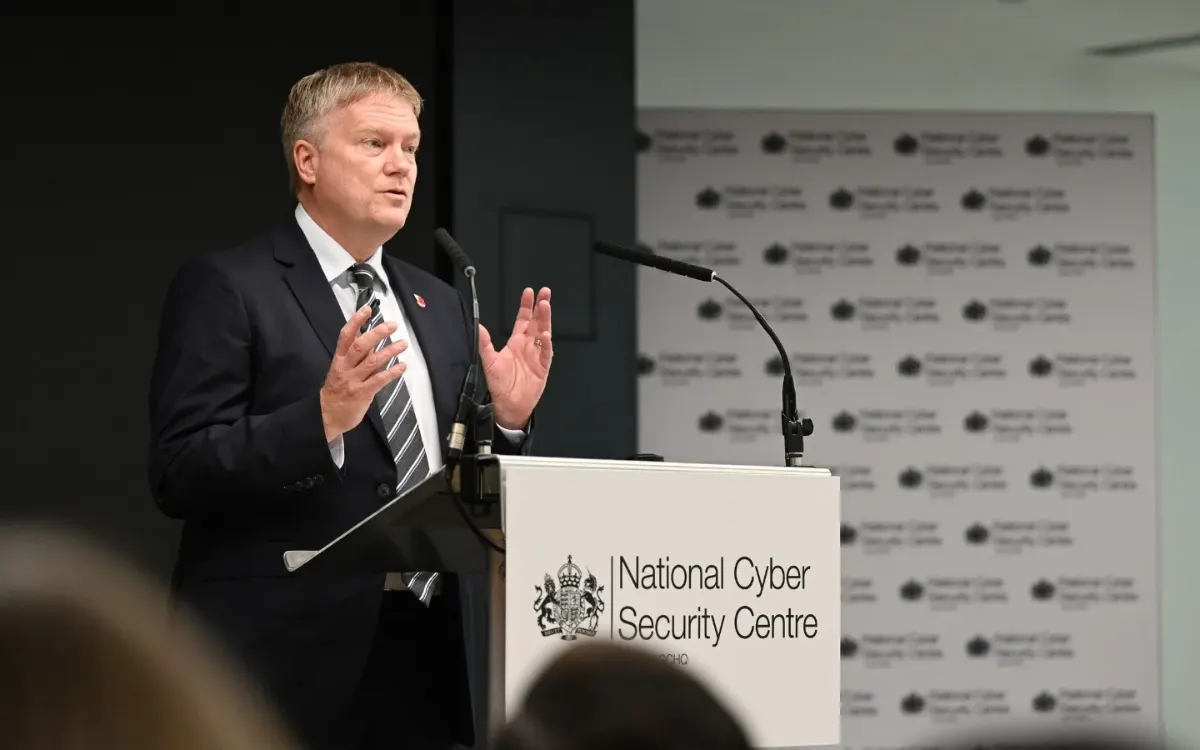
Richard Horne, chief executive of the UK’s National Cyber Security Centre (NCSC), issued the warning Tuesday following the publication of its annual threat assessment, which estimated that malicious cyber activity costs British organizations approximately $19.7 billion annually. The report assessed that China, Russia, and other states would likely use AI-enabled cyber operations more routinely by 2028, identifying China as particularly capable of targeting critical infrastructure.
“In the coming months, we face a real prospect of an unprecedented rise in the number of cyber incidents,” Horne warned. “It is because vulnerabilities that have been tolerated for far too long can now be discovered and exploited at a scale that was once unimaginable.”
The warning follows suspected cyberattacks affecting supermarket refrigeration systems in at least nine European countries, including Belgium, Italy, Sweden, and Ireland. Retailers discarded spoiled food after hackers reportedly manipulated temperature controls, while Italy convened emergency talks with intelligence officials and Belgium opened an investigation. The incidents followed an October attack on hundreds of French supermarket refrigeration systems, exposing vulnerabilities in older connected equipment.
Horne also accused Iran of conducting malicious cyber operations globally amid the Middle East conflict, while the NCSC identified Russia as another major state-linked cyber threat. The British government announced approximately $13.4 million in additional funding to help small and medium-sized businesses strengthen cybersecurity. Together, these developments illustrate how cyber threats increasingly extend beyond government networks into food distribution, commercial infrastructure, and everyday economic activity. The strategic challenge is whether Britain and its European partners can strengthen aging digital infrastructure before AI accelerates the exploitation of existing vulnerabilities. The effectiveness of security upgrades, international cooperation, and government investment will help determine whether future attacks remain localized disruptions or develop into broader threats to essential services. (AFP+EIR)