
Iran says it could reopen the Strait of Hormuz within two days if Washington meets its conditions, even as Tehran warns that renewed U.S. strikes could trigger a longer, wider war. President Donald Trump has threatened further attacks, underscoring the fragility of diplomatic efforts.
Iranian Foreign Ministry spokesman Esmaeil Baqaei said Monday that Tehran was considering shortening its proposed timeline for restoring security to the strategic waterway from one week to two days. He said indirect exchanges with Washington were continuing through mediators, with the reopening and resumption of negotiations dependent on Iranian demands being met. Tehran’s broader demands include sanctions relief, the release of frozen assets, an end to the U.S. naval blockade of Iranian ports, and an end to fighting across the region.
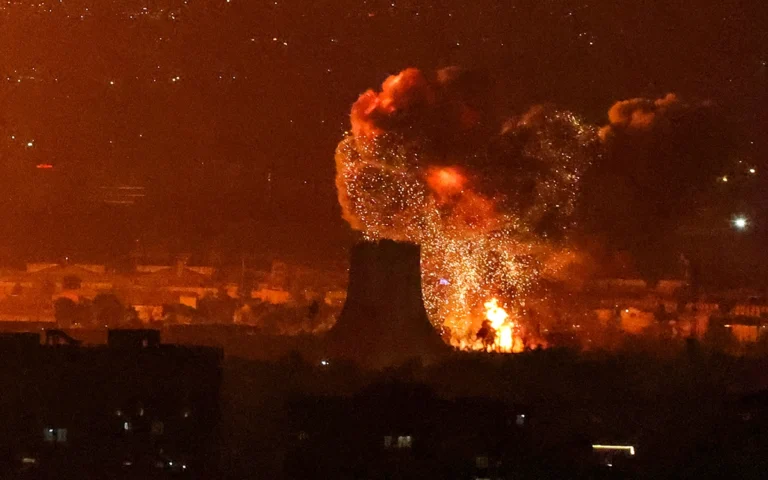
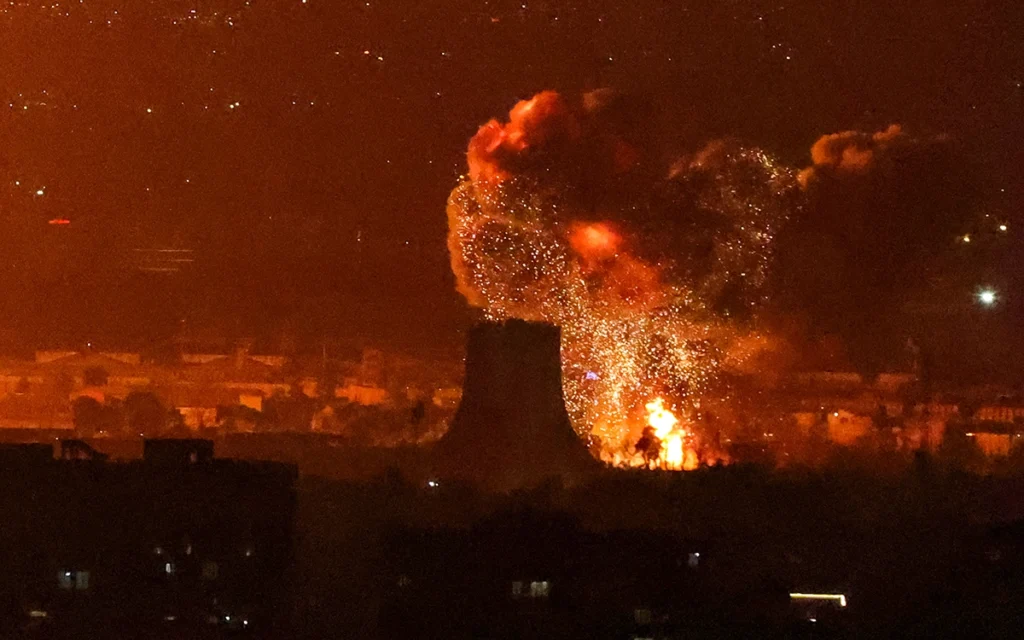
The diplomatic opening comes alongside increasingly forceful military warnings. Iranian army spokesman Mohammad Akraminia said a new confrontation could last longer than the fighting that began with U.S.–Israeli strikes on February 28. Revolutionary Guards spokesman Hossein Mohebbi warned that retaliation would face “no geographical limitations.” Trump, meanwhile, told supporters at an Iowa rally Sunday: “But at some point, we’re going to have to give them the hammer.” The president has also identified suspected remaining Iranian nuclear facilities as potential targets.
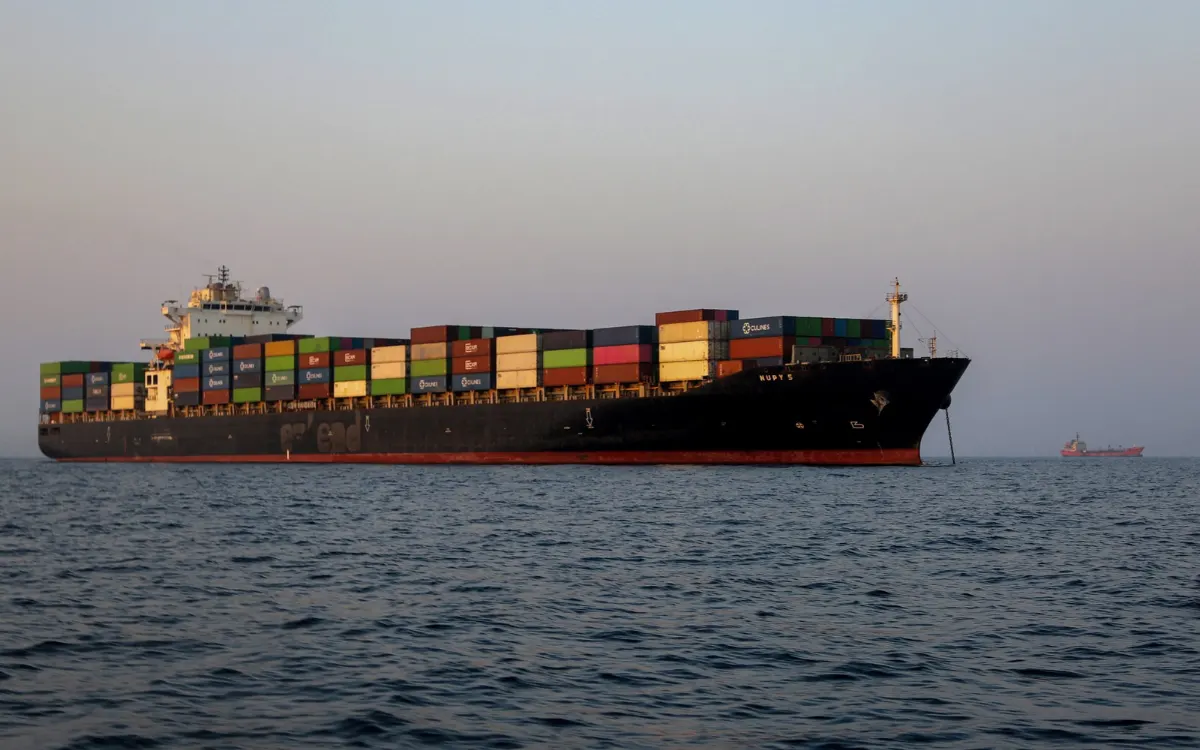
The confrontation has been complicated by reported differences between Washington and Jerusalem. American media reported that Trump and Israeli Prime Minister Benjamin Netanyahu discussed Iran on Saturday, with Netanyahu pressing for renewed strikes immediately after the November 3 U.S. midterm elections, while Trump favored allowing negotiations more time. Trump confirmed discussing Iran with Netanyahu but offered no details. The Strait of Hormuz remains central to the dispute—Iran has imposed restrictions on shipping through the vital energy corridor, while the United States maintains a naval counterblockade of Iranian ports.
The proposed two-day reopening offers a potential route toward de-escalation, but its conditions underscore how far the parties remain from agreement. Washington faces pressure to restore energy flows without abandoning its demands on Iran, while Tehran is seeking economic and security concessions before reopening Hormuz. With military threats continuing and Israel reportedly favoring faster action, the coming days could prove decisive in determining whether indirect diplomacy produces a breakthrough or gives way to another round of regional warfare. (AFP+EIR)