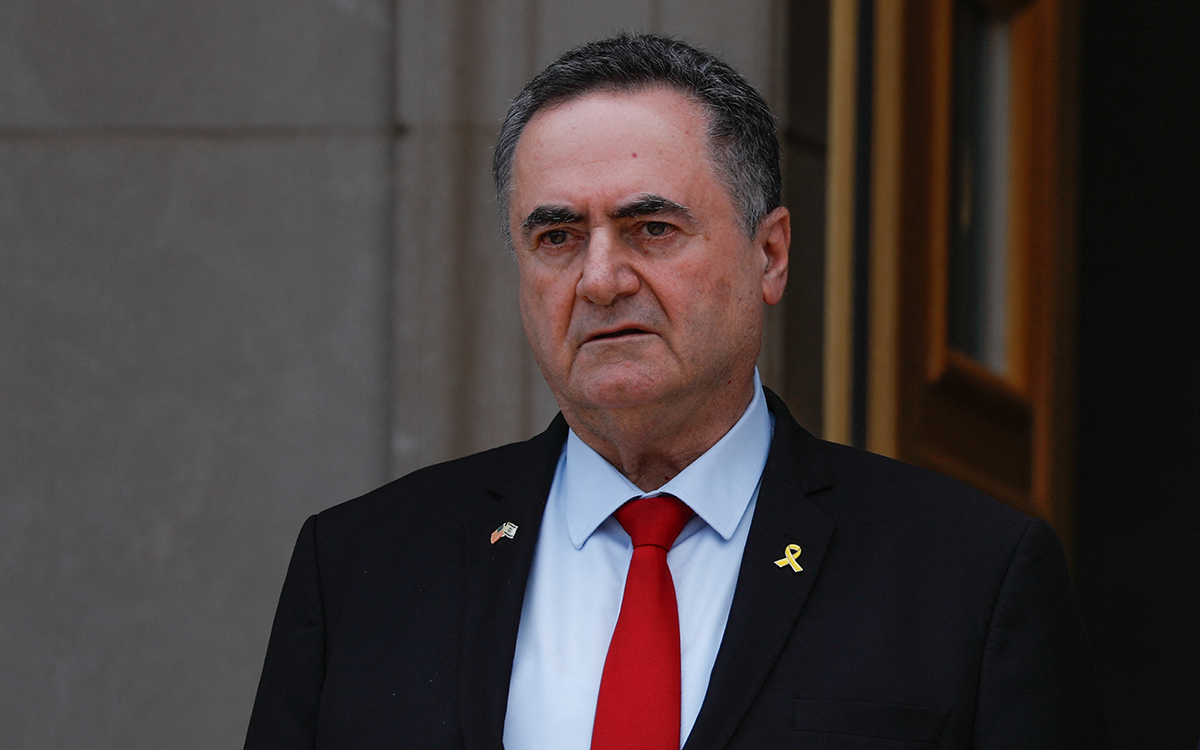
Israeli Defense Minister Israel Katz’s statements regarding the incomplete military mission in Iran place the Iranian issue at the heart of potential political shifts in Israel, as Gadi Eisenkot is nearing the task of forming a government that could end Benjamin Netanyahu’s rule.
While Israel maintains its stated objectives regarding Tehran, and diplomatic efforts continue to prevent a resumption of war, a question arises as to whether the potential transfer of power will lead to a reassessment of Israel’s approach towards Iran, or whether it will maintain the same objectives but with different means of achieving them.
On Sunday, Katz reiterated his accusation that Tehran is seeking to acquire nuclear weapons, a claim Iran has consistently denied. His statements come amid the possibility of renewed war between the United States and Iran, at a time when Israel is undergoing political transformations that could lead to a change in leadership.
In contrast, the Iranian military asserted that it is now stronger than it was at the start of the war, citing the military experience it gained during its direct confrontation with the United States and Israel, and its increased readiness to deal with any new escalation. Tehran also emphasized its continued control over the Strait of Hormuz, linking its reopening to Washington’s acceptance of its conditions.
Diplomatic efforts aimed at preventing a resumption of military operations continue, amidst American threats to resume large-scale strikes and indications from President Donald Trump of progress in negotiations.
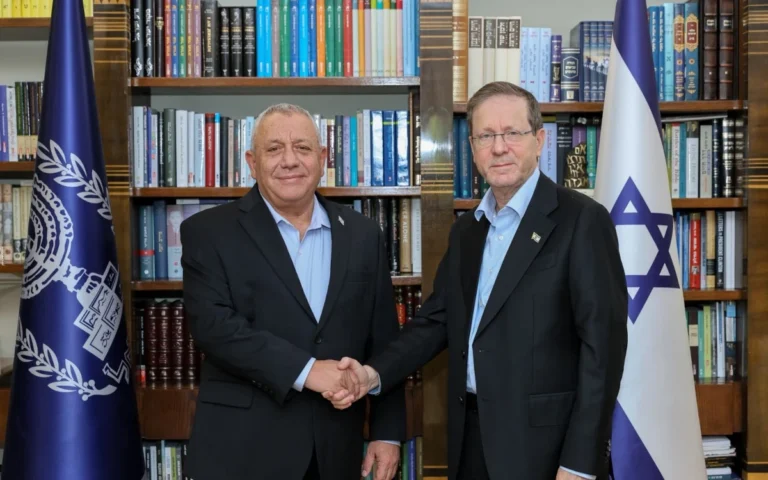
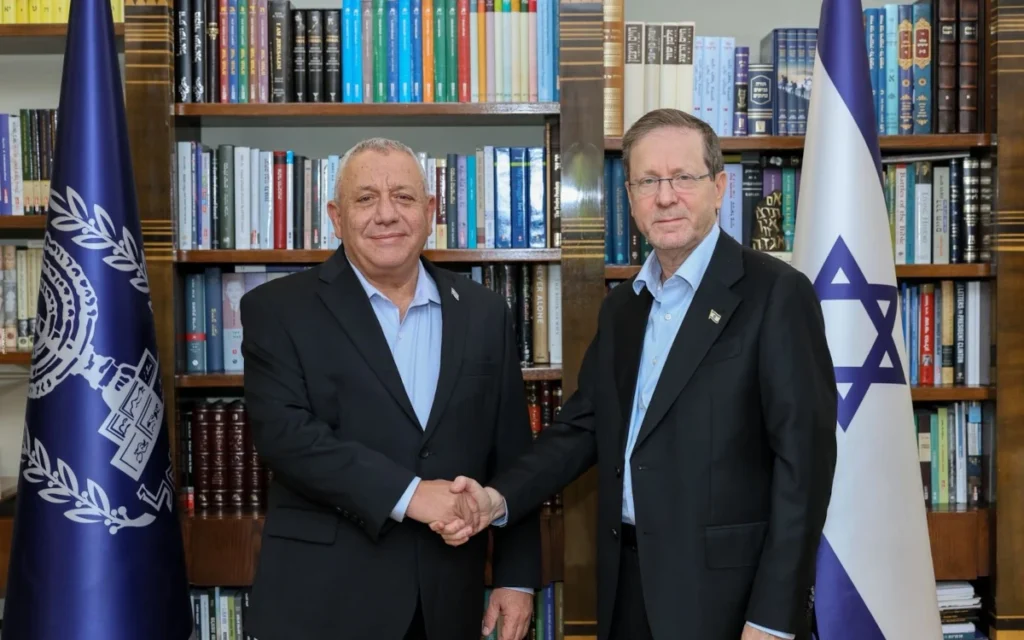
Katz’s statements carry significance beyond the current military situation, as they come against the backdrop of a potential political shift that could end Netanyahu’s term. Israeli President Isaac Herzog announced his intention to task Gadi Eisenkot with forming a government, after he received the recommendation of blocs representing 67 Knesset members, compared to 46 members who recommended reappointing Netanyahu.
Eisenkot is scheduled to officially receive the mandate and will have 28 days to form a government, with the possibility of a 14-day extension.
This development makes the future of the confrontation with Iran one of the first issues facing the new Israeli government, especially since Katz’s statements reflect a commitment to maintaining pressure on Tehran, even as diplomatic efforts continue to contain the escalation through negotiation, despite ongoing U.S. military threats.
If Eisenkot succeeds in forming a government, he may be forced to determine whether Israel will continue to consider military action as the primary option for achieving its stated objectives, or whether it will give greater emphasis to the diplomatic track. He will also have to decide whether any potential change will encompass the objectives of Israeli policy toward Iran or be limited to its implementation.
However, a transfer of power does not necessarily mean a rapid shift in policy toward Iran. Eisenkot has a military background as a former Chief of Staff of the Israeli army, and forming a stable coalition government requires complex political agreements, which could limit the new government’s ability to make decisive decisions regarding the Iranian issue.
Thus, the first challenge for the next government may not be solely related to changing the leadership, but rather to its ability to formulate a unified position on Iran, define the limits of coordination with Washington, and balance the continuation of military pressure with allowing room for diplomacy, at a time when the possibilities of escalation and de-escalation remain open. (EIR)