
Alexander Dubowy

HomeAlexander Dubowy
Alexander Dubowy
Alexander Dubowy
Dr. Alexander Dubowy is a Vienna-based analyst specializing in geopolitical risk and security in Eastern Europe, Russia, and the post-Soviet space. With over 20 years in research, consulting, and policy analysis, he works with leading international research institutes and think tanks. Dubowy brings rigorous geopolitical and legal insight, regional fluency, and practical perspectives to his commentary.
Alexander Dubowy - Author - Eagle Intelligence Reports - Politics - analyst - geopolitical - political - Europe
Alexander Dubowy

Dr. Alexander Dubowy is a Vienna-based analyst specializing in geopolitical risk and security in Eastern Europe, Russia, and the post-Soviet space. With over 20 years in research, consulting, and policy analysis, he works with leading international research institutes and think tanks. Dubowy brings rigorous geopolitical and legal insight, regional fluency, and practical perspectives to his commentary.

Testing Russia's Quiet Ally

Testing Russia’s Quiet Ally

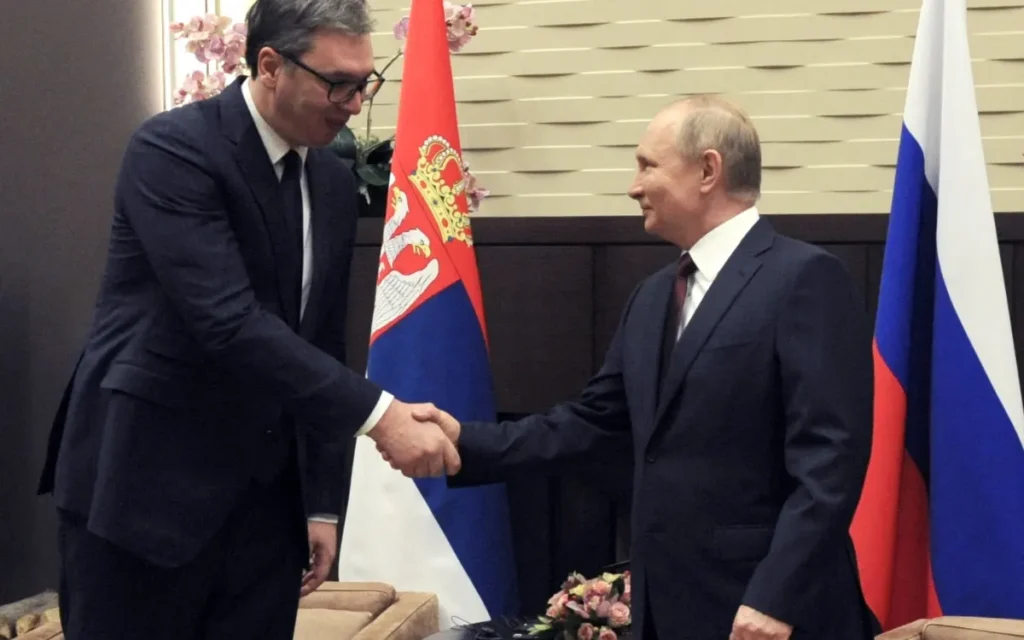
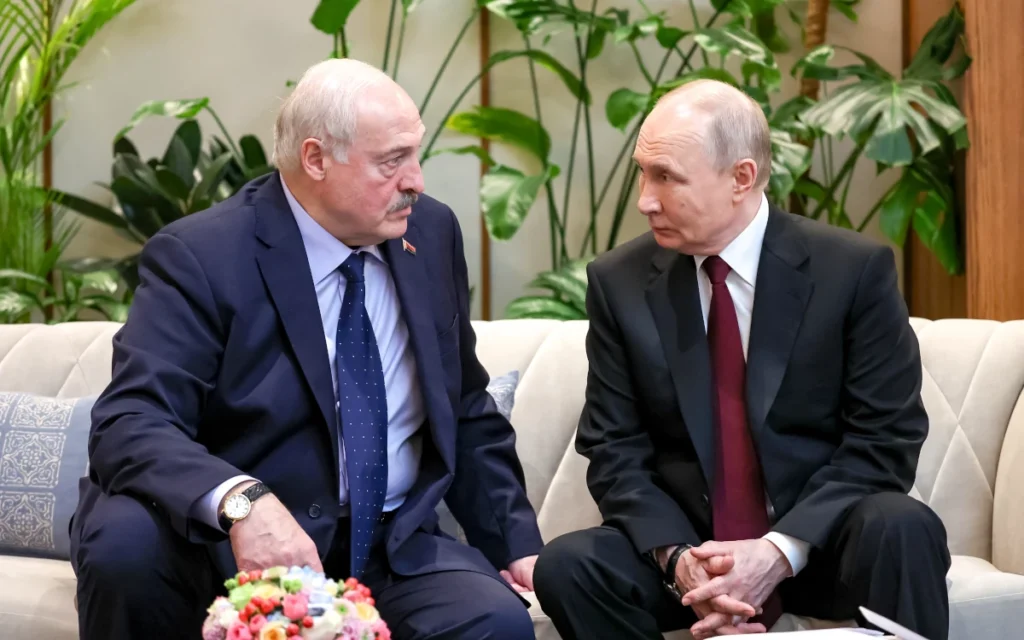
Russia has turned Belarus into an integral platform for its war on Ukraine. The Lukashenko regime sends no soldiers, yet Belarusian roads, factories, and airspace serve the operation. That military restraint also creates an opening, and Washington is now testing whether engagement can widen Minsk’s room for maneuver from Moscow.

By
How War Is Reordering Russia's Elite

How War Is Reordering Russia’s Elite

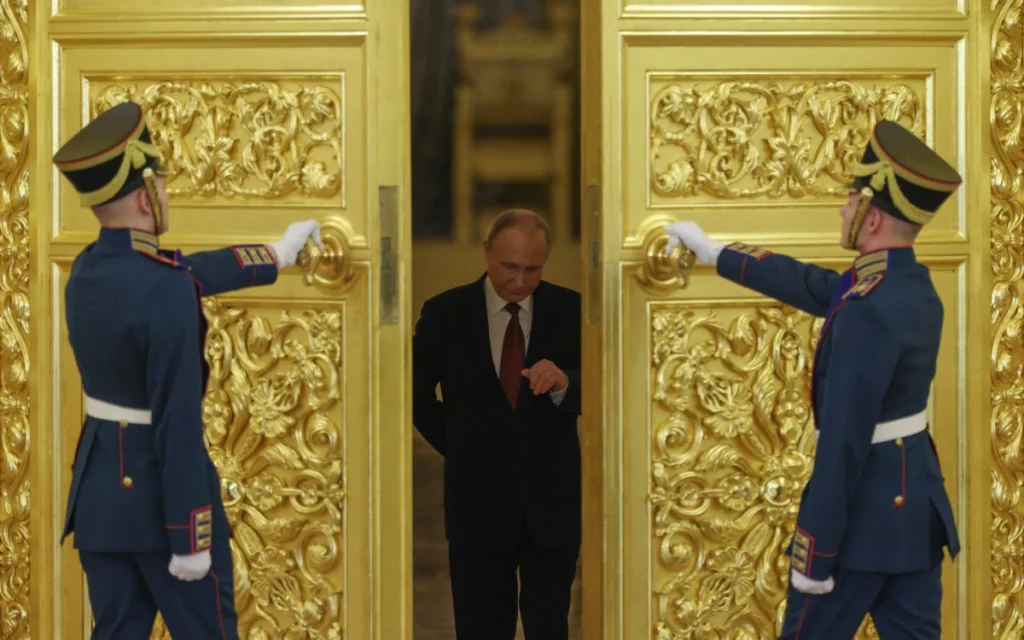
Putin’s inner circle has always run on loyalty. War is adding a second test: usefulness. The longer the fighting lasts, the more influence passes to the officials who keep Russia’s war economy running.

By
Armenia's Costly Turn Away from Russia

Armenia’s Costly Turn Away from Russia

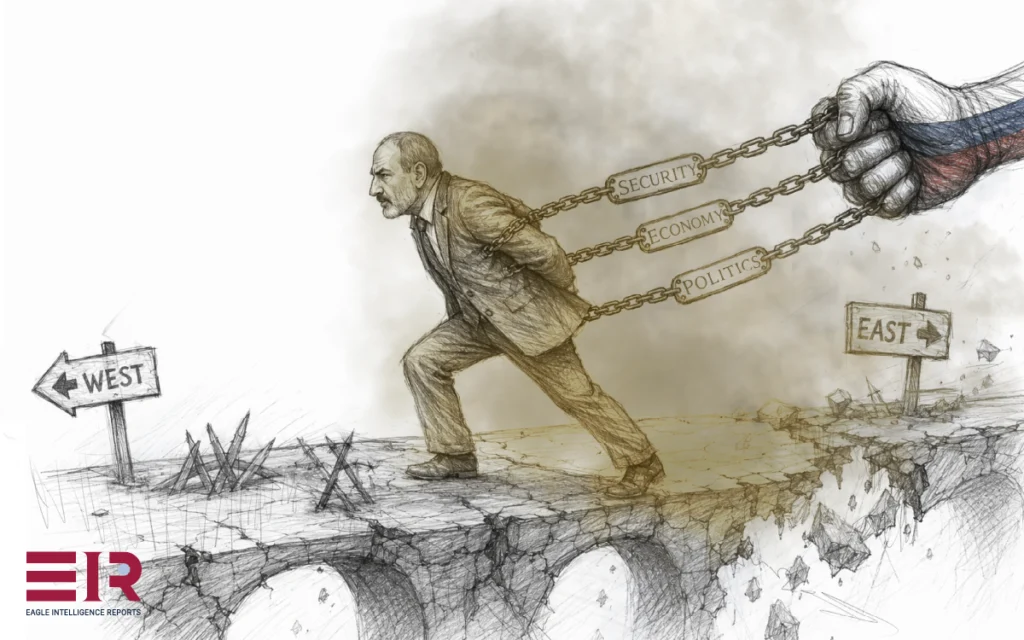
Russia lost Armenia’s election. That may not matter much. On June 7, 2026, Armenians handed Nikol Pashinyan another term with nearly 50 percent of the vote. It was the country’s first national vote since Azerbaijan seized Nagorno-Karabakh in 2023, and it looked like a verdict against Moscow.

By
The War Through Kremlin Eyes

The Iran War Through Kremlin Eyes

For the Kremlin, the Iran war is not primarily a Middle East crisis but rather a critical opportunity to capitalize on the strategic exhaustion of the Western coalition sustaining Ukraine. Despite Moscow’s deep ties with Tehran, the conflict is a chance to test the West’s capacity. But it also unfolds under conditions beyond Russia’s control.

By
The U.S. Credibility Gap Across Theaters

The U.S. Credibility Gap Across Theaters

The United States does not suffer from a lack of power, but from a growing inability to convert military superiority into lasting credibility across multiple theaters at once. The gap between the ability to hit and the ability to shape outcomes has become structural, emerging wherever American commitments come under sustained pressure.

By
The Age of Conditional Alliances

The Age of Conditional Alliances

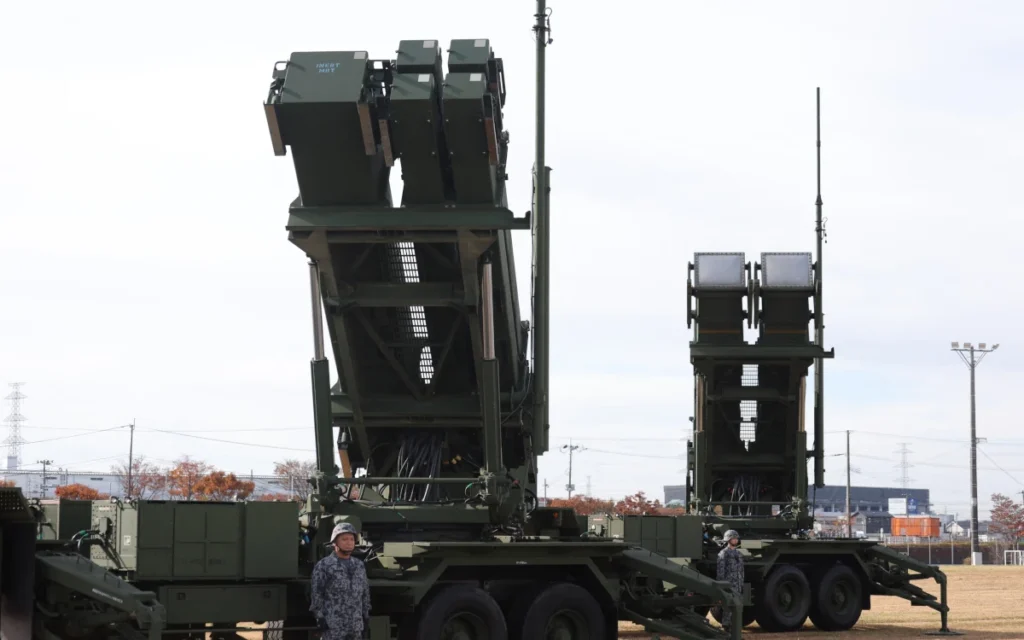
The updated U.S. National Defense Strategy (NDS) marks the most consequential reordering of U.S. commitments since the late Cold War. It replaces the implicit post-1945 contract with a conditional model in which Washington concentrates on homeland security, hemispheric control, and the Indo-Pacific as the primary external theater.

By
Iran's Crisis and the Geopolitics of Unrest

Iran’s Crisis and the Geopolitics of Unrest

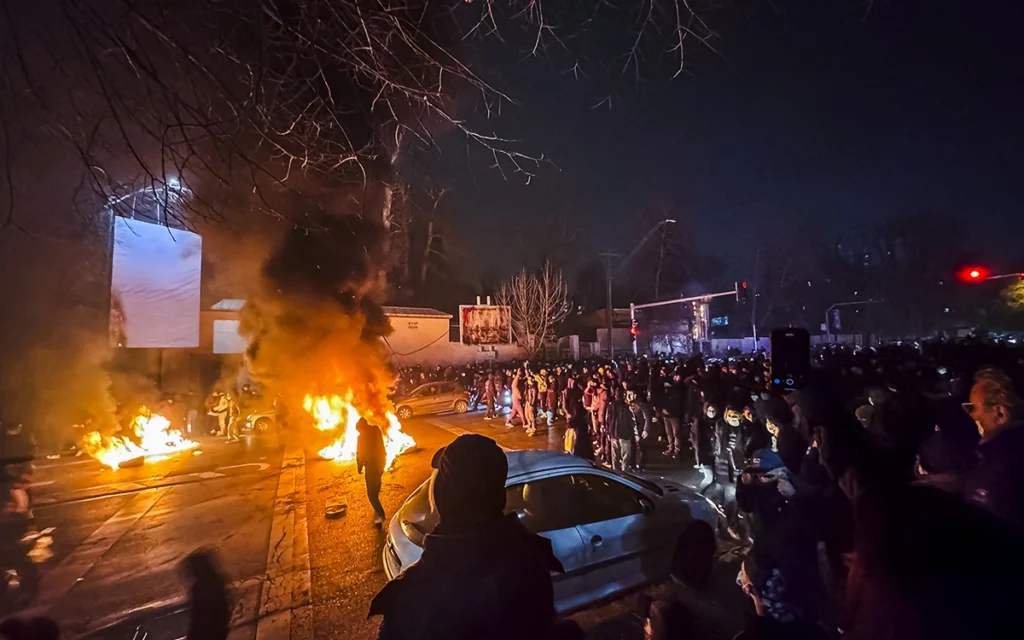
Last month, Iran faced its most serious nationwide challenge in decades. In protests across dozens of cities, demonstrators not only demand economic relief but openly call for the overthrow of the theocratic regime. The government’s response couples extreme violence and repression with information warfare, including a near-total internet shutdown.

By
NSS 2025: From Guardianship to Hierarchy

NSS 2025: From Guardianship to Hierarchy

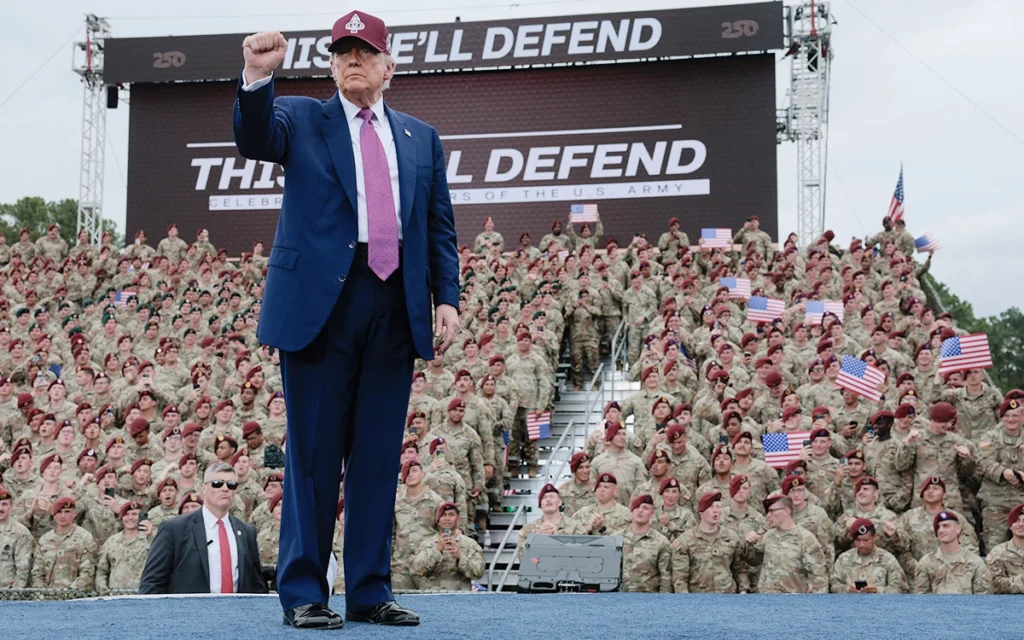
The new United States National Security Strategy (NSS) of 2025 codifies a strategic turn away from the ambition of global guardianship towards a hierarchical ordering of interests, in which allies are explicitly ranked and held to account. Europe and other partners are no longer treated as pillars of a liberal order, but as subordinate actors.

By
Caracass 2026: Decapitation and Multipolar Disorder

Caracass 2026: Decapitation and Multipolar Disorder

When US helicopters thudded low over Caracas in the early hours of January 3rd and explosions lit up Fuerte Tiuna and La Carlota Air Base, the strategic script felt eerily familiar, especially to anyone who remembers Manuel Noriega being flown out of Panama on January 3rd, 1990.

By
Europe's Layered Deterrence and Nuclear Grey Zone

Europe’s Layered Deterrence and Nuclear Grey Zone

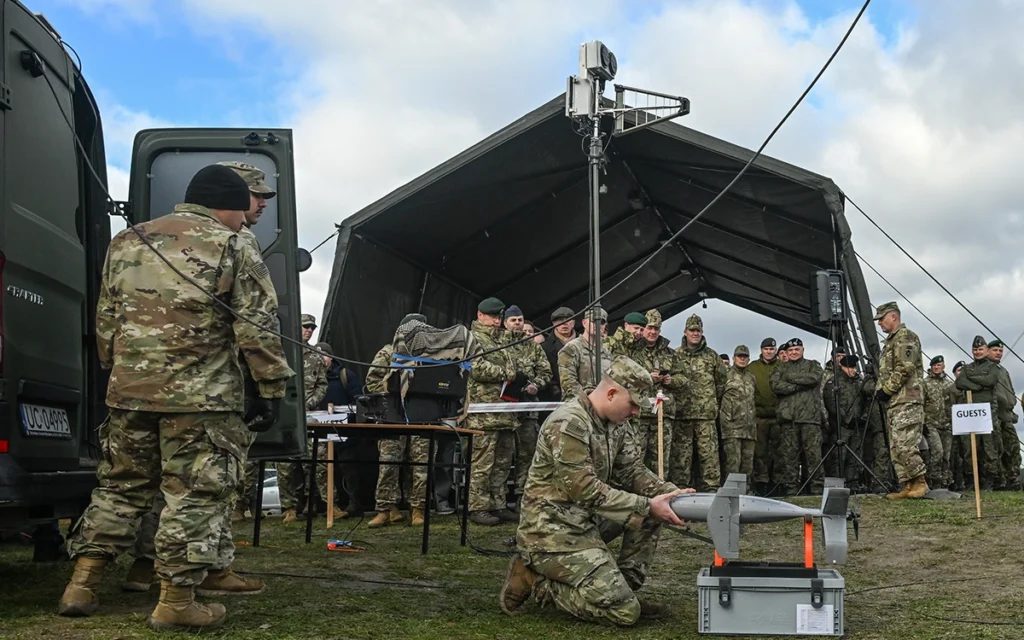
Russia’s full-scale invasion of Ukraine in February 2022 has actively reshaped Europe’s deterrence landscape. The political uncertainty surrounding Donald Trump’s return to the White House has renewed calls for European strategic autonomy and intensified doubts about the long-term reliability of US extended nuclear deterrence in European capitals.

By
  • 1
  • 2

SIGN UP FOR FREE TO EAGLE INTELLIGENCE REPORTS

Exclusive Insights & Reports

Get access to in-depth analysis, exclusive intelligence, and expert reports designed to keep you informed and ahead of the curve on the most important global developments.

By signing up, you agree to our Privacy Policy.

Eagle Intelligence Reports
Privacy Overview

This website uses cookies so that we can provide you with the best user experience possible. Cookie information is stored in your browser and performs functions such as recognising you when you return to our website and helping our team to understand which sections of the website you find most interesting and useful.