
Russia has turned Belarus into an integral platform for its war on Ukraine. The Lukashenko regime sends no soldiers, yet Belarusian roads, factories, and airspace serve the operation. That military restraint also creates an opening, and Washington is now testing whether engagement can widen Minsk’s room for maneuver from Moscow. How well that arrangement holds up under pressure is unclear, and a recent episode has shown why.
On June 19, 2026, Volodymyr Zelensky gave Alexander Lukashenko one week to shut down four Russian relay stations. Ukraine said the stations were guiding drones into its north and west. Five days later, they went silent. Kyiv could not say who switched them off or whether they were gone. Lukashenko may have intervened, Moscow may have paused the operation, or the equipment may have simply gone quiet. That uncertainty matters more than the answer: no one can say where Belarus’s choices end and Russia’s begin.
Whether Belarus will formally enter the war is only part of the question. What matters more is what it already provides, what functions Lukashenko can still withhold, and how far the arrangement can widen while his forces stay out of the fight. The real test is one of strategic change: whether anything, from sanctions to diplomacy to pressure, can alter what Moscow already holds on the ground.
Whether Belarus will formally enter the war is only part of the question. What matters more is what it already provides
What Belarus Already Provides
Belarusian availability to Russia works at three levels, each leaving Lukashenko a different degree of control. The first is territorial and infrastructural. Russian forces used Belarusian roads, railways, airfields, and airspace to launch the February 2022 offensive against Kyiv, firing missiles and operating aircraft from Belarusian territory. The large ground formation later withdrew while much of the infrastructure stayed.
Belarus still gives Russia strategic depth north of Ukraine. As a potential deployment area, Belarus forces Kyiv to defend a frontier of more than 1,000 kilometers even when no offensive force is present. Ukraine has mined and fortified the border, built barriers, and installed drone defenses. Few of these resources can be redeployed simply because Minsk has not ordered an attack. The relay stations belong here too: by Kyiv’s account no Belarusian soldier flew the drones, but Russian equipment on Belarusian soil made them deadlier, with Minsk’s tacit consent at a minimum.
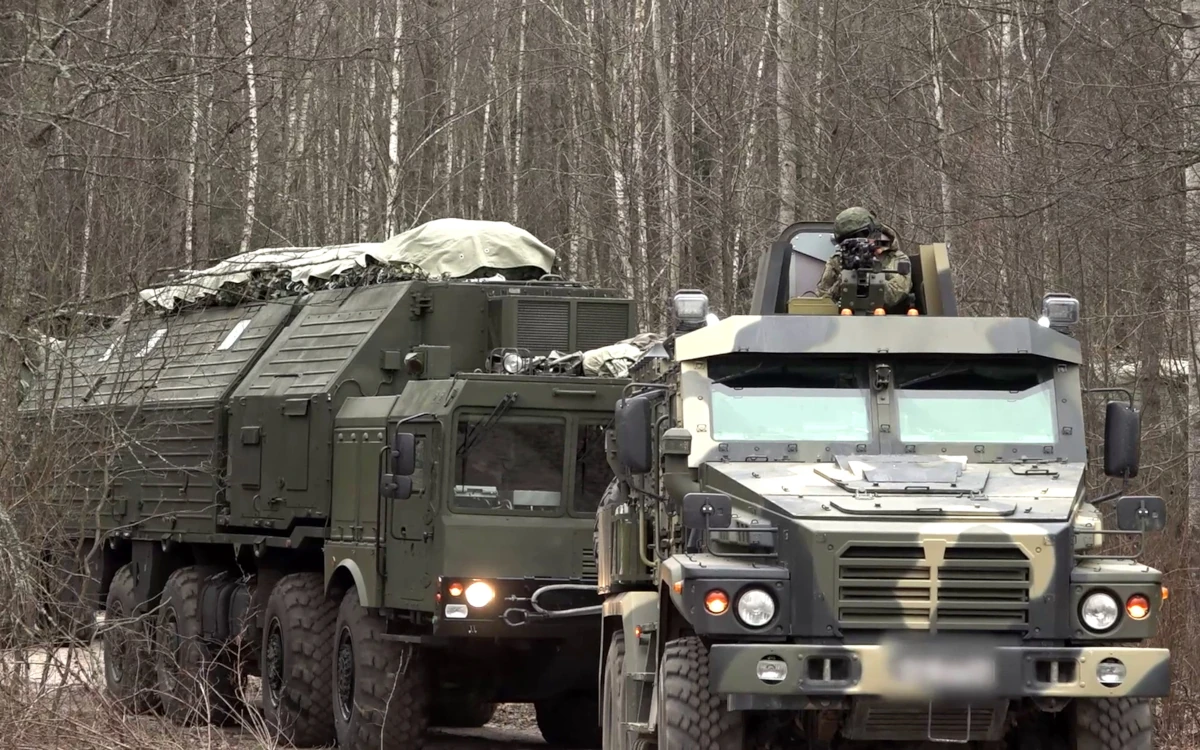
The second level is active support below direct combat. Belarusian firms repair and modernize equipment, produce components, and service supply chains that sanctions have made more important. Belarusian personnel join exercises and maintain the air defense and weapons systems stationed there. The Ukrainian government counts more than 3,000 Belarusian enterprises supplying Russia with machinery or components it deems critically important, some tied to missile production. This is an official Ukrainian figure, not an audited inventory, and the firms’ military weight surely varies. Still, the integration is not in doubt: Belarusian industry is wired into Russian defense production and procurement. Moreover, Belarusian capacity eases bottlenecks but is far too small to offset Russia’s equipment and ammunition losses.
The third level, direct participation by Belarusian combat formations, has not been reached. In late May 2026, Ukrainian border officials reported no movement of forces toward the frontier and no buildup capable of launching an offensive. Independent monitoring by the International Strategic Action Network for Security put Russian military personnel in Belarus at around 2,200 in early June. The absence of an invasion force and the continued preparation of infrastructure do not contradict each other: roads, depots, and prepared positions can serve training today while easing deployment tomorrow. This does not signal an imminent attack, but it does show that Moscow and Minsk mean to keep the option open.
A Platform Assembled, Not Designed
Belarus is a platform, but not a blueprint. The military value Belarus offers Russia has accumulated in layers. The oldest is Soviet inheritance, deepened by decades of integration under the Union State and through joint planning that predates the invasion. The 2020 political crisis added more, once Lukashenko’s survival came to depend more on the Kremlin. The war itself brought the newest additions, including the reported drone-control installations. What looks like a coherent design is better read as a patchwork that Moscow has learned to exploit.
That distinction matters, because that patchwork is what makes the arrangement so serviceable. Russia can generate military effects from Belarusian territory without stationing an army large enough to threaten Lukashenko’s control. Airfields and rail lines preserve deployment options; plants deliver repairs and components; exercises ready commands for operations that may never come. Systems can be introduced for a purpose and pulled back when the cost rises. A permanent occupation force would be expensive and politically hazardous, making Belarus’s lost sovereignty impossible to disguise. A collection of smaller functions is less visible and easier to manage, since each can be dressed as a technical, defensive, or alliance measure.
Russia can generate military effects from Belarusian territory without stationing an army large enough to threaten Lukashenko’s control
The nuclear relationship shows the pattern at its most deliberate. Moscow and Minsk say Russian tactical nuclear weapons are deployed in Belarus, and Belarusian forces rehearsed procedures for their possible use in May 2026 exercises, with Russia keeping control. Independent monitors cannot confirm the warheads’ location or permanent presence, nor the status of the Oreshnik intermediate-range system. The ambiguity does not mean the deployments are mere theater. Even an unverified nuclear presence ties Belarus to Russia’s escalation posture. It widens the set of sites NATO must weigh, complicates intelligence, and lets Moscow and Minsk signal together without revealing what is actually there. The coercive value may exceed the military one. Russia can already reach most European targets from its own soil; basing in Belarus adds no new strike capability, only a redrawn political map of escalation.
None of this is genuinely deniable. Russia’s use of Belarusian territory in 2022 is documented, as are the exercises, the industrial cooperation, and the integration. What Minsk preserves is formal separability. Lukashenko can say Belarus is not fighting because its formations remain outside Ukraine. Every supporting function, meanwhile, is cast as a defensive step or a Union State obligation. The distinction still serves Minsk politically; analytically, it no longer captures what Belarus does.
What Lukashenko Can Still Withhold
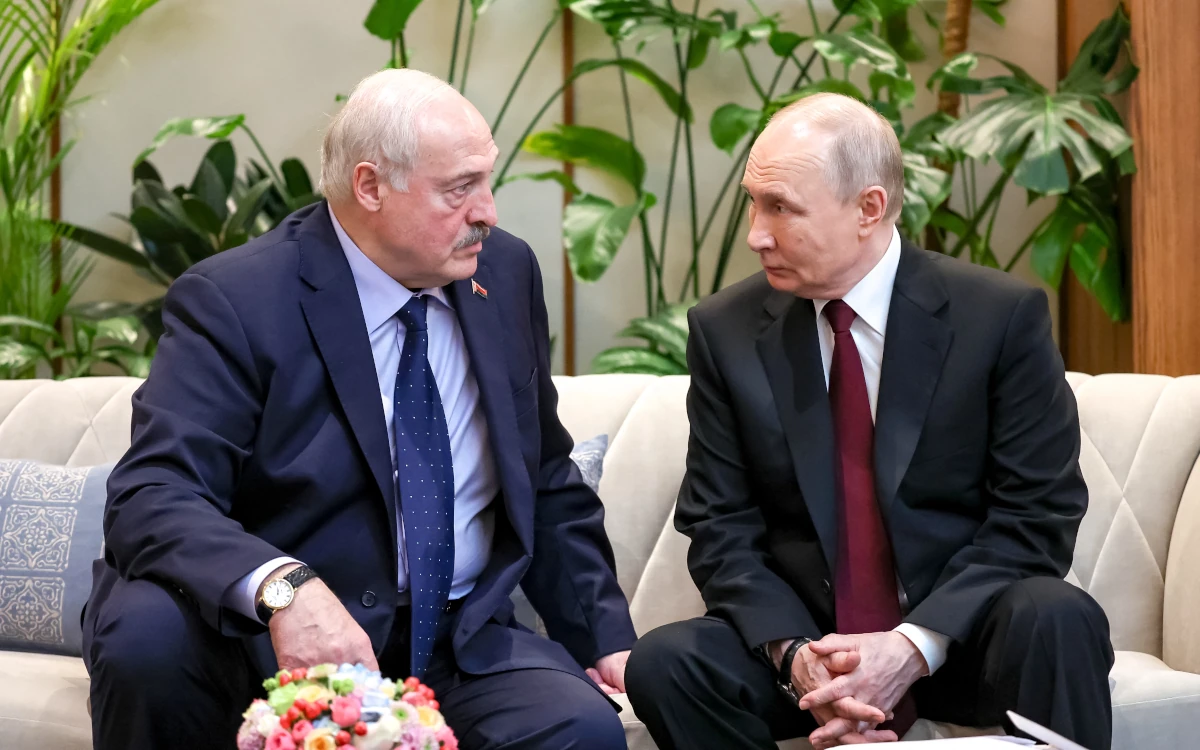
Lukashenko is neither free to move between Russia and the West as an equal nor able to refuse every Russian demand. His room to maneuver is narrow, transactional, and concentrated in a few decisions.
The largest has been not to send Belarusian formations into Ukraine. But the weight of that refusal is domestic and political, not military. The Belarusian army is small and built for territorial defense and regime security. Its offensive capacity is limited, and its units would likely not add much to a Russian order of battle already strained in Ukraine. Non-entry spares Lukashenko a war his public opposes and keeps casualties out of a small country with dense family networks; it denies Moscow little combat power it actually needs. Analysts on recent Radio Free Europe/Radio Liberty and Current Time programs make the same point: even allowing for the limits of polling under authoritarian rule, there is little to suggest a troop deployment would find public support. Technical and industrial help is easier to absorb: repair plants, components, and exercises stay remote from daily life. Casualties would not.
This is why the leverage question cuts against the assumptions behind Western engagement. The one function Lukashenko plainly controls—troop entry—is the one Moscow needs least and the West fears least. The functions the West would most want curbed run from basing and air defense to industrial supply and nuclear signaling. Those are the functions most easily introduced by Russian actors, under arrangements that leave Lukashenko little practical control. Beyond the troop threshold, what he bargains over is the next increment: which function he concedes, how permanent it becomes, whether it stays publicly ambiguous, and what Moscow or Washington offers in return.
The one function Lukashenko plainly controls—troop entry—is the one Moscow needs least and the West fears least
The dependence that hardened after 2020 will not be easily unwound. Russia supplies energy, market access, loans, political protection, and security cooperation. Belarus supplies territory, logistics, industrial capacity, and position. Yet the imbalance is not costless for Moscow. Replacing Lukashenko or forcing his army into an unpopular war would carry risks the Kremlin prefers to avoid. Moscow already gets broad cooperation from a regime that can govern and repress. Open occupation might buy more control on paper and less stability in fact.
What Belarus Changes for NATO
Belarus reshapes Russia’s operational geography toward NATO. It borders Poland, Lithuania, and Latvia, sits near the approaches to Vilnius, and lies east of the Suwalki corridor, the narrow land bridge between Poland and the Baltics. Russian access would improve the logistics, force protection, and axes available in any major ground operation there.
That does not make Belarus indispensable to every form of escalation. Russia can threaten NATO from its own territory and from Kaliningrad with missiles, drones, electronic warfare, sabotage, and border pressure, moving nothing through Belarus. Belarus matters most where territory matters: a ground operation against Lithuania, Poland, or the Suwalki corridor would be considerably easier with Belarusian roads, airspace, and staging areas. Whether Belarusian troops joined would be a separate question. Passive access alone would help; active logistical and air-defense support more.
Belarus also forces Ukraine and NATO to plan against possibilities Russia has not activated. Kyiv must hold its northern defenses; NATO must weigh how fast Russia could expand there and whether exercises mask a buildup. Below the level of war, Minsk keeps steering migrants toward Poland, Lithuania, and Latvia, imposing recurring costs.
Washington’s Stress Test
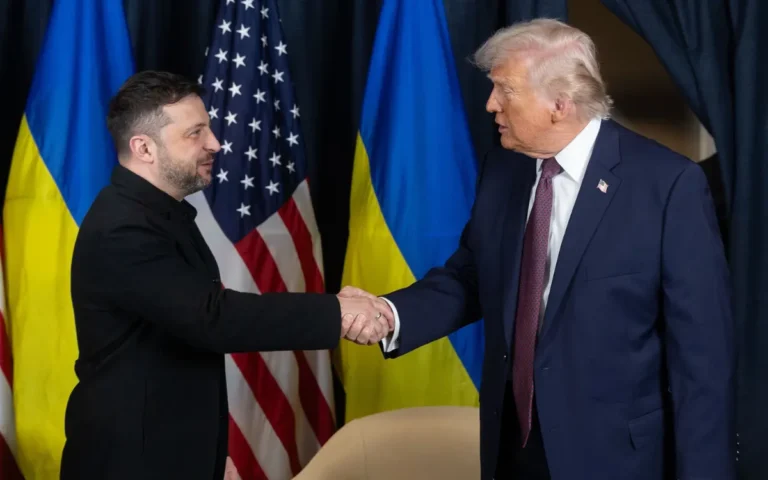
Washington’s renewed engagement with Minsk has produced real humanitarian results. In March 2026, Belarus released 250 prisoners after talks with U.S. envoy John Coale. In return, the United States eased restrictions on the Belarusian financial sector and lifted the remaining sanctions on large potash producers. The wider process has freed hundreds, even as the regime keeps arresting opponents. The releases matter on their own terms and may give Lukashenko options that raise the cost of automatic compliance with Moscow.
But Washington is testing how much Belarusian autonomy is left, and the European Union reads the same country differently. The bloc’s 21st sanctions package, adopted in July 2026, again extended Russia-related trade and military-industrial restrictions to Belarus. It treated Belarus as part of an integrated Russian–Belarusian system, not an actor to be handled separately.
The gap between American engagement and European pressure reflects two readings of Belarusian agency. Washington believes room can be created through transactions. Brussels doubts relief can be safely separated from the Russian war economy while military, customs, and financial integration remain intact. Both capture part of the truth: relief can either widen Belarusian autonomy or subsidize Russian access, and the sector and conditions decide which.
Relief can either widen Belarusian autonomy or subsidize Russian access, and the sector and conditions decide which
Measures that open independent Belarusian routes to Western markets could cut dependence on Russia. Potash is the clearest case in principle: if exports again moved through non-Russian infrastructure, Moscow would lose part of the logistical and financial benefit it now draws from sanctions-driven rerouting. The conditions for that do not exist today, but the mechanism is straightforward. The opposite risk arises when relief touches finance, aviation, or technologies that migrate easily into Russian supply chains. Belarus sits inside the Union State and the Eurasian Economic Union, and much of its trade already runs through Russia. A concession to Minsk can therefore cut Moscow’s costs while creating no Belarusian distance from Russia.
Humanitarian diplomacy can succeed without strategic decoupling, and the two should not be confused. The strategic test is whether engagement reduces Russia’s capacity to generate military effects from Belarusian territory, which meetings, prisoner releases, and diplomatic access cannot answer by themselves. The markers of genuine change would be concrete: no new permanent strike units, more transparency around nuclear and Oreshnik-related sites, and limits on joint exercises. A final marker would be controls on the exports and logistics that feed Russian military production near Ukraine and NATO. Lukashenko would find much of this hard to accept, and Moscow would read some of it as an assault on the Union State’s military architecture. That is the point: whatever leaves Russian access, integration, and prepared infrastructure untouched is probably not strategic change.
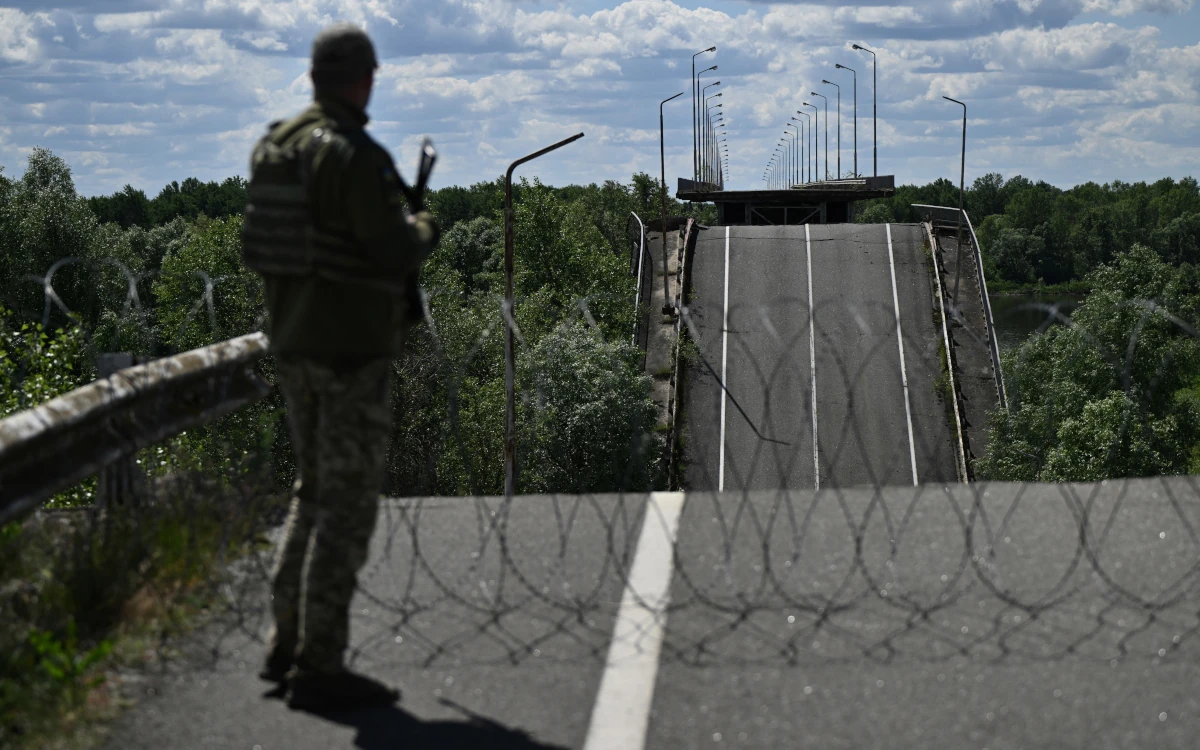
The relay-station episode suggests a method, and also its limits. Washington and Kyiv can name a specific capability operating from Belarusian soil, demand that it stop, and hold sanctions or other costs in reserve should it return. That is narrower and more testable than trying to detach Belarus from Russia in a single grand bargain. The June case is as much caution as model. A capability was seen to go dark, yet no one could confirm who switched it off or whether it was dismantled rather than paused. The effect was observable while the cause and the permanence were not. A method built on this logic works only as far as verification does, which is exactly where it is hardest.
The Quiet Front Deepens
The likeliest trajectory is neither entry nor rollback but a deepening of the present model. Belarusian formations are unlikely to move into Ukraine in the near term, and a large new Russian offensive staged from Belarus would need a buildup too big to hide. More likely is an incremental thickening of the existing arrangements. Exercises grow more complex, and industrial cooperation spreads into low-profile sectors. Nuclear signaling intensifies while the weapons’ status stays uncertain, and Russian personnel rotate through without hardening into a permanent garrison. The trend points toward more military capability positioned closer to the front.
The likeliest trajectory is neither entry nor rollback but a deepening of the present model
Three developments would signal something larger, in rough order of likelihood. The most probable, and the earliest warning, is the return of Russian drone-control or strike infrastructure after the June shutdown. This is inexpensive, hard to attribute, and already tested. Less likely, and slower, is a move from rotational deployments to permanent Russian combat formations or verified missile basing, which would turn a modular arrangement into a standing one. Least likely for now, but heaviest in consequence, is further U.S. sanctions relief in finance, aviation, or technology that Russia can absorb without matching Belarusian restraint.
Lukashenko’s achievement has been to preserve the domestic appearance of peace while giving Russia most of the practical functions of war. What he cannot sell the West is a neutral Belarus, because the military relationship beneath that claim remains intact. That is the test the current engagement has not yet met. Sanctions relief will loosen Moscow’s hold only if it is tied to measurable limits on Russian military access. Left untied, relief is as likely to subsidize that access as to reduce it.