U.S.-mediated negotiations between Ukraine and Russia began Tuesday in Abu Dhabi, as Washington and European allies sought to coordinate their positions on a potential settlement and postwar security guarantees. France and Ukraine welcomed U.S. efforts to revive negotiations and pursue deescalation as an initial step toward a comprehensive ceasefire.
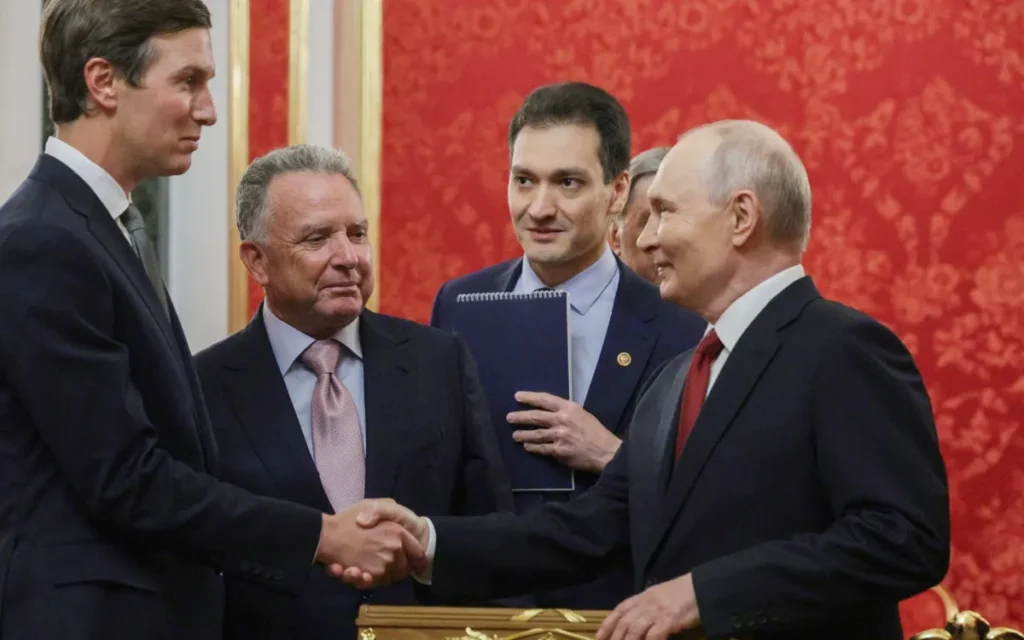
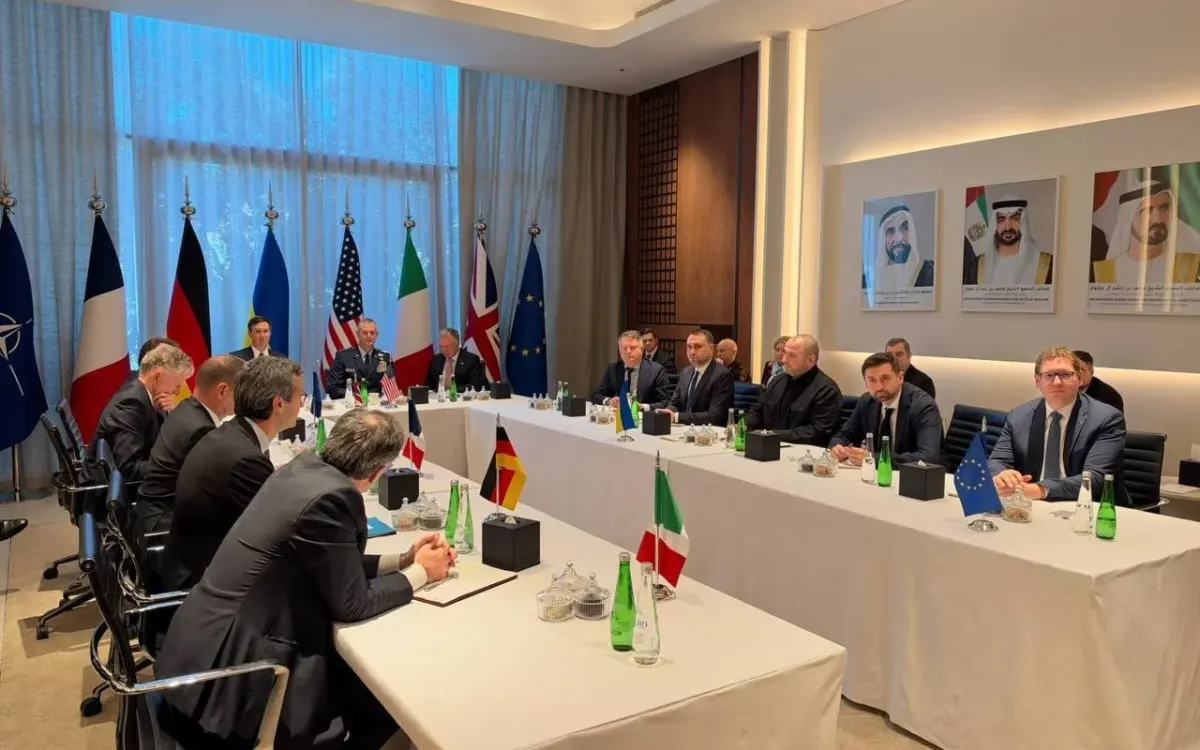
Ahead of the Russia–Ukraine discussions, Ukrainian negotiators met U.S. envoys Steve Witkoff and Jared Kushner alongside representatives from Britain, France, Germany, Italy, NATO, and the European Commission. The consultations focused on coordinating negotiating positions, reducing escalation risks, and establishing credible security arrangements for Ukraine.
In a joint statement, U.S., European, and Ukrainian representatives reaffirmed their “shared commitment to a strong post-war European security architecture,” stressing that NATO would remain central to collective defense. They also insisted that future arrangements respect sovereignty, territorial integrity, and independent decision-making while providing Ukraine with credible security guarantees.
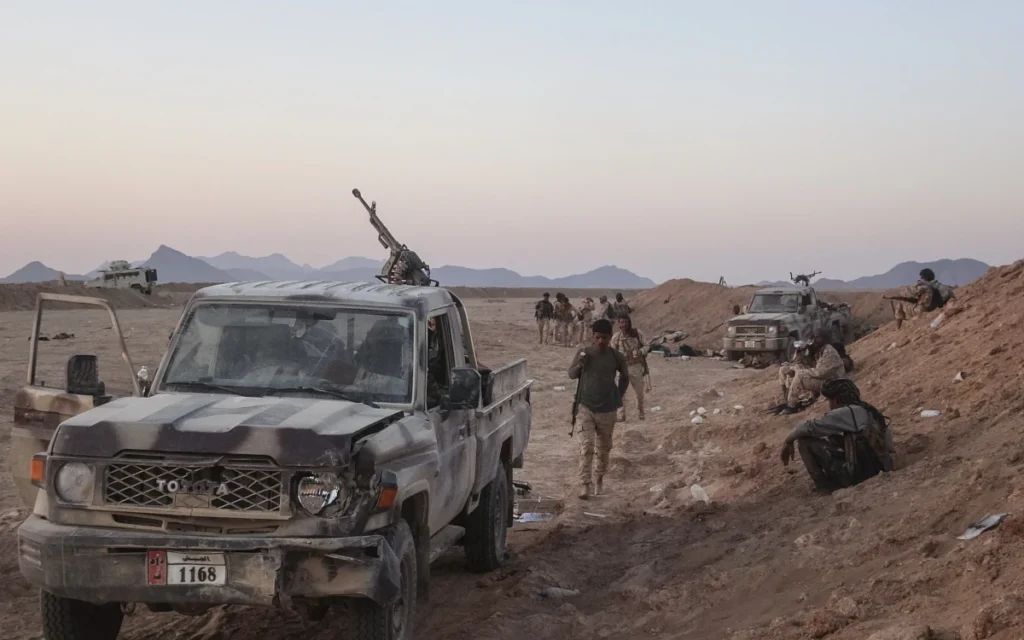
The talks unfolded amid continued Russian attacks on Ukraine’s energy infrastructure. Ukrainian grid operator Ukrenergo reported overnight strikes on facilities in eight regions, causing power outages in six, while Ukrainian officials reported two deaths in Ladyzhyn. Meanwhile, President Volodymyr Zelensky traveled to Copenhagen for discussions with Nordic leaders on military assistance, air defense, and energy security. Denmark announced plans to provide $720 million in military aid and another $22.5 million for Ukraine’s energy sector. European governments have also sought greater influence over Washington’s diplomatic initiative amid concerns that a settlement could reshape Europe’s security arrangements.
The Abu Dhabi negotiations will test whether coordinated Western positions can translate into localized ceasefires and a broader settlement. Key indicators include progress on security guarantees, European participation in subsequent negotiations, and whether Russian strikes on Ukrainian infrastructure diminish. (AFP+EIR)