
Richard Weitz

HomeRichard Weitz
Richard Weitz
Richard Weitz
Richard Weitz is Senior Fellow and Director of the Center for Political-Military Analysis at Hudson Institute. His current research focuses on Russia-China-U.S. relations along with other international security challenges. He is a graduate of Harvard University, Oxford University and the LSE. Before joining Hudson in 2005, Weitz worked for several other academic and professional research institutions and the U.S. Department of Defense. He has authored or edited several books, multiple reports, and many articles.
Richard Weitz - eagle intelligence reports - author - writer- Richard Weitz is Senior Fellow and Director of the Center for Political-Military Analysis at Hudson Institute.
Richard Weitz

Richard Weitz is Senior Fellow and Director of the Center for Political-Military Analysis at Hudson Institute. His current research focuses on Russia-China-U.S. relations along with other international security challenges. He is a graduate of Harvard University, Oxford University and the LSE. Before joining Hudson in 2005, Weitz worked for several other academic and professional research institutions and the U.S. Department of Defense. He has authored or edited several books, multiple reports, and many articles.

China's Nuclear Coming of Age

China’s Nuclear Coming of Age

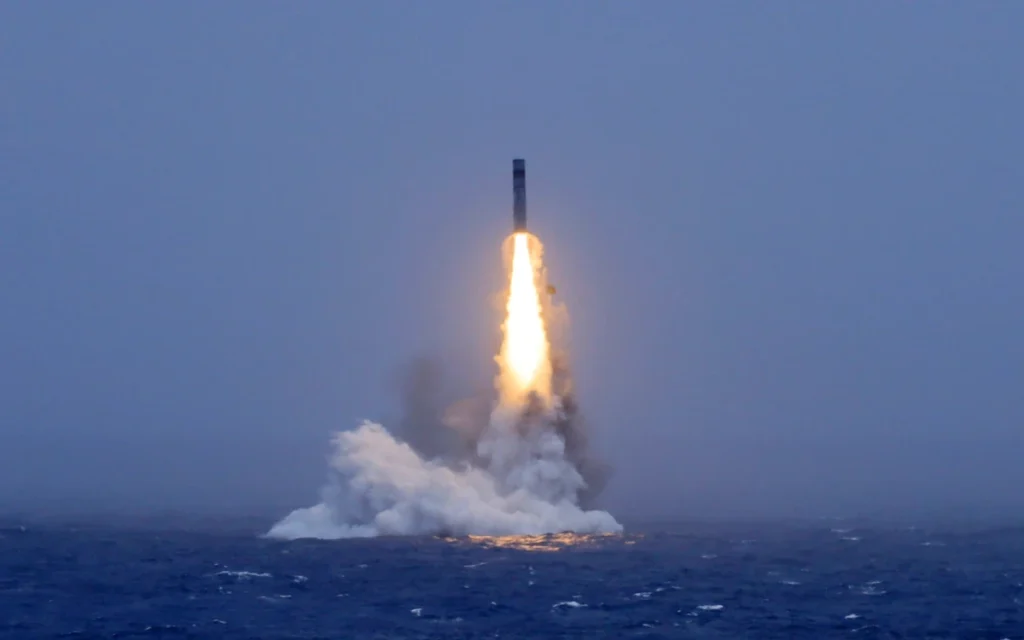
The China-U.S. arms race has entered a critical phase. For decades, China’s nuclear deterrent relied almost exclusively on land-based missiles—static assets vulnerable to a preemptive first strike. Today, Beijing is rapidly developing a more survivable undersea nuclear force.

By
The Quad Beyond U.S. Leadership

The Quad Beyond U.S. Leadership

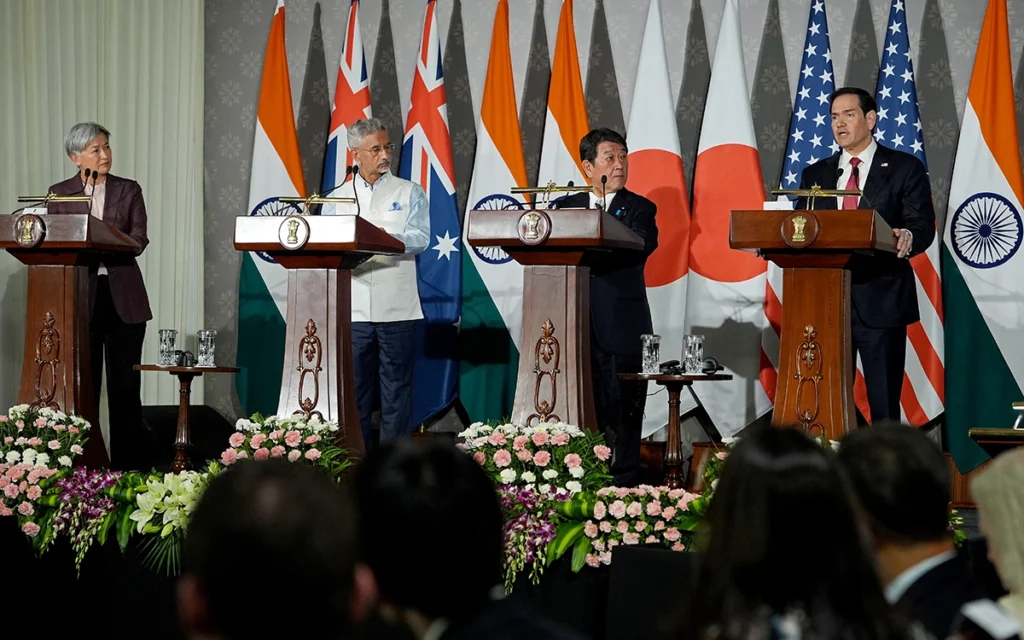
Over the past decade, Washington led a coalition of Indo-Pacific democracies in checking a rising China, then stepped back. The Quadrilateral Security Dialogue, known as the Quad, links Australia, India, Japan, and the U.S. Now the group is testing whether it can preserve a great-power balance without American leadership.

By
China's Art of Not Choosing

China’s Art of Not Choosing

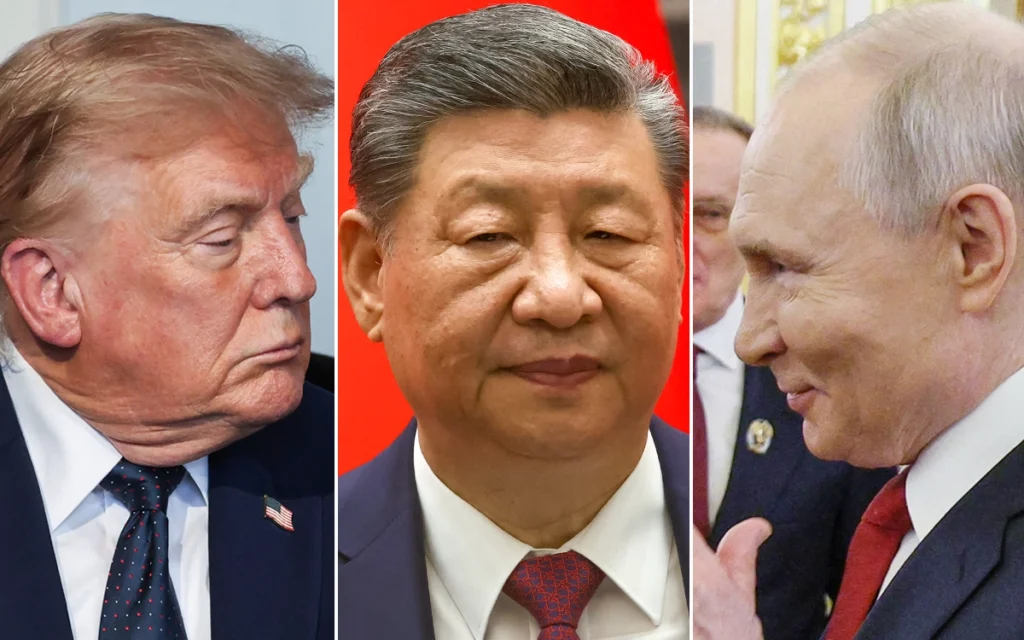
For a few days this May, Beijing became the diplomatic center of the world. China seized the opportunity to showcase its strategic dexterity. Within a week, Beijing hosted the leaders of the two countries most central to its foreign policy. Putin arrived on May 19, just four days after Trump’s departure.

By
Military Coercion by Nuclear Risk

Military Coercion by Nuclear Risk

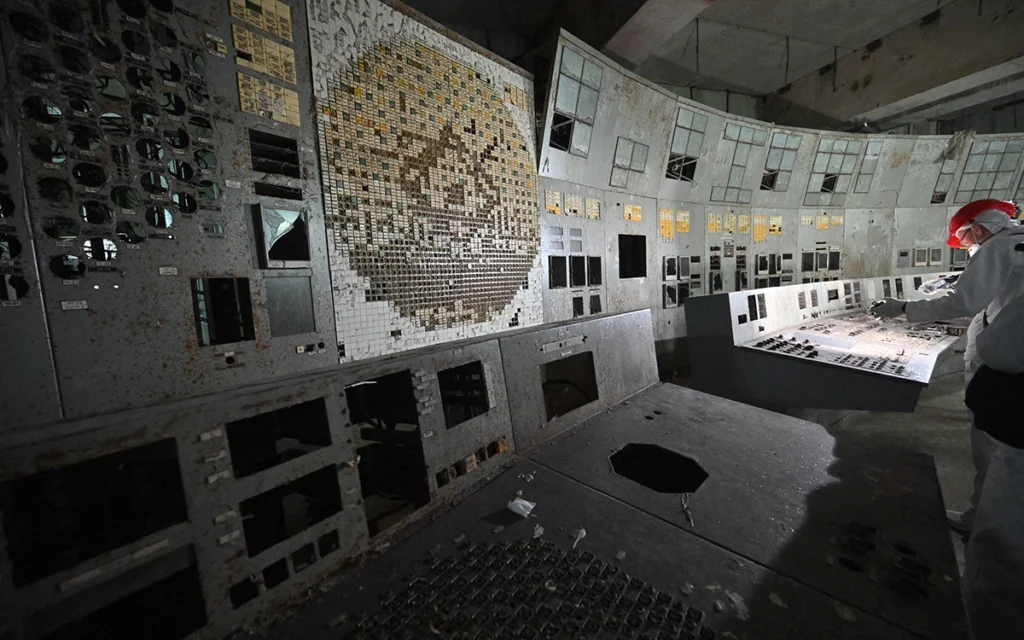
Recent attacks on nuclear infrastructure suggest the emergence of a new form of calibrated coercion in which states generate psychological pressure and manipulate escalation dynamics without crossing the threshold into nuclear disaster. Attacks targeting nuclear infrastructure in Ukraine and the Middle East have expanded the scope of asymmetrical warfare.

By
Nuclear Tests—Again?

Nuclear Tests-Again?

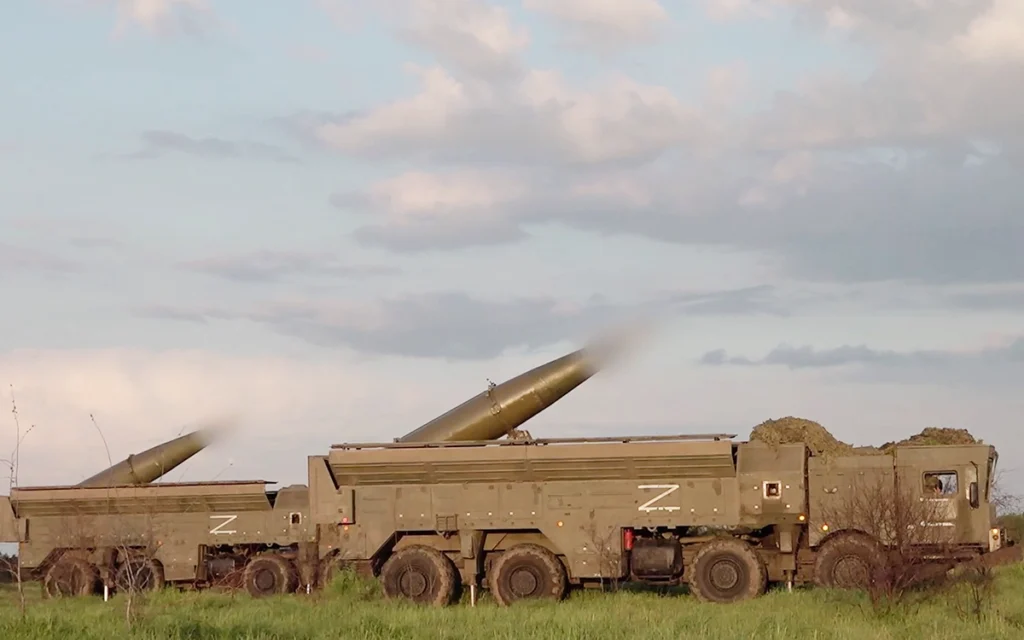
Intensified competition and distrust among the great powers—manifested in regional wars and a stalled arms control environment—have increased the possibility of renewed nuclear testing. There are indications that China, Russia, or the US might resume yield-producing tests of nuclear weapons—or have already done so—despite the collective self-imposed moratorium on such tests.

By
A World Without Nuclear Arms Control?

A World Without Nuclear Arms Control?

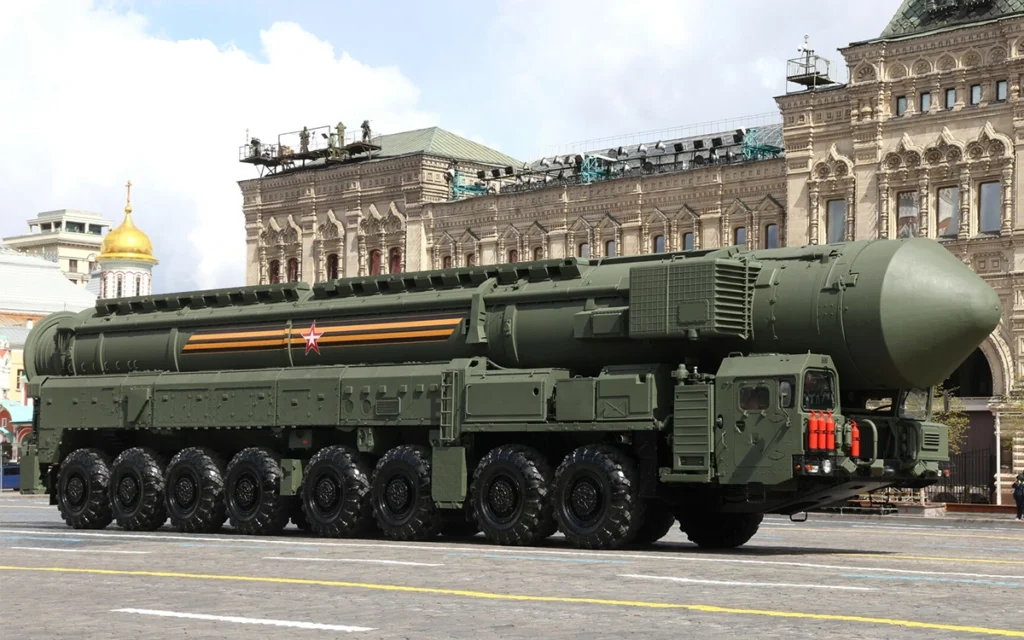
The last Russian–U.S. nuclear arms control treaty, New START, has expired. For the first time in decades, there are no legally binding ceilings on the great powers’ nuclear arsenals. This development marks a collapse of the nuclear arms control architecture. Moreover, the Bulletin of Atomic Scientists recently moved the Doomsday Clock’s dials closer to midnight.

By
Trump's Realpolitik Syria Strategy

Trump’s Realpolitik Syria Strategy

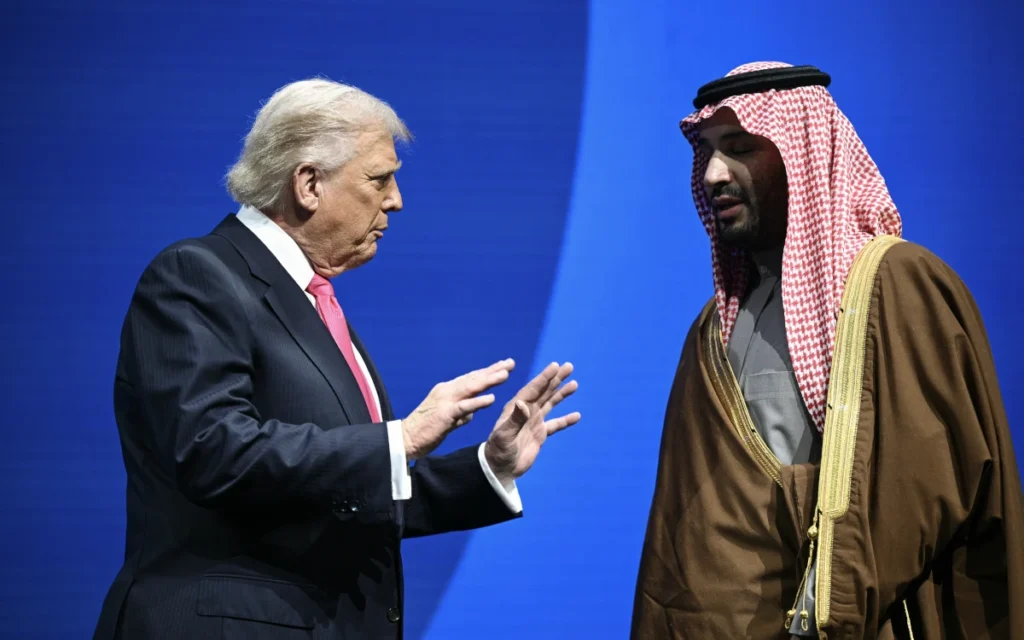
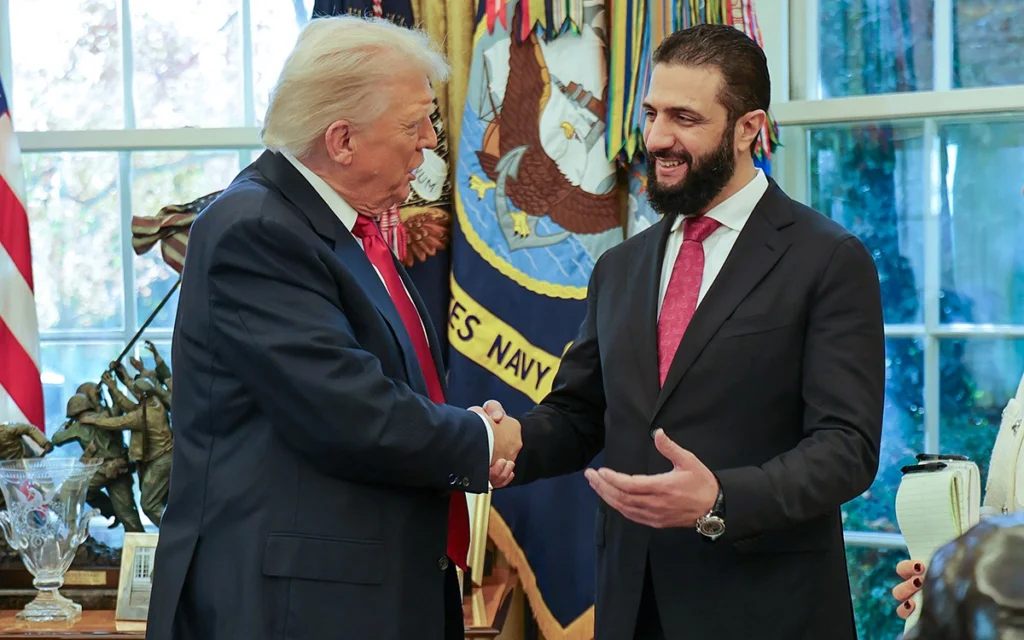
The recent upsurge in violence between the Syria government and Kurdish minority forces has confirmed the consolidation of a fundamentally transformed U.S. strategy toward the country. In Trump’s second term, the administration has prioritized counterterrorism, economic engagement, and the promotion of a strong central government aligned with Washington.

By
Taiwan Troubles and Strategic Stability

Taiwan Troubles and Strategic Stability

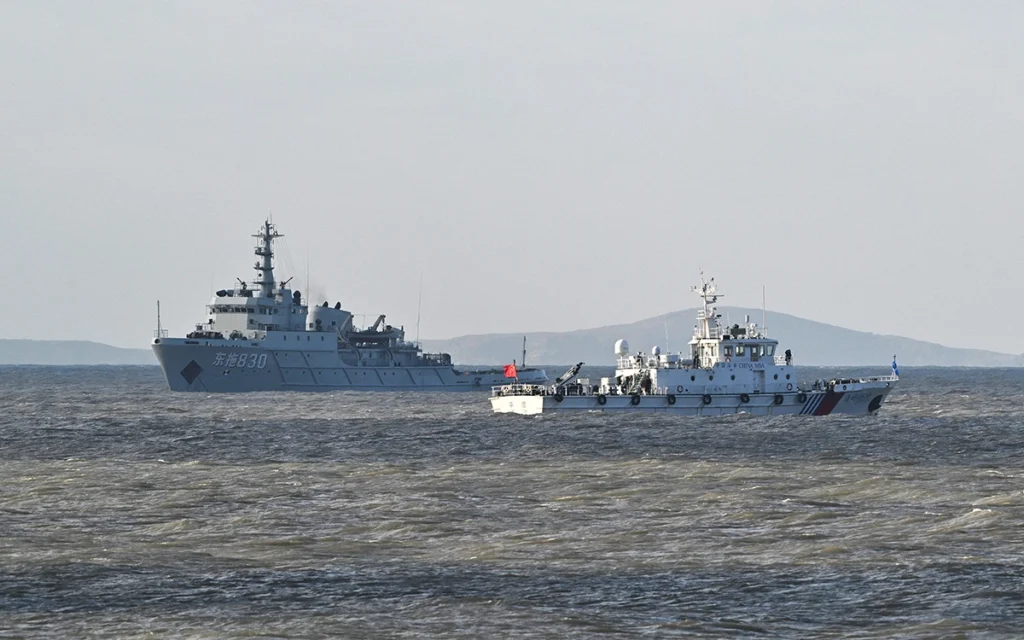
The world just witnessed another high-intensity, live-fire Chinese military exercise around Taiwan. The dispute over the island represents one of the most serious risks of another great-power war. Even if unsuccessful, a Chinese attack against Taiwan would risk nuclear escalation, global economic shock, and long-term degradation of international relations.

By
India-Russia Relations: Tactical Rebound

India-Russia Relations: Tactical Rebound

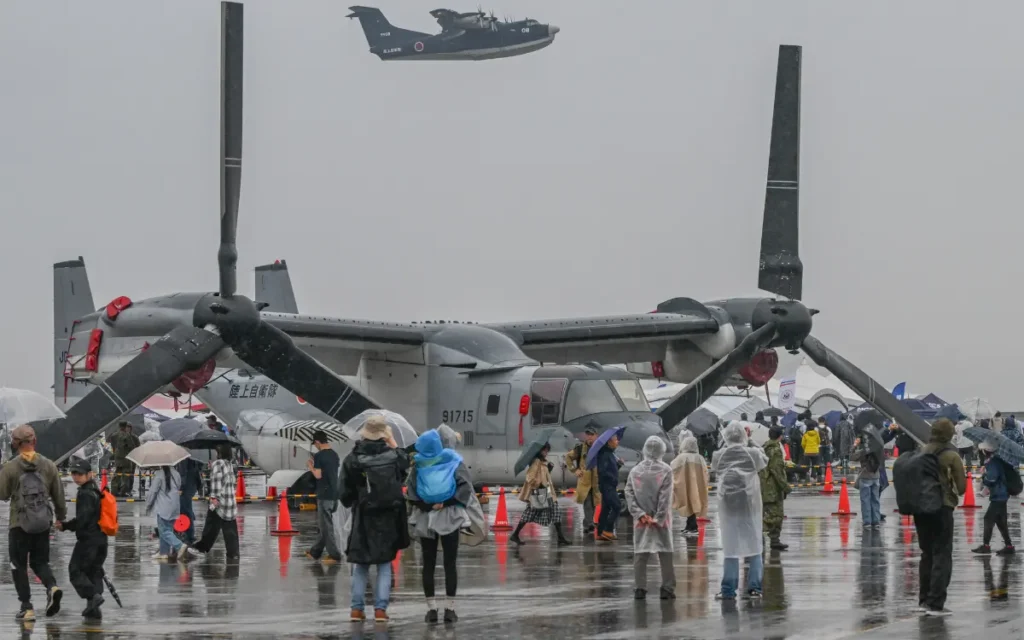
An unanticipated consequence of Russia’s invasion of Ukraine has been the strengthening of ties between Moscow and New Delhi, particularly in the energy domain. The India–Russia axis has been one of the world’s most enduring great-power partnerships.

By
The US South Caucasus Gambit

The US South Caucasus Gambit

The Trump administration has unveiled an ambitious plan to bring peace, prosperity, and renewed US influence to the South Caucasus. Russia’s declining sway in the region, combined with the absence of strong regional structures, has created a strategic vacuum that external powers are eager to fill.

By
  • 1
  • 3

SIGN UP FOR FREE TO EAGLE INTELLIGENCE REPORTS

Exclusive Insights & Reports

Get access to in-depth analysis, exclusive intelligence, and expert reports designed to keep you informed and ahead of the curve on the most important global developments.

By signing up, you agree to our Privacy Policy.

Eagle Intelligence Reports
Privacy Overview

This website uses cookies so that we can provide you with the best user experience possible. Cookie information is stored in your browser and performs functions such as recognising you when you return to our website and helping our team to understand which sections of the website you find most interesting and useful.