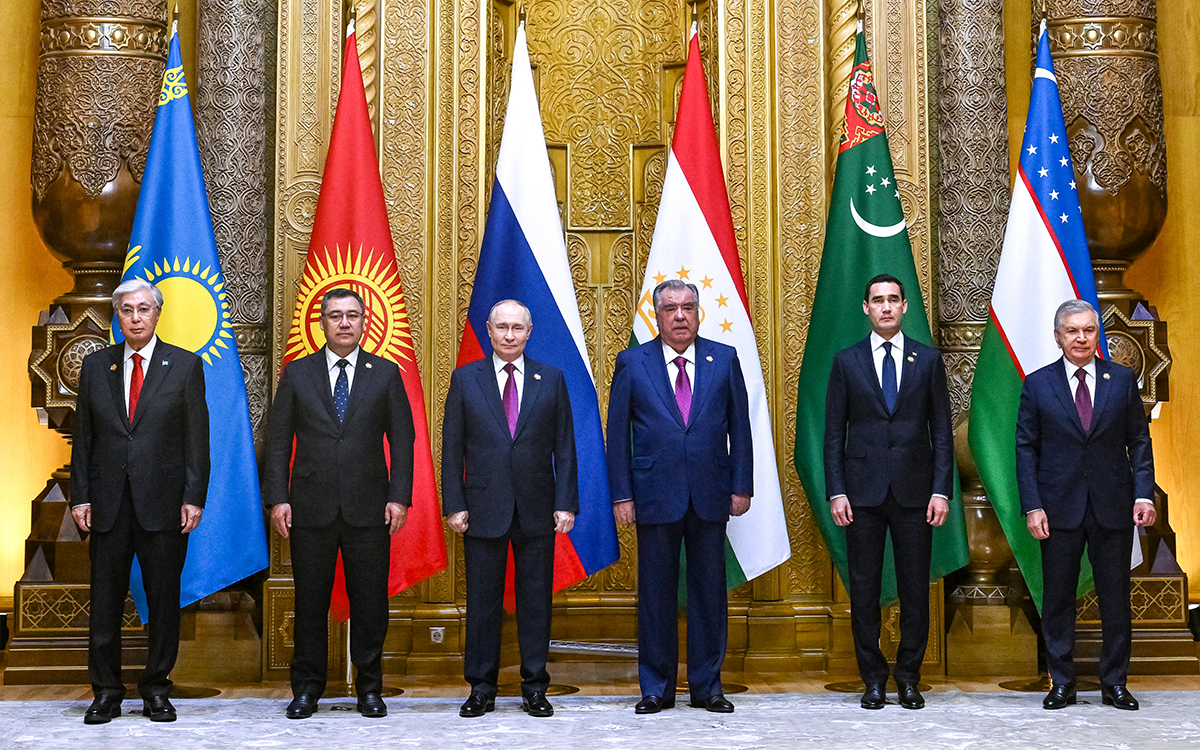
Russia’s war in Ukraine has made Central Asia more valuable to the Kremlin but harder to dominate. Together with Western sanctions, the conflict has deepened Moscow’s dependence on Central Asian partners while eroding the resources needed to keep them within its security orbit.
China has already displaced Russia as the region’s leading economic partner. Yet that shift alone does not threaten Russian primacy in the near term. Moscow’s influence rests mainly on its role as Central Asia’s principal security partner.
The greatest danger would arise if declining Russian capabilities led the five Central Asian governments of Kazakhstan, Kyrgyzstan, Tajikistan, Turkmenistan, and Uzbekistan to develop alternative security arrangements, potentially with China as the principal partner. A security crisis that Russian forces failed to contain could accelerate that transition. Continued economic decline could produce a similar outcome over a longer period.
The future of Russian primacy in Central Asia for the next few years may therefore depend less on commercial competition than on Moscow’s ability to remain the region’s indispensable security partner—and Beijing’s willingness to preserve that arrangement.
The future of Russian primacy in Central Asia for the next few years may therefore depend less on commercial competition than on Moscow’s ability to remain the region’s indispensable security partner—and Beijing’s willingness to preserve that arrangement
Bases, Arms, and Old Ties
Russia’s role in Central Asia anchors Moscow’s military reach, diplomatic standing, and commercial networks throughout Eurasia.
Security ties underpin Russian influence in Central Asia. Russia’s permanent bases, substantial arms exports, sustained defense-industrial cooperation, and frequent bilateral and multilateral military exercises underscore the region’s importance to Moscow. At any time, thousands of Russian troops are stationed or exercising in Central Asia. Russian weapons sales to Central Asian militaries exceed those of all other suppliers combined. Russia’s intelligence, internal security, and law enforcement agencies have cultivated ties with their Central Asian counterparts for decades.
Russian national security leaders meet frequently with their Central Asian counterparts. This engagement provides a vital pillar for Moscow’s global diplomacy and helps counter Western attempts to isolate Russia diplomatically. Several Central Asian governments are prominent members of Russia’s most important Eurasian multilateral institutions, including the Eurasian Economic Union and the Collective Security Treaty Organization. Moscow co-leads another, the Shanghai Cooperation Organization, with China.
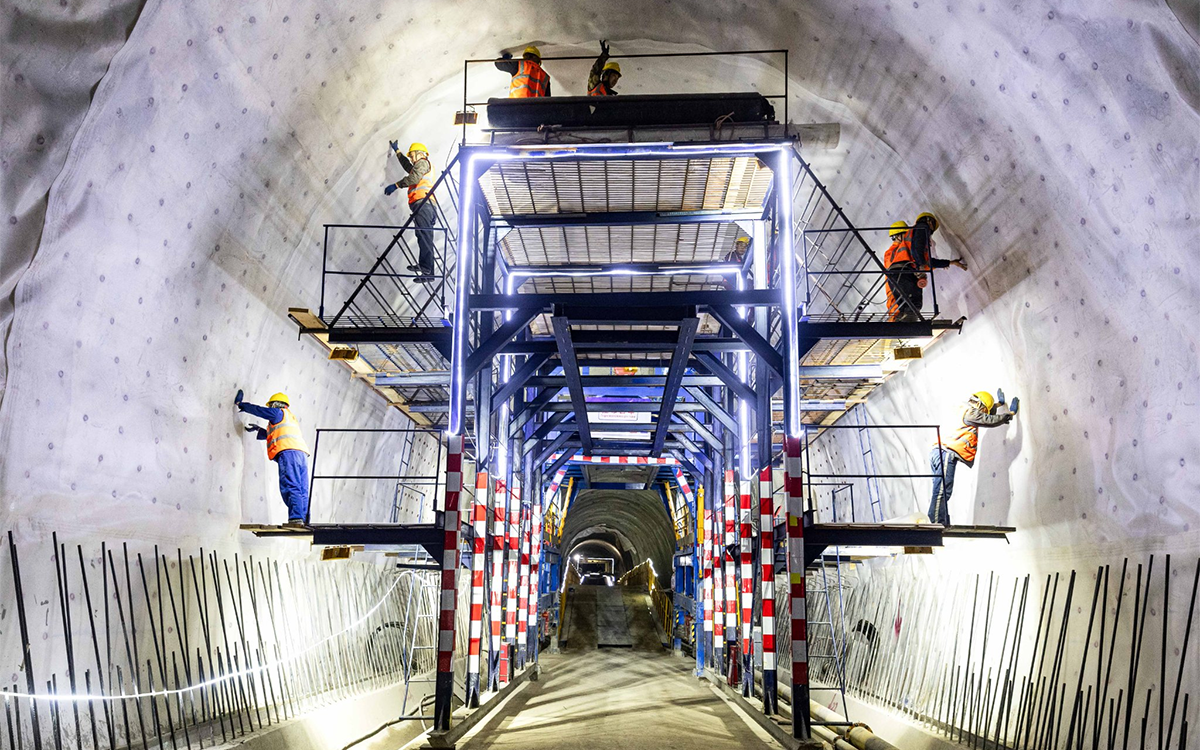
From Moscow’s perspective, Central Asia serves as both a buffer against external threats and a conduit for projecting Russian power across Eurasia. Moscow views maintaining its military assets, centered in Kyrgyzstan and Tajikistan, as an end in itself and a means to achieve other security goals. The latter includes countering terrorism, illegal migration, and narcotics trafficking while limiting other countries’ defense ties with Central Asia. These security ties also give Moscow economic and diplomatic leverage. Central Asian governments that rely on Russian forces, weapons, and intelligence, or fear that the Kremlin would use these tools for coercion, have reason to accommodate Moscow’s positions.
Central Asian governments that rely on Russian forces, weapons, and intelligence, or fear that the Kremlin would use these tools for coercion, have reason to accommodate Moscow’s positions
Dependence and Declining Leverage
Central Asian cooperation has become increasingly important to Moscow’s ability to maintain security buffers, sustain logistics corridors, circumvent Western sanctions, and demonstrate continued diplomatic influence. But it has fewer means to secure it. Russia’s deteriorating relations with Western countries have made these regional partnerships particularly valuable, increasing the strategic costs of any further erosion of Moscow’s leverage.
Moscow’s invasion of Ukraine and Western sanctions have increased Russia’s reliance on the region’s transit routes, energy exchanges, financial intermediaries, and entrepreneurs. Since 2022, the sanctions have redirected Russia’s trade away from Europe and toward Asian markets. Central Asian entities and territories have become critical to circumventing these sanctions through transshipments and re-exporting. Thousands of Russian businesses, often in partnership with local entities, operate in the region across a range of commercial sectors. Major railways, roads, pipelines, and other commercial corridors connect Russia and Central Asia, while millions of migrants from Kyrgyzstan and Tajikistan work in Russia and send remittances home.
Until now, Central Asian governments have diversified their commercial ties without dismantling their core defense architecture with Moscow. They have reduced their dependence on Moscow and supplemented Russian capabilities without replacing Russia as their principal security partner. Inertia explains some of this continuity. Central Asian governments have invested in multiple Soviet and Russian military platforms requiring servicing and upgrades. The Russian government has also routinely subsidized defense sales, and breaking with Moscow risks Russian ire and retaliation, such as energy blockages, disinformation campaigns, and migrant bans.
Central Asia’s diversifying partnerships have not undermined Moscow’s security preeminence because no alternative external actor currently has the will or capacity to replace it. Turkish drone sales, EU connectivity initiatives, and South Korean, Indian, and Gulf investments have grown, but none provides collective defense, permanent basing, or large-scale defense-industrial assistance. The 2021 U.S. withdrawal from Afghanistan moved Washington to an “over-the-horizon” posture, limiting its direct security leverage in Central Asia. Beijing has also backed the security status quo. Chinese leaders have historically relied on their Russian counterparts to shoulder most of the burdens of sustaining regional stability.
Central Asia’s diversifying partnerships have not undermined Moscow’s security preeminence because no alternative external actor currently has the will or capacity to replace it
Yet Moscow’s war against Ukraine has distorted its production profile, debased its diplomatic standing, created major labor shortages, and raised doubts about Russia’s long-term capacity to protect regional partners. Russia is no longer the dominant economic partner of any Central Asian state. Moscow’s need for foreign workers has grown, but Russian authorities have alienated many migrants by not shielding them from discriminatory practices and coercing some to join the Russian armed forces.
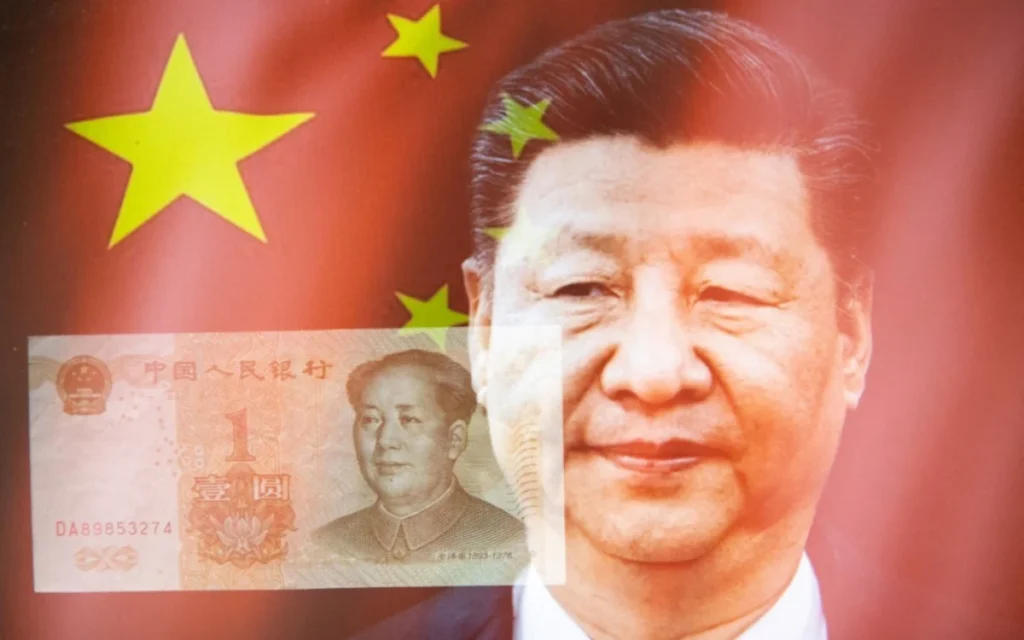
Meanwhile, the People’s Republic of China (PRC) has become the top trade, investment, and infrastructure partner for all five Central Asian countries. The PRC’s aggregate trade and investment with the region are about twice Russia’s, a gap unlikely to close soon. If anything, Beijing is laying the groundwork to widen its commercial lead over Moscow. It is building more pipelines and railways across the region and investing in Central Asia’s emerging technology sectors, such as green energy and artificial intelligence. More Central Asians also study in China to learn its language and master its business practices.
Scenarios: Two Roads to Russian Retreat
In the near term, the question is whether Moscow can still deliver credible protection during Central Asia’s next security crises. In the long term, the policy puzzle is whether Russia’s military preeminence can survive the continued degradation of its economic power even without a catalyzing crisis.
Two pathways could lead Central Asian governments and China to develop alternative security arrangements. Under such arrangements, Moscow would lose its monopoly on mutual defense treaties and large foreign bases. It would also cease to be the partner of choice for regimes seeking foreign military intervention to address critical threats.
Near-Term Catalyst: Security Failure
An acute regional security crisis could expose Russia’s incapacity to project protective force, creating a vacuum for others to fill. China is the only country with both the resources and interests to supplant Russia if Moscow proves incapable of protecting regional stability and critical Chinese infrastructure. Beijing’s regional stakes have grown because of its enormous loans, trade, and investment. The PRC has supported Russia’s regional military primacy because it helps protect China’s western frontiers and growing Central Asian economic assets from terrorist attacks, regime changes, or other threats. But if Chinese policymakers conclude that Russia can no longer protect PRC nationals and assets in Central Asia, they may decide to pursue a more activist policy in the region.
The most immediate danger emanates from Afghanistan, where the Islamic State Khorasan Province (ISIS-K) has established a foothold to launch terrorist attacks there and in other Eurasian countries. ISIS-K directly threatens China and Central Asian countries. For instance, it could wage a protracted terror campaign of mass-casualty incidents, like its March 2024 attack on Crocus City Hall near Moscow. The campaign could target the Ferghana Valley, the China–Tajikistan border region, or China–Kyrgyzstan–Uzbekistan railway construction sites. If Moscow’s overstretched military cannot suppress this threat, Central Asian governments could turn to China for protection.
The PRC could establish permanent military bases in the region, relax self-imposed limits on major arms sales, and expand other security ties with Central Asia. Beijing has already taken some steps in Tajikistan, which hosts a Chinese security facility near the PRC–Afghan border and about a dozen China-funded border posts staffed by Tajik forces. China has also transferred several advanced air defense systems to Tajikistan. In time, China could expand its security role from protecting primarily its own nationals and facilities to shielding Central Asian people and places, competing directly with Russia’s security predominance.
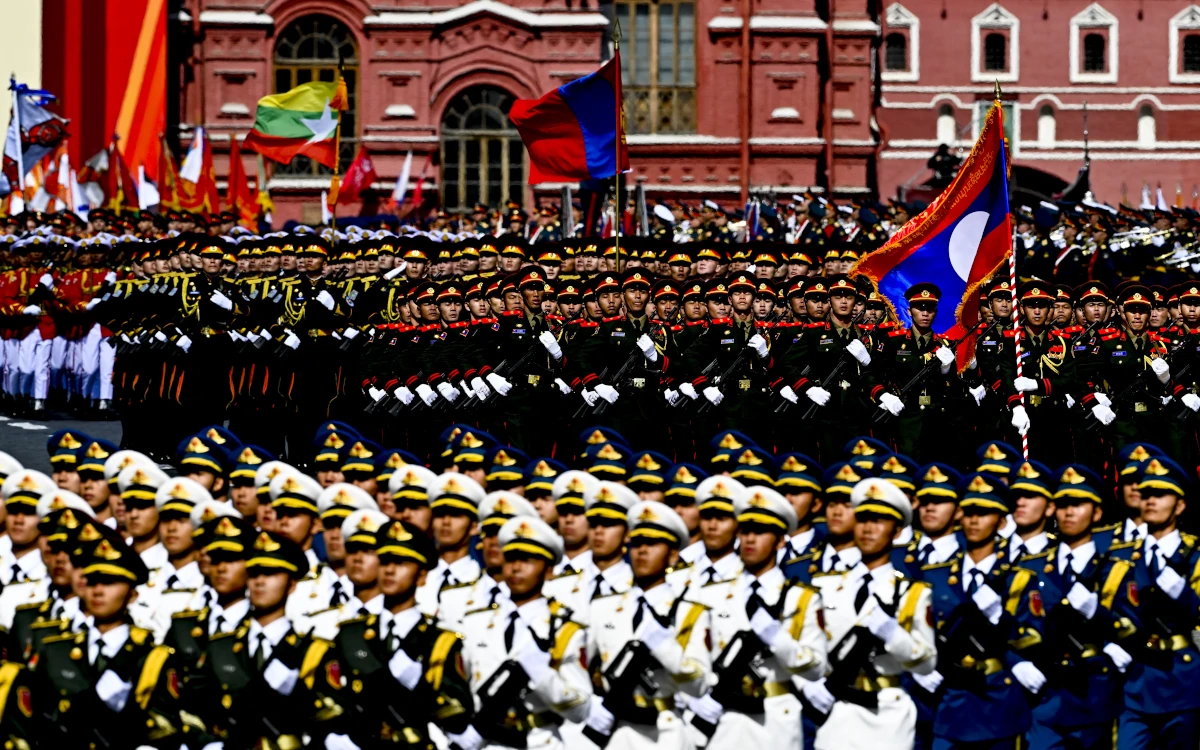
Long-Term Driver: Primacy Without an Economic Engine
History suggests that great powers cannot sustain military predominance without sufficient economic strength. In the near term, Russia’s economic decline alone does not threaten its regional primacy, which rests primarily on its privileged security role. Central Asian governments value Moscow’s security umbrella, while Beijing tolerates and even endorses it.
In the long term, though, Moscow’s security primacy may not survive the prolonged deterioration of Russia’s economic and defense-industrial base. Such degradation will reduce the jobs and remittances that draw Central Asian migrants. If Russia cannot provide competitive information technology, the region will adopt non-Russian hardware, software, and standards.
A backlogged Russian defense-industrial base could also lead Central Asian militaries to seek alternative weapons suppliers. Recent conflicts in the South Caucasus, Ukraine, and the Middle East have highlighted the need for Central Asian militaries to acquire more advanced defenses. Such systems would protect their critical transportation, logistics, and energy infrastructure from drone, cyber, and other threats.
Moscow’s limited ability to meet this need has already given other weapons suppliers opportunities to expand their markets at Russia’s expense. The demands of its war against Ukraine have led Russia to cannibalize or delay export deliveries of armored fighting vehicles, air defense systems, and other equipment. These disruptions have created maintenance and modernization problems for regional customers. During this period, China has transferred new air defense systems to Turkmenistan and Uzbekistan, while other Central Asian militaries have acquired combat drones from Turkey.
Moscow’s limited ability to supply Central Asian militaries with more advanced systems has already given other weapons suppliers opportunities to expand their markets at Russia’s expense
The Limits of Russian Primacy
Central Asian governments have adeptly diversified their economies and diplomatic ties while leaving their Russian security relationships largely intact, an arrangement other countries have generally accepted. This reflects the paradox at the center of Moscow’s position: Russia’s dependence on Central Asia has grown even as its ability to lead the region has weakened. Its primacy persists because it rests on military bases, arms supplies, and intelligence ties—areas in which Beijing has largely deferred to Moscow.
That defense primacy is durable in the near term and brittle in the long term. A major security failure, such as an ISIS-K campaign that Russian forces cannot contain, could expose its limitations quickly. Continued economic erosion would undermine it more gradually, weakening the defense-industrial capabilities and economic relationships that sustain Russian influence. Both scenarios ultimately raise the same questions: whether Moscow can still meet its partners’ security needs, and whether Beijing remains willing to preserve Russia’s privileged role.