
Thomas O Falk

HomeThomas O Falk
Thomas O Falk
Thomas O Falk
Thomas O. Falk is a London-based journalist and analyst focused on transatlantic relations, US affairs, and European security. With a background in political reporting and strategic analysis, he draws on in-depth research, historical insight, and on-the-ground developments to explore the forces shaping today’s geopolitical landscape.
Thomas O. Falk - Contributor at Eagle Intelligence Reports - Political journalist - Foreign Policy.
Thomas O Falk

Thomas O. Falk is a London-based journalist and analyst focused on transatlantic relations, US affairs, and European security. With a background in political reporting and strategic analysis, he draws on in-depth research, historical insight, and on-the-ground developments to explore the forces shaping today’s geopolitical landscape.

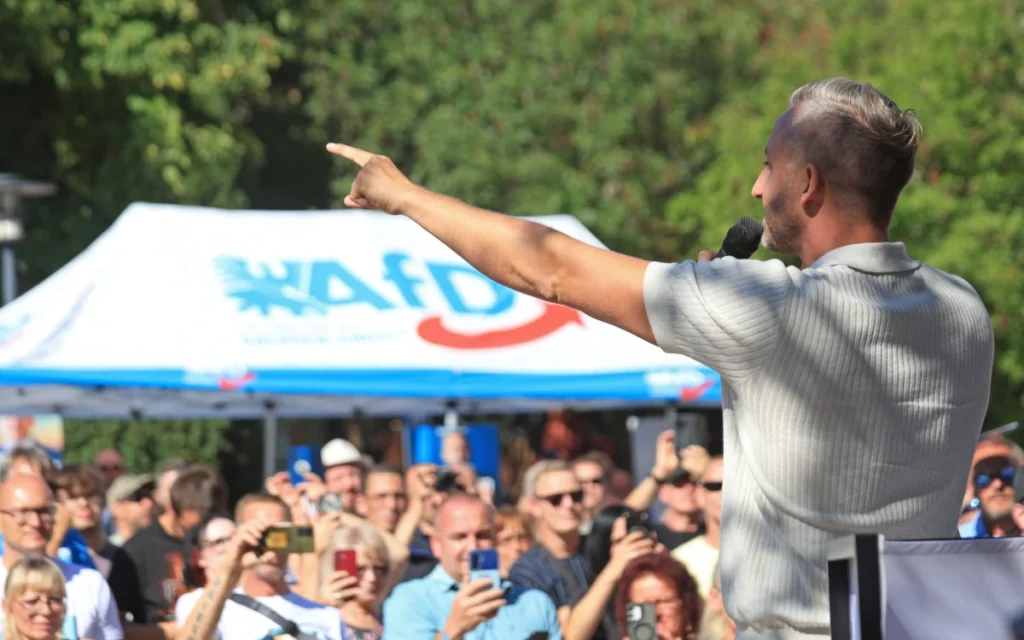
Russia's Cheapest Front: Germany's Electoral Battlefield

Russia’s Cheapest Front: Germany’s Electoral Battlefield

The Kremlin does not need the Alternative für Deutschland (AfD) to govern to achieve the victory it seeks in Germany. It needs only the party’s electoral strength to trap exhausted incumbents in increasingly brittle exclusion coalitions that struggle to sustain rearmament, support for Ukraine, and Germany’s long-term security commitments.

By
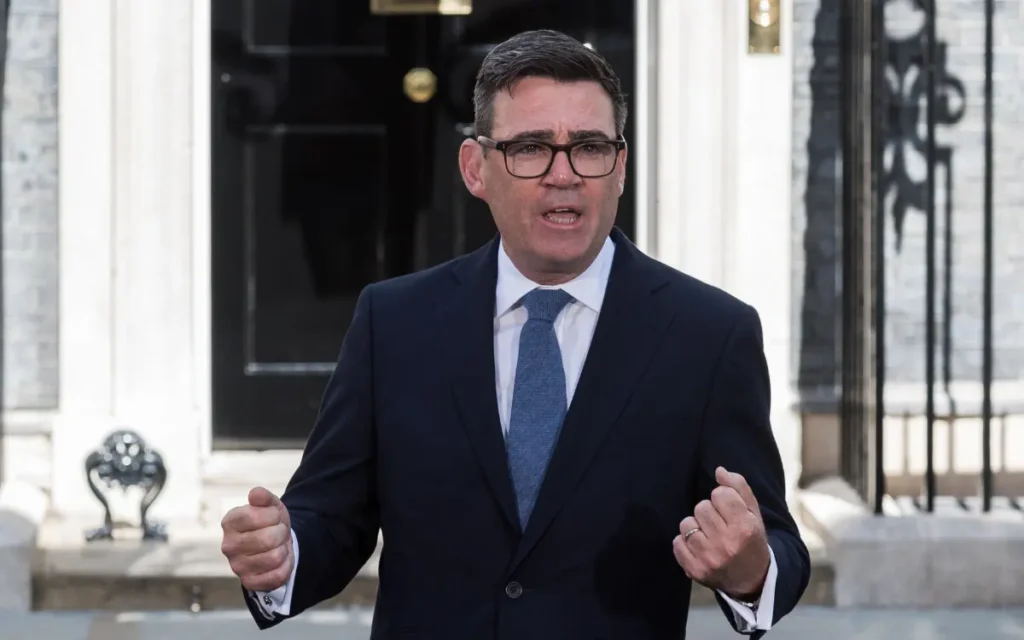
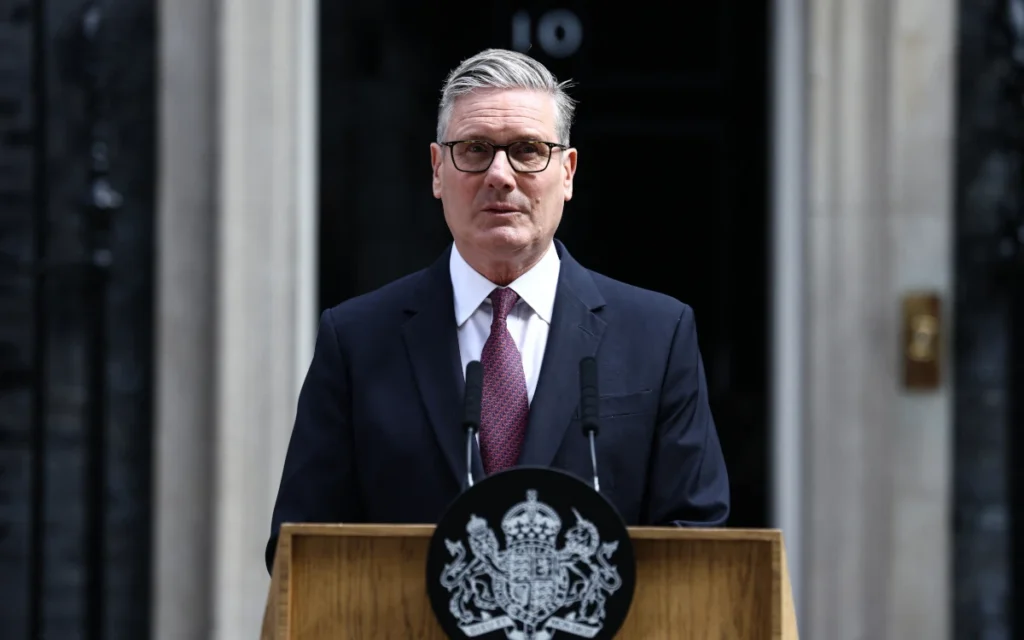
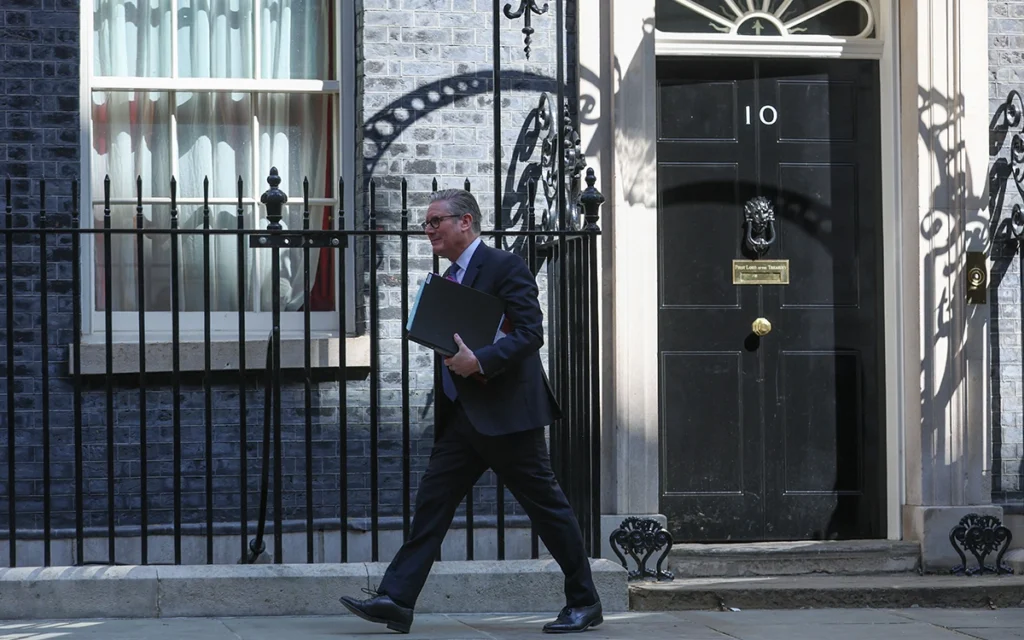
Andy Burnham Enters Downing Street As Britain's New PM .AFP

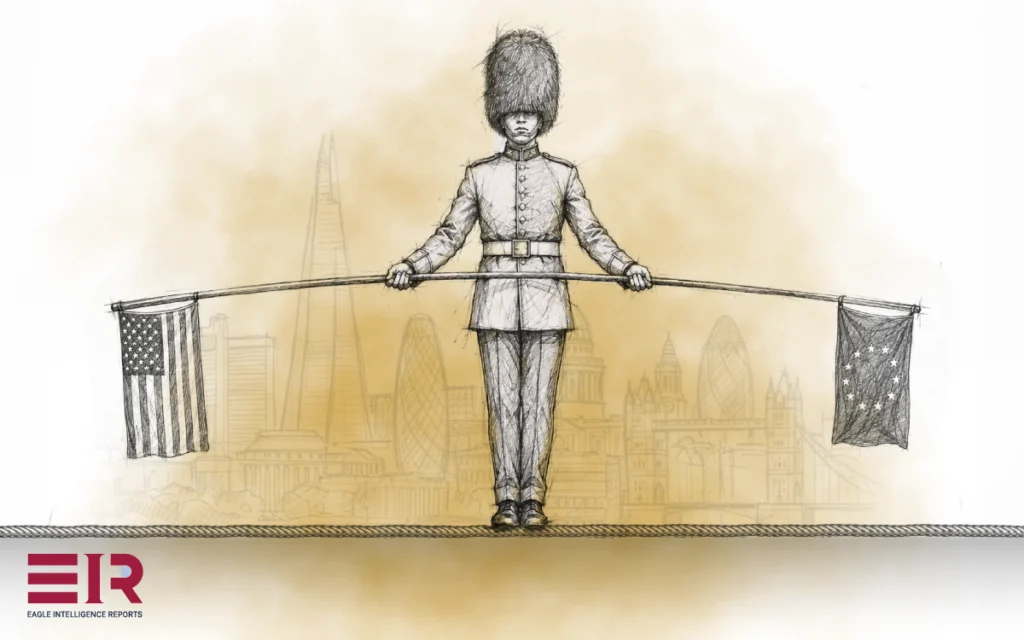
Britain’s Alliance Without Leverage

Andy Burnham has entered Downing Street at a moment when British bases are supporting an ongoing American war. U.S. aircraft operate from RAF Fairford in Gloucestershire and Diego Garcia in the Indian Ocean under an authorization Keir Starmer granted in March. Burnham did not choose it, yet he now owns it.

By
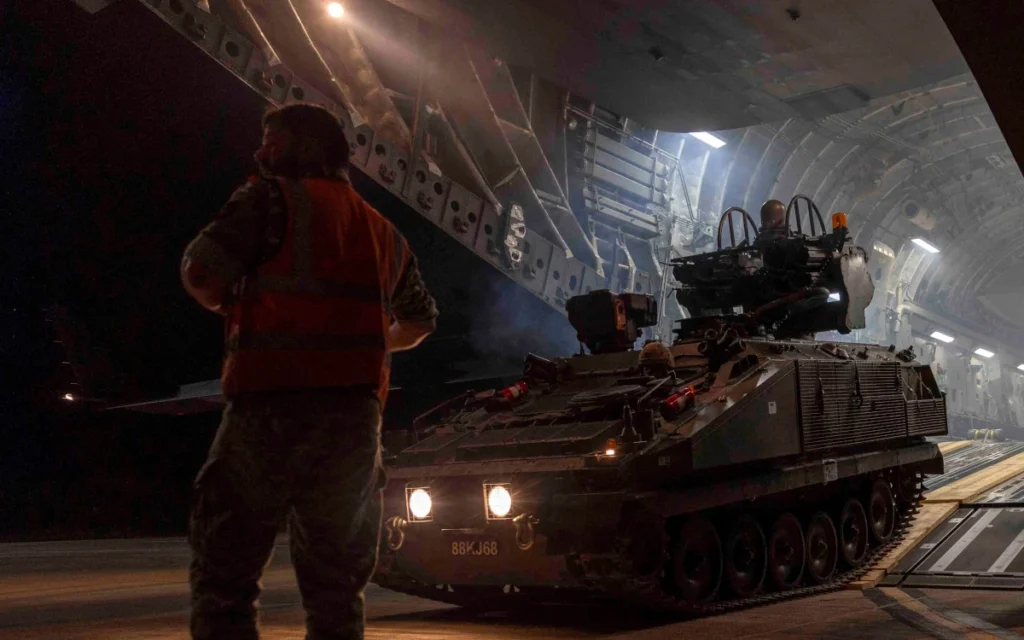
Britain’s Bet on Yesterday’s War

Britain’s Bet on Yesterday’s War

Keir Starmer’s defense spending plan is at war with his own vision. He had called drones and autonomous systems the “defining technology of modern warfare.” Yet, under his plan, those devices receive far less funding than the flagship program, a crewed stealth fighter due for service in the late 2030s.

By
Starmer’s Fall Exposes Britain’s Deeper Crisis

Starmer’s Fall Exposes Britain’s Deeper Crisis

Keir Starmer announced his resignation as prime minister today, becoming the sixth British leader since 2016 to leave Downing Street before completing a full term. His departure clears the way for Andy Burnham, the former mayor of Greater Manchester, to become Britain’s seventh prime minister in a decade.

By
The End of American Middle East

The End of the American Middle East

Wars often end with agreements that appear more important than they ultimately prove to be. The U.S.–Iranian memorandum of understanding may be one such accord. Indeed, the MoU’s significance lies less in its contents than in what it reveals about the balance of power in the Middle East.

By
Britain’s Reckoning: The Economy Behind the Yields

Britain’s Reckoning: The Economy Behind the Yields

Britain’s current impasse goes well beyond Keir Starmer’s fragile position against a rising right-wing challenge. Beneath the Westminster drama is a deeper structural problem: elevated borrowing costs are not just a reaction to political instability but a judgment on the long-term sustainability of the UK’s fundamental economic model.

By
Britain’s Fragmentation and Labour’s Dilemma

Britain’s Fragmentation and Labour’s Dilemma

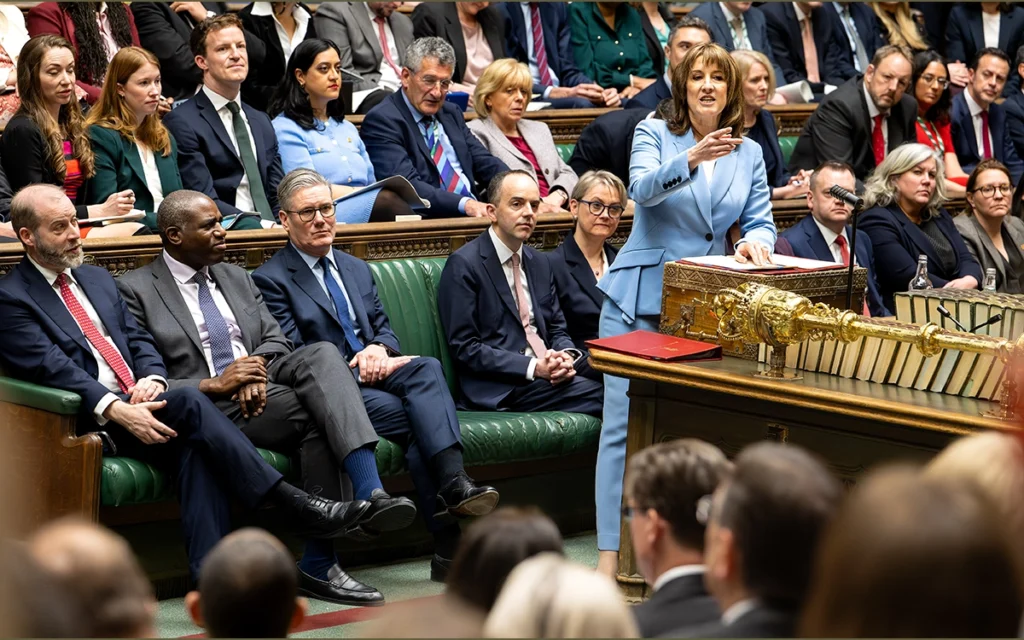
Keir Starmer’s problem is not that Labour lost votes. It is that it lost them for different reasons, to different parties, and in different parts of the country. That is what makes the local election results more than a temporary electoral setback. The coalition of voters behind Labour’s 2024 landslide are not merely disappointed.

By
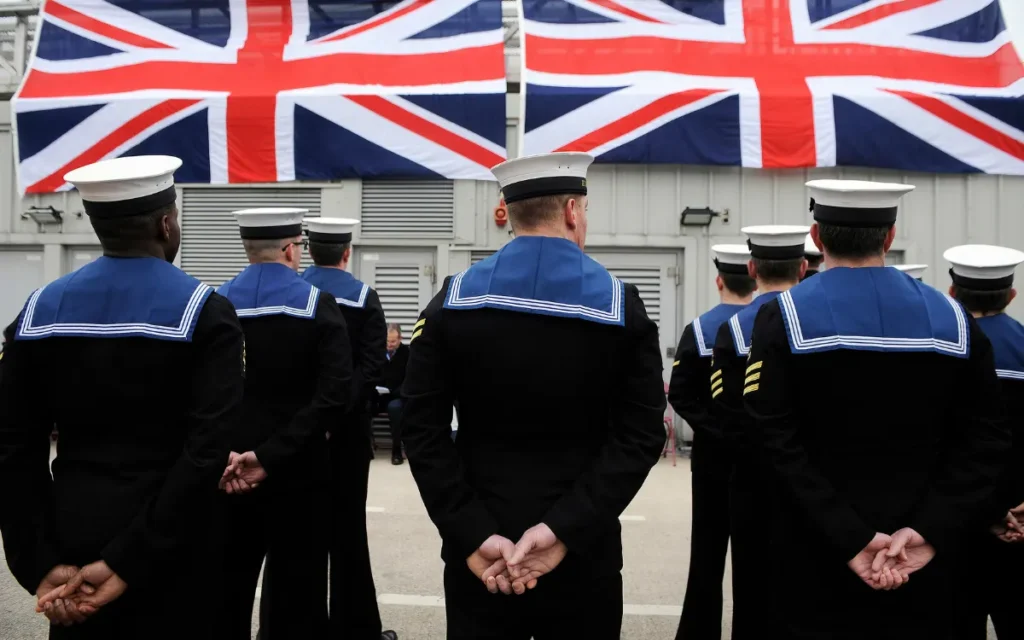
Germany's Gamble to Make Europe Defensible

Germany’s Gamble to Make Europe Defensible

Germany is not merely rearming, nor is it seeking the role of an autonomous great power. It is redefining the function of the Bundeswehr as an enabling instrument for European deterrence within NATO. In this framework, military power is measured not by size alone, but by the capacity to make collective defense operational.

By
Overlapping Crises Strain EU's Strategic Coherence

Overlapping Crises Strain EU’s Strategic Coherence

Europe is often described as fragmented, but that is only part of the story. The deeper problem is that several crises now converge within the same decision-making structures, forcing trade-offs and exposing the limits of EU’s capacity to translate shared priorities into coordinated action. The union remains united in principle but divided in practice.

By
  • 1
  • 3

SIGN UP FOR FREE TO EAGLE INTELLIGENCE REPORTS

Exclusive Insights & Reports

Get access to in-depth analysis, exclusive intelligence, and expert reports designed to keep you informed and ahead of the curve on the most important global developments.

By signing up, you agree to our Privacy Policy.

Eagle Intelligence Reports
Privacy Overview

This website uses cookies so that we can provide you with the best user experience possible. Cookie information is stored in your browser and performs functions such as recognising you when you return to our website and helping our team to understand which sections of the website you find most interesting and useful.