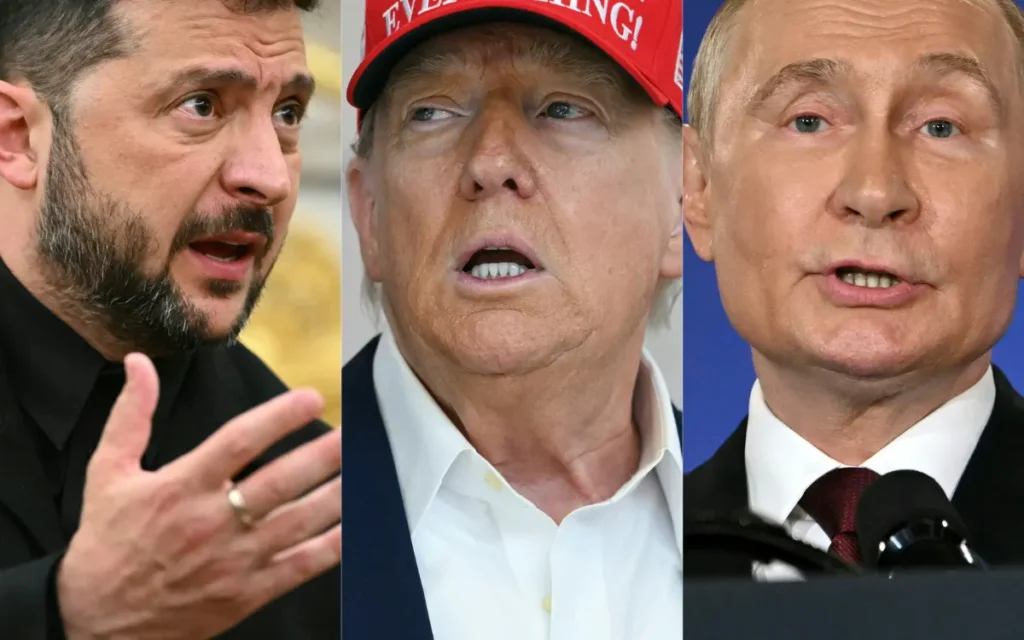


Russia, Ukraine, and the United States have agreed in principle to resume trilateral peace negotiations in Abu Dhabi in November, as Washington intensifies diplomatic efforts to end the Russia–Ukraine war despite continued military escalation.
Kremlin spokesman Dmitry Peskov said Friday that talks were planned for the first half of November, potentially around November 10. The announcement followed meetings between U.S. special envoy Steve Witkoff and Ukrainian President Volodymyr Zelensky in Oslo on Tuesday, and Russian President Vladimir Putin in Saint Petersburg on Wednesday. Both Moscow and Kyiv subsequently expressed readiness to restart US-mediated negotiations, which have been stalled since the beginning of the year.
“The goal of these discussions will be to address the issue of ensuring security for both Ukraine and Russia… within the framework of a final agreement, not after some kind of short pause in fighting,” Putin told Russian state television Thursday.
Abu Dhabi’s selection as the venue for peace talks underscores the UAE’s growing diplomatic role in facilitating dialogue between Russia and Ukraine. By maintaining constructive relations with both Moscow and Kyiv, the UAE has established itself as a valuable channel for communication and humanitarian cooperation throughout the conflict. Its successful mediation of multiple prisoner exchanges has demonstrated its ability to deliver tangible results and strengthened confidence in Abu Dhabi as a trusted venue for sensitive negotiations.
These diplomatic achievements provide a solid foundation for broader peace efforts, offering both sides an opportunity to explore common ground on complex political and security issues. While significant differences remain, Abu Dhabi’s experience in bringing the parties together highlights the important role UAE diplomacy can play in bridging divides and supporting international efforts toward achieving a just and lasting peace.
The proposed talks highlight differences over the terms of a potential settlement. Moscow is emphasizing long-term security arrangements rather than a temporary ceasefire, while Zelensky has called for negotiations to begin as soon as possible. The diplomatic push also comes amid continued military operations, with Ukraine accusing Russia of launching ballistic missile strikes following Putin’s meeting with Witkoff. Russia’s defense ministry, meanwhile, claimed Thursday that its forces had intercepted 808 Ukrainian drones overnight. Neither claim establishes a direct connection between the attacks and the diplomatic discussions.
The renewed negotiations could provide an opportunity to address security guarantees and the broader framework for ending the conflict, but continued fighting underscores the challenges facing Washington’s mediation efforts. NATO’s decision Thursday to allow Ukraine to purchase weapons through its central procurement agency also highlights the parallel effort to strengthen Kyiv’s military capabilities. Attention now turns to whether the Abu Dhabi meeting is formally confirmed and whether the three sides can narrow their differences over the conditions for a lasting settlement. (AFP+EIR)