
French President Emmanuel Macron’s Gulf tour of Saudi Arabia and Qatar on Wednesday combined efforts to strengthen regional security partnerships, support Lebanon’s military, and secure energy supplies for France amid escalating Middle East tensions and domestic economic pressures.
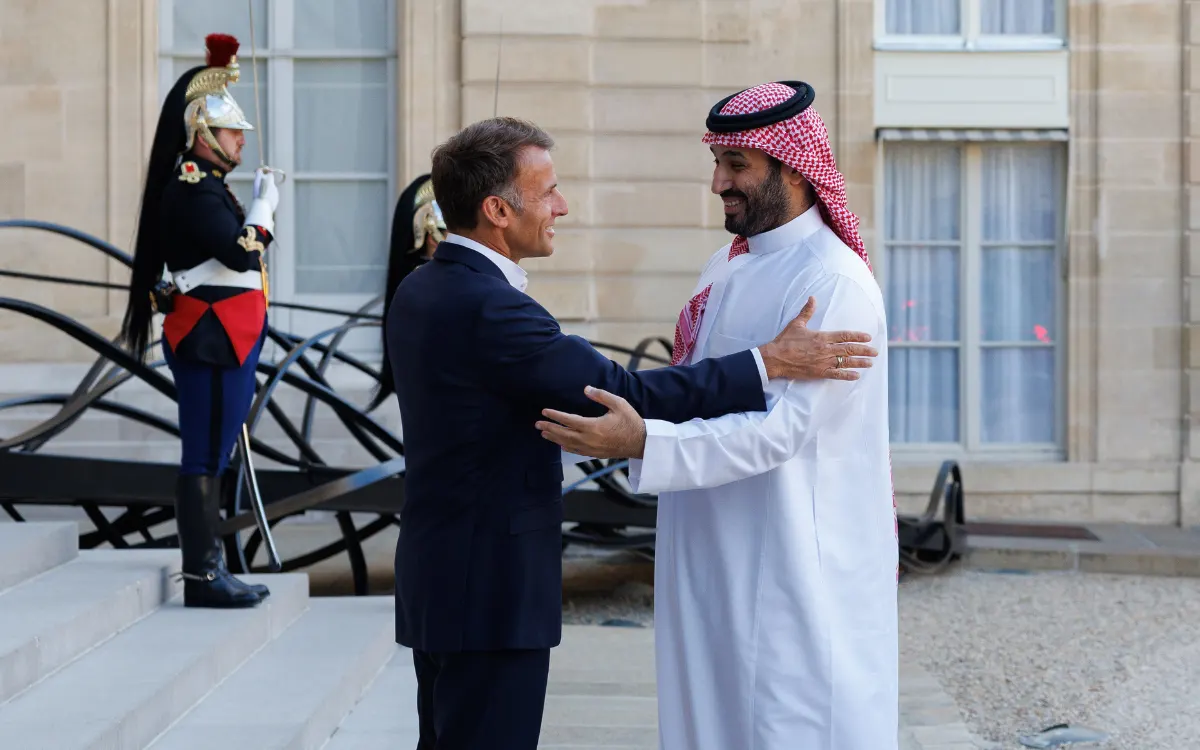
Macron arrived in Riyadh for a surprise solidarity visit with Saudi Crown Prince Mohammed bin Salman following intensified Houthi attacks on the kingdom, becoming the first Western leader to visit since the latest escalation. In Qatar, he announced plans for an international conference supporting the Lebanese Armed Forces after Israel’s October 27 elections and confirmed that France had secured additional liquefied natural gas (LNG) supplies for the winter.
“We secured during the winter period the equivalent of two terawatt-hours per month of LNG, which was important for us and which will allow us to move forward,” Macron told reporters in Doha.
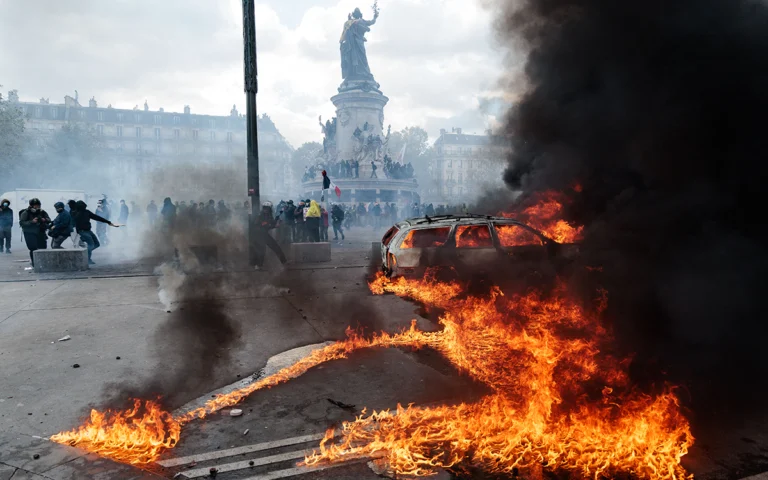
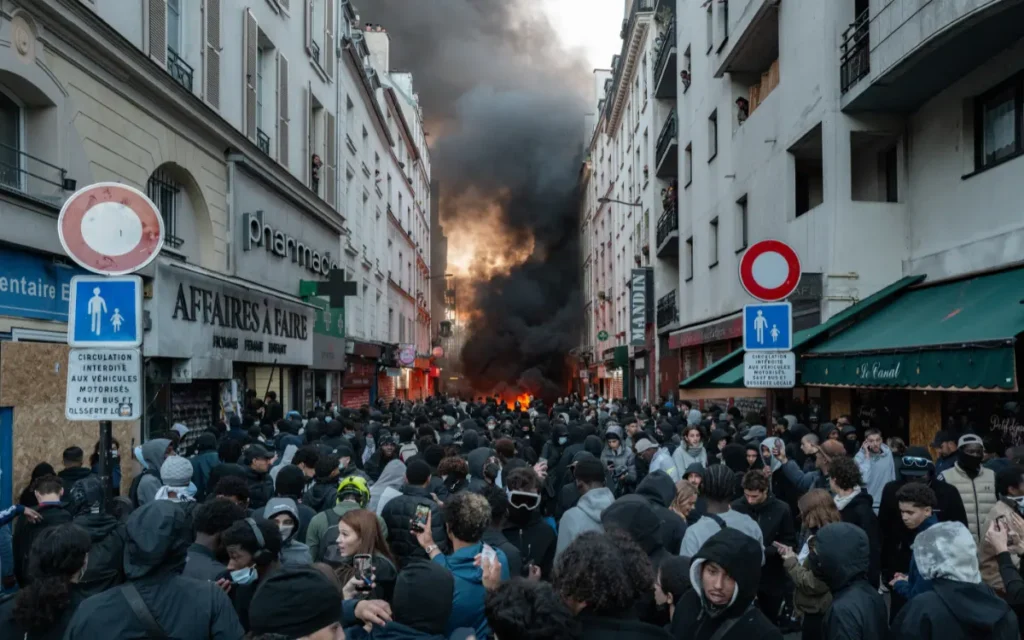
The diplomatic tour comes as France confronts overlapping security and economic challenges. Houthi attacks have disrupted Saudi infrastructure, forced Riyadh airport to close, and complicated oil exports, prompting Paris to demonstrate solidarity while pursuing diversified hydrocarbon supplies. In Lebanon, France is seeking to revive an international support initiative after a previous conference was postponed following Hezbollah’s involvement in the regional war. A June framework agreement envisaging Hezbollah’s disarmament, Israel’s gradual withdrawal from southern Lebanon, and the deployment of Lebanese troops has made limited progress. The Lebanese army remains poorly equipped, while Israeli forces continue to occupy territory in the south. Meanwhile, rising energy costs have triggered violent protests in France, increasing pressure on Macron to secure reliable fuel supplies.
The tour illustrates France’s attempt to connect economic resilience with regional diplomatic influence. The Qatari LNG commitment offers a measurable energy-security outcome, while the Saudi visit reinforces a strategic relationship under pressure from Houthi attacks. The proposed Lebanon conference presents a more difficult diplomatic test, requiring international support, progress on Hezbollah’s disarmament, and agreement over Israel’s military withdrawal. The immediate developments to watch are the results of Macron’s talks with Saudi leaders, the implementation of Qatar’s winter gas supplies, and preparations for the Lebanon conference after Israel’s elections. Whether these initiatives produce lasting results will depend on France’s ability to translate diplomatic commitments into practical cooperation across several interconnected crises. (AFP+EIR)