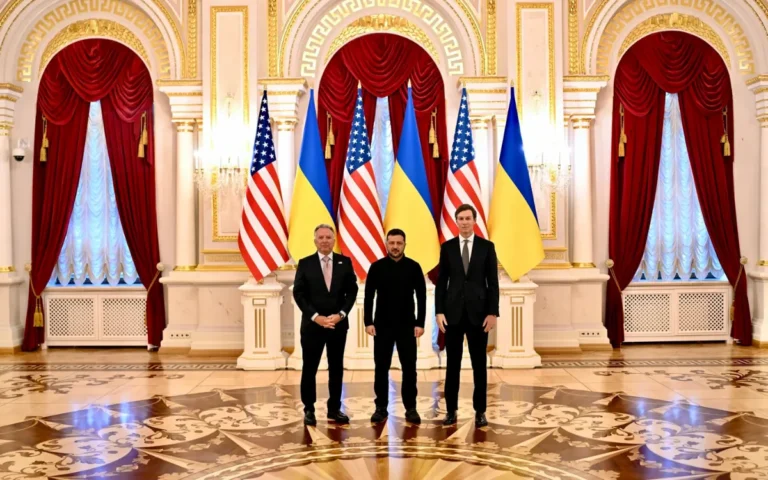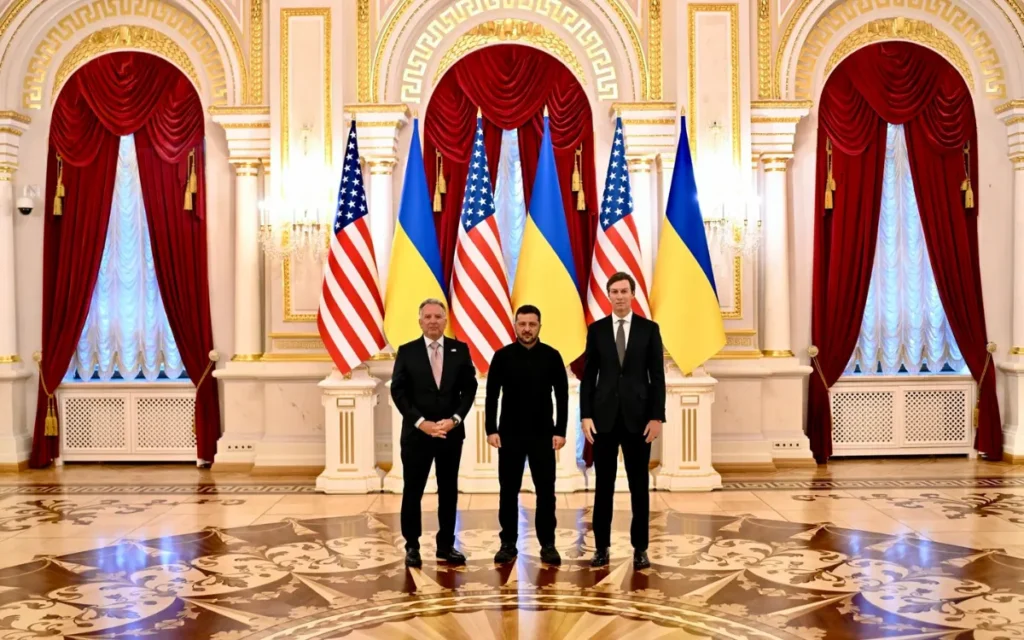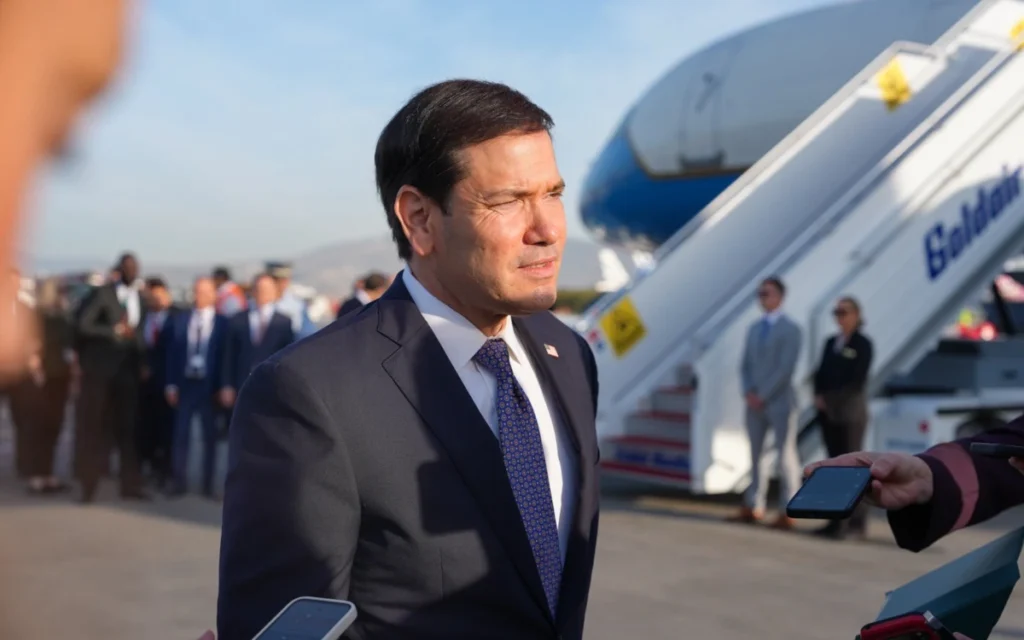

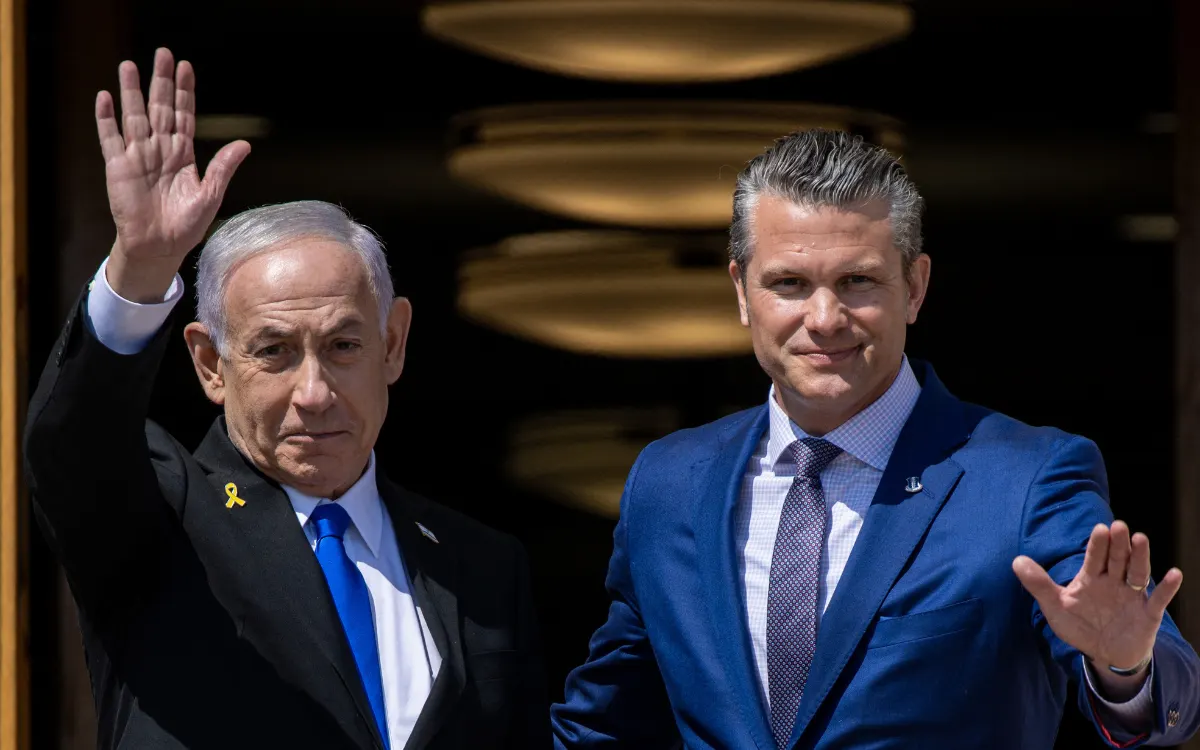
Defense Secretary Pete Hegseth reportedly met Israeli Prime Minister Benjamin Netanyahu during an unannounced visit to Israel on Monday, U.S. and Israeli media reported, amid speculation about possible renewed military operations against Iran.
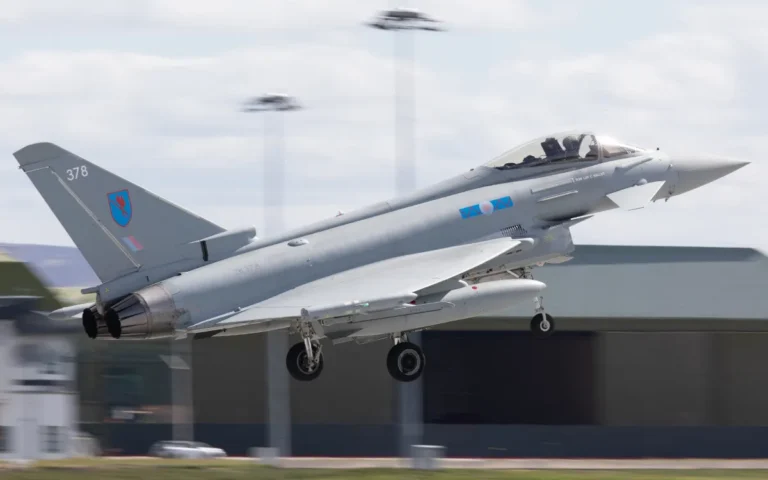
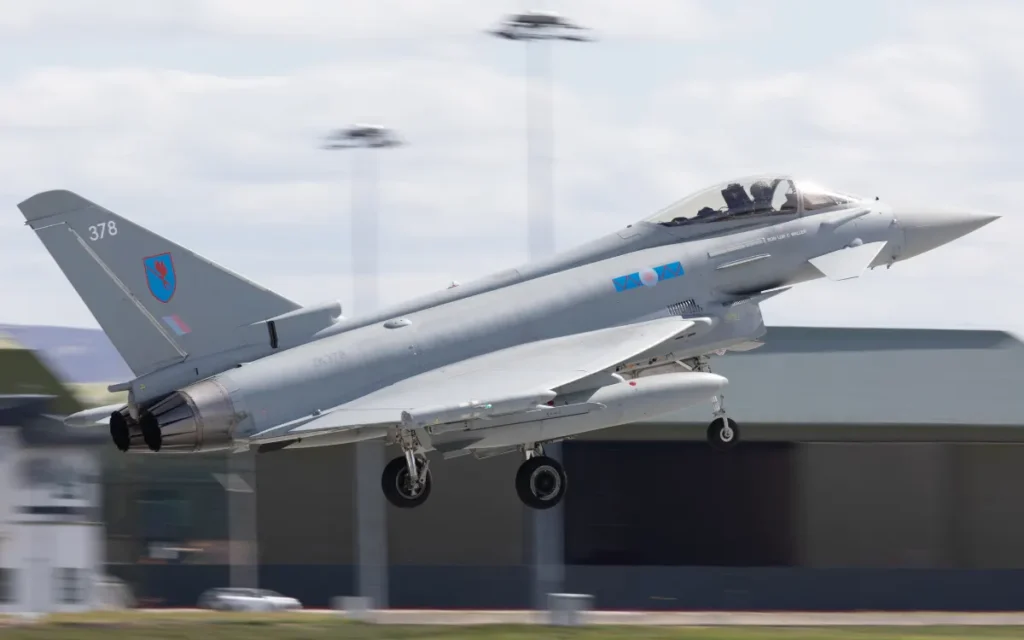
The meeting reportedly took place at Ovda Air Base in southern Israel, where U.S. refueling aircraft and fighter jets are deployed, according to sources familiar with the visit cited by media. The Pentagon declined to comment on the reported meeting, which comes ahead of Israel’s October 27 election.
“I think you’re going to win,” Trump reportedly told Netanyahu during a telephone conversation broadcast by the Israeli prime minister ahead of the election.
The reported meeting comes amid questions over Washington’s military posture toward Iran, although no decision to launch another offensive has been confirmed. Any renewed confrontation with Iran could expose Israel to retaliatory missile attacks, placing military readiness and civilian protection at the center of an already sensitive political period. The reported location of the meeting underscores the operational importance of U.S.–Israeli military coordination, although it does not establish that an attack is imminent. Without official confirmation or an account of the discussions, it remains unclear whether the reported encounter involved contingency planning, immediate operational decisions, or broader regional security cooperation. The reports emerged as Trump publicly endorsed Netanyahu ahead of a closely contested election, with the Israeli leader broadcasting their telephone conversation. Trump’s endorsement highlights Washington’s political involvement in Israel’s election campaign, but it should not be conflated with evidence of a new military commitment.
The central question is whether the reported high-level contact signals any change in U.S.–Israeli security coordination toward Iran or simply reflects existing military cooperation. Further clarification from the Pentagon or Israeli authorities—particularly concerning any operational decisions—would be the clearest indication of whether the encounter represents a substantive development rather than a diplomatic signal. (AFP+EIR)