
Exclusive
Iran pledged not to target Qatari cities, airports, ports or energy facilities
Iran’s Islamic Revolutionary Guard Corps (IRGC) provided Qatar with direct guarantees that any Iranian military strike carried out on Qatari territory would be limited to Al Udeid Air Base, according to sources familiar with the matter who spoke to Eagle Intelligence Reports.
According to the sources, the messages were conveyed directly by the IRGC to Qatari officials as tensions continued to rise between Washington and Tehran. Iran reportedly stressed that any Iranian military strike inside Qatar would target only the strategically important U.S. military installation and would not deliberately extend to civilian or economic targets elsewhere in the country.
Iran reportedly stressed that any Iranian military strike inside Qatar would target only the strategically important U.S. military installation and would not deliberately extend to civilian or economic targets
The sources said the guarantees specifically stated that Iranian forces would not intentionally target Qatari cities, residential neighborhoods, civilian airports, commercial seaports, energy production and export facilities, or other civilian and economic infrastructure. The messages appear designed to reassure Doha that Iran’s military planning distinguishes between U.S. military assets and the Qatari state itself.
The reported communications come as Qatar grows increasingly concerned that confrontation between the United States and Iran could spill across the Gulf. Although Doha has long sought to maintain channels of communication with both Washington and Tehran, officials are concerned that fresh escalations in the U.S.–Iranian conflict will place Gulf states hosting American military forces in an increasingly precarious position.
According to the sources, Qatar’s principal concern is that Iran could decide to broaden the costs of any conflict by striking countries that host U.S. military facilities, thereby increasing the political and economic pressure on Gulf governments to urge Washington to halt military operations or return to negotiations. Doha is particularly concerned that Iran could again aggressively target countries across the region to raise the political and economic cost of the war, with the aim of compelling Gulf governments to pressure Washington to halt or reduce its military campaign.
Qatar’s principal concern is that Iran could decide to broaden the costs of any conflict by striking countries that host U.S. military facilities
The reported guarantees suggest Tehran may be attempting to manage that risk. By signaling that any military strike would remain confined to Al Udeid Air Base, Iran appears to be seeking to preserve working relations with Qatar and other Gulf states while maintaining the option of retaliating directly against American military assets if conflict escalates.
Al Udeid Air Base occupies a uniquely important position in the U.S. military posture across the Middle East. Located southwest of Doha, it serves as one of Washington’s largest military installations in the region and hosts thousands of U.S. personnel, advanced air assets, and key command-and-control functions supporting operations across the Gulf and wider Central Command area. Any attack against the base would therefore carry strategic significance well beyond Qatar itself.
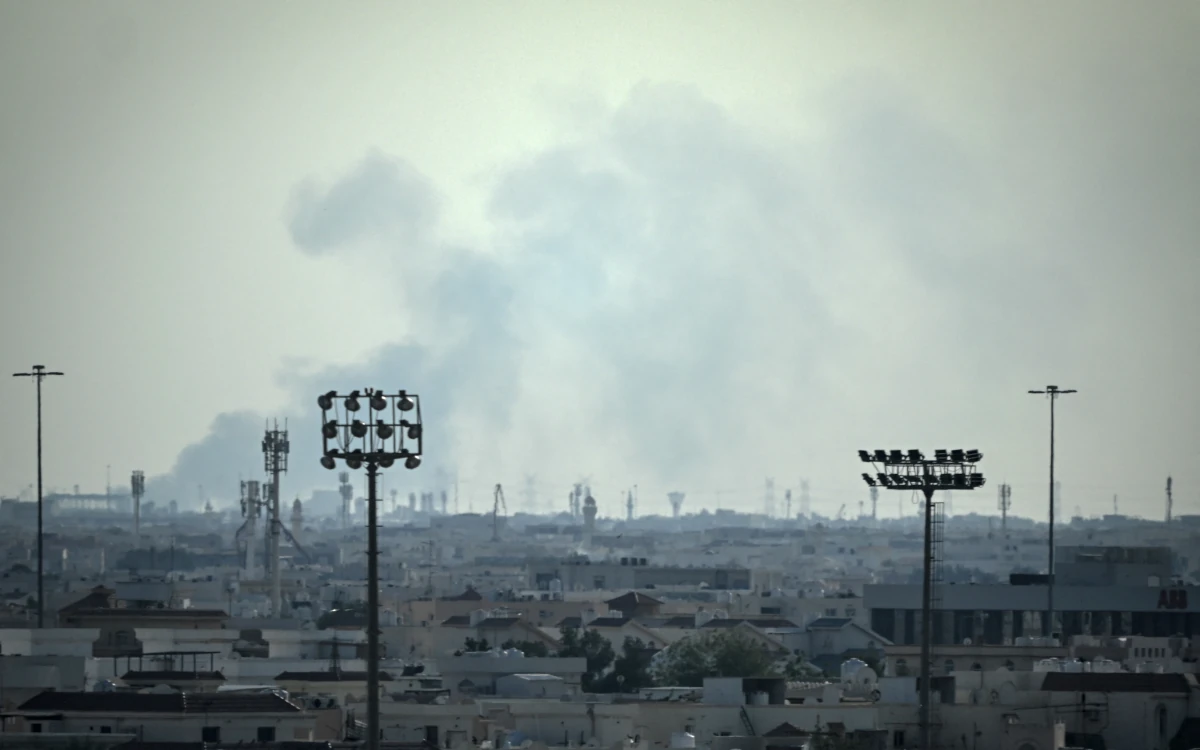
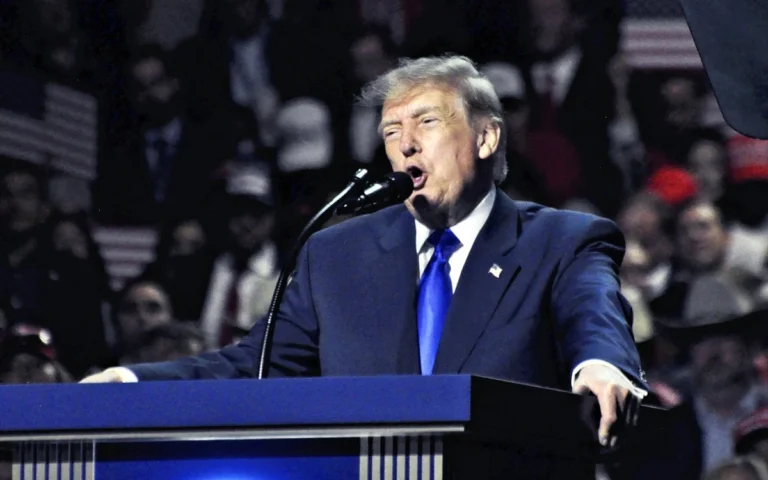
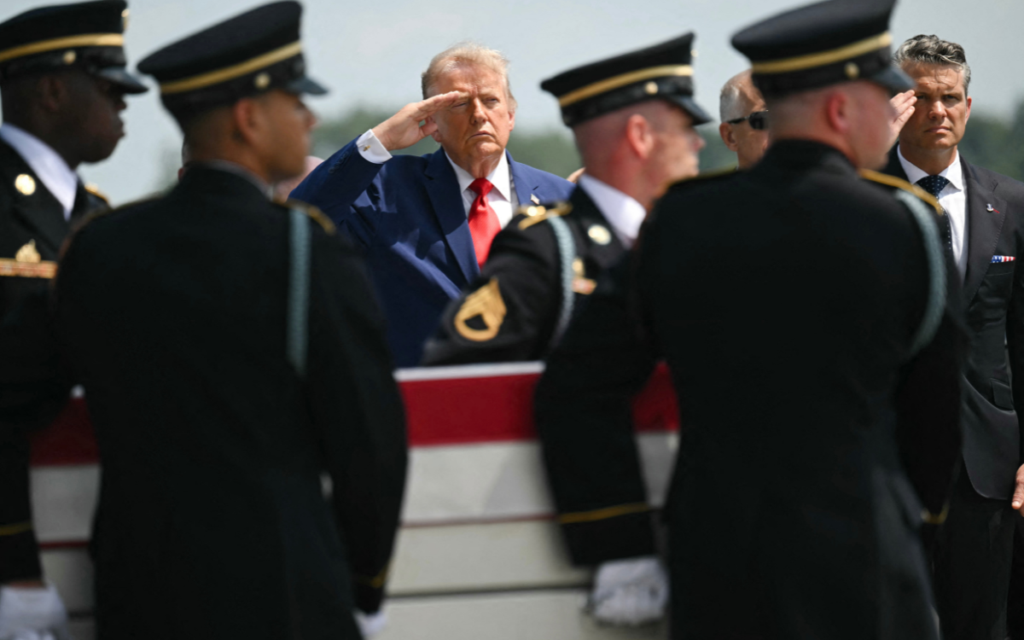
The reported guarantees come amid renewed uncertainty over U.S.–Iran relations. After 13 consecutive nights of U.S. strikes against Iran, President Donald Trump ordered the military to halt further attacks on Friday while leaving open the possibility of renewed military action should diplomacy again fail. At the same time, U.S. officials have continued to indicate that negotiations remain possible despite the recent escalation.
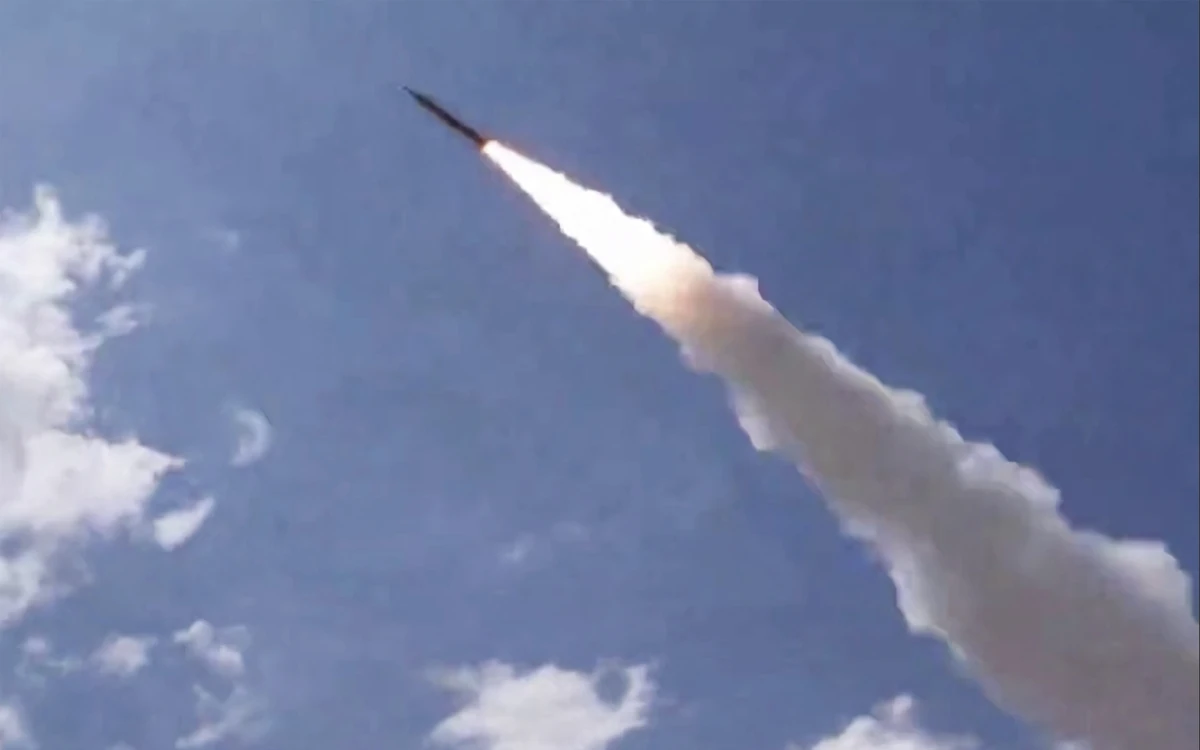
Iran, meanwhile, has repeatedly warned publicly that any attack on Iranian territory could trigger retaliation against U.S. military forces and installations throughout the region. Iranian officials have consistently framed American bases in neighboring countries as legitimate military targets should the conflict expand. This comes amid prior escalation of the U.S.–Iranian conflict. Iran has recently more deeply activated its proxies, with the Houthis striking targets within Saudi Arabia and promising to impose a total naval blockade against all Saudi vessels.
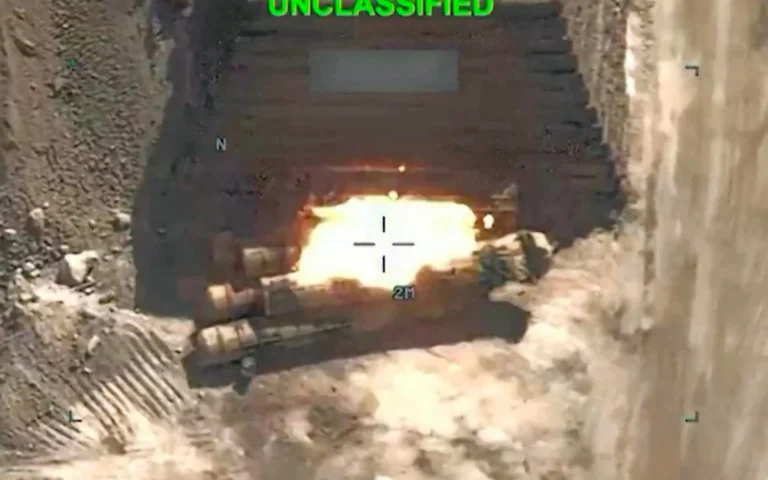
Despite the reported guarantees, the risks facing Qatar would not disappear even if Iran sought to limit military action exclusively to Al Udeid Air Base. Any missile or drone strike against the installation could produce secondary effects extending well beyond the base perimeter. Intercepted missiles, falling debris, or malfunctioning projectiles could pose hazards to nearby areas, while military operations could disrupt civilian aviation, temporarily affect Qatari airspace, and interfere with nearby commercial activity.
Even a carefully calibrated strike would therefore carry broader security and economic consequences. Temporary disruptions to air traffic, heightened insurance costs, precautionary closures, or interruptions to logistics networks could generate effects extending far beyond the immediate military target.
Those risks carry particular significance because Qatar occupies an outsized role in the global energy system. The country is one of the world’s leading producers and exporters of liquefied natural gas, with critical infrastructure supporting production, liquefaction, storage, and maritime exports. Although the reported guarantees indicate Iran does not intend to deliberately target those facilities, any military incident inside Qatar could still reverberate across international energy markets, regional aviation, shipping, and investor confidence.
Although the reported guarantees indicate Iran does not intend to deliberately target those facilities, any military incident inside Qatar could still reverberate across international energy markets
Taken together, the reported messages suggest that Iran is attempting to draw a distinction between attacking American military assets and provoking a broader confrontation with Gulf governments. Whether such restraint could be maintained during an active conflict remains uncertain. Military escalation often produces unintended consequences, and even a strike intended to remain geographically limited could trigger wider political, economic, and security repercussions throughout the Gulf.