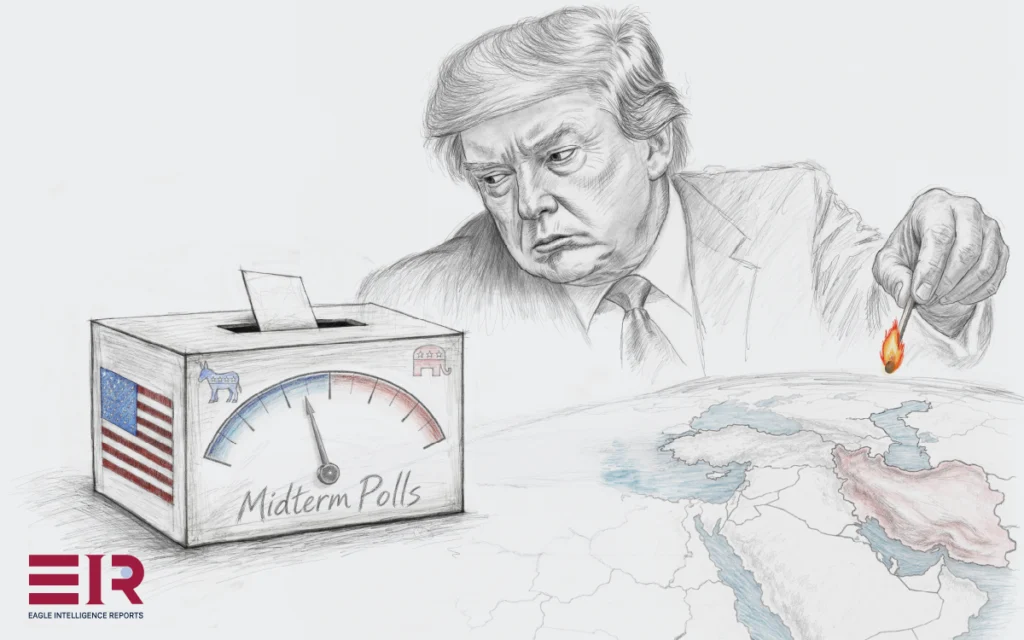
Washington has informed its regional allies and asked them to raise military alert levels to their maximum ahead of planned U.S. strikes on Iran on October 30 or 31, a regional military source tells Eagle Intelligence Reports.
A regional military source told Eagle Intelligence Reports that Washington has informed Gulf Arab states and Jordan of when military operations against Iran will resume and instructed them to raise their military alert levels to the highest level, with airstrikes set to begin on Friday, October 30, or Saturday, October 31, 2026, following what the source described as a U.S. decision to resume military action against Tehran.
The source confirmed that the decision to resume military operations has already been made, explaining that current preparations are focused on carrying out the strikes and managing their potential consequences.
According to information obtained by Eagle Intelligence Reports, Washington has asked Gulf states and Jordan to raise their military readiness to the highest level in anticipation of a possible Iranian response to the expected airstrikes, particularly given the presence of U.S. military bases and facilities in several countries across the region.
The source did not disclose the potential targets of the airstrikes or the scope of the planned military operations, but said regional military assessments suggest the campaign could last several weeks, adding that Gulf states and Jordan expect Iran to launch attacks against critical oil infrastructure and areas hosting U.S. military bases.
The source added that preparations extend beyond the possibility of missile and drone attacks on American bases to include threats against energy facilities and other critical infrastructure, particularly if Tehran expands its military response to target economic assets in countries hosting U.S. forces.
The information comes amid persistent military tensions between Washington and Tehran following the conflict that began on February 28 with Israel’s involvement, and the subsequent exchanges of strikes targeting military installations and critical infrastructure, before regional mediation efforts led to understandings aimed at easing the fighting without resolving the underlying disputes.
Recent weeks have seen renewed tensions in the Gulf and the Strait of Hormuz, including attacks on commercial vessels and oil tankers, alongside a continued U.S. military buildup in the region, raising concerns about another major military confrontation and its potential impact on shipping routes and global energy supplies.
Although Washington has notified Gulf states and Jordan of the need to raise their military alert levels and the anticipated timing of renewed operations, the source cautioned that the dates should not be treated as definitive, noting that the United States had similarly informed these countries of its intention to launch military operations against Iran before the war began in February, only to delay the strikes by more than two weeks while reassessing several military scenarios and options, a situation the source said could recur.
Meanwhile, regional governments are continuing diplomatic efforts to prevent a resumption of the war, with Tehran engaging in talks and contacts with officials from several countries in recent days in an attempt to contain the escalation and find a political resolution to the crisis, while disputes over Iran’s nuclear program and regional security arrangements remain unresolved.