
The U.S.-Israeli war against Iran is nearly eight months old. For Saudi Arabia, Turkey, and Pakistan, it has created a shared problem: how to stop Yemen’s Houthis without fighting Iran, their main backer. The three have taken their search for an answer to Tehran.
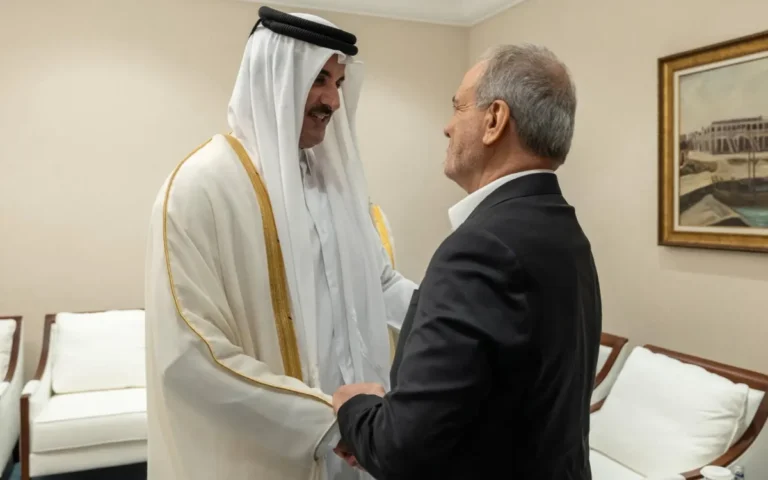
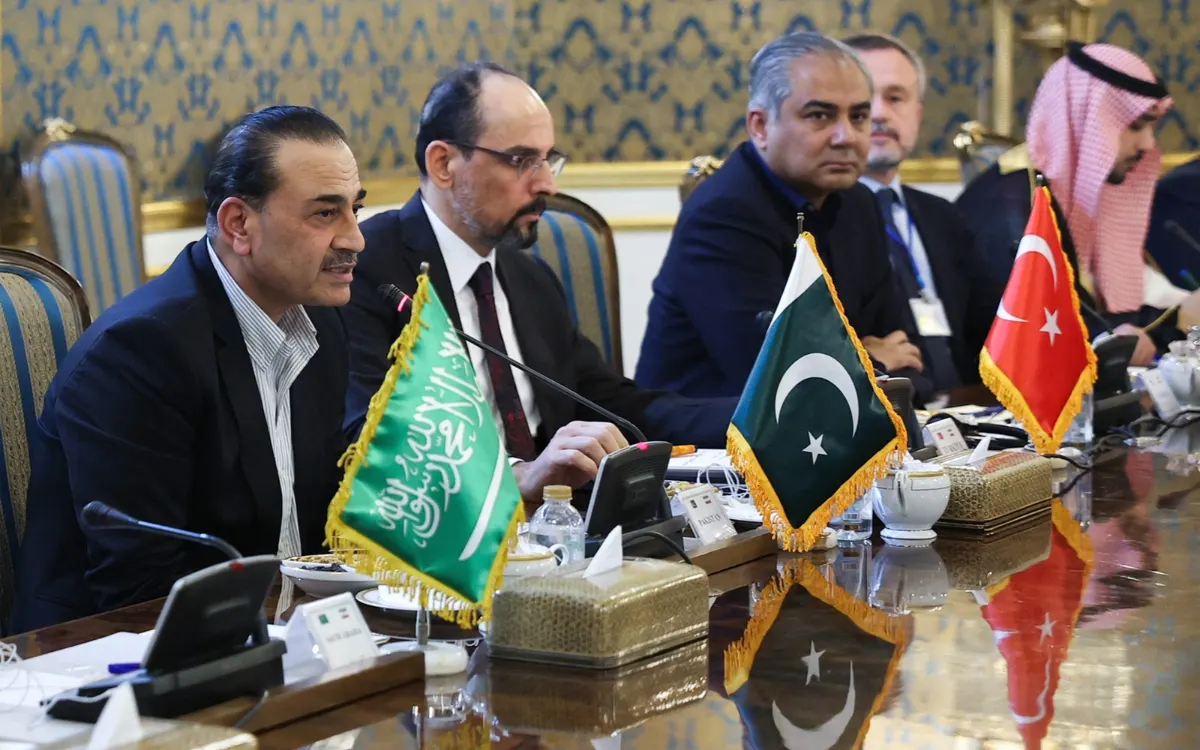
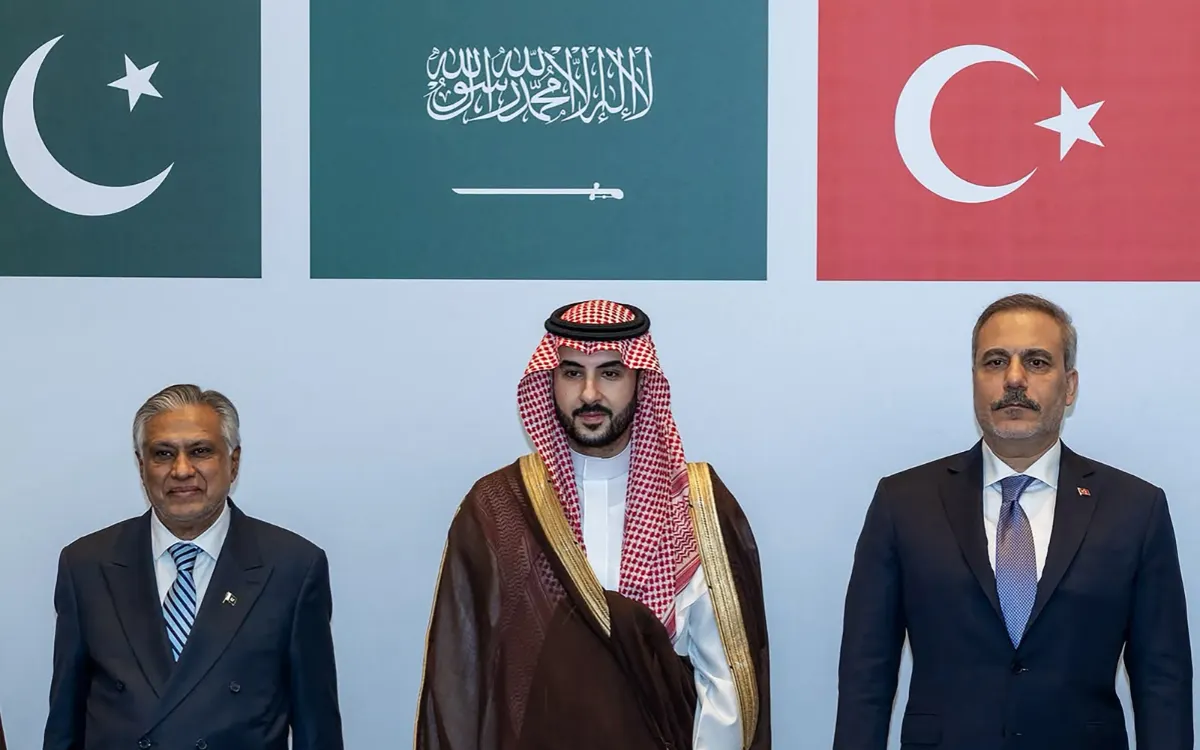
On October 26, 2026, Saudi Defense Minister Prince Khalid bin Salman, Pakistani army chief Asim Munir, and Turkish intelligence chief Ibrahim Kalin held talks in Tehran. Their host was Mohsen Rezaei, who heads Iran’s Supreme National Security Council, and the delegations met President Masoud Pezeshkian. The three represent the Mecca Joint Defense Agreement, signed on August 7, under which an armed attack on any member counts as an attack on all three. It was the first high-level meeting between Iran and all three members together since the Houthis escalated their missile and drone attacks on Saudi Arabia.
Saudi Arabia’s foreign ministry said the visit was meant to ease the crisis and support the mediation between Washington and Tehran led by Qatar and Pakistan. The talks ended without concrete agreements. In a joint statement, the four countries agreed to continue consultations on regional peace and security.
The visit revealed how the members use the pact: as a military shield for Saudi Arabia and as a channel to Iran. The logic rests on a calculation of cost. Helping defend the Saudi kingdom against the Houthis carries limited risk for Turkey and Pakistan, while a confrontation with Iran would put their borders, trade, and diplomacy at stake. The meeting reflects a broader effort by three middle powers to shape regional security arrangements amid uncertainty over the next phase of the U.S.-Iran confrontation.
Helping defend the Saudi kingdom against the Houthis carries limited risk for Turkey and Pakistan, while a confrontation with Iran would put their borders, trade, and diplomacy at stake
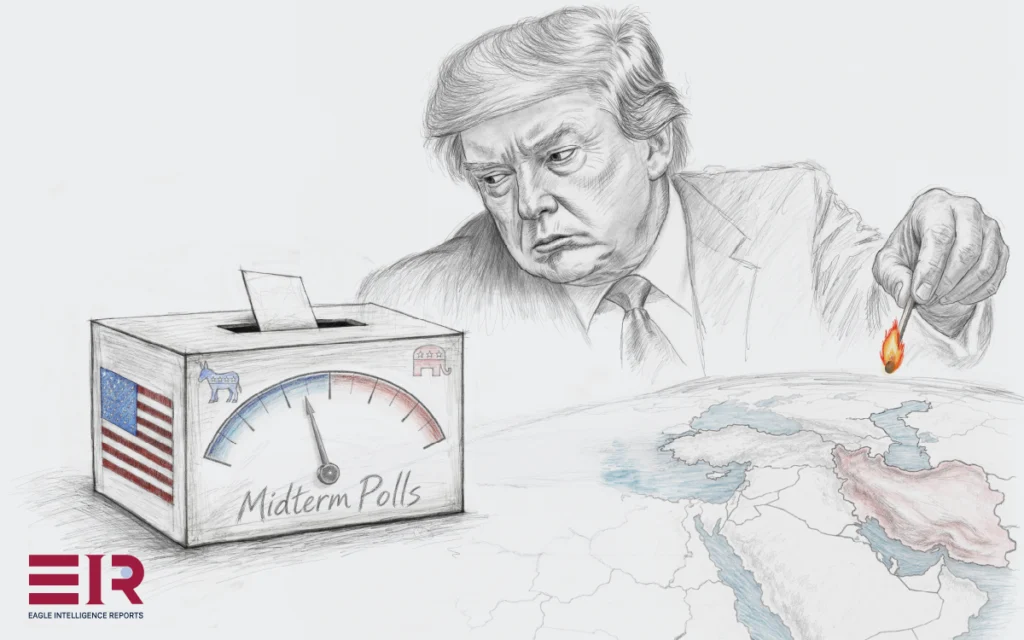
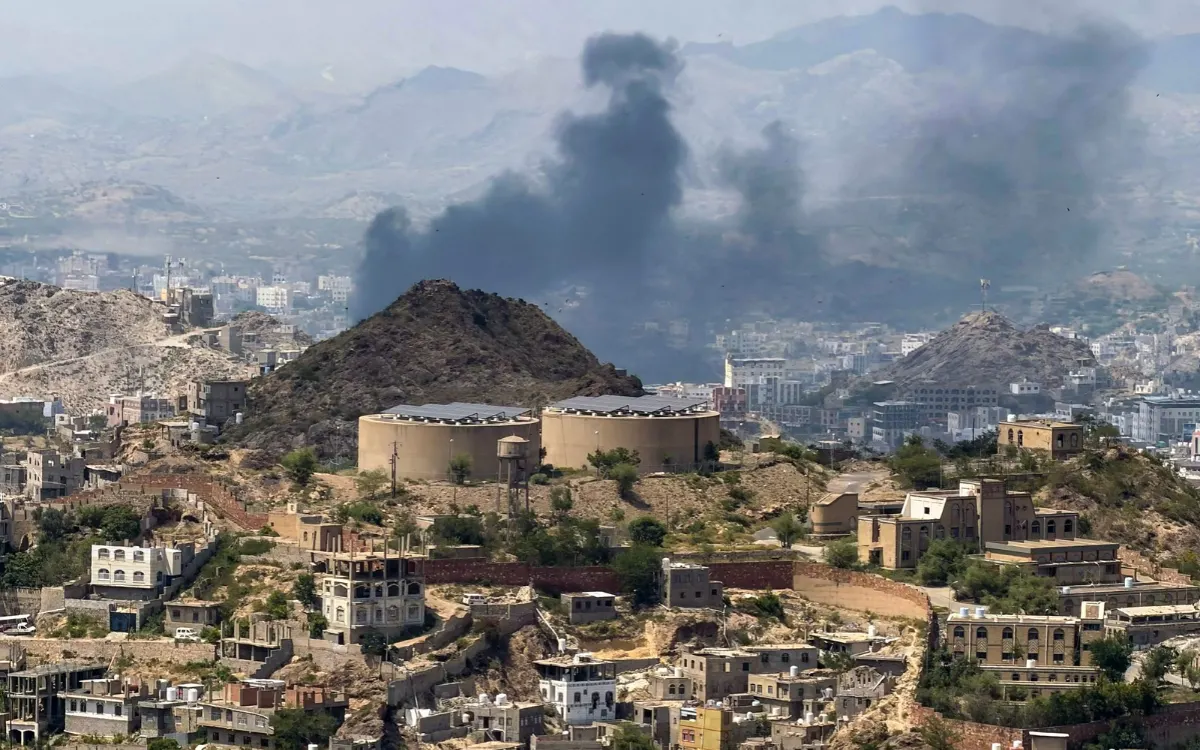
The risk of renewed war was rising as the delegations arrived. On the day of the meeting, the Saudi-led coalition said it had intercepted a Houthi ballistic missile fired toward Riyadh. On October 25, President Donald Trump said he was weighing a deal with Iran against further military action. Washington and Tehran have reportedly prepared to resume the war, possibly after the U.S. midterm elections on November 3.
Balancing the Houthi Threat
The visit follows the logic of what the alliance scholar Stephen Walt called the balance of threat. States, he argued, align against whoever seems most dangerous, judging power, proximity, offensive capability, and intent. Measured this way, the three members do not face the same danger. For Saudi Arabia, the Houthis score high on three of the four: they are close, armed with long-range missiles and drones, and openly hostile. For Turkey, which trades with Iran and is protected by NATO, and for Pakistan, whose main rival is India, Iran is a neighbor to manage.
The pact therefore balances against the threat its members share, the Houthi campaign, and the trip to Tehran follows from that choice. Iran is widely seen as the source of much of the group’s missile and drone capability, so the members are taking the threat to the capital able to restrain it. Munir, whose country initiated the meeting, had urged Iran the previous week to use its influence to halt the Houthi attacks, according to sources cited by Turkish state media.
The Mecca pact balances against the threat its members share, the Houthi campaign, and the trip to Tehran follows from that choice
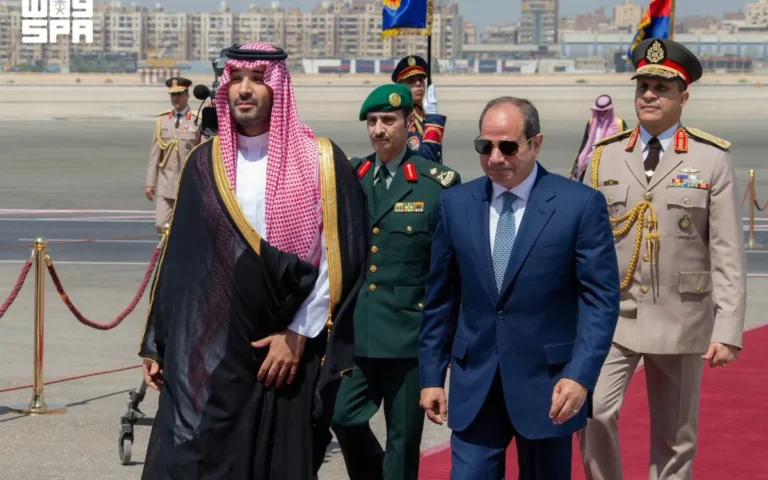
The balance is also widening beyond the pact. On October 26, Egypt’s parliament approved military support to help defend Saudi Arabia if Riyadh requests it. President Abdel Fattah al-Sisi has said that support would be limited to Saudi territory and borders, the same defensive line the pact’s members have drawn. Egypt has not joined the pact, though the Egyptian foreign minister said this month that membership remains “under serious consideration.”
The same calculation explains why the pact names no enemy. Saudi Arabia restored relations with Tehran in 2023, and its foreign minister has kept talking to his Iranian counterpart during the war. Naming Iran would divide the members, while agreeing that the Houthi attacks must stop, and that Tehran can help stop them, keeps them united.
Tehran has its own reasons to host. With new U.S. strikes possible, its priority is probably to keep the Gulf states and their partners out of the next round. After the talks, Rezaei said the four countries had agreed that regional security should be provided by the states of the region, without foreign intervention.
Deterrence and Reassurance for Iran
While the balance of threat explains why the three countries have aligned, the talks in Tehran test whether that alignment can deter further attacks without provoking a wider confrontation. Deterrence depends on convincing an adversary that an attack will cost more than it gains. The pact is still building its capabilities: it has no integrated command yet, and the contributions pledged so far are defensive. The delegation compensates with resolve: the officials in Tehran would help plan any joint response, which makes the commitment harder to dismiss.
The pact’s silence about its enemies keeps adversaries guessing about the form of a collective response. It also blurs what would trigger one, which can tempt them to probe. Meeting in Tehran lets the members set out their red lines in private without a public confrontation.
Dialogue serves a further purpose: easing the security dilemma, in which one side’s defensive steps look threatening to the other. Braced for renewed U.S. and Israeli strikes, Iran could read the alliance as encirclement and lean harder on the Houthis, prompting more deployments to Saudi Arabia. The reaction to Egypt’s decision shows how quickly that perception can form. On October 27, a senior Houthi official accused Cairo of effectively declaring war by authorizing military support for Saudi Arabia. The pact has no formal channel for managing a crisis with an adversary, so direct talks fill that gap.
Dialogue with Tehran serves a further purpose: easing the security dilemma, in which one side’s defensive steps look threatening to the other
Riyadh, Ankara, and Islamabad Hedge
Seen more broadly, the visit is an exercise in strategic hedging, the preferred strategy of middle powers in today’s regional alliance politics. Hedging means spreading bets across several partners so that no single partner decides a state’s fate. Saudi Arabia remains tied to American defense systems, and President Trump has endorsed the pact. Yet Riyadh is building a regional alliance, talking to Iran, and pressing Washington to avoid escalation.
Riyadh’s caution has an economic motive as well, since missile attacks and risks to energy exports threaten Vision 2030, the plan to diversify the Saudi economy. Turkey hedges by keeping NATO as its anchor while extending its security reach to the Gulf. Pakistan hedges by combining its pact obligations with its role as a mediator between Washington and Tehran.
Hedging in turn eases the strategic dilemma that every alliance poses: members fear being abandoned by their partners and being dragged into their wars. The visit shows Riyadh that Ankara and Islamabad are engaged at the highest level. It also confines their commitment to the low-risk task of defending Saudi Arabia against the Houthis, keeping them out of a high-risk confrontation with Iran.
For Washington, the pact’s opening to Tehran creates a regional channel that the United States does not control. The channel could help contain a wider war. It also narrows American freedom of action, since Saudi Arabia, a key U.S. partner, now has a direct stake in avoiding escalation with Iran.
For Washington, the Mecca pact’s opening to Tehran creates a regional channel that the United States does not control
Saudi Arabia, Iran, and Regional Security
The meeting exposes a contest over the meaning of regional security. Iranian officials use the phrase to describe a region with less American presence. For Riyadh and its partners, it appears to mean a larger regional role that complements American power. The difference goes to the core of the region’s future security order: whether it is built alongside Washington or without it.
Security experts distinguish between collective defense, in which states unite against a common threat, and cooperative security, in which rivals sit at the same table to manage their disputes. The Mecca pact was built for the first. In Tehran, it is practicing the second.
Each side holds something the other wants. Riyadh wants the Houthi attacks to stop, and Tehran appears to want Saudi Arabia and its partners to stay out of any new war. Since the meeting produced only a pledge to keep talking, the rate of Houthi fire on Saudi Arabia in the coming weeks will show whether those interests can meet. The outcome will also test whether the Mecca pact can move beyond collective defense to become a mechanism for regional crisis management.