
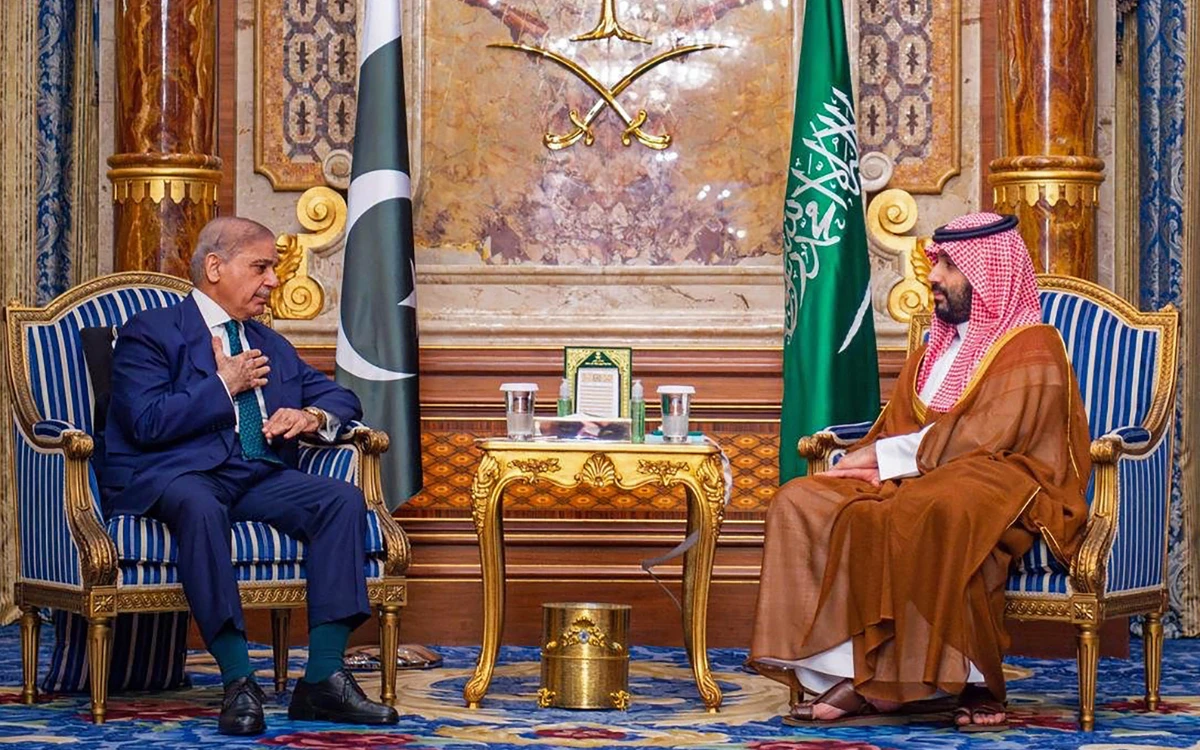
Pakistan’s Prime Minister Shehbaz Sharif condemned the alleged targeting of Mecca, which a Saudi-led coalition blamed on Yemen’s Houthis.
“The people of Pakistan are saddened and perturbed by this outrageous act,” he said on X.
I condemn in the strongest possible terms the dastardly and heinous attempted drone attack against the Holy Site of Makkah Al-Mukarramah.
The people of Pakistan are saddened and perturbed by this outrageous act. There can be no words strong enough to capture the depth of…
— Shehbaz Sharif (@CMShehbaz) September 16, 2026
A Houthi official denied that the rebels sent a drone toward Islam’s holy city, labeling the claim “a worn-out lie that has been used before and no longer fools anyone.” But the Saudi coalition warned that the security of holy sites was a “red line” and that its military command would “not hesitate to take the necessary and deterrent measures” against the Houthis. Saudi Arabia issued alerts on Tuesday over possible attacks in Mecca and the kingdom’s south bordering Yemen, a day after attacks from Yemen wounded 13 people.
The Houthis said on Wednesday that they shot down a Saudi F-15 fighter jet, claiming a locally made munition was used. Houthi military spokesman Yahya Saree said the aircraft was conducting “hostile operations” over Marib province and accused Saudi Arabia of carrying out 450 strikes.
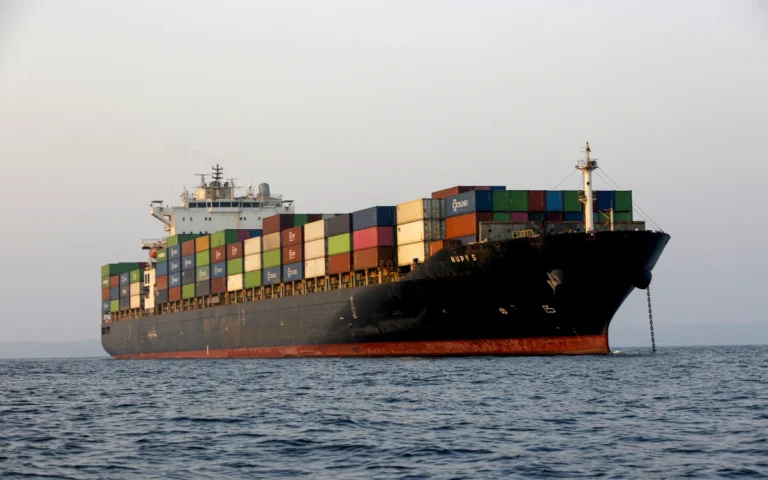
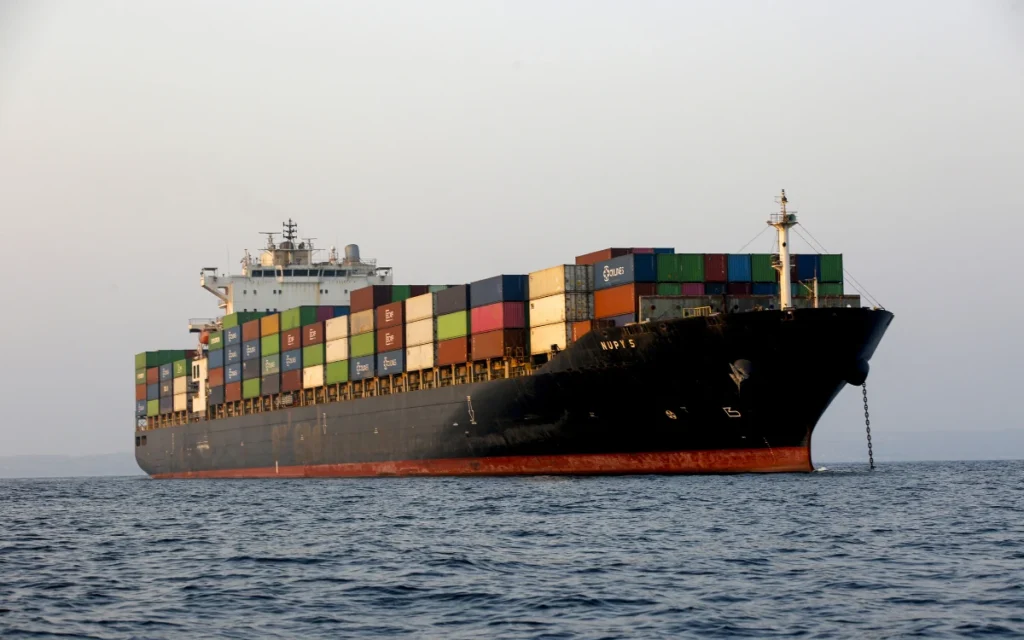
Meanwhile, Saudi Arabia, which has a mutual defense partnership with Pakistan and Turkey, issued a joint call with Egypt for free navigation in the Red Sea following the Houthi offensive. During a visit to Egypt on Tuesday, Crown Prince Mohammed bin Salman and Egyptian President Abdel Fattah al-Sisi called for “ensuring the freedom and security of maritime navigation” through the Strait of Hormuz and Bab al-Mandab, the Egyptian presidency said. The maritime pressure comes as Saudi Arabia has also canceled some crude shipments to Europe and suspended loadings at Yanbu after drone attacks damaged its East–West oil pipeline, a key route for bypassing the disrupted Strait of Hormuz.
The targeting of Mecca risks adding a religious dimension to a conflict already threatening Saudi Arabia’s security and economic lifelines. An attack on Islam’s holiest city—or even a sustained perception that the holy sites are under threat—could increase pressure on Muslim-majority partners such as Pakistan and Turkey to demonstrate support for Riyadh, while the Houthis’ denial highlights the danger of escalation based on contested attribution.
Fighting around Bab al-Mandab, damage to Saudi Arabia’s East–West pipeline, and disruptions to crude exports are also narrowing Riyadh’s options for bypassing the Strait of Hormuz. The convergence of threats to holy sites, energy infrastructure, and two strategic maritime chokepoints could therefore transform the Saudi-Houthi confrontation into a broader test of Saudi Arabia’s regional security partnerships and its ability to protect both religious and economic interests. (AFP+EIR)