
The Iran war has cost the U.S. military approximately $38 billion as of August 1, the nonpartisan Congressional Budget Office (CBO) said on Tuesday.
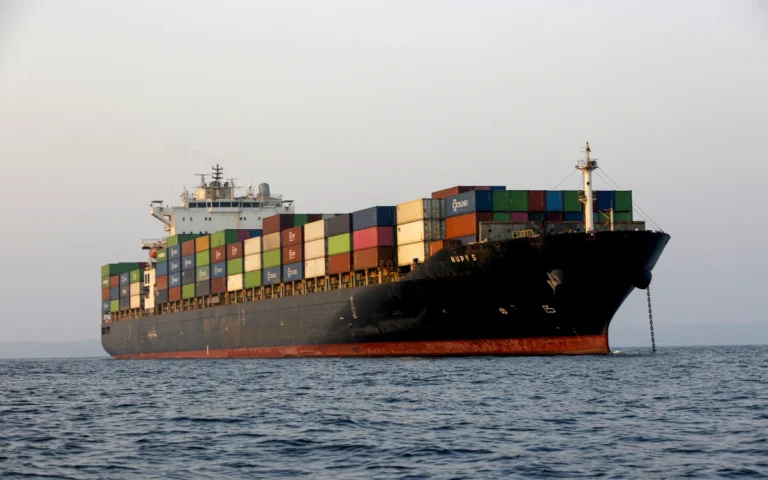
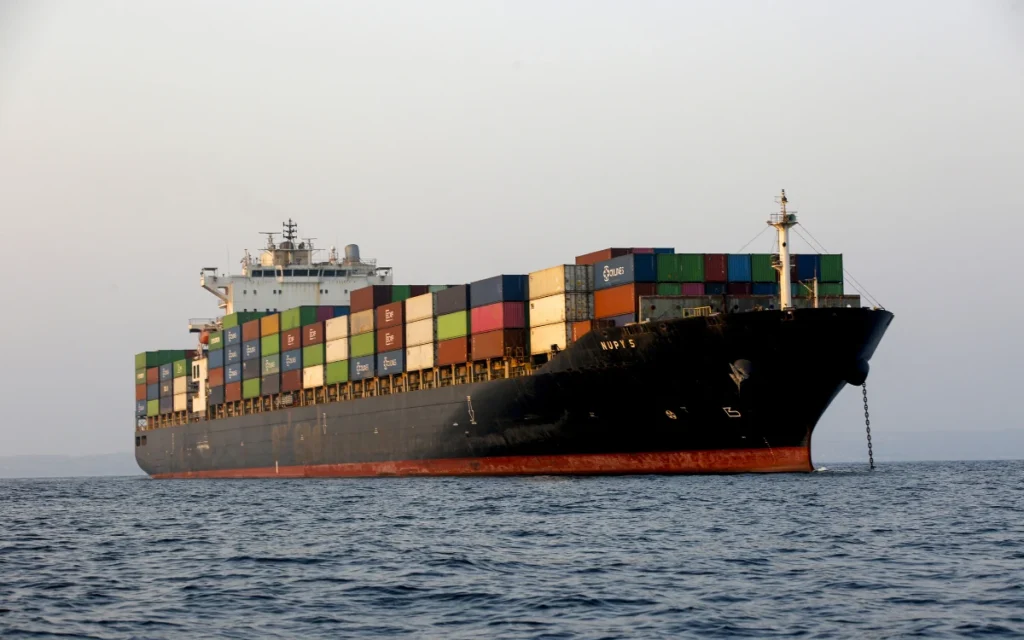
It added in a report that costs could range between $2 and $3 billion per month or more if the conflict continued, depending on the intensity of violence. The overall figures include the cost of replacing weapons and equipment lost, as well as increased fuel prices for the military. Expended munitions alone have cost $21.7 billion to replace. The U.S. economy has also been hit by inflation caused by oil and natural gas disruptions stemming from blocked Strait of Hormuz shipping. Average diesel prices in the United States have reached a record high of just under $6.27 a gallon on Tuesday.
Beyond the financial losses, the United States has been left with reduced inventories of missile defense interceptors for many years to come because of the Iran war. The Defense Department’s inspector general confirmed on Monday that the U.S. ammunition stocks have been depleted because of the Middle East conflict, contrasting with U.S. President Donald Trump’s claims of full stocks. Since June 2025, the United States has used up to two-thirds of its inventory, according to the CBO.
The CBO figures put the financial and military costs of the Iran war into sharper focus less than two months before the November midterm elections. The conflict is no longer imposing costs only through direct military spending: depleted interceptor stocks and higher energy prices broaden its consequences for defense readiness and the domestic economy. Those pressures give both parties concrete issues to contest as voters prepare to decide control of Congress, which will shape oversight, appropriations, and the political constraints surrounding the administration’s conduct of the war. With the CBO estimating that the conflict could continue adding billions of dollars in military costs, the approaching elections will determine the composition of the Congress responsible for scrutinizing and funding the next phase of U.S. involvement. (EIR+Agencies)