
The global trading system faces its “most serious and sustained” disruption in 80 years, the World Trade Organization (WTO) has warned.
Geopolitical fragmentation could potentially cut global GDP by about five percent and exports by 18.6 percent by 2050.WTO said in its annual report that “a reversion to unilateral trade policy would impose large costs.” The report echoes a warning by its director-general, Ngozi Okonjo-Iweala, in March, shortly after the start of the U.S.-led war on Iran.
“We have seen trade rules challenged on a scale unseen since multilateral institutions were created to underpin open, stable, and predictable global trade in the wake of the Great Depression and the Second World War,” Okonjo-Iweala wrote in the report’s preface. She argued that “all economies are better off cooperating” and that trade cooperation contributed to peace among WTO members.
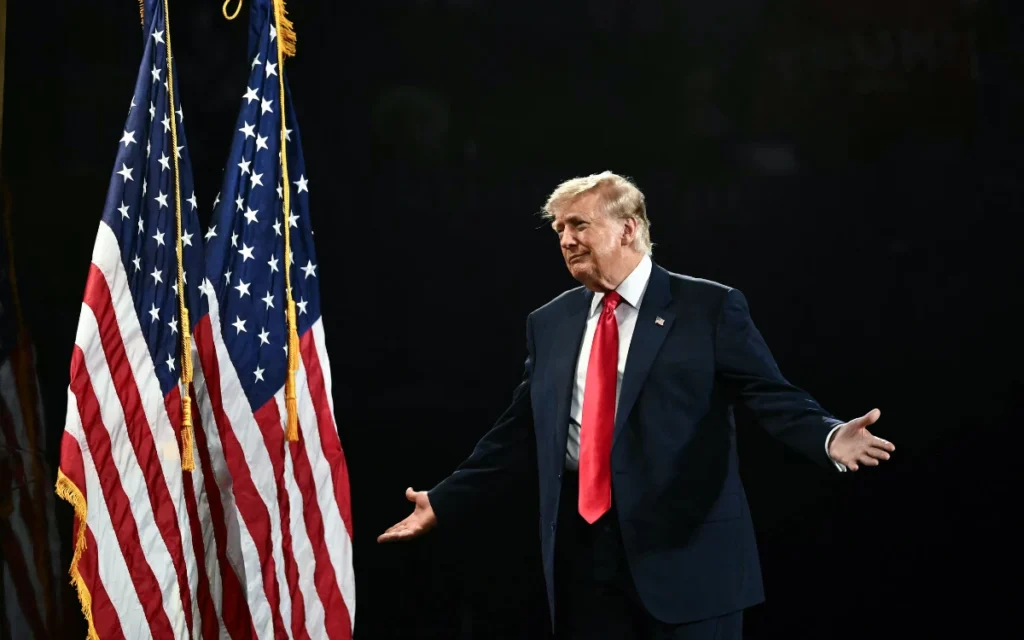
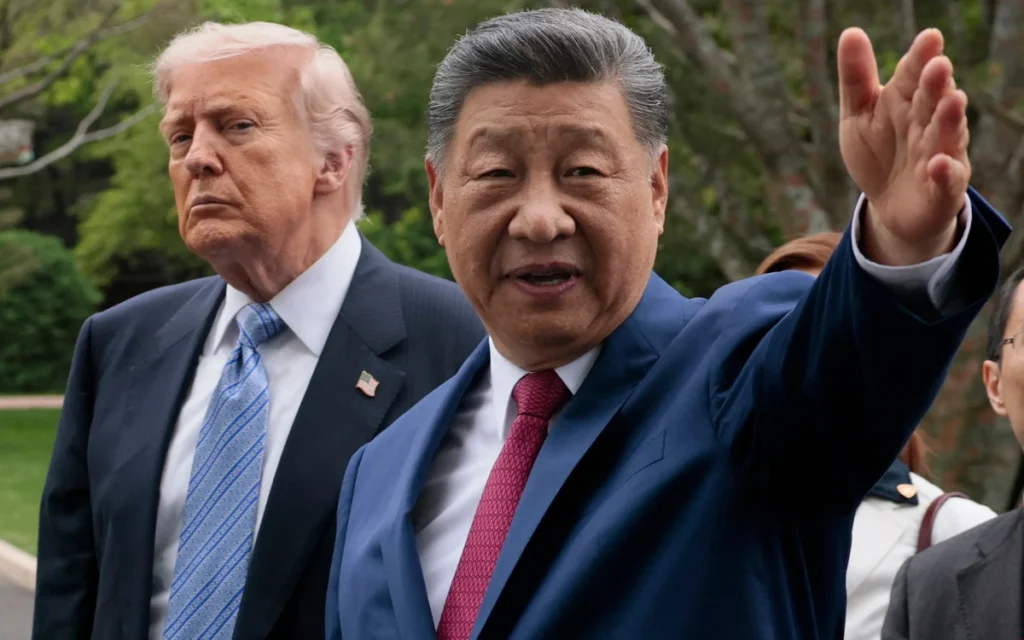
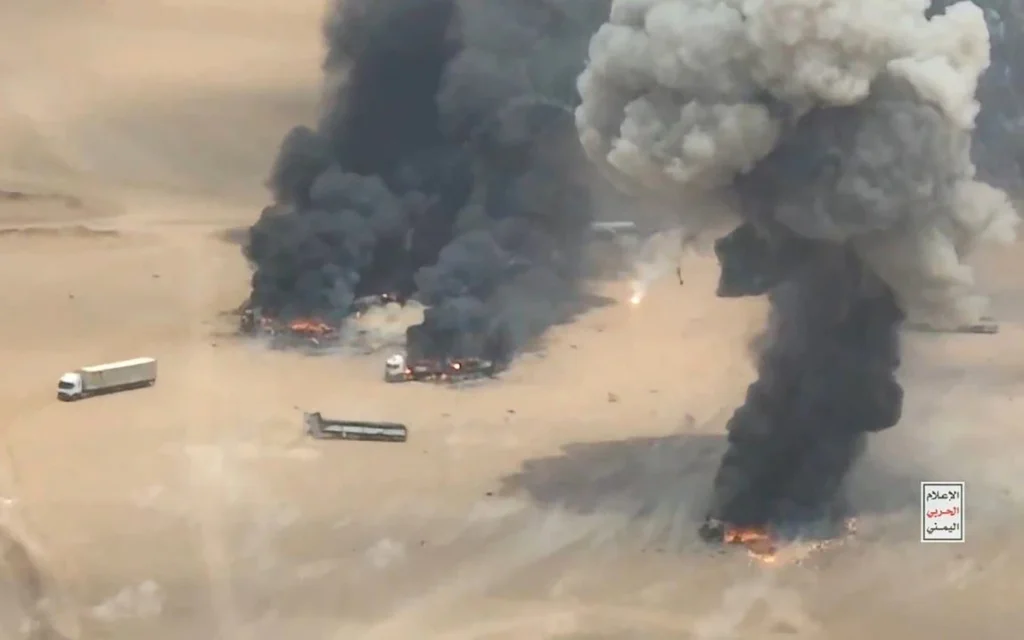
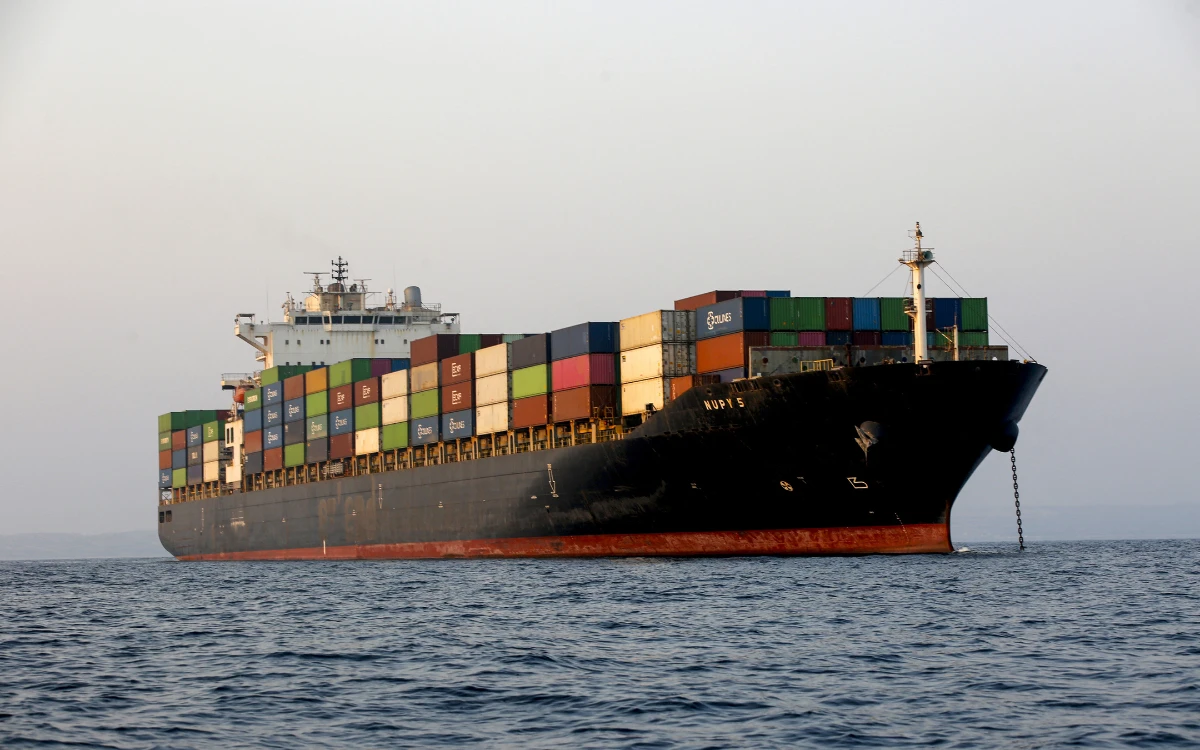
But the forecast has worsened since U.S. President Donald Trump returned to the White House in January 2025 and imposed sweeping tariffs on imports from major trading partners, including China, Canada, Mexico, and the European Union, as well as sector-specific tariffs on products such as steel, aluminum, and automobiles. Geopolitical tensions have added to those pressures, with disruptions around the Strait of Hormuz and Bab al-Mandab threatening two of the world’s most important maritime trade routes. The WTO also attributed the cause of global trade pressure to shifts in economic power and the growing scale and variety of government intervention in markets. The agency’s chief economist, Robert Staiger, said an investment boom in AI-related goods, including servers, computers, and data centers, may be masking some of the underlying decline in global trade. He cautioned, however, that AI-related trade remains concentrated among a relatively small number of countries, limiting how broadly its benefits are shared.
The WTO’s projections highlight how the fragmentation of trade along geopolitical lines could reshape the global economy beyond the immediate impact of tariffs. A system increasingly divided among competing blocs and bilateral or regional agreements would favor major economies with the market size and political leverage to negotiate advantageous terms, while smaller and poorer countries would have less bargaining power and greater exposure to disruptions.
The WTO estimates that replacing the multilateral system with a network of free trade agreements could reduce global GDP by nearly 7 percent, compared with a potential gain of roughly 3 percent from stronger multilateral cooperation. The widening gap between those scenarios underscores what is at stake as geopolitical rivalry increasingly influences trade: the erosion of common rules could turn economic interdependence from a source of shared growth into another arena of strategic competition. (AFP+EIR)