
Beijing rejected “groundless” reports that Chinese entities provided Tehran with satellite images of a military base hosting American troops in Jordan, before and after an Iranian strike that killed three U.S. soldiers.
China’s response comes after American media reported that U.S. officials had linked satellite imagery supplied by Chinese entities to Iran with the July 17 missile strike on Muwaffaq Salti Air Base in Jordan. The reporting did not name the Chinese entities involved and did not suggest that Beijing was directly to blame.
“We firmly oppose groundless suspicion and accusations without evidence,” Chinese foreign ministry spokesperson Guo Jiakun said on Monday.
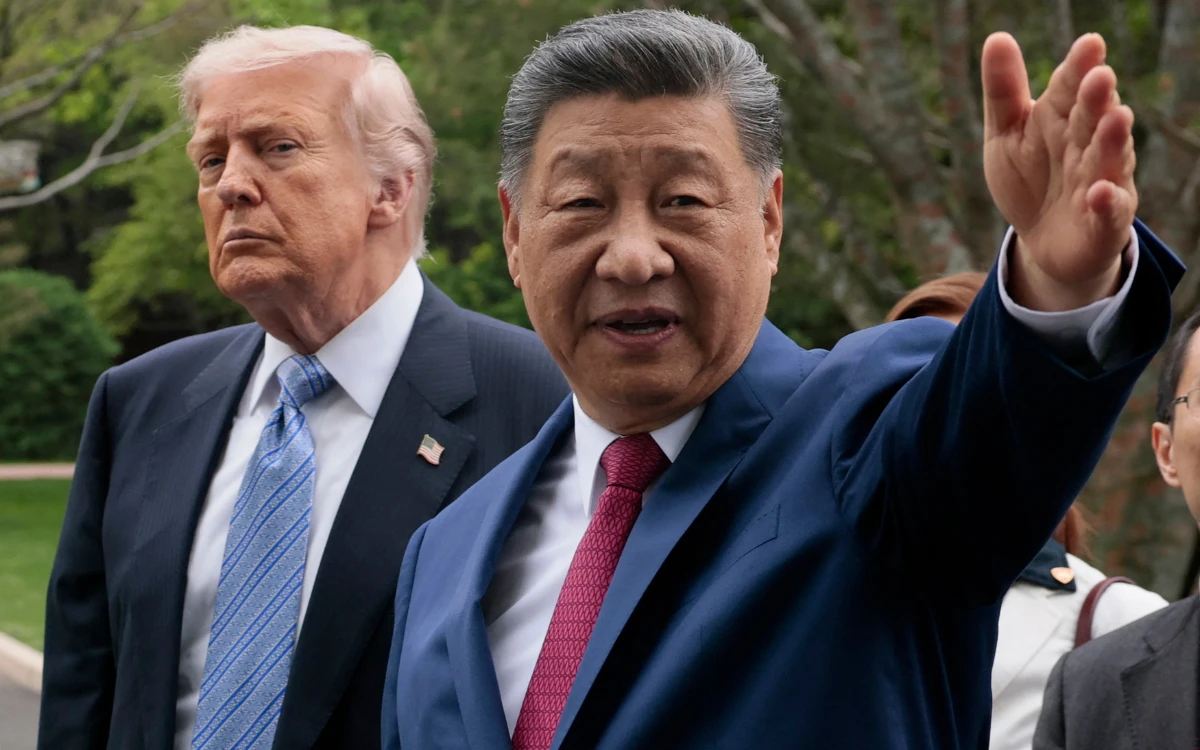
U.S. President Donald Trump sought to downplay the reports, saying that China spies on the United States just as Washington spies on Beijing. Trump’s response appeared aimed at limiting tensions ahead of a planned visit by Chinese leader Xi Jinping to the White House on September 24. The U.S. president has previously warned Beijing not to sell weapons to Iran. In May, the United States sanctioned three China-based satellite firms for enabling Tehran’s military operations. Despite China’s close economic ties with Iran, including its purchases of Iranian oil, Trump said on Sunday that Xi “behaved reasonably well.”
Beijing is disputing who supplied the images. Washington settled whether Chinese firms can supply them in May, when it sanctioned three of them. Imagery sold by a company is deniable in a way a weapons transfer is not, which is why this charge can sit unpressed through a summit season. Trump has reasons to leave it there, and so does Xi, who absorbed the postponement of Trump’s Beijing visit during the war without making it a grievance. The equilibrium set at Busan last year holds because neither leader wants to find out what replaces it. (AFP+EIR)