
Yemen’s Houthis said they targeted Riyadh’s King Khalid International Airport, an Aramco refinery, and other Saudi sites as the Saudi-led coalition expanded operations in Yemen. The escalation comes as Pakistan and Turkey prepare forces for rapid deployment under their joint defense agreement, adding a regional dimension.
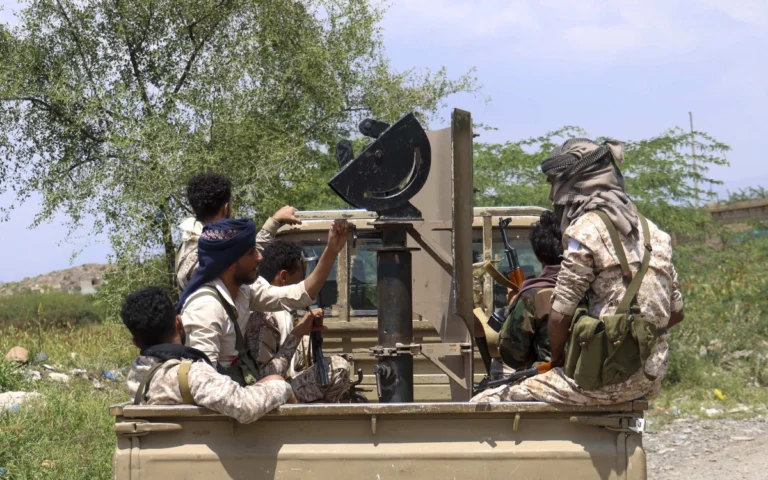
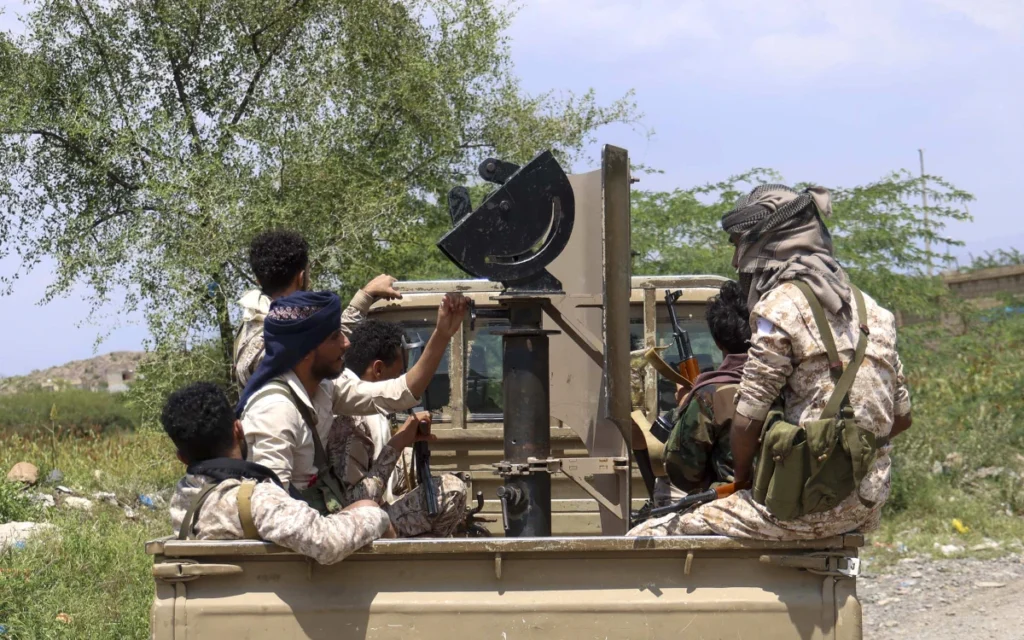
Saudi Arabia said coalition naval forces destroyed weapons depots, facilities housing explosive-laden boats, and naval mines in Hodeidah, while strikes destroyed a ballistic-missile launch platform in Sanaa and a storage facility in Saada containing 20 ballistic missiles. Yemeni military sources also said pro-government forces had cut the supply route to Houthi-held Mokha, although they stopped short of confirming the port had been retaken.
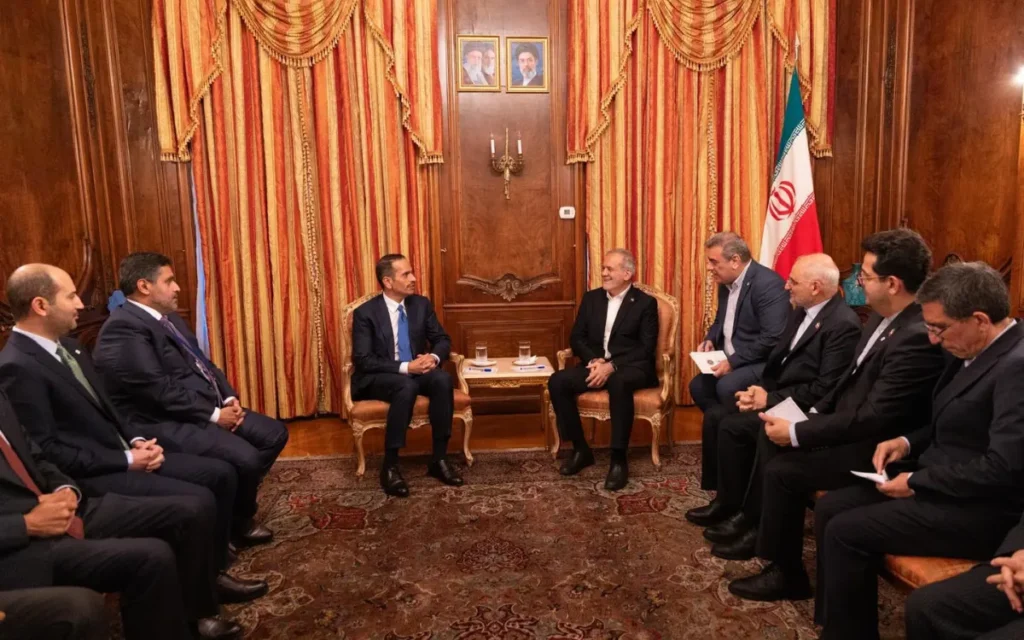
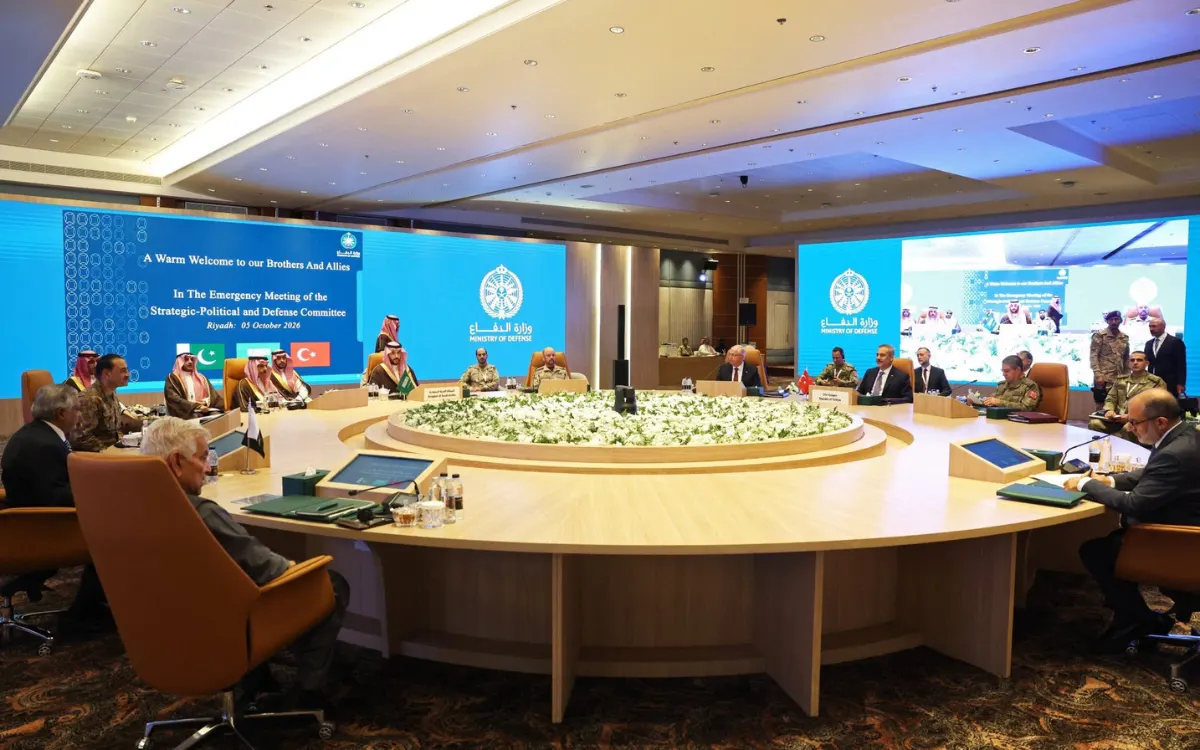
Pakistan, Saudi Arabia and Turkey agreed to “move immediately to the practical implementation of the collective defense commitments” and take measures to provide forces and capabilities for “rapid deployment” in Saudi Arabia, according to a joint statement following an emergency meeting in Riyadh.
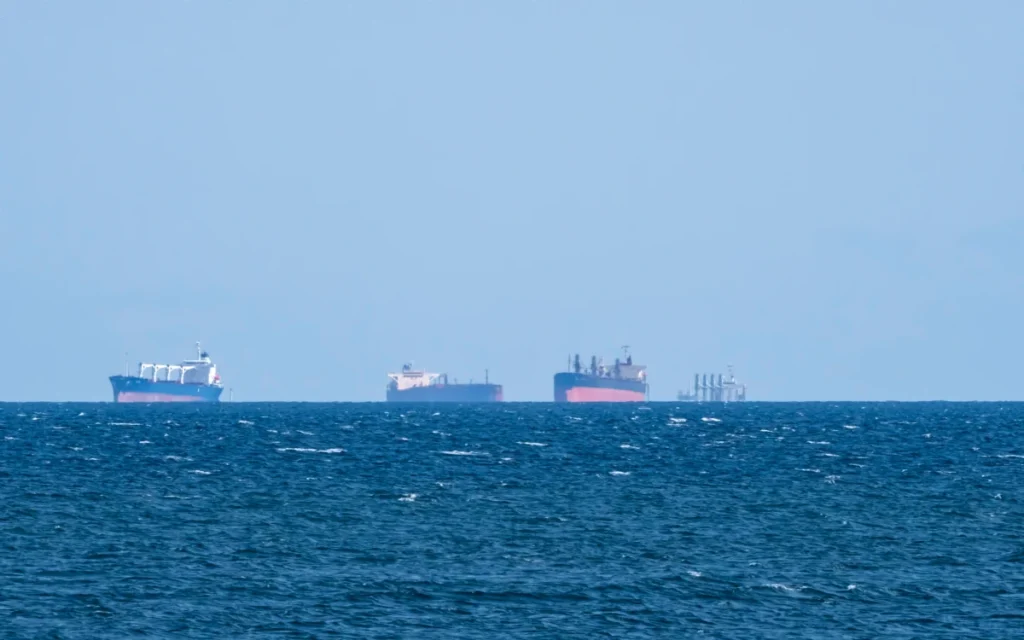
The latest operations widen the confrontation beyond Yemen’s front lines, with Houthi claims of attacks on Saudi infrastructure coinciding with coalition operations against the group’s maritime and long-range strike capabilities. A Saudi energy-sector source told French media that an attack on Sunday halted pumping through the kingdom’s East–West oil pipeline to the Red Sea, a route that has become increasingly important amid disruption to shipping through the Strait of Hormuz. Bab al-Mandab connects the Red Sea with the Gulf of Aden and is a route for international trade and energy shipments. The escalation follows the internationally recognized Yemeni government’s launch of an offensive against Houthi-held territory with Saudi support.
The combination of claimed attacks on Saudi territory, pressure on the East–West pipeline, coalition operations against Houthi maritime and missile capabilities, and the planned arrival of Pakistani and Turkish forces points to a regionalized confrontation. Cutting the supply route to Mokha could increase pressure on Houthi positions along Yemen’s Red Sea coast, although the battlefield situation remains contested. Saudi operations in Hodeidah connect the renewed campaign directly to Red Sea security, while disruption to the East–West pipeline demonstrates how the Yemen conflict could compound pressure on regional energy routes. The deployment of Pakistani and Turkish forces could strengthen protection around Saudi infrastructure, but it increases their exposure if Houthi attacks continue. The central risk is that battlefield gains in Yemen and the deployment of Pakistani and Turkish forces could turn an intensified Houthi–Saudi conflict into a broader regional confrontation centered on Red Sea security and Saudi critical infrastructure. (Agencies+EIR)