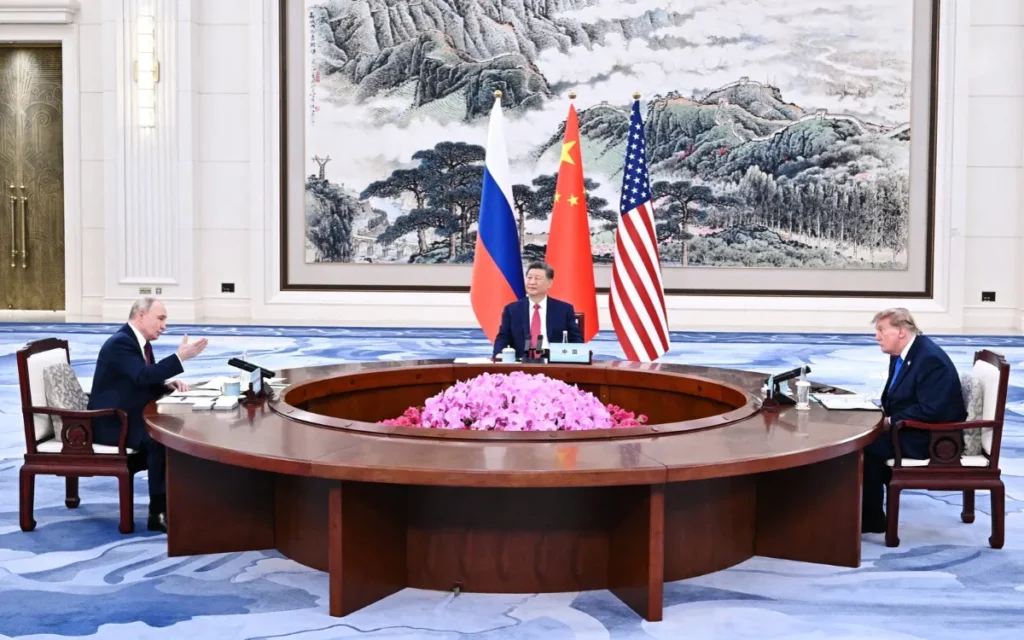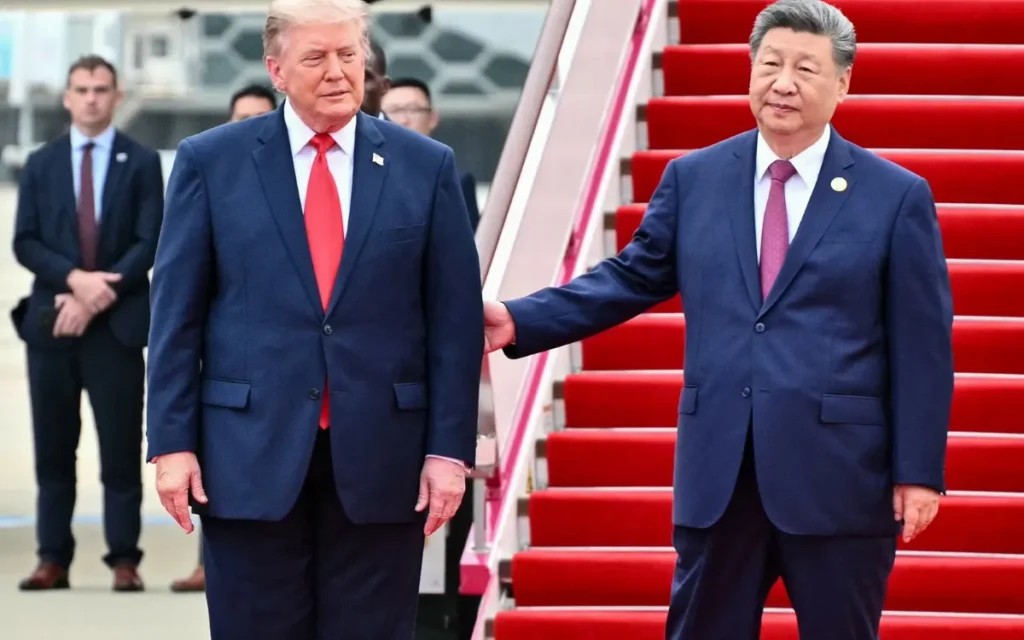
Europe moved on Thursday to claim a seat at new Ukraine peace talks, hours after the first three-way summit between the leaders of the United States, Russia, and China. German Chancellor Friedrich Merz said he expected the talks to “take place soon,” with Europe at the table alongside Washington, Moscow, and Kyiv.
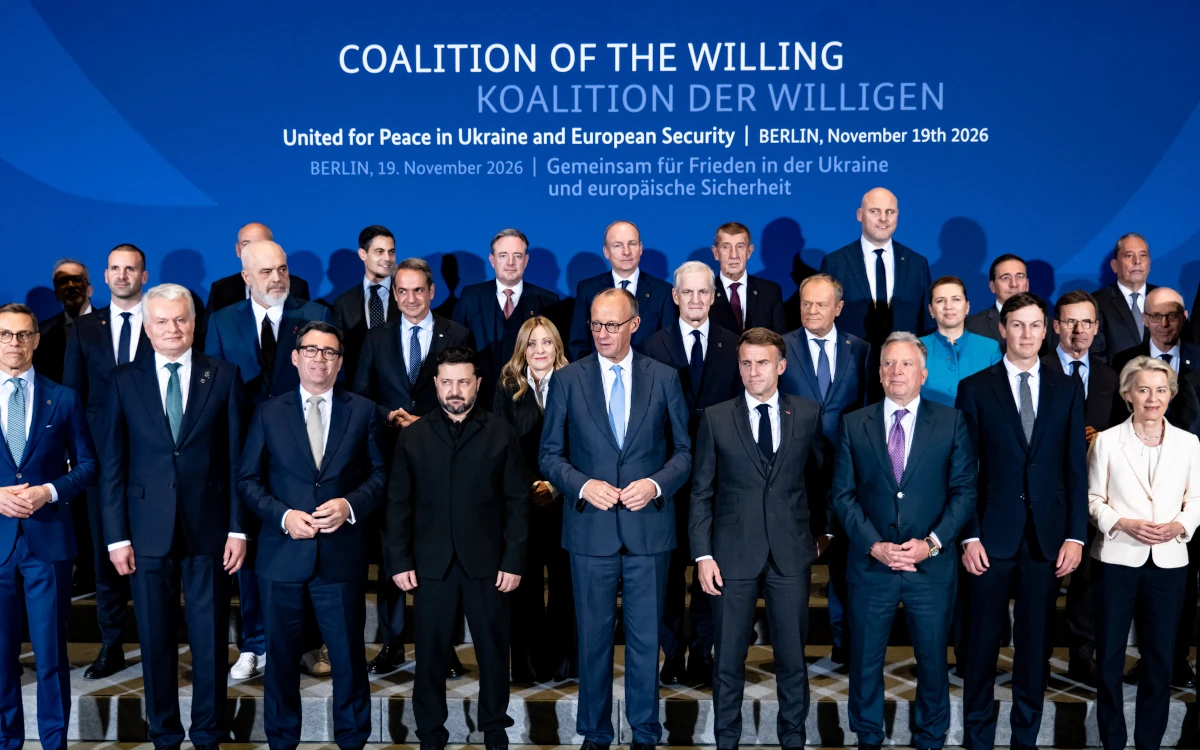
Merz hosted Ukrainian President Volodymyr Zelensky and more than 25 leaders at a summit of the “Coalition of the Willing,” a group of Ukraine’s backers. No date or venue has been set, although Merz floated the United Arab Emirates as a “neutral” option. “We welcome the United States’ move to initiate new negotiations with Russia,” he said. U.S. President Donald Trump joined by phone from Air Force One while flying home from China. His envoy Jared Kushner said Trump “wants to make a deal with Europe by his side.”
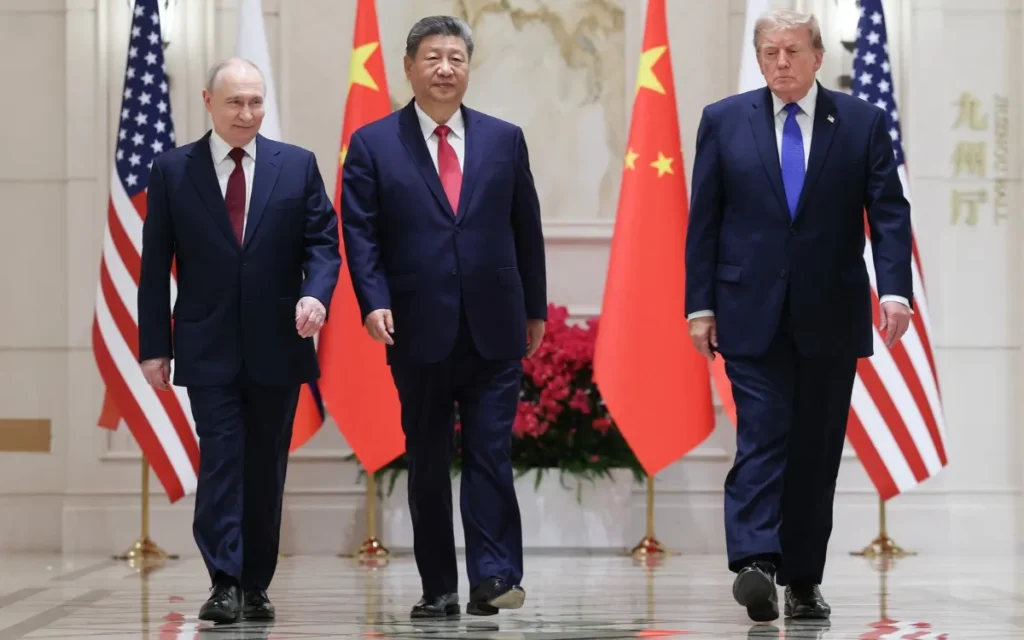
European capitals had worried that Trump, Russian President Vladimir Putin, and Chinese President Xi Jinping might decide Ukraine’s fate without them or Kyiv. Commentators likened the meeting to the 1945 Yalta summit, where the wartime Allies redrew Europe’s borders. Merz dismissed the meeting in China as a “photo op,” warning that a “Yalta format cannot bring peace.” Putin said Moscow had sent European leaders an invitation through diplomatic channels, adding: “We understand that discussing issues linked to security in Europe is pointless without the Europeans.”
Trump is receptive to an “Article Five-like” guarantee for Ukraine, modeled on NATO’s mutual defense clause, Kushner said, provided it serves U.S. interests. For Zelensky, only U.S. or European “forces, bases” on Ukrainian soil would amount to a real guarantee. French President Emmanuel Macron, for his part, wants Ukraine’s NATO membership back on the agenda, urging allies to “reopen the question.” The fighting continued as Kyiv hit the bridge linking annexed Crimea to Russia, its third strike there in seven days, and Putin promised a response “far more painful.”
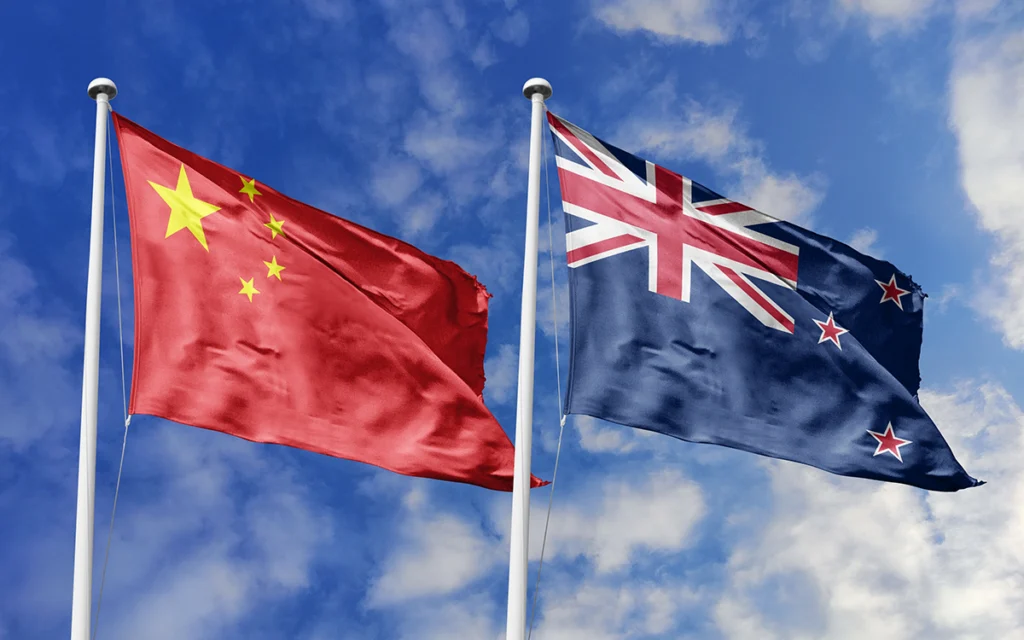
The two summits pointed to rival formats for ending the war. Shenzhen offered a three-power model, with Washington, Moscow, and Beijing presenting themselves as guardians of global stability while leaving Ukraine out of their joint declaration. Berlin was Europe’s answer: a coalition that keeps Kyiv supplied and insists that European security cannot be settled without Europeans. That support is its main source of leverage.
Putin’s invitation keeps Moscow in charge of the sequence: Europeans would come to Moscow first, “and after that we will decide in what format the talks can continue,” he said. He also called “military cooperation in any form” between Ukraine and Europe “a problem,” which cuts against the security guarantees under discussion. With Washington seeking a deal and Moscow setting conditions on Europe’s role, holding a common European position together will decide how much weight Europe’s seat carries. (AFP+EIR)