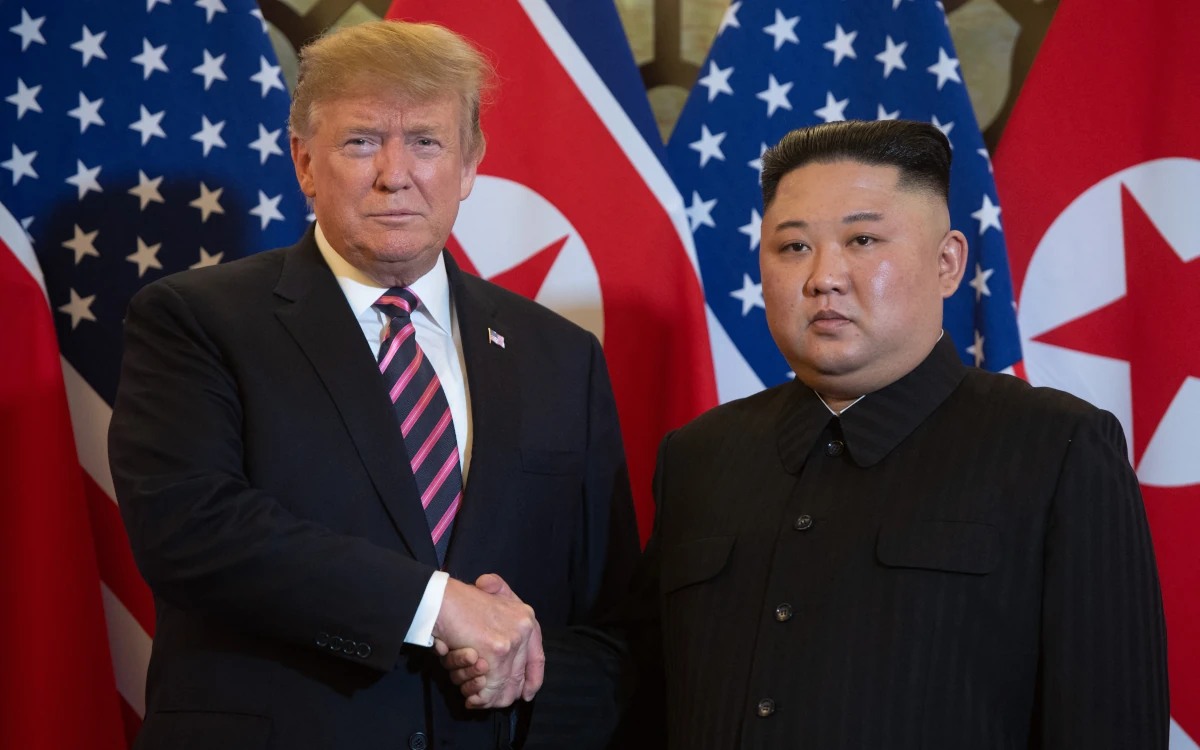
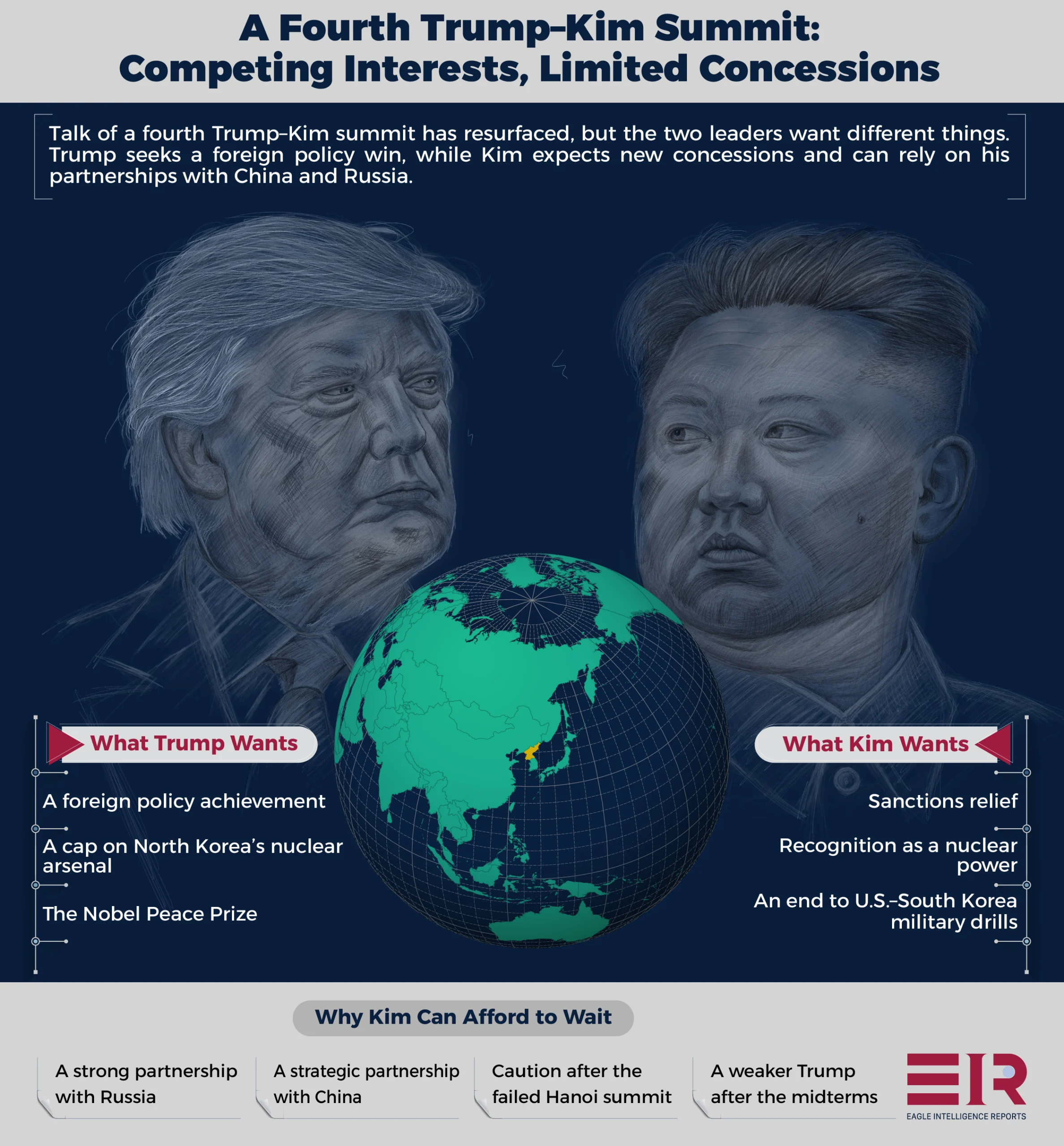
Donald Trump may secure a fourth summit with Kim Jong Un, but the more consequential question is what he would pay for it. Pyongyang has ignored Washington’s overtures, and its growing partnerships with Moscow and Beijing reduce its need for American diplomacy. Kim may hold out for more than another meet-and-greet, such as sanctions relief or formal recognition as a nuclear power. Trump, who has already called North Korea a “nuclear power,” might offer both. Doing so would effectively end Washington’s longstanding policy of denuclearization, a prospect that worries U.S. partners in Seoul and Tokyo.
North Korea remains one of Trump’s lingering pieces of unfinished diplomatic business. During his first term, he met with Kim three times, becoming the first sitting U.S. president to meet a North Korean leader and set foot on the regime’s soil. In May 2018, just before his historic summitry with Kim began, Trump even entertained the possibility of winning the Nobel Peace Prize for his diplomatic efforts. Asked by a reporter whether he deserved the honor, Trump replied, “Everyone thinks so, but I would never say it.” Ultimately, however, his attempts to secure North Korea’s denuclearization fell short.
North Korea remains one of Trump’s lingering pieces of unfinished diplomatic business
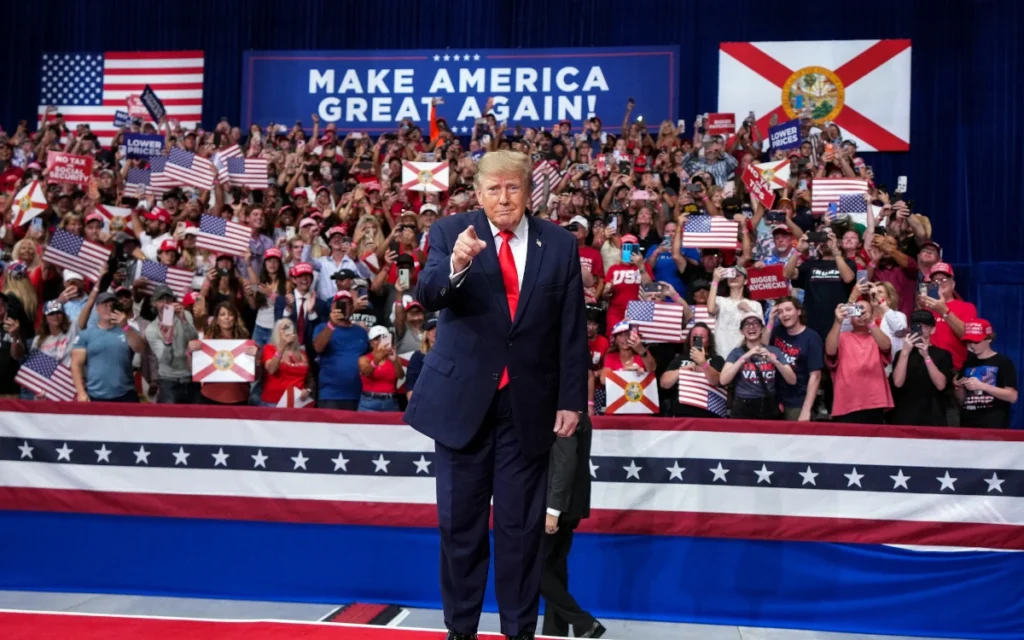
Now, Trump is trying again. On October 12, when a reporter asked whether he might meet with Kim during his upcoming trip to Asia, Trump responded, “I may. I may, yeah. That’ll be exciting, won’t it? But I get along with him.” Indeed, Trump has repeatedly boasted of his close personal relationship with Kim, once even declaring that the two had “fallen in love” after exchanging what he described as “beautiful letters.”
Just a week later, however, Trump appeared less certain about another summit. Asked on October 19 whether he would meet Kim, he remarked, “Oh, I don’t know. I don’t know… I’m not sure that anybody is asking for a meeting, but my relationship with Kim Jong Un is very good.”
A Summit Routed Through Beijing
Trump’s sudden shift in tone probably reflects how much harder the administration is finding it to engage Kim this time around. Trump remains eager for another summit. Yet American and South Korean officials have privately acknowledged that Pyongyang has not responded to Washington’s overtures and that a meeting this year is unlikely. That silence contrasts sharply with Trump’s confidence on August 19. Asked whether he would meet Kim later this year, he declared, “Yeah, I will be.”
Another indication of the Trump administration’s difficulties is its occasional outreach to China for help arranging another summit with Kim, underscoring Pyongyang’s apparent unwillingness to take Washington’s calls. These efforts have produced no breakthrough. Instead, on October 24, Kim traveled to the Chinese border city of Dandong to commemorate China’s entry into the Korean War and promote economic cooperation. He crossed into China over the New Yalu River Bridge, which had opened on October 15 after standing idle for more than a decade. While there, Kim met with Wang Huning, China’s fourth-ranking leader and one of Xi Jinping’s most trusted political advisers, who conveyed the Chinese president’s personal greetings. Foreign Minister Wang Yi also attended, lending the meeting diplomatic weight.
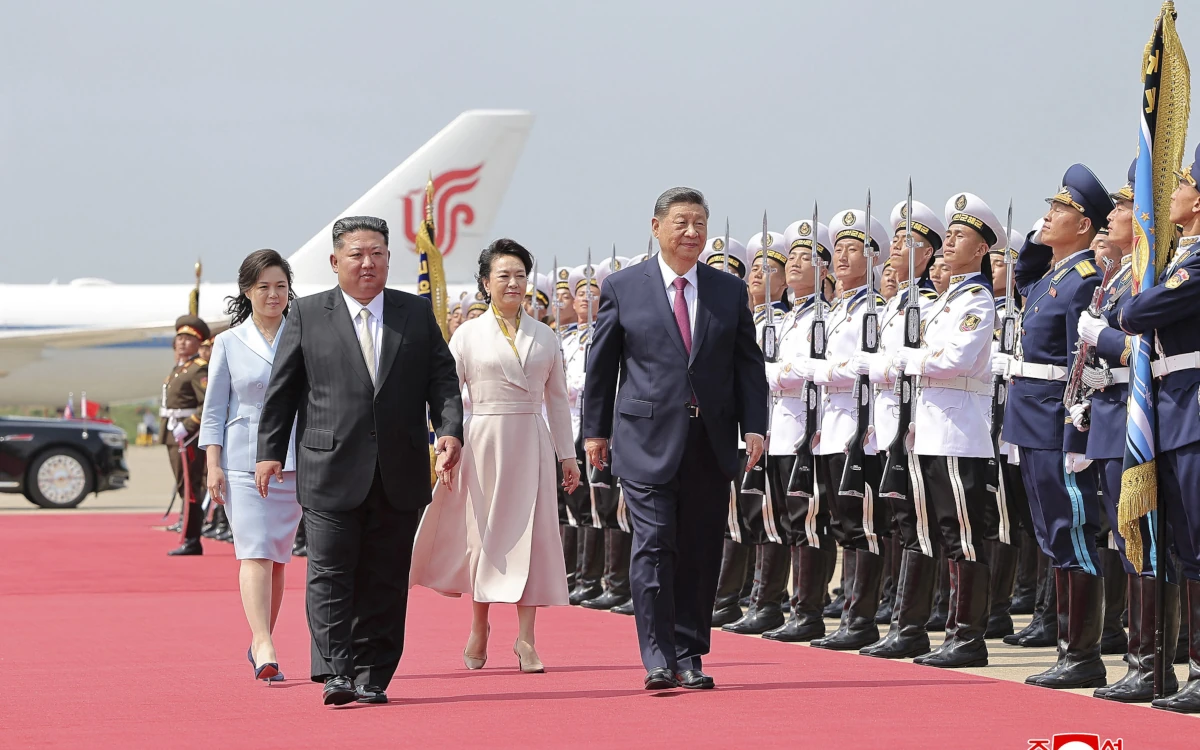
The visit offered further evidence of warming ties between Beijing and Pyongyang. Their rapprochement began in 2018, ahead of Trump’s first summit with Kim, and has survived periodic tensions. For Washington, it served as the latest reminder that China remains an indispensable player in North Korean diplomacy and that Beijing has little incentive to facilitate Trump’s ambitions.
For Washington, Xi’s visit to North Korea served as the latest reminder that China remains an indispensable player in North Korean diplomacy and that Beijing has little incentive to facilitate Trump’s ambitions
U.S. Concessions Fail to Move Pyongyang
Trump has even attempted to entice Kim back to the negotiating table by cutting August’s joint military exercise with South Korea from 11 days to five. But Pyongyang was unimpressed. Kim’s powerful sister, Kim Yo Jong, dismissed the move, arguing that “the provocative, aggressive nature of the drills won’t change even though their duration and size were reduced.” She warned that Washington would not get the answer it wanted if it presented the cut as a goodwill gesture. She did, however, keep the door open to negotiation by noting that the relationship between her brother and Trump remained “excellent.” North Korea then fired a barrage of short-range ballistic missiles on August 20 while the shortened drill was still under way. It launched another salvo on September 12, a day after the United States, South Korea, and Japan concluded a trilateral exercise, underscoring the limited impact of Trump’s overture.
Trump’s difficulties showed again on October 1, when he highlighted former NBA star Dennis Rodman’s personal relationship with Kim, raising the possibility that Rodman might serve as an informal intermediary. “When I wanted to get to know Kim Jong Un… the one who knew him best was Dennis Rodman,” Trump remarked during a visit to a truck factory in Texas. Rodman visited North Korea at least five times between 2013 and 2017, developing a personal relationship with Kim through basketball. He even traveled to Singapore for the first Trump–Kim summit in June 2018, although he was not part of the official American delegation. But Rodman’s usefulness as a potential go-between remains uncertain. Kim may have severed ties with Rodman following an embarrassing incident during one of his visits to Pyongyang, although the claim is unverified.
Why Kim Can Afford to Wait
There are likely several reasons Kim has been reluctant to engage Trump during his second term. The first is that Kim now has a powerful new partner in Russian President Vladimir Putin, reducing his dependence on diplomacy with Washington. Amid Russia’s ongoing war in Ukraine, Moscow and Pyongyang have forged a strategic partnership based on mutual interests. North Korea has supplied Russia with much-needed ammunition and troops. In return, Moscow is believed to be providing military technology and other assistance, potentially including expertise relevant to North Korea’s missile and nuclear programs. Their cooperation has also been formalized through a mutual defense treaty, giving both heavily sanctioned countries additional reasons to deepen ties despite international pressure. In a highly symbolic visit, Putin traveled to Pyongyang in June 2024 for the first time since 2000, underscoring just how far the relationship has come.
The second is North Korea’s strengthened strategic partnership with China, which was on full display when Xi Jinping visited Pyongyang in June for the first time in seven years. Like Russia, Beijing offers Pyongyang an alternative source of diplomatic and economic support. China and North Korea also share an interest in countering American influence on the Korean Peninsula, even if Beijing remains wary of Pyongyang’s nuclear ambitions and destabilizing behavior.
Third, Kim may still feel burned by his previous dealings with Trump, particularly their failed second summit in Hanoi in February 2019. Rather than risk another high-profile diplomatic failure, Kim may be holding out for a deal with more substance than another meet-and-greet. One possibility would be a limited nuclear arms control agreement that focuses on restricting nuclear testing, missile development, or other military activities rather than demanding immediate denuclearization. But such an arrangement would raise difficult questions about whether Washington was implicitly accepting North Korea as a permanent nuclear-armed state, something Pyongyang has long sought.
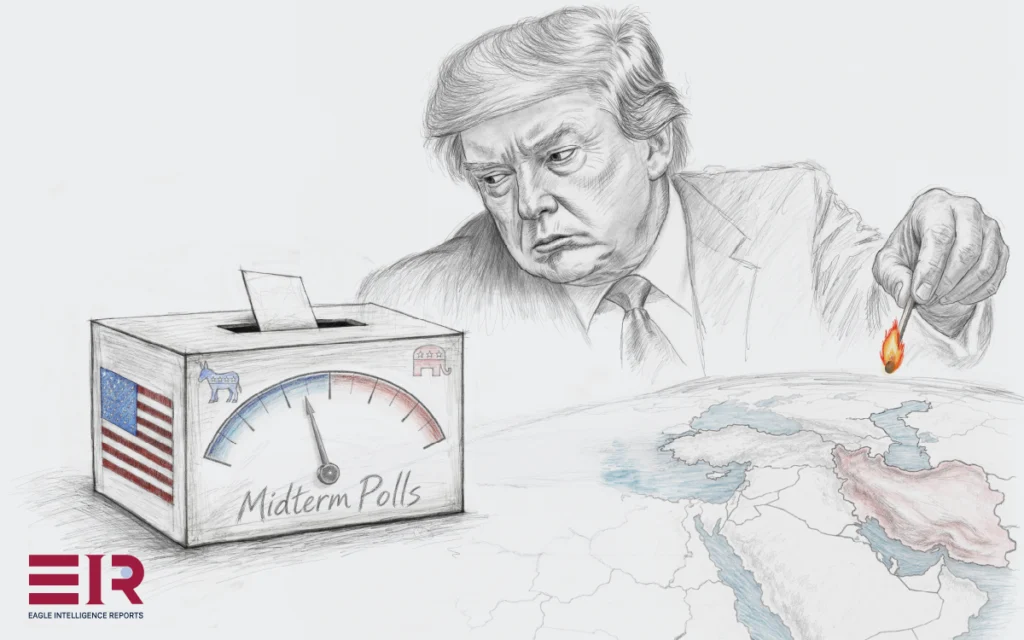
Finally, and more speculatively, Kim may simply be waiting for Trump to become more politically vulnerable before returning to the negotiating table. In the November 3 midterm elections, Democrats won control of both the House and the Senate in a stunning rebuke of Trump and the Republicans. That outcome could provide just such an opportunity. Facing greater political opposition at home, Trump might become even more eager to secure a major foreign policy achievement to bolster his legacy. Kim could calculate that a weakened Trump would concede more, strengthening his own negotiating hand.
Kim could calculate that a weakened Trump would concede more, strengthening his own negotiating hand
Denuclearization on the Bargaining Table
Should Trump nonetheless secure a fourth summit, the more consequential question is what he would be willing to offer Kim. At a minimum, and as he has shown repeatedly, Trump is willing to reduce or even eliminate U.S.–South Korea military drills aimed at the North. But such goodwill gestures have not moved Kim in recent months and are unlikely to impress him in the future. Rather, he wants substantive policy deliverables. To meet with Kim again, Trump could propose a wider deal offering Pyongyang sanctions relief and recognition as a nuclear weapons power. In return, North Korea would reform and open up its economy and foreign policy. Such a bargain would effectively end America’s longstanding policy of denuclearization. On several occasions in 2025, Trump actually said Pyongyang was already a “nuclear power,” suggesting the idea is not far-fetched in his mind.
A more limited play could see Trump trade sanctions relief for nuclear inspections, or at least a pledge from the regime never to use nuclear weapons in a conflict. Similar negotiations, particularly at the Hanoi summit in 2019, fell short. Either way, Washington would be replacing denuclearization as its overriding objective with the more modest goal of capping North Korea’s arsenal.
Ultimately, the concern in Seoul, Tokyo, and other allied capitals is that Trump, severely weakened by the midterms, might increasingly turn to foreign policy to secure his legacy. To be sure, many presidents have done this in their lame-duck years because they enjoy far more freedom of action abroad than at home. But the difference with Trump is that he is likely to favor riskier and rasher decisions, especially if they benefit him personally. In talks with North Korea, Trump remains fixated on winning the Nobel Peace Prize. Further concessions, such as withdrawing forward-deployed U.S. troops from allied territory or even downgrading the alliances themselves, no longer appear unthinkable. Indeed, in May 2025, the Pentagon was reported to be weighing the withdrawal of about 4,500 of the 28,500 U.S. troops in South Korea, a report it denied. Its January 2026 defense strategy also foresees a “more limited” U.S. role in deterring North Korea. Combined with a deal that implicitly accepted North Korea as a permanent nuclear-armed state, such moves would leave Seoul and Tokyo facing Pyongyang’s arsenal with a less reliable protector.
Going forward, Trump is likely to pivot toward and intensify his efforts to reengage with Kim, and eventually he might have success. The cost, however, could be extraordinarily high for the security of the United States and its allies.
Going forward, Trump is likely to pivot toward and intensify his efforts to reengage with Kim, and eventually he might have success. The cost, however, could be extraordinarily high for the security of the United States and its allies