
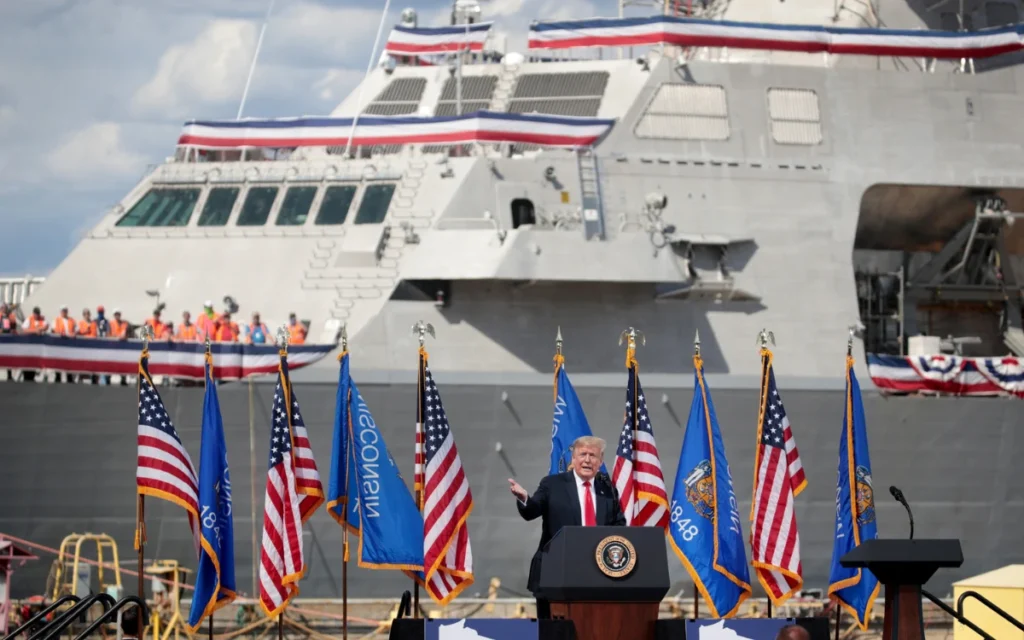
America needs welders as much as warriors to rebuild an Arsenal of Democracy that has atrophied under decades of strategic malpractice. Bipartisan neglect has hollowed out the skilled workforce, leaving a deficit that money alone cannot fix.

James O’Shea is an award-winning American journalist and author. He is the past editor-in-chief of The Los Angeles Times, former managing editor of the Chicago Tribune, and chairman of the Middle East Broadcasting Networks. He is the author of three books, including The Deal from Hell, a compelling narrative about the collapse of the American newspaper industry. He holds a master’s degree in journalism from the University of Missouri.
America needs welders as much as warriors to rebuild an Arsenal of Democracy that has atrophied under decades of strategic malpractice. Bipartisan neglect has hollowed out the skilled workforce, leaving a deficit that money alone cannot fix.
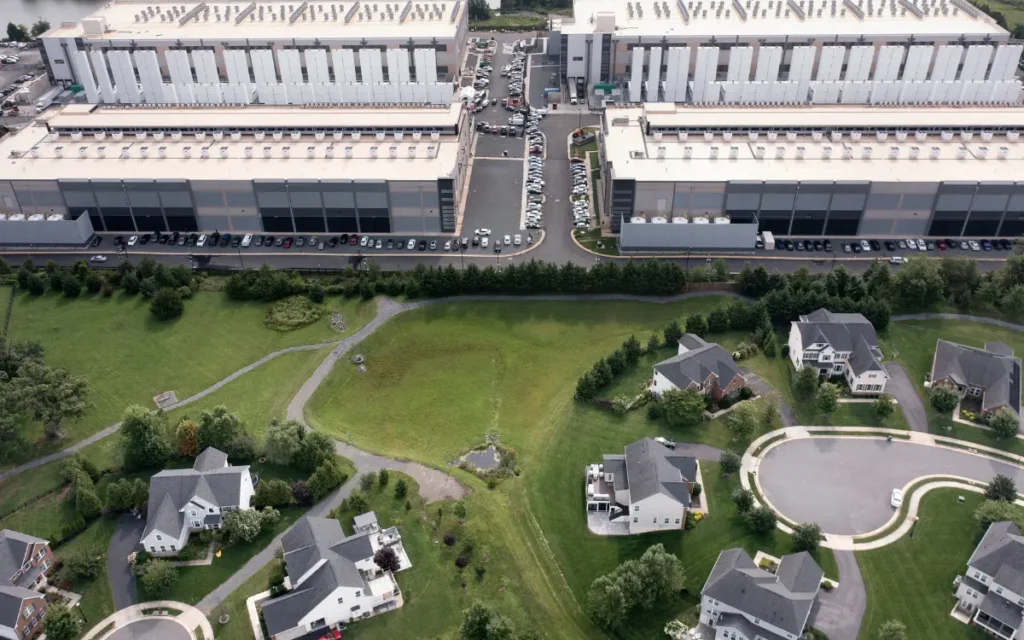
America’s bid for global AI dominance is colliding with an old political reality: every technological revolution eventually raises the same question—who foots the bill? The reckoning will come in the hearing rooms of state utility commissions, where regulators will decide who pays for the enormous power infrastructure required.
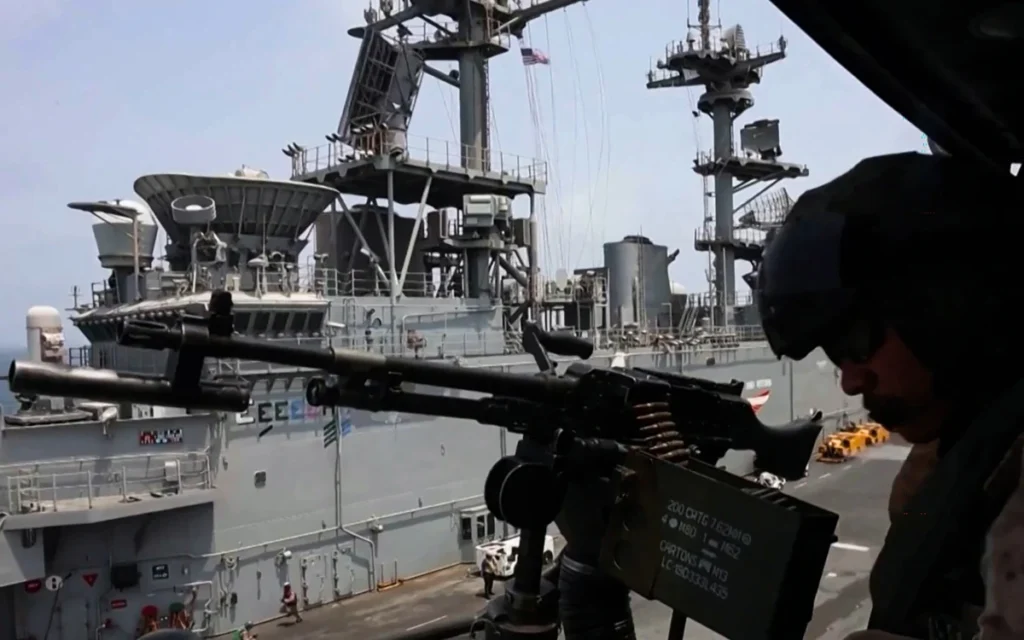
John Bolton has spent the better part of a quarter century arguing over what America should do about Iran. He’s studied the country, debated it, urged American presidents to thwart its nuclear ambitions. When he speaks, he delivers credible, serious analysis.
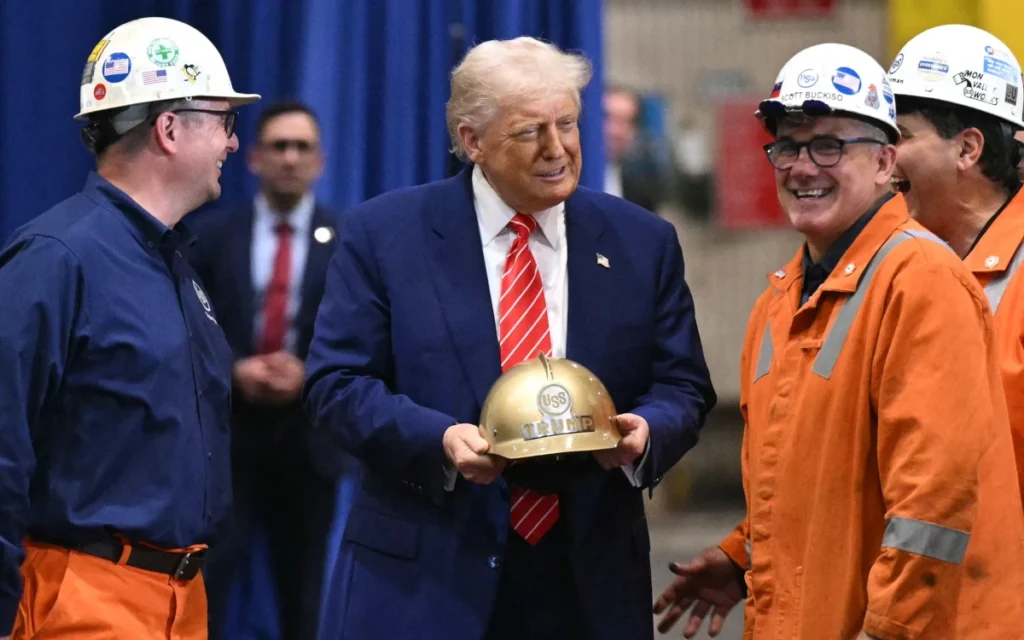
When Margaret Thatcher privatized British Aerospace in 1985, the government sold all its shares in the company except one. Numerically, the transaction left the UK holding a single share valued at one British pound in a company considered crucial to the nation’s defense.
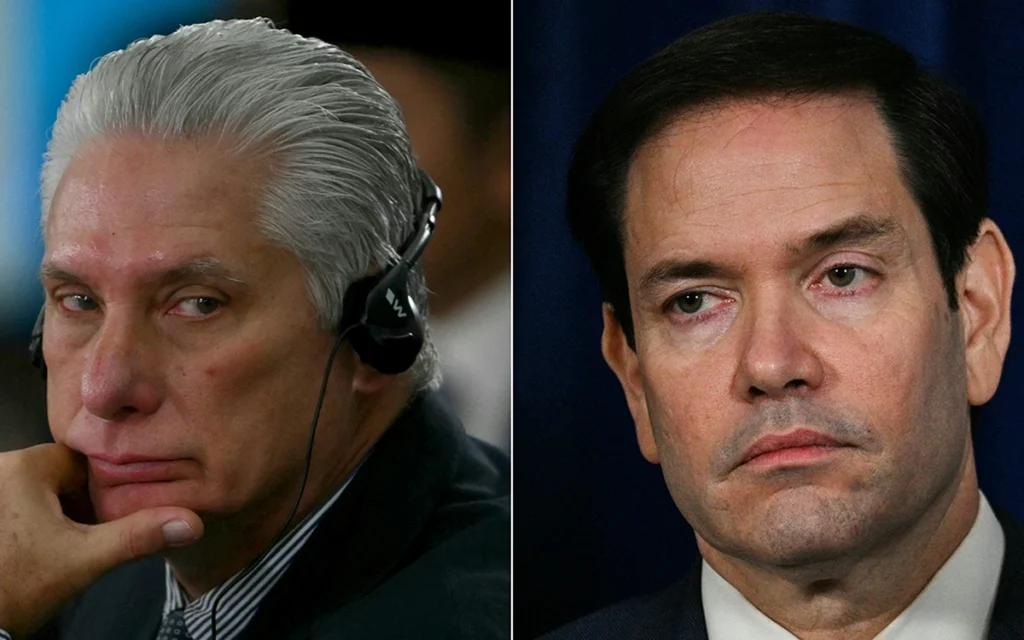
Since 1959, every American president has wanted to undo the communist revolution that put Cuba’s Fidel Castro in power. Yet for 67 years, each one quietly tolerated the governments that followed the bearded dictator. Until now. President Donald Trump is trying a new, simple, and devastating way to break the current regime.
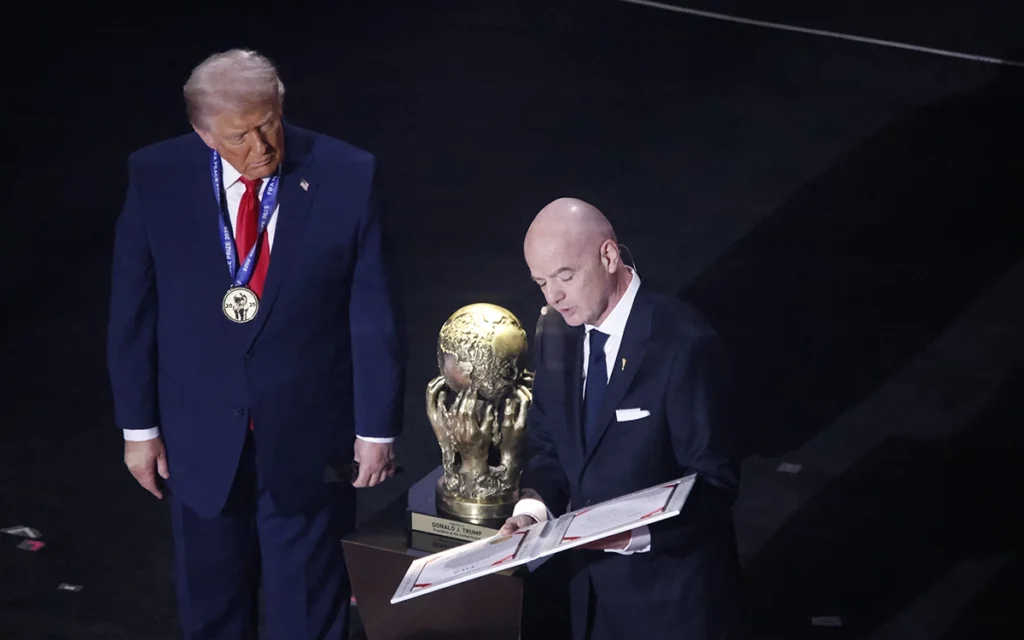
The 2026 World Cup will bring the global game to three North American hosts: the U.S., Canada, and Mexico. In the U.S., it will arrive when the very meaning of hosting has become contested. In the background, another infrastructure is being prepared: the immigration and security apparatus that determines who enters the U.S.
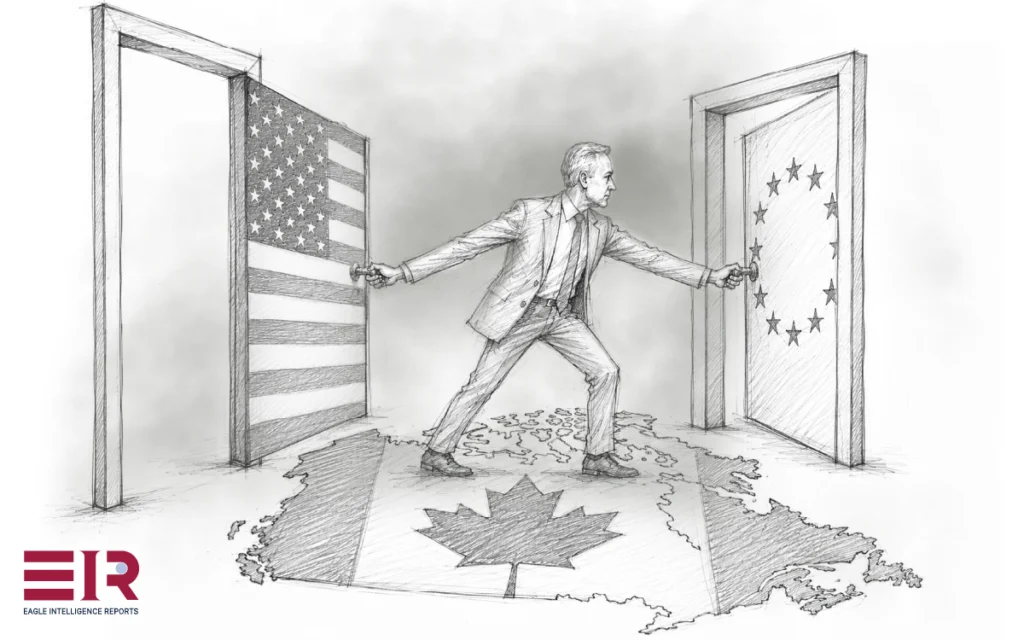
On February 14, 2026, at the Munich Security Conference, Canadian Defense Minister David McGuinty signed a document no non-European nation had signed before. The agreement allowed Canada to join the EU’s Security Action for Europe (SAFE) program, a $175 billion defense procurement initiative central to Europe’s rearmament plans.
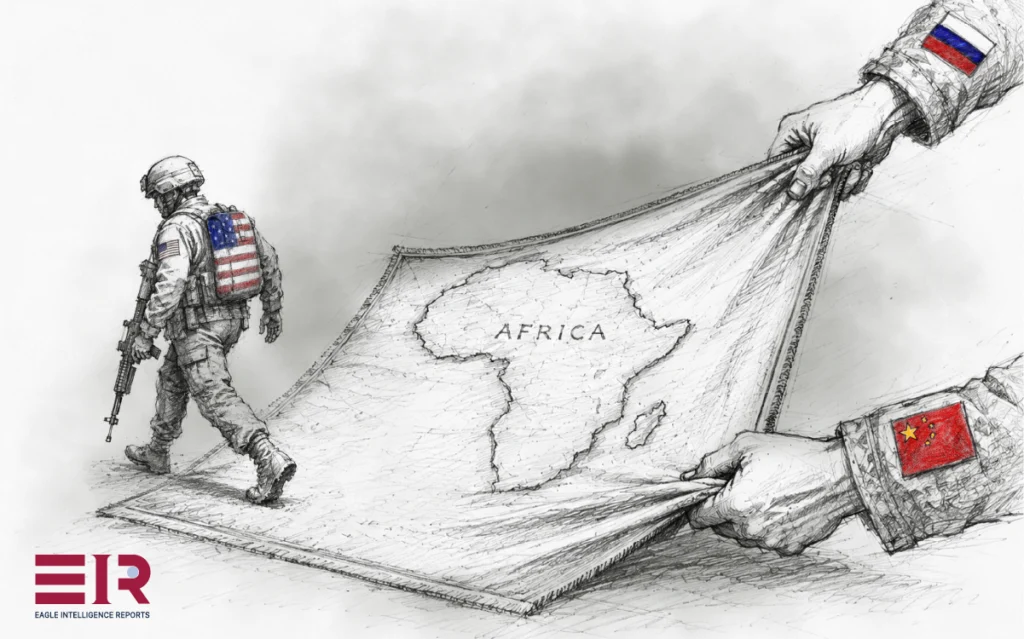
There will be no Suez. No Saigon. No single humiliating frame for historians to seize upon. America’s retreat from Africa—a continent of 1.5 billion people and the minerals that power everything Washington claims to covet—is happening quietly. Troops are drawn down, aid is slashed, and diplomats are recalled to no fanfare.
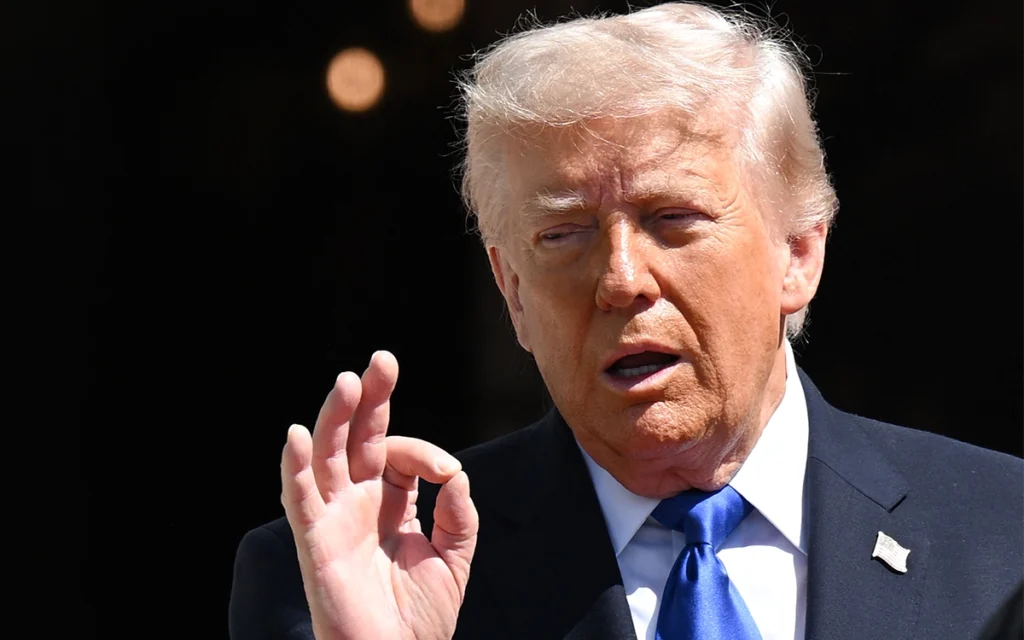
The Constitution is clear: Congress declares war. Period. That is the way the Founding Fathers wrote it. They set the line in the founding document. On Friday, a sixty-day War Powers clock ran out of time on Operation Epic Fury. The war had been declared over on paper. The ships, aircraft and threat framework remained.
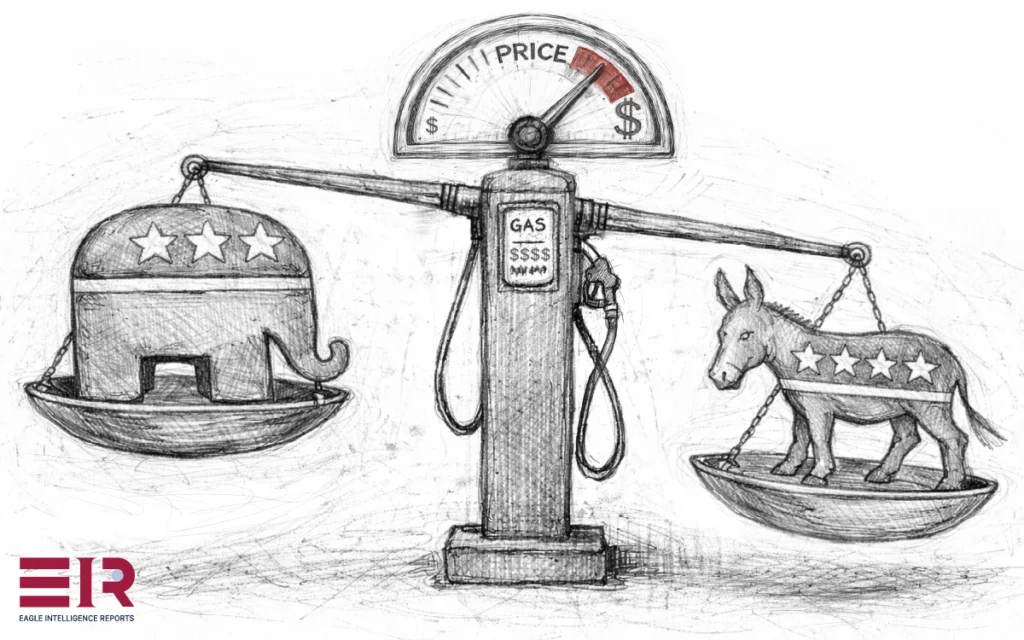
Nothing angers American voters more than rising gasoline prices. They are not only an economic burden but the most direct channel through which the costs of the war with Iran are passed to the American voter. Even with talk of a breakthrough in negotiations with Iran, that relief is not something voters feel right away.
Get access to in-depth analysis, exclusive intelligence, and expert reports designed to keep you informed and ahead of the curve on the most important global developments.
By signing up, you agree to our Privacy Policy.