
America’s bid for global AI dominance is colliding with an old political reality: every technological revolution eventually raises the same question—who foots the bill? The answer to this politically toxic question will not be decided in Congress or the White House. The reckoning will come in the fluorescent hearing rooms of state utility commissions, where regulators will decide who pays for the enormous power infrastructure required to support America’s AI ambitions. Half a century ago, those same rooms witnessed battles over nuclear power that left the industry with wounds that nearly killed it.
As soon as this fall, in state office buildings across America, a handful of appointed public utility commissioners will wrestle with how much of the costly datacenter buildout gets added to the monthly power bills of customers whose idea of high technology may be a flip phone. The hearings will be public but sparsely attended. The issues will be complex. A corporate lawyer will argue that the utility’s cost of capital justifies a hypothetical 11 percent return. A consumer advocate will argue nine. A stenographer will record the debate, and buried in these heated local exchanges will be one of the most consequential variables in America’s bid to dominate artificial intelligence.
About five decades ago, the same commissions refereed a different technological battle: nuclear power. Utilities promised cheap and abundant electricity and asked regulators to let them build first and recoup the costs later. They miscalculated. Some plants were completed, leaving customers to pay the debt for decades. Others were abandoned, leaving ratepayers to cover millions in concrete and cooling towers that never generated a spark. The hubris didn’t mean nuclear power itself had failed; it meant capital had been committed before regulators and utilities had determined who would pay if things went bad. When the reckoning came, it rang bells in mailboxes and ballot boxes alike.
The hubris didn’t mean nuclear power itself had failed; it meant capital had been committed before regulators and utilities had determined who would pay if things went bad. When the reckoning came, it rang bells in mailboxes and ballot boxes alike.
Pressure Building to Energize Datacenters
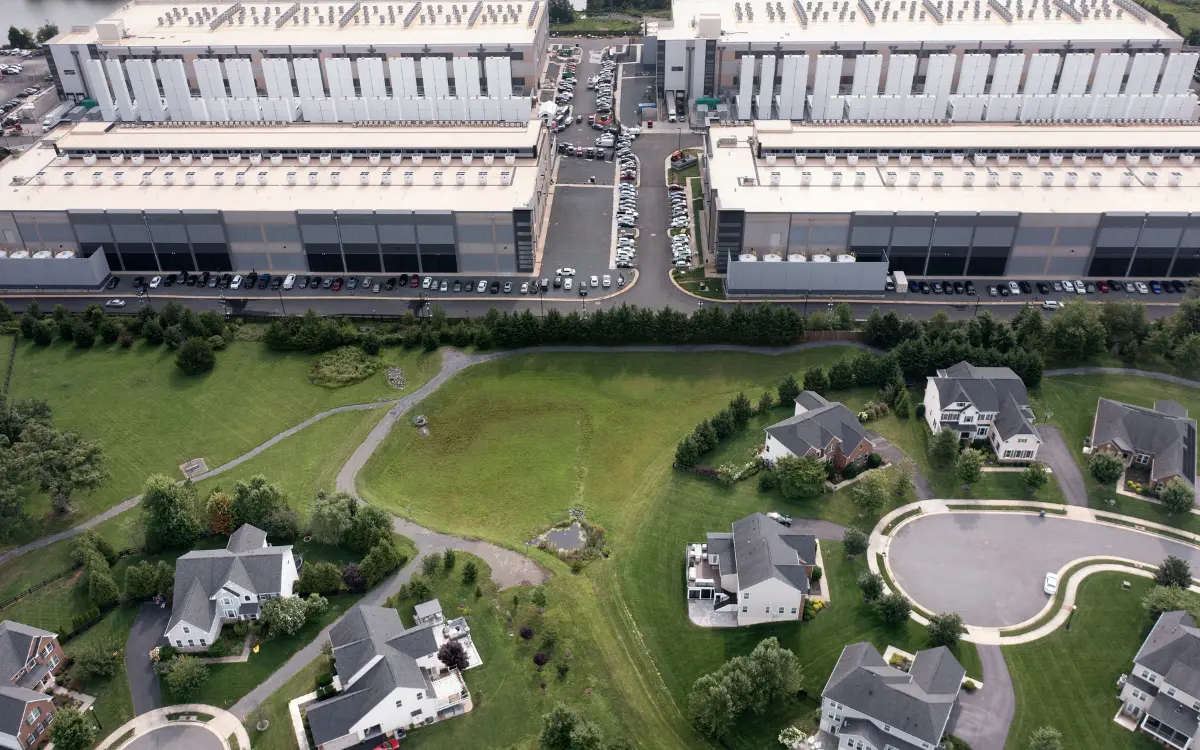
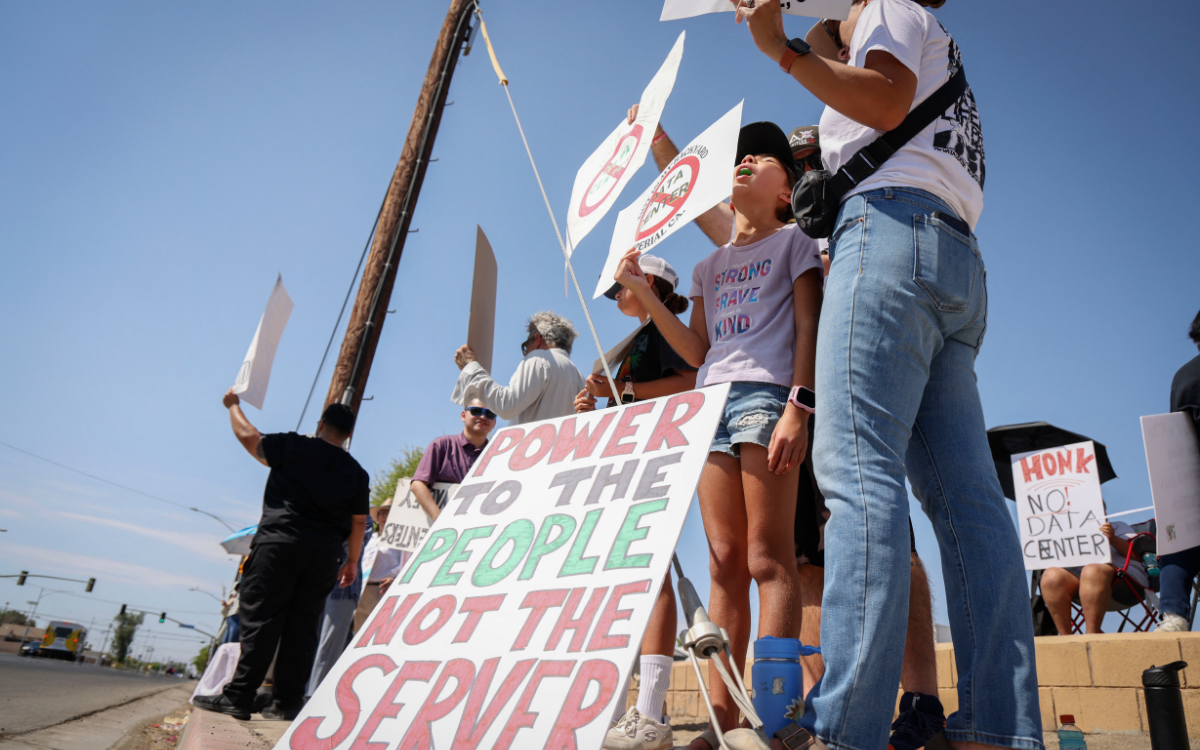
National political figures see the problem coming. They’ve reacted with prescriptions ranging from outright bans to profit-sharing schemes meant to defuse opposition by cutting the public in on the action. Federal regulators, meanwhile, have proposed cost-recovery agreements to keep consumers from paying for unfinished datacenters. Whether those protections prove adequate is a separate and unanswered question. What’s certain is that the pressure to approve construction is playing out in the states—faster, bigger, and under the scrutiny of superpower rivals racing for the same prize.
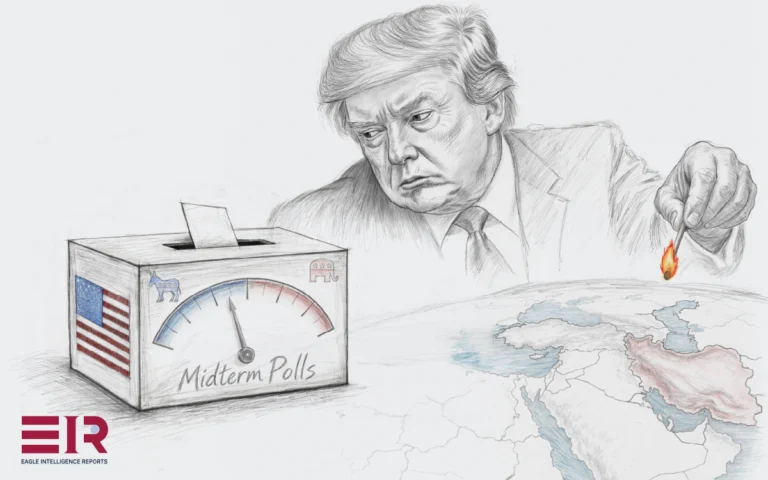
The press generally covers this as two stories. One is technological: how much power will AI require, can an aging grid supply it, and can the infrastructure be built on time? The other story is political: rising electricity bills emerging as a midterm election issue, with candidates promising relief even as tech companies pour money into the state and local races shaping utility policy. Both stories are real. But neither explains the regulatory machinery that will determine the outcome.
The key mechanism is the process by which American regulators set the rates utilities charge—a system meant to balance the interests of consumers and investors alike. Highly paid corporate lawyers square off against regulatory staff versed in utility financial gymnastics and consumer advocates fighting over how much company spending can be recovered from customers, over what period, and at what return. The process is unglamorous and basically invisible to the public. Yet it is also where the enormous costs of the AI boom are allocated—either absorbed by investors and tech companies or converted into line items on electric bills that may become political grenades come election time.
How a Rate Case Actually Works
The mechanics are arcane by design. A utility that plans to build a plant, transmission line, or other infrastructure needed to power a datacenter must convince regulators that the investment is necessary. It thus files a rate case asking a state commission to approve a “rate base”—the capital it says the project requires—and a rate of return on that base, the cost of capital. Utility lawyers, commission staff, and consumer advocates intervening on behalf of ratepayers then argue for months over how much of that cost lands on customer bills and how much falls to investors. The fight is invisible until it shows up as a higher monthly electric bill or a lower utility share price.
Utility lawyers, commission staff, and consumer advocates intervening on behalf of ratepayers then argue for months over how much of that cost lands on customer bills and how much falls to investors. The fight is invisible until it shows up as a higher monthly electric bill or a lower utility share price.
Virginia’s Dominion Energy offers a microcosm of the process. Facing a surge in datacenter demand, Dominion sought a new rate class from Virginia’s State Corporation Commission for its largest customers—those drawing 25 megawatts or more, a threshold that captures less than one percent of its 2.8 million customers. That slice of its customer base accounts for many datacenters and about 24 percent of its total sales, a state study says. In November 2025, the commission approved the company’s request with strings attached. The ruling said Dominion must adopt a “take or pay” style protection so residential customers don’t subsidize datacenters. The company agreed to a 14-year contract that guaranteed coverage of 60 to 85 percent of the transmission, distribution, and generation costs regardless of whether the large customers used the capacity. The order also boosted the average Dominion residential bill by about nine percent, or roughly $13.60 a month over two years, a third less than the utility had originally sought.
This same process is underway across the country as utility companies file for rate increases to cover costs triggered by a voracious desire for datacenters. In hearings, lawyers, commissioners, professional staffs, and consumer advocates will spend months debating who pays for what. And when the dust settles, it will likely end as it did in Virginia: no one can plausibly declare victory. The Piedmont Environmental Council, a regional non-profit advocate, which intervened in the Virginia case for residential ratepayers, argued for a 20-year contract term. It produced an expert witness who calculated that, even under the new rules, 61 percent of the cost of the required grid upgrades would be paid by ordinary ratepayers. After the commission had ruled, Chris Miller, Piedmont’s president, said it didn’t make sense for the Virginia commission to ask struggling families to subsidize the energy needs of the world’s wealthiest companies. Dominion got a lower rate and a longer fight than it wanted. That argument, multiplied across fifty states, is the hidden battlefield upon which the datacenter fight will play out.
Credit Markets Are Watching
Although the debates are fierce, everyone agrees on one thing: the pipeline is full. Investor-owned utilities project that they spent a record $208 billion in 2025 and plan to spend another $239 billion in 2026, according to the Edison Electric Institute, which attributes much of the surge to AI datacenter demand. The trade group expects spending to continue climbing by the low-to-mid teens annually through 2030—roughly $1.4 trillion over five years as utilities expand generation, transmission, and grid capacity.
Credit markets are watching. The sheer scale of investment has caught their attention. Fitch Ratings, one of the three major credit-rating firms, downgraded its outlook for the entire North American power sector in June 2026 from “neutral” to “deteriorating,” citing growing regulatory resistance to rate increases utilities need to recover their costs. Average electricity prices have already jumped 10.2 percent year over year, according to the Department of Energy’s own statistics. The concern is straightforward: utilities can borrow and build, but if regulators don’t allow them to recoup costs from customers, the companies themselves face greater financial risk.
The concern is straightforward: utilities can borrow and build, but if regulators don’t allow them to recoup costs from customers, the companies themselves face greater financial risk.
Some utilities are already adopting the Dominion approach, embracing special defensive tariffs that shift more of the AI buildout’s cost onto the datacenters rather than residential bills—a pressure valve Fitch flagged as a real option. The Public Utility Commission of Ohio approved a similar special datacenter tariff for the American Electric Power Company last year. The Public Service Commission of Wisconsin in April 2026 modified a version of a proposed tariff for high-load customers such as datacenters filed by We Energies, a trade name used by two major subsidiaries of Milwaukee-based WEC Energy Group, a Fortune 500 company. In its ruling, the commission extended the minimum contract commitment to 15 years from the ten years sought by the company and lowered the eligibility threshold from 500 megawatts to 100, specifically to prevent existing customers from absorbing the costs.
But future tariffs will likely be contested state by state, inside a federal architecture with fifty commissions, a federal regulator, regional grid operators, and customers with equally large power bills. No single villain or single rulebook exists. Few things are more politically sensitive than a bill that lands in the mailbox every month. And when it goes up, consumers rarely blame the formula. They blame the utility, the tech company, or the executive calling the shots. Anyone over 55 might remember the last time this happened, during the nuclear buildout. Younger ratepayers mostly don’t, because that fight lived in commission dockets thinly covered by the press. That is precisely why it is happening again.
The Global Question Behind the Local One
Strip away the docket numbers and a genuine question about the American system remains: can it finance AI’s physical infrastructure fast enough without the fractured regulatory system becoming the major constraint?
China, America’s key rival in the race to dominate AI, is the natural point of comparison. China’s electricity demand already runs roughly 10 trillion kilowatt-hours a year against America’s 4.2 trillion, a gap that has opened almost entirely since 1990. More relevant than the size of that gap is the mechanism behind it: Beijing’s planners can direct capital across provinces without fighting the state-by-state rate litigation that defines the American process.
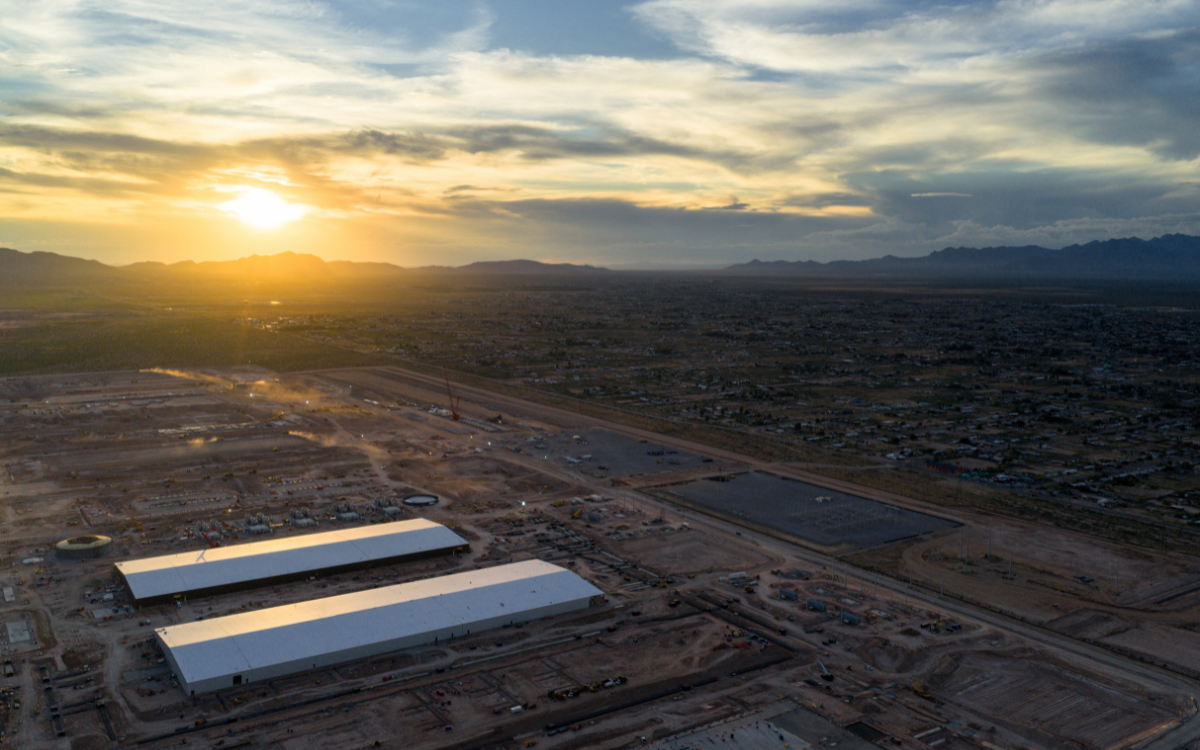
Does the capacity to coordinate capital and build generation without contested hearings give China a structural edge in the race for AI dominance? A nation like America with a strong regulatory structure can and should pride itself on being an example of transparency, accountability, and representative democracy. Nevertheless, regardless of what critics think of Chinese governance, the nation’s capacity to move capital without cumbersome hearings and lengthy legal debates does give it an advantage over the case-by-case “who pays” regime that dominates the American process. The question, then, is whether America can preserve its regulatory strengths while accelerating the construction of infrastructure required for AI competition without provoking major ratepayer backlash and political resistance.
It also sharpens the stakes of getting the answer wrong. Headlines document that investors have made huge donations to political campaigns. Major tech firms like Facebook parent Meta have launched a $65 million campaign targeting state-level political contests, according to numerous press reports. Such commitments raise the question the Dominion case tried to answer: if the demand behind these projects doesn’t materialize, who absorbs the cost? Nineteenth-century railroads tried to cope with a similar question, initially without success. But the built infrastructure survived and fundamentally transformed the American economy. An orphaned datacenter offers no comparable second life. That’s the risk that collateral requirements and 14-year guarantee terms are designed to price: a regulator, once again, struggles to put a number on stranded risk before the fact rather than afterwards. Every rate case now moving through a state commission is, in effect, a bet on whether the parties priced the risk correctly. Get it wrong in enough states and the same case, multiplied fifty times, becomes either a genuine edge for American AI or a very expensive lesson in what “build first, litigate later” costs the second time around.
Nineteenth-century railroads tried to cope with a similar question, initially without success. But the built infrastructure survived and fundamentally transformed the American economy. An orphaned datacenter offers no comparable second life.
The Stakes
High stakes threaten all parties. Residential electricity prices are already rising, according to the Energy Information Administration. The exact rate of increase varies by source and market, but the trend is unmistakable—and it is a factor Fitch cited directly in its downgrade of the North American power sector. The trajectory tracks almost exactly the technology industry’s rising political spending on the candidates and commissioners who will make the decisions. The combination of rising bills, an opaque process, and a flood of political money is a formula for populist backlash, and it is already surfacing in midterm campaigns.
That backlash will not stay confined to state politics. If enough commissions side with ratepayers and shortchange the AI buildout, the pace of American AI infrastructure will slow. The capital to fund it will not wait around for state legislatures to sort out a fair formula. It will follow the path of least resistance, toward more predictable jurisdictions. A fragmented regulatory system that can’t tell investors how they will recover the cost of the AI buildout is an obstacle to the kind of expansion geopolitical competition envisions. A bad result will be just as harmful to the national interest in the form of higher bills and an expansion of the cost-of-living crisis. The central challenge is not simply choosing between consumers and investors. It is finding a balance between them that allows America to build the infrastructure required for AI dominance while maintaining public support for the effort rather than ceding the race to China.
The last time America let utilities build first and litigate cost allocation later, the reckoning took years to surface. By the time it did, the public conversation had moved on. This time the stakes reach beyond a single state’s electric bills to a contest with a rival that doesn’t hold public hearings, take public comment, or worry about the next election.
The datacenter story will continue to be covered as a technology story and a campaign story because those are narratives that generate headlines and social media attention. But the decisions that determine the outcome—who pays, and therefore who builds—will be argued in the fluorescent hearing rooms most reporters rarely enter, in a vocabulary designed to keep outsiders out, state by state and case by case.
More people should be sitting in those rooms. Right now, almost no one is.
The decisions that determine who pays—and therefore who builds—will be argued in the fluorescent hearing rooms most reporters rarely enter, in a vocabulary designed to keep outsiders out.