
Russia on Wednesday appeared to deny reports of a second suspected plague case in Siberia, labeling media reports on the situation as “false.”
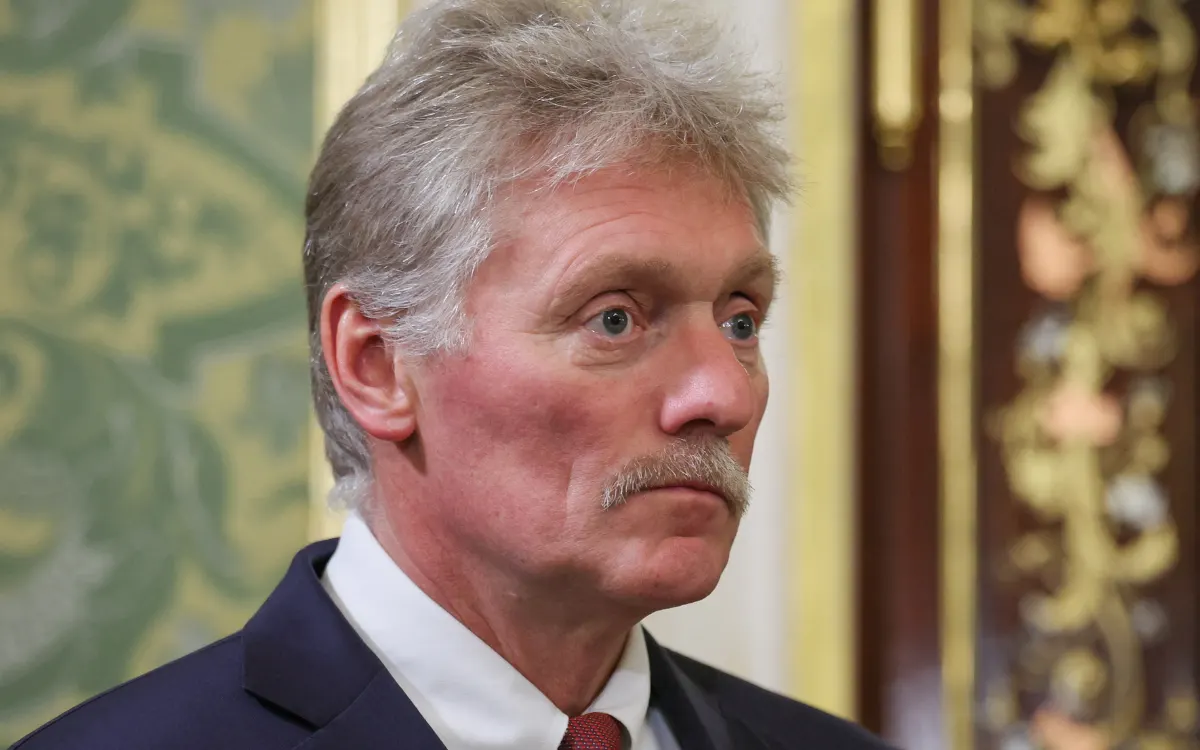
The United States, the European Union, and the World Health Organization have all called on Russia to be transparent about the reported plague death of a laboratory technician last week. Kremlin spokesman Dmitry Peskov said he had “no information” about any formal requests from Washington for clarifications about the situation.
“The vast majority of what the media is reporting regarding this situation is false information,” Peskov said, urging people to only follow official statements from Russia’s health watchdog Rospotrebnadzor. Rospotrebnadzor has denied claims circulating in a document online that special measures have been put in place, and Russian authorities say the cause of death has not been confirmed.
Russian media reported that 28-year-old Darya Shipilova, who worked at the Irkutsk Anti-Plague Research Institute of Siberia and the Far East, died after developing pneumonia, with unconfirmed reports suggesting she may have been exposed after a laboratory accident. Up to 200 people who may have come into contact with her were reportedly placed under medical observation. Russian authorities say Shipilova died from pneumonia of unknown origin and that testing has not linked her death to pathogens handled at the institute. The institute, established in 1934, specializes in research and surveillance of plague and other dangerous infectious diseases. Plague remains endemic in parts of Siberia and Russia’s Far East, although human infections in Russia are rare. The European Centre for Disease Prevention and Control said there were no reports of secondary cases or evidence of sustained human-to-human transmission as of Tuesday.
The international scrutiny also comes against the backdrop of severely strained relations between Russia and Western governments, making questions of transparency around facilities handling dangerous pathogens particularly sensitive.
Conflicting reports and official statements have turned an isolated health investigation into an international transparency issue, particularly because the death involved an employee of a facility specializing in dangerous pathogens. Washington and Moscow have repeatedly traded accusations over biological security and compliance with international obligations, while Russia’s war in Ukraine has sharply reduced trust and cooperation between the two sides. That broader breakdown in relations means an otherwise localized public-health investigation risks acquiring diplomatic and security significance.
With no confirmed secondary infections, current evidence does not indicate a wider outbreak, but uncertainty over Shipilova’s cause of death is sustaining scrutiny of Moscow’s response. Russia’s willingness to provide verifiable findings to international health authorities will therefore be important in determining whether concerns subside or continue to generate diplomatic pressure. (AFP+EIR)